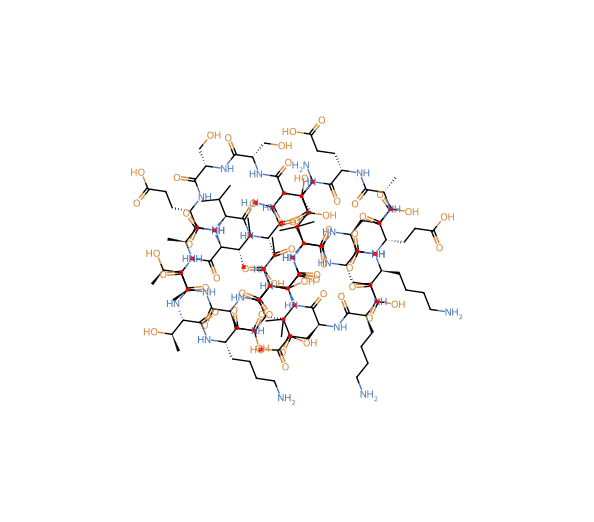
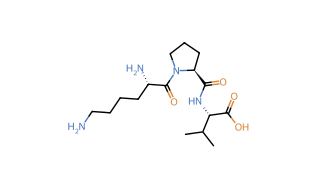
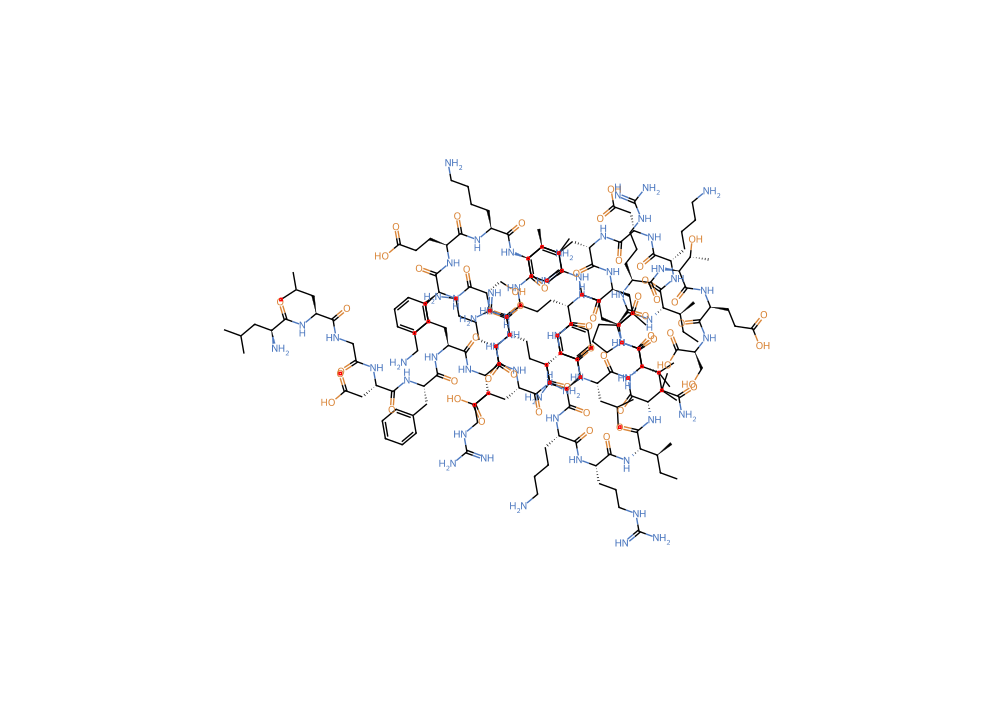
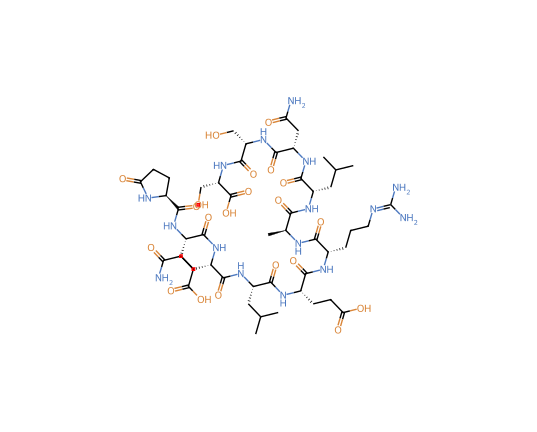
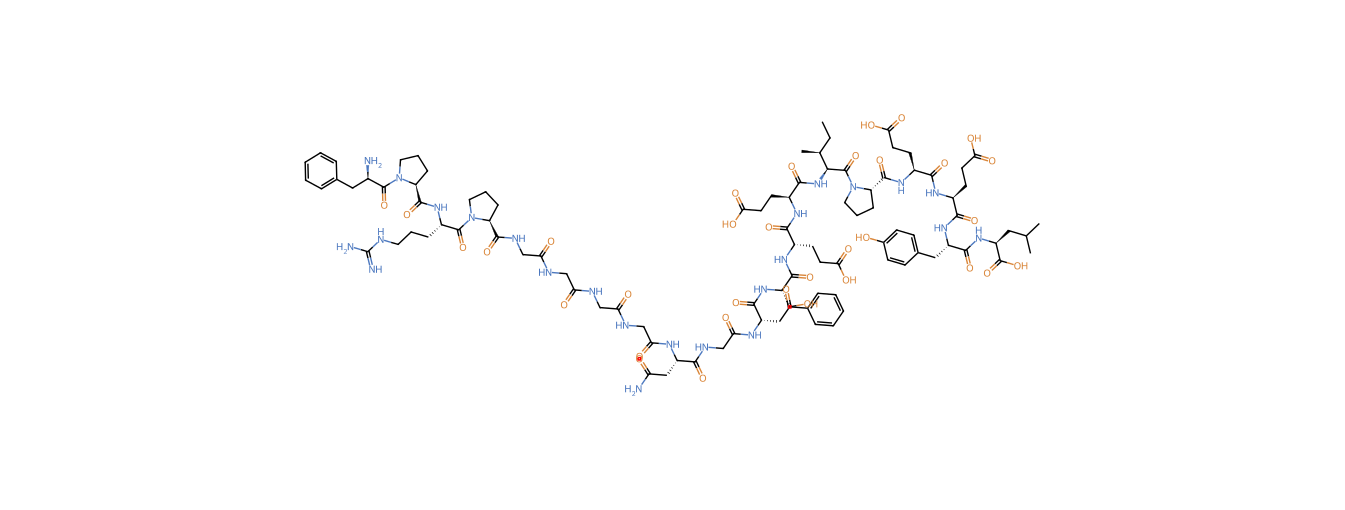
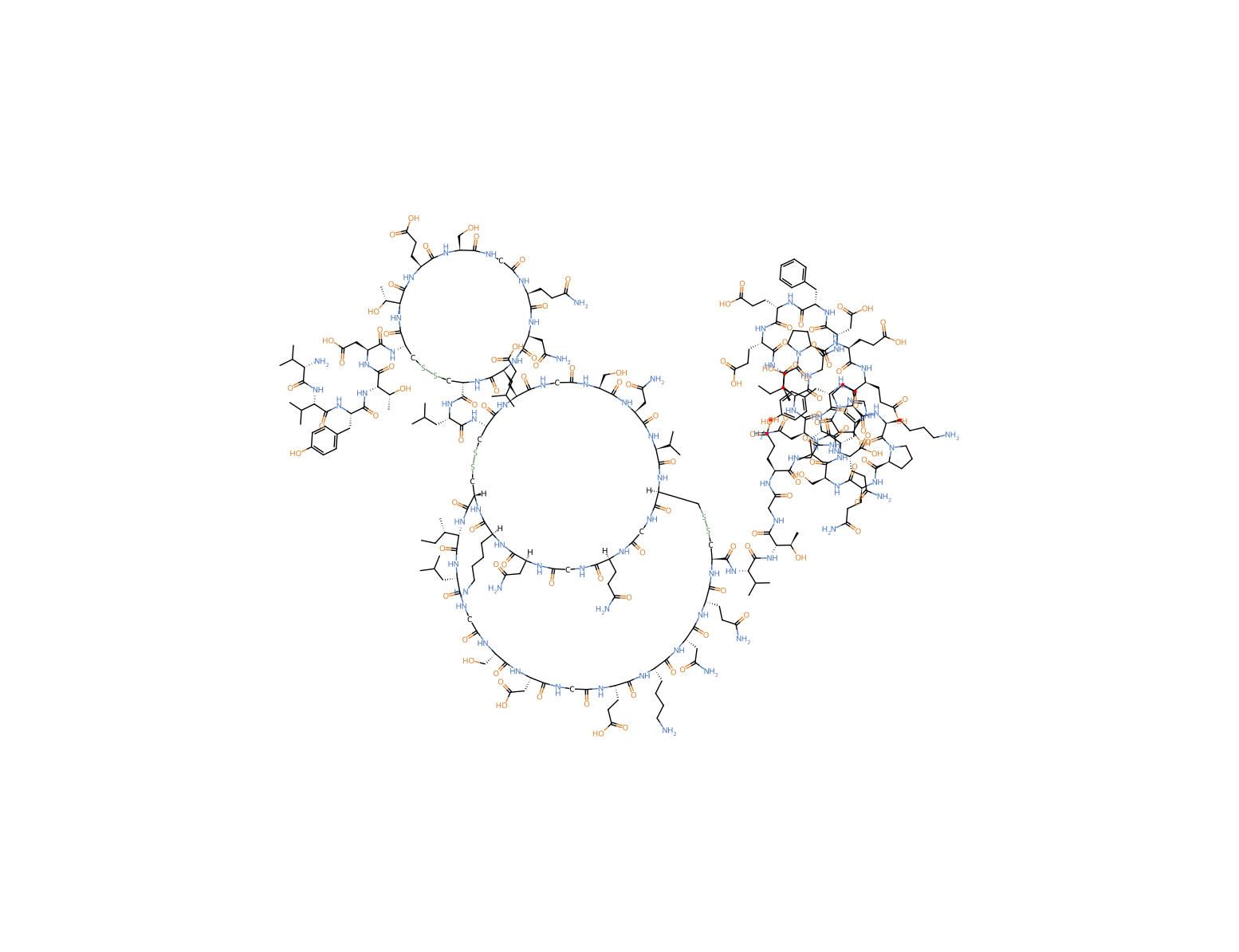
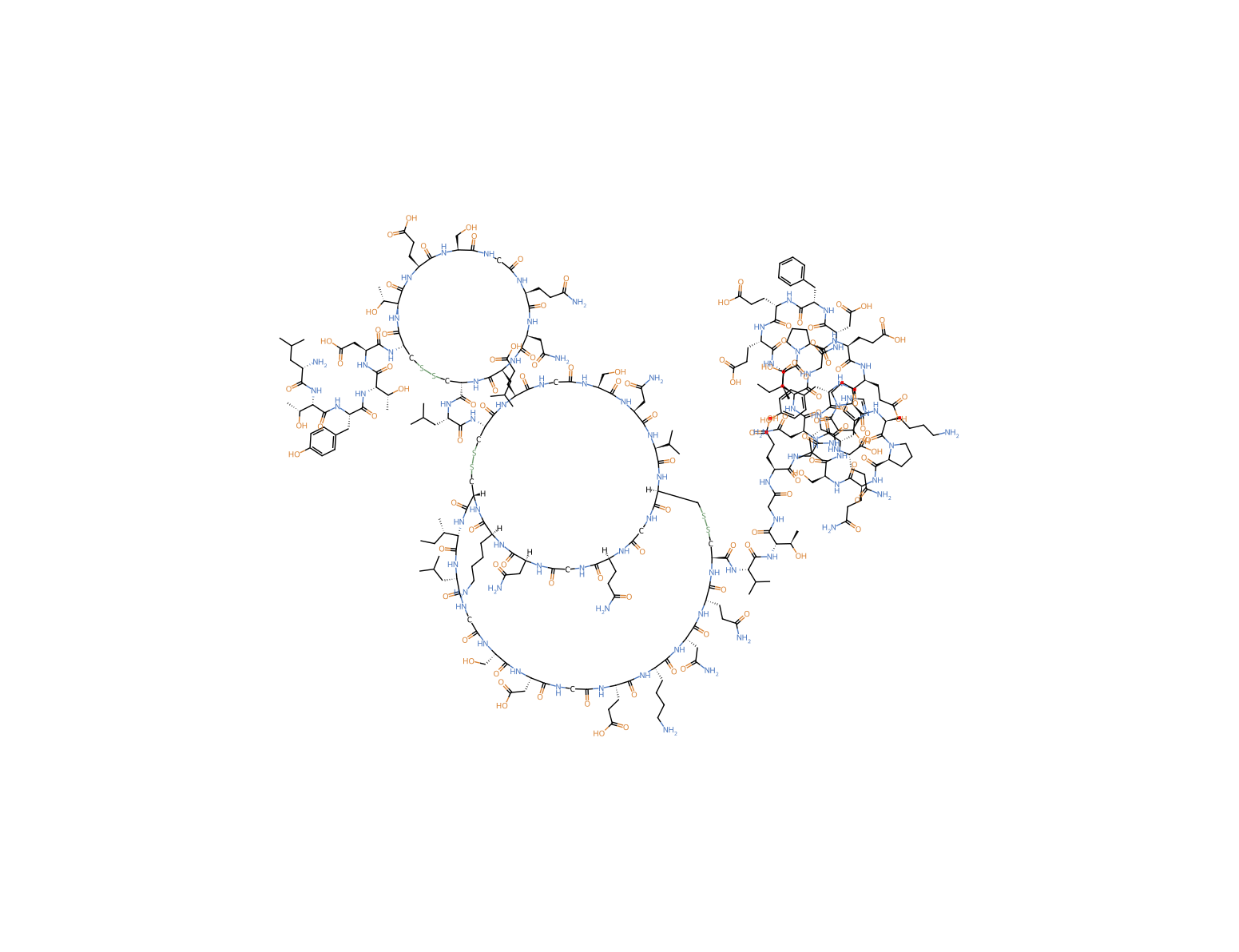
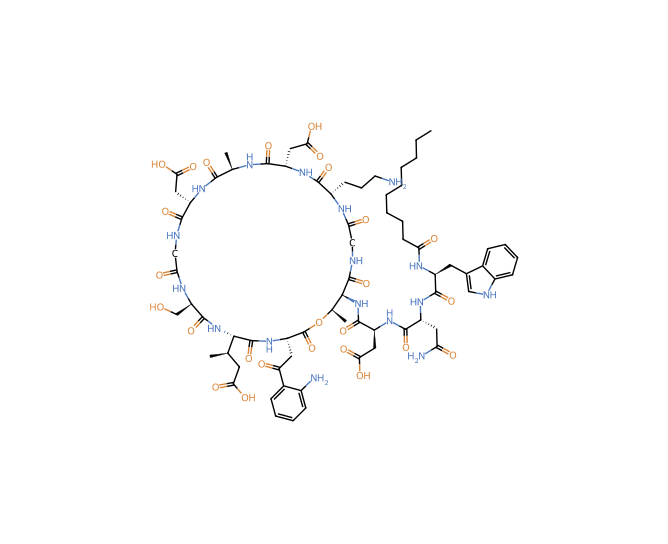
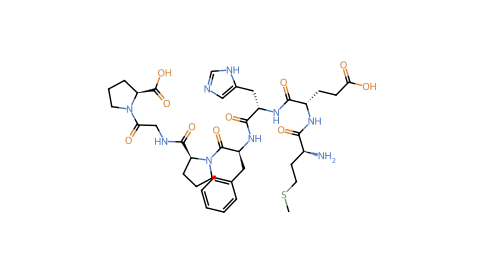
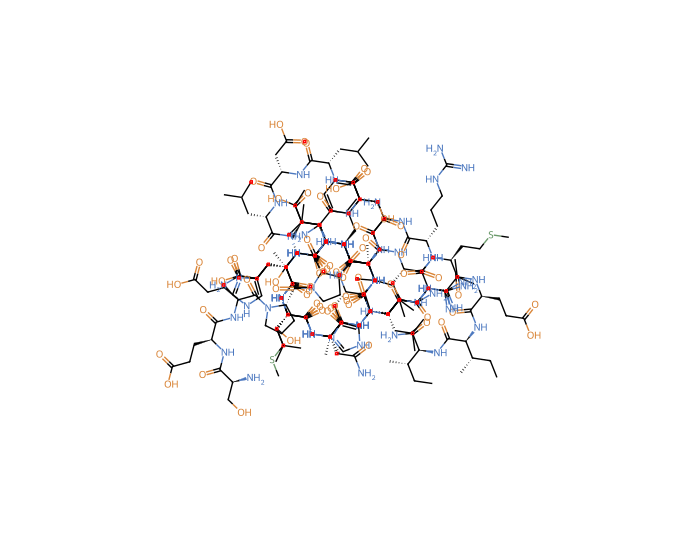
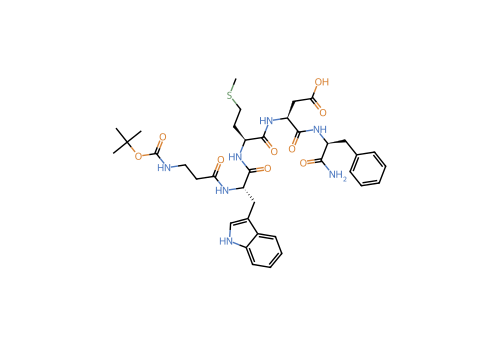
Ophthalmic: 0.1% RGN-259 (timbetasin acetate) eye drops, one drop per eye, 2-5× daily for 14-28 days in clinical trials.
Systemic: No established systemic regimen has been studied in controlled human trials.
What is not established
No established or recommended human dose. This applies to systemic use; the ophthalmic candidate and any marketed research material are not interchangeable.
In approved jurisdictions (e.g., Singapore label): Zadaxin 1.6 mg (900 mcg/m²) administered subcutaneously twice weekly for 6-12 months for chronic hepatitis B. For patients under 40 kg: 40 mcg/kg.
COVID-19/sepsis: 1.6 mg SC daily or twice weekly in published observational studies.
What is not established
No FDA-approved dosing exists. This atlas did not verify a current, product-specific approved label for the other studied uses; authorization must be checked by product, indication, and jurisdiction.
Small cosmetic studies described topical creams/serums over 8-12 weeks. See the dose language methodology for the distinction between cosmetic and therapeutic regimens.
NCT07437586 describes 0.1% topical gel for 14 days. These are descriptive study exposures, not recommendations.
What is not established
No established or recommended human dose. Topical cosmetic evidence does not establish a systemic regimen or therapeutic drug use.
Uses beyond Barth syndrome are not approved, and no regimen is established for those conditions. Current product use is limited to the exact labeled indication, population, formulation, and route; other study exposures are not recommendations.
No current primary Russian regulator label was retrieved for this atlas, so a Russian labeled regimen is not reproduced. Historical or secondary summaries must not substitute for current product information.
The COVID-19 and gerontology studies in the table above used protocol-specific exposures under research oversight. They do not establish an interchangeable regimen for Thymalin products or any synthetic component peptide.
What is not established
No established or recommended human dose. Country-specific registration or historical study exposure does not establish a general regimen.
The entries summarize the cited US FDA labels for the named products and their approved indications.
Ozempic: Initiate 0.25 mg SC qwk × 4 wk, then 0.5 mg qwk; may increase to 1.0 mg qwk after ≥4 wk at 0.5 mg; 2.0 mg qwk approved (label update Jan 2022).
Wegovy: Initiate 0.25 mg SC qwk, titrate every 4 wk (0.5, 1.0, 1.7) to 2.4 mg qwk maintenance.
Rybelsus: 3 mg daily × 30 days, then 7 mg daily; may increase to 14 mg daily. Must be taken on an empty stomach with ≤120 mL water, after ≥30 min wait.
Doses up to 3.0 mg daily in weight management trials (Saxenda).
No studied regimen exceeds 3.0 mg daily.
What is not established
Efficacy for weight management without lifestyle intervention.
Long-term (≥5 year) weight maintenance.
Effectiveness of generic liraglutide bioequivalence versus reference product in clinical outcomes (approved via ANDA pathway based on pharmacokinetics).
The entries summarize the cited US FDA Trulicity label for type 2 diabetes.
Initiate 0.75 mg SC once weekly; may increase to 1.5 mg for additional glycemic control.
Higher doses (3.0 mg, 4.5 mg SC qwk) approved Sep 2020 for adults requiring additional glycemic control beyond 1.5 mg.
Pediatric patients aged 10 years and older: 0.75 mg once weekly; if additional glycemic control is needed, the US label permits an increase to a maximum of 1.5 mg once weekly after at least 4 weeks. This is not weight-based.
No dose adjustment needed for renal or hepatic impairment.
AWARD-11 established dose-dependent efficacy for 3.0 mg and 4.5 mg weekly; these doses resulted in greater HbA1c reduction and modest additional weight loss vs 1.5 mg.
What is not established
Use of higher doses (3.0/4.5 mg) for weight management in the absence of T2D.
Use in combination with tirzepatide or other incretin-based therapies.
The entries summarize the cited US FDA labels for the named exenatide products and type 2 diabetes indications.
Byetta: Initiate 5 mcg SC BID within 60 min before morning and evening meals (≥6 h apart). Increase to 10 mcg BID after 1 month. Subcutaneous injection in abdomen, thigh, or upper arm.
Bydureon: 2 mg SC once weekly, any time of day, with or without meals. Reconstitute microspheres in diluent before injection. Bydureon BCise autoinjector (same dose, prefilled).
Mounjaro (T2D): Initiate at 2.5 mg SC once weekly; increase to 5 mg after 4 weeks. If additional glycemic control needed, may escalate in 2.5 mg increments after ≥4 weeks to max 15 mg once weekly. 2.5 mg is titration only; therapeutic doses are 5/7.5/10/12.5/15 mg.
Zepbound (weight management): Same titration schedule. Continue 5, 10, or 15 mg as the maintenance dose.
Zepbound (OSA): Same titration schedule; 10 or 15 mg maintenance.
All SURPASS and SURMOUNT trials used once-weekly subcutaneous dosing starting at 2.5 mg with 4-week dose-escalation steps. Some Phase 1 and 2 studies also explored fixed-dose and rapid-titration regimens; these are not included in the approved label.
What is not established
No data support safety or efficacy above 15 mg weekly. Tirzepatide has not been studied in combination with other incretin-based therapies. No data on compounded, oral, or non-subcutaneous routes.
Phase 2 and Phase 3 trials employed once-weekly subcutaneous administration with dose-escalation schedules. Phase 2 tested doses of 1, 4, 8, 12 mg; Phase 3 TRIUMPH/TRANSCEND programs use up to 12 mg weekly as the highest studied dose. Titration typically began at 2 mg.
What is not established
No safe or effective dose has been confirmed by regulatory review. Maximum tolerated dose, optimal titration rate, long-term safety (>2 years), and efficacy in diverse populations are not established.
Phase 2 trials used once-weekly subcutaneous administration with forced dose escalation over multiple weeks. Highest studied weekly doses: 4.8 mg (obesity Phase 2), 6.0 mg (MASH Phase 2). SYNCHRONIZE-1 studied doses adjusted up to 3.6 mg or 6.0 mg once weekly. These trial exposures are descriptive, not recommended regimens.
What is not established
No safe or effective dose has been confirmed by regulatory review. Optimal dose-escalation protocol, maximum tolerated dose, durability of effect beyond 76 weeks, and long-term safety are not established.
Higher doses (up to 180 mcg) studied but not labeled.
No sustained-release or long-acting formulation has been approved.
What is not established
No data for use without concurrent mealtime insulin.
Safety and efficacy in pediatric patients younger than 18 years not established.
Available human pregnancy data are insufficient to determine a drug-associated risk; the current FDA label does not use the former pregnancy letter-category system.
The entries summarize the cited US FDA Egrifta labels for the approved HIV-associated lipodystrophy indication.
Egrifta SV: 1.4 mg SC once daily from the 2-mg/vial formulation.
Egrifta WR (approved Apr 2025): 1.28 mg SC once daily from the 11.6-mg single-patient-use multidose vial.
Egrifta SV and Egrifta WR are NOT interchangeable or substitutable. Different vial sizes, reconstitution procedures, deliverable doses, and administration devices.
Subcutaneous administration into the abdomen with site rotation per label instructions.
The entries summarize the cited US FDA Imcivree label for the named rare-disease indications and age groups.
Acquired hypothalamic obesity (age 4+): 0.5 mg SC once daily is the labeled starting dose for 2 weeks. The subsequent titration and, for ages 4 to under 6, maintenance regimen follow the label's age/weight tables.
BBS or POMC/PCSK1/LEPR deficiency, age 12+: 2 mg SC once daily for 2 weeks is the labeled starting dose.
BBS or POMC/PCSK1/LEPR deficiency, age 6 to under 12: 1 mg SC once daily for 2 weeks is the labeled starting dose.
BBS or POMC/PCSK1/LEPR deficiency, age 2 to under 6: 0.5 mg SC once daily for 2 weeks, followed by the label's weight-based table.
Maintenance: 3 mg SC once daily for patients age 6+ across approved indications; younger-patient maintenance is weight-based. Severe renal impairment has separate lower tables and is not a “no adjustment” population; the product is not recommended in end-stage renal disease or in acquired hypothalamic obesity with severe renal impairment.
This is a label summary, not a substitute for the current indication-, age-, weight-, tolerability-, and renal-function tables.
0.10 mg/kg and 0.20 mg/kg studied in Phase 2 but not superior to 0.05 mg/kg.
Twice-weekly GLP-2 analog (apraglutide) is in development for SBS.
What is not established
Not indicated for Crohn's disease, ulcerative colitis, or other non-SBS intestinal disorders (studied but not approved).
Effect on mortality or long-term survival not established.
Available human pregnancy data are insufficient to evaluate a drug-associated risk; the current label describes animal data rather than an FDA pregnancy letter category.
Historical US labeling described a Geref pediatric treatment regimen of 30 mcg/kg subcutaneously at bedtime and a distinct Geref Diagnostic exposure of 1 mcg/kg intravenously. These are archived, product-specific label facts for discontinued products, not current prescribing recommendations.
No established or recommended human dose. Compounded adult “anti-aging” regimens are market practice rather than an FDA-reviewed dose and are not reproduced here.
What is not established
No adequate human trials exist for body composition, frailty, cognitive, or sports recovery claims. The optimal adult dose, treatment duration, and long-term safety profile are not established.
No established or recommended human dose. Published human pharmacology studies examined single SC exposures of 30–250 mcg/kg and limited repeat exposures of 20–60 mcg/kg given two or three times at weekly or 2-week intervals. These were experimental exposures in healthy volunteers, not dose-finding for a therapeutic indication.
What is not established
No effective therapeutic dose has been determined
No therapeutic regimen, duration, or maintenance schedule has been established
No published long-term human exposure data
No dose for the non-DAC ("without DAC") variant has been studied in humans
No established or recommended human dose. The failed Phase II postoperative study used 0.03 mg/kg IV twice daily from postoperative day 1 through day 7 or hospital discharge. That protocol-specific exposure was not a dose recommendation and did not establish efficacy.
What is not established
Effective therapeutic dose for any indication
Long-term dosing protocol
Dose for body composition or anti-aging claims
Safety beyond the short published perioperative study
Japan-approved diagnostic exposure (PMDA): 2 mcg/kg by slow IV injection for ages 4–17 years, capped at 100 mcg; 100 mcg by slow IV injection for adults, administered fasting. A peak GH cutoff of 16 ng/mL is used for children; 9 ng/mL for adults. This is a single-administration diagnostic test for GH deficiency — not a therapeutic regimen and not guidance for self-administration.
No established or recommended human dose. This sentence concerns therapeutic and other unapproved use; it does not erase the separate Japan-specific, single-administration diagnostic label above. Published nontherapeutic pharmacology studies used protocol-specific exposures under research oversight; they do not establish a therapeutic regimen.
What is not established
Effective therapeutic dose for any non-diagnostic indication
Safety or efficacy of chronic daily administration
Dose finding for body composition or performance claims
No established or recommended human dose. Human acute-pharmacology studies examined 30-minute IV infusions of 0.05–2.5 mcg/kg and IV boluses of 0.1–1 mcg/kg; a separate small dose-escalation safety report studied single IV exposures of 1–400 mcg/kg. These are experimental exposures, not therapeutic regimens.
No established or recommended human dose. The Phase IIb trial used 1 mg/day orally. No injectable formulation has been studied in adequate human trials.
Starting dose: 0.04–0.08 mg/kg SC twice daily. If tolerated for ≥1 week, increase by 0.04 mg/kg per dose to a maximum of 0.12 mg/kg twice daily. Must be administered within 20 minutes before or after a meal or snack to reduce hypoglycemia risk.
Use for secondary IGFD, GH deficiency, idiopathic short stature, adult indications, or any off-label use is not established and not recommended by labeling.
No established or recommended human dose. Gene therapy doses in the BMD trial: 3×10¹¹ – 1.5×10¹² vg/kg, single intramuscular injection into quadriceps.
What is not established
No injectable follistatin peptide dose has been validated in humans
Gene therapy data cannot be extrapolated to protein/peptide injection
The half-life of recombinant follistatin protein in humans (~90 minutes) precludes practical systemic protein administration
Injectable "follistatin" products sold as research chemicals have no relationship to the gene therapy construct studied in clinical trials
Acromegaly — SC: 50–100 mcg three times daily initially, then LAR: 10–30 mg IM q4wk. Carcinoid syndrome — SC: 100–600 mcg/day in 2–4 divided doses; LAR: 20–30 mg IM q4wk. VIPoma — SC: 200–300 mcg/day in 2–4 divided doses; LAR 20–30 mg IM q4wk. (LAR requires SC overlap for 2 weeks after first IM dose.)
PROMID: octreotide LAR 30 mg IM q4wk for NET disease control.
What is not established
Effects on tumor size, growth, or metastases — not established in the US label for octreotide; PROMID disease-control data are supported but off-label in the US.
Efficacy in pancreatic NET not demonstrated (PROMID excluded pancreatic primary).
No established role in obesity, diabetic complications, or other off-label metabolic uses.
Acromegaly — 90 mg deep SC q4wk initially, titrated based on GH/IGF-1 (range 60–120 mg). The labeled starting dose is 90 mg; the 60–120 mg range reflects dose adjustments, not the full approved range. GEP-NET — 120 mg deep SC q4wk. Carcinoid syndrome — 120 mg deep SC q4wk. Administered into the superior external gluteal area by a healthcare professional.
IBS-C (adults): 290 mcg PO once daily on empty stomach (US, EU). CIC (adults): 145 mcg PO once daily (US, 72 mcg available for tolerability). Pediatric FC (2–17 yr): 72 mcg PO once daily (US) — approved since 2023 for functional constipation from age 2. Pediatric IBS-C (7–17 yr): 145 mcg PO once daily (US) — approved since 2024 from age 7. Capsules may be opened and mixed with applesauce or liquid for administration.
Labeled regimen per Giapreza prescribing information:
Starting dose: 20 ng/kg/min via IV infusion (central line)
First 3 hours (titration phase): Titrate as frequently as every 5 minutes by increments of up to 15 ng/kg/min as needed to achieve or maintain target blood pressure. The current US label says not to exceed 80 ng/kg/min during the first 3 hours.
Maintenance (after first 3 hours): Reduce to the lowest effective maintenance dose. Typical maintenance range: 1.25–40 ng/kg/min. Maximum maintenance dose: 40 ng/kg/min (ceiling).
Titration increments: During the first 3 hours, increase or decrease by ≤15 ng/kg/min every 5 minutes. During maintenance, adjust by 5–15 ng/kg/min every 5–15 minutes as needed.
Down-titration: Once the underlying shock has sufficiently improved, the current US label directs down-titration every 5–15 minutes by increments of up to 15 ng/kg/min based on blood pressure.
ATHOS-3: starting dose 20 ng/kg/min; the study protocol allowed titration up to 200 ng/kg/min during the first 3 hours, then capped maintenance at 40 ng/kg/min. The 200 ng/kg/min trial ceiling is a historical protocol exposure, not the current US label maximum.
What is not established
Use outside vasodilatory shock (e.g., cardiogenic or hemorrhagic shock).
Pediatric use.
No established or recommended human dose for any other indication.
PPH prevention after cesarean section (UK Pabal SmPC): 100 mcg (1 mL) IV only, as single dose after delivery of the infant, under spinal/epidural anesthesia. Administer slowly IV over 1 minute. PPH prevention after vaginal delivery: 100 mcg (1 mL) IV or IM as single dose.
Diagnostic use (US label): 0.25 mg (250 mcg) IV or IM, with cortisol sampling according to the labeled diagnostic protocol. Cortrosyn is supplied as a lyophilized prescription product; preparation must follow the exact current product label and the testing institution's protocol.
Adults: 90 mg SC BID injected into the upper arm, anterior thigh, or abdomen. Each injection at a different site.
Pediatric patients (weighing at least 11 kg): 2 mg/kg SC twice daily, maximum 90 mg twice daily, injected subcutaneously into the upper arm, anterior thigh, or abdomen. Weight should be monitored periodically and dose adjusted accordingly. Safety and effectiveness are not established below age 6 years.
Adults: 30 mg SC injection in the abdominal area. If response inadequate or symptoms recur: additional 30 mg doses at ≥6 h intervals. Maximum: 3 doses in 24 h. Patients may self-administer upon attack recognition.
ACS: 180 mcg/kg IV bolus as soon as possible after diagnosis, followed by 2.0 mcg/kg/min IV infusion. PCI: add second 180 mcg/kg bolus at 10 min. Infusion continues until discharge or up to 72-96 h (ACS) or 18-24 h post-PCI. Renal impairment (CrCl less than 50 mL/min): reduce infusion to 1 mcg/kg/min.
IMPACT II used 135 mcg/kg bolus + 0.5-0.75 mcg/kg/min (lower than current approved dose). Higher doses were required to achieve >80% receptor occupancy, supporting the 180/2/180 regimen.
What is not established
STEMI: not an independent FDA-approved indication (studied in TITAN-TIMI 34, IMPACT-AMI but not labeled).
Dialysis-dependent patients: contraindicated in the US per current label.
PCI: 0.75 mg/kg IV bolus, immediately followed by 1.75 mg/kg/h IV infusion for the procedure duration and up to 4 h post-procedure. Continue at 0.2 mg/kg/h for up to 20 h if needed. Reduce infusion to 1.0 mg/kg/h in severe renal impairment (CrCl less than 30 mL/min). Use with aspirin 300-325 mg daily.
Elective hip replacement: 15 mg SC every 12 h. First dose given 5-15 min prior to surgery (but after induction of regional block anesthesia). Continue for 9-12 days. In moderate renal impairment (CrCl 31–60 mL/min): reduce dose by factor of 3 (5 mg SC q12h). In severe renal impairment (CrCl <31 mL/min): reduce dose by factor of 9 (1.7 mg SC q12h). Monitor aPTT and serum creatinine daily in patients with renal impairment.
This documents the historical US Refludan regimen; the product is no longer marketed. Never extrapolate this information to "research" material labeled as hirudin.
Adults: IV bolus 0.4 mg/kg (max 44 mg) over 15-20 sec, followed by IV infusion 0.15 mg/kg/h (max 16.5 mg/h). Adjusted to maintain aPTT ratio 1.5-2.5x baseline. Renal impairment: dose adjustment required. Duration: 2-10 days depending on clinical need.
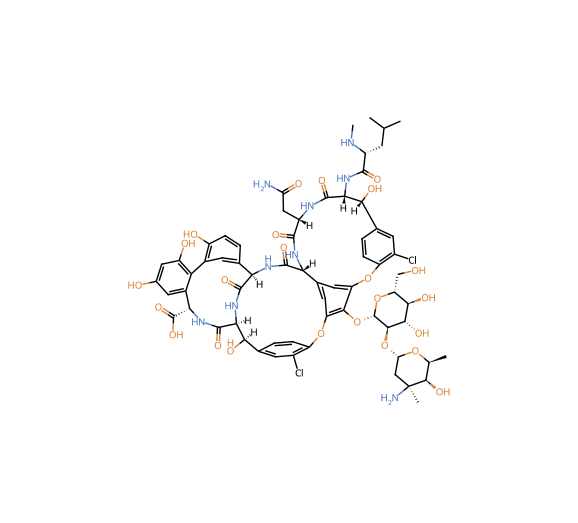
cSSSI: 4 mg/kg IV QD for 7-14 days. S. aureus bacteremia/right-sided IE: 6 mg/kg IV QD. Pediatric (1-17 y): age-dependent (10 mg/kg for 1 to less than 2 y; 9 mg/kg for 2-6 y; 7 mg/kg for 7-11 y; 5 mg/kg for 12-17 y for cSSSI; higher for bacteremia). Administer IV over 30 min (adults) or 30-60 min (pediatric). No dose adjustment needed for mild-moderate hepatic impairment.
Higher doses (8-12 mg/kg) studied in some settings (e.g., IE, VRE) but not FDA-approved; associated with increased CPK elevation risk.
What is not established
Pneumonia (not indicated — inactivated by surfactant).
Left-sided infective endocarditis (not indicated; poor outcomes in trial).
Prosthetic valve endocarditis (not studied).
Pediatric patients less than 1 year: not recommended based on animal toxicity studies; risks of muscular, neuromuscular, and nervous system effects outweigh potential benefit.
IV dosing (normal renal function): Adults — 2 g/day divided as 500 mg q6h or 1 g q12h. Pediatric (1 mo+): 10 mg/kg q6h. Neonates: 15 mg/kg initially, then 10 mg/kg q12h (first week of life) or q8h (thereafter). Infuse over ≥60 min. Oral (C. difficile): 125 mg PO QID × 10 d. Staphylococcal enterocolitis: 500 mg to 2 g/day PO in 3-4 divided doses × 7-10 d. Dose in renal impairment: reduce based on renal function; TDM strongly recommended.
What is not established
Optimal dosing strategy (trough-based historically; evolving to AUC24/MIC 400-600).
Vancomycin as monotherapy for enterococcal endocarditis (requires aminoglycoside combination per label).
Adults (two-dose): 1,000 mg IV followed 1 wk later by 500 mg IV. Single-dose: 1,500 mg IV ×1. Pediatric (3 mo to <18 y): weight-based. Infuse over 30 min. Renal impairment (CrCl <30 mL/min): two-dose regimen — 750 mg/375 mg; single dose — 1,125 mg.
What is not established
Use beyond ABSSSI (e.g., osteomyelitis, endocarditis — off-label studied but not approved).
Orbactiv: 1,200 mg IV single dose over 3 h. Kimyrsa: 1,200 mg IV single dose over 1 h. No dose adjustment needed for mild or moderate renal or hepatic impairment (severe impairment not evaluated).
What is not established
Repeated dosing for complicated infections (studied but not FDA-approved).
Pediatric use (not approved).
Osteomyelitis, endocarditis, or prosthetic joint infections (off-label only).
CMS IV (Coly-Mycin M Parenteral): 2.5-5 mg/kg/day colistin base activity divided q8-12h. The vial is labeled as 150 mg colistin base activity (CBA) per vial.
Critical dosing safety note: In the US, CMS vials are labeled as "150 mg colistin base activity." In Europe (Colomycin), vials are labeled in International Units (1 MU = 80 mg CMS = 30 mg CBA). This difference has caused fatal medication errors.
A loading dose of 300 mg CBA (approximately 9 MU), followed by maintenance dosing, is recommended in international consensus guidelines (Tsuji et al. 2019, endorsed by IDSA/SCCM/ACCP/SIDP) to achieve therapeutic colistin concentrations more rapidly in critically ill patients. This is a consensus recommendation, not a labeled regimen.
What is not established
Optimal dosing for critically ill patients (loading dose is guideline-based, not prospectively validated in an RCT vs no-loading approach).
Inhaled colistin (used as adjunctive therapy for VAP or for cystic fibrosis, but not FDA-labeled for these indications).
Monotherapy for bloodstream infections (combination therapy generally recommended).
IV: Adults and children: 15,000–25,000 U/kg/day divided q12h. Maximum 25,000 U/kg/day. Note: 1 mg polymyxin B base = 10,000 U.
Intrathecal (P. aeruginosa meningitis): Adults and children >2 y: 50,000 U once daily × 3-4 days, then every other day. Continue for ≥2 weeks after CSF culture-negative. Children <2 y: 20,000 U daily ≤3-4 days.
Ophthalmic (Rx): Apply ½-inch ribbon into conjunctival sac 1-3 times daily. In blepharitis, spread uniformly over lid margins after removing scales/crusts.
Topical (OTC): Apply to minor cuts, scrapes, burns 1-3 times daily; may be covered with sterile bandage.
What is not established
Systemic use (parenteral product withdrawn — do not use IV/IM).
Deep-seated ocular infections (not indicated).
Efficacy as a single agent for wound care (usually combined with neomycin and polymyxin B in triple-antibiotic ointment).
Use in MRSA wound colonization (mupirocin is the evidence-based agent).
The only published human PK data are for the prodrug fosgonimeton (SC 2–90 mg). No human data exist for Dihexa itself. Rodent studies used approximately 2 mg/kg oral.
What is not established
Any safe or effective human dose
Human pharmacokinetics (half-life, bioavailability, distribution, clearance)
Rodent studies used approximately 60 nmol/g in diet (oral). Vendor-advertised human regimens are not clinical evidence and are intentionally not reproduced here; there are no human pharmacokinetic or dose-ranging data.
What is not established
Any safe or effective human dose
Human pharmacokinetics
Bioavailability by any route
Correlation between rodent diet concentration and human-equivalent dosing
No single labeled regimen is summarized here because current labels and authorized indications vary by product and national regulator, and an exact current primary label was not established for every market discussed. Consult the applicable national product information; one country's label must not be transferred to another jurisdiction or indication.
The studies listed above used protocol-specific parenteral exposures under research oversight. Their dose, duration, and number of courses varied and do not establish a generally applicable regimen.
No established or recommended human dose.
What is not established
Optimal dose, duration, or interval for any indication
Comparative effectiveness against specific active therapies
Benefit in mild cognitive impairment or prevention
Central DI (DDAVP tablets, US): Start 0.05 mg twice daily. The label says most clinical-trial patients had an optimal total daily dose of 0.1–0.8 mg and permits individualized adjustment within 0.1–1.2 mg/day, divided into two or three doses.
Central DI (intranasal): 5–40 mcg/day in 1–3 divided doses
Central DI (injectable): 2–4 mcg SC/IV/IM
PNE (oral): 0.2–0.4 mg at bedtime, fluid restriction
Nocturia (sublingual Nocdurna): Women — 25 mcg at bedtime; Men — 50 mcg at bedtime (sex-specific dosing per FDA label)
Haemophilia A/vWD (Stimate intranasal spray): 150 mcg (one spray) per nostril; 300 mcg total dose (two sprays)
Haemophilia A/vWD (DDAVP injection): 0.3 mcg/kg IV in 50 mL NS over 15–30 min
Stimate is a high-concentration intranasal spray; DDAVP injection is a separate product with a different formulation, route, and dose. These are NOT interchangeable.
Intrathecal only via micro-infusion device (SynchroMed II or equivalent)
Start: No more than 2.4 mcg/day (0.1 mcg/hour)
Titrate: Increase by up to 2.4 mcg/day at intervals no more frequently than 2–3 times per week
Maximum: 19.2 mcg/day (0.8 mcg/hour) by Day 21
Device: Use with the Medtronic SynchroMed II or III infusion system per manufacturer's manual for programming, reservoir rinse, initial fill, and refill procedures
Initial fill with naïve pump: Use undiluted 25 mcg/mL; refill within 14 days
Subsequent refills (undiluted): at least every 84 days; (diluted): at least every 40 days
Pivotal fast-titration (Staats 2004): 0.2–7.2 mcg/day with high AE rates
Wallace 2006 slow titration: 0.1–0.9 mcg/day starting dose, showed improved tolerability — this is a consensus clinical approach, NOT the FDA label starting dose
What is not established
Safety or efficacy by any non-IT route (IV, epidural, intranasal, subcutaneous)
Paediatric safety and efficacy
Long-term safety beyond 12 months in controlled studies
Combination with IT opioids (limited data; possible synergy with morphine but must use separate pumps)
Early clinical studies used subcutaneous doses of 0.025-0.1 mg/kg daily for up to 14 days. These are research exposures and do not constitute established dosing. See the dose language methodology for the distinction between studied and approved regimens.
What is not established
No established or recommended human dose. The doses promoted by online vendors are not based on adequate evidence of safety or efficacy.
Current US regimen (single-use vial): Cetrotide 0.25 mg SC once daily starting on stimulation day 5 or 6 (flexible), continuing daily until hCG administration.
Historical single-dose regimen: Cetrotide 3 mg SC once (previously used as a single-day alternative; no longer the current US standard). If hCG not given within 4 days, 0.25 mg daily from 96 h post-3 mg injection.
Route: Subcutaneous in lower abdominal area.
May be self-administered after training.
What is not established
No established or recommended human dose for any indication other than inhibition of premature LH surges in COS.
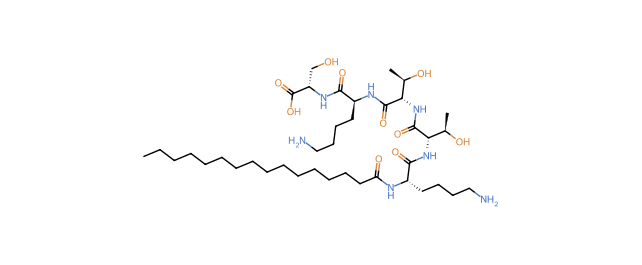
Cosmetic formulations typically incorporate the ingredient at 2–5% of a peptide solution (containing low-ppm active peptide). Application is once or twice daily to clean facial skin.
Cosmetic use concentrations at ppm-range levels in finished leave-on products (the CIR safety assessment concentration survey did not report a specific maximum concentration for palmitoyl tetrapeptide-7 as an isolated ingredient).
What is not established
No established or recommended human dose. Formulation-dependent penetration and efficacy.
One manufacturer-sponsored study described a formulation containing 10% Eyeseryl solution applied periorbitally twice daily for 60 days. This is a descriptive study exposure, not a recommended regimen, and the study did not independently establish the concentration of active acetyl tetrapeptide-5.
Copaxone label (FDA). The label summary below is product-, indication-, and jurisdiction-specific; consult the full current label and a licensed clinician/pharmacist.
20 mg/mL: administer once daily subcutaneously via single-dose prefilled syringe.
40 mg/mL: administer three times per week (at least 48 hours apart) subcutaneously via single-dose prefilled syringe.
Both strengths are supplied as ready-to-use single-dose prefilled syringes; the lyophilized formulation was discontinued.
Only for subcutaneous use; not for intravenous or intramuscular administration.
The label summary below is product-, indication-, and jurisdiction-specific; consult the full current label and a licensed clinician/pharmacist. Sandimmune and Neoral are not bioequivalent and cannot be interchanged without physician supervision and monitoring.
Sandimmune (non-modified cyclosporine): Kidney transplant — 15 ± 5 mg/kg/day divided BID; Liver transplant — 15 ± 8.5 mg/kg/day divided BID. Significantly lower and more variable bioavailability than Neoral.
Restasis (ophthalmic emulsion 0.05%): 1 drop BID in each eye, 12 hours apart. Vevye (cyclosporine ophthalmic solution 0.1%): 1 drop BID in each eye.
Therapeutic drug monitoring by trough whole-blood concentration is mandatory for oral formulations; target range varies by indication, transplant type, and time post-transplant.
Investigational use for cachexia has been studied (phase 2); no approved therapeutic indication.
What is not established
The label establishes a single diagnostic exposure, not a treatment regimen. No therapeutic regimen is established or recommended for cachexia or GH-deficiency treatment.