Bottom line
Degarelix (Firmagon) is a synthetic linear decapeptide GnRH receptor antagonist approved for treatment of advanced prostate cancer. Unlike GnRH agonists, degarelix does not cause an initial testosterone surge (tumour flare) — testosterone suppression is rapid, with 96% of patients reaching castrate levels within 3 days. It is administered as a Administered into the tissue layer under the skin. 定義の出典: Neutral gloss; usage context: Routes, devices, and absorption primer · 用語集 injection with a starting dose of 240 mg (two 120 mg injections) followed by 80 mg monthly maintenance. EU label also includes neo-adjuvant use with radiotherapy for high-risk localised prostate cancer.
Identity and composition
| Field | Verified information |
|---|---|
| Preferred name | Degarelix |
| Key aliases | Firmagon; FE200486 |
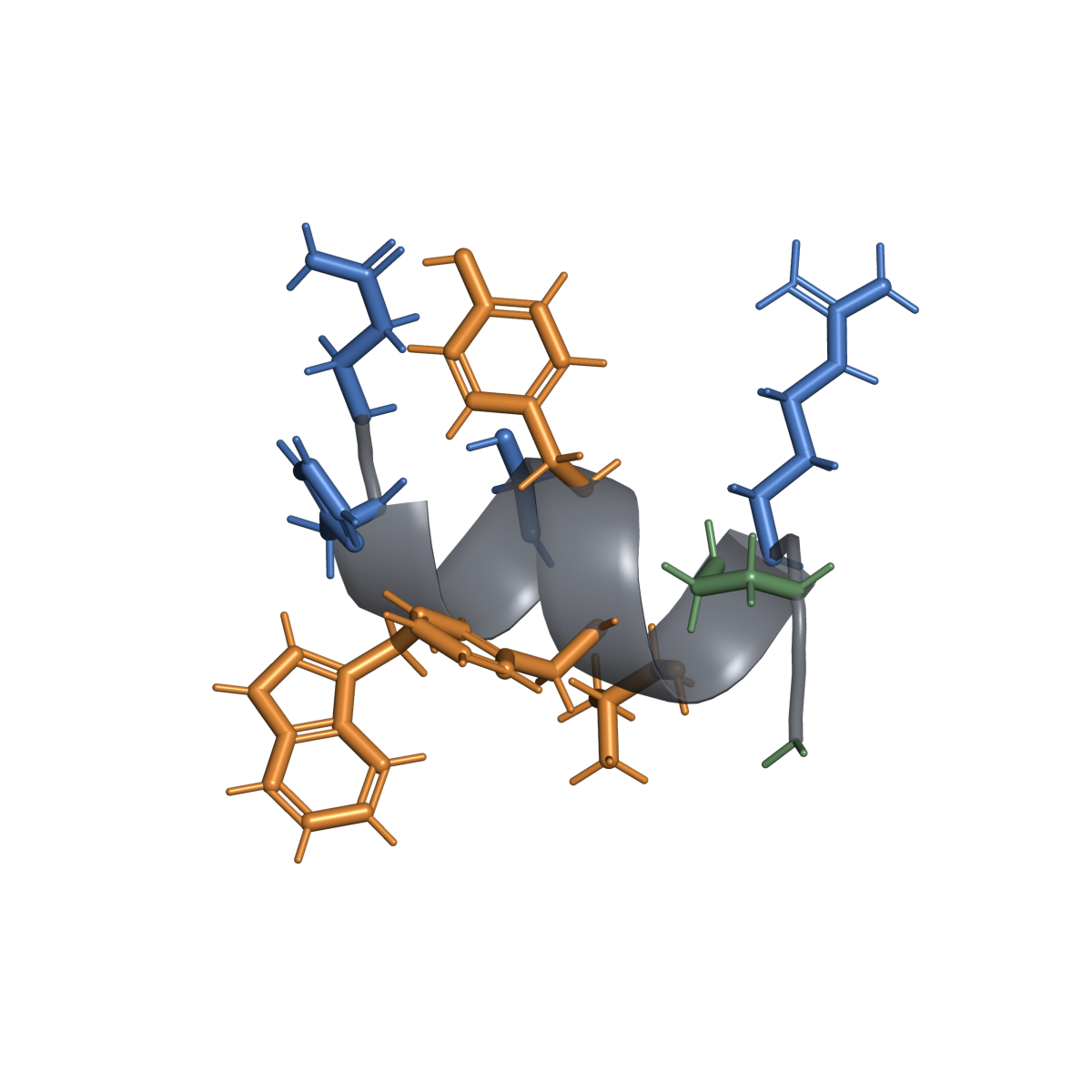
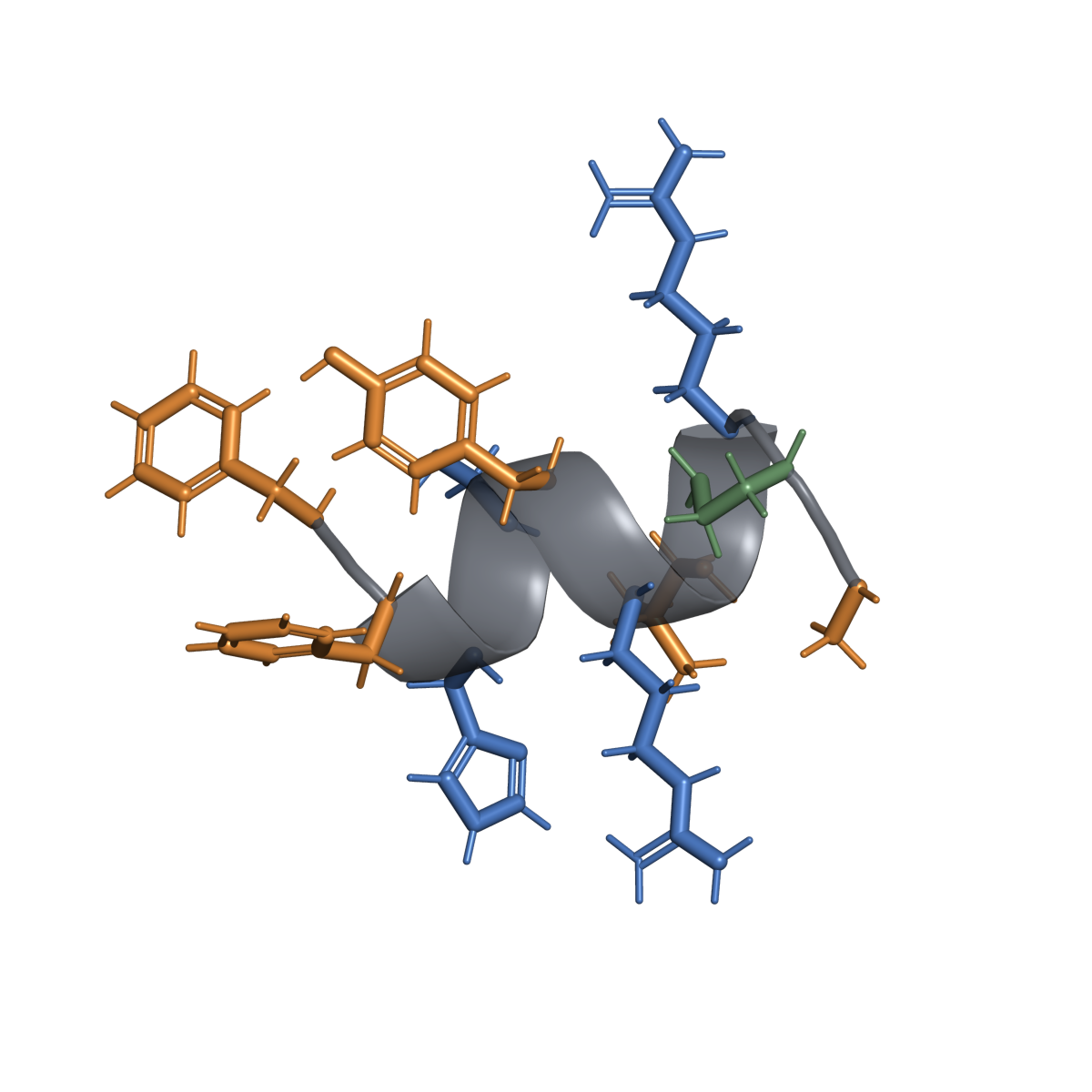
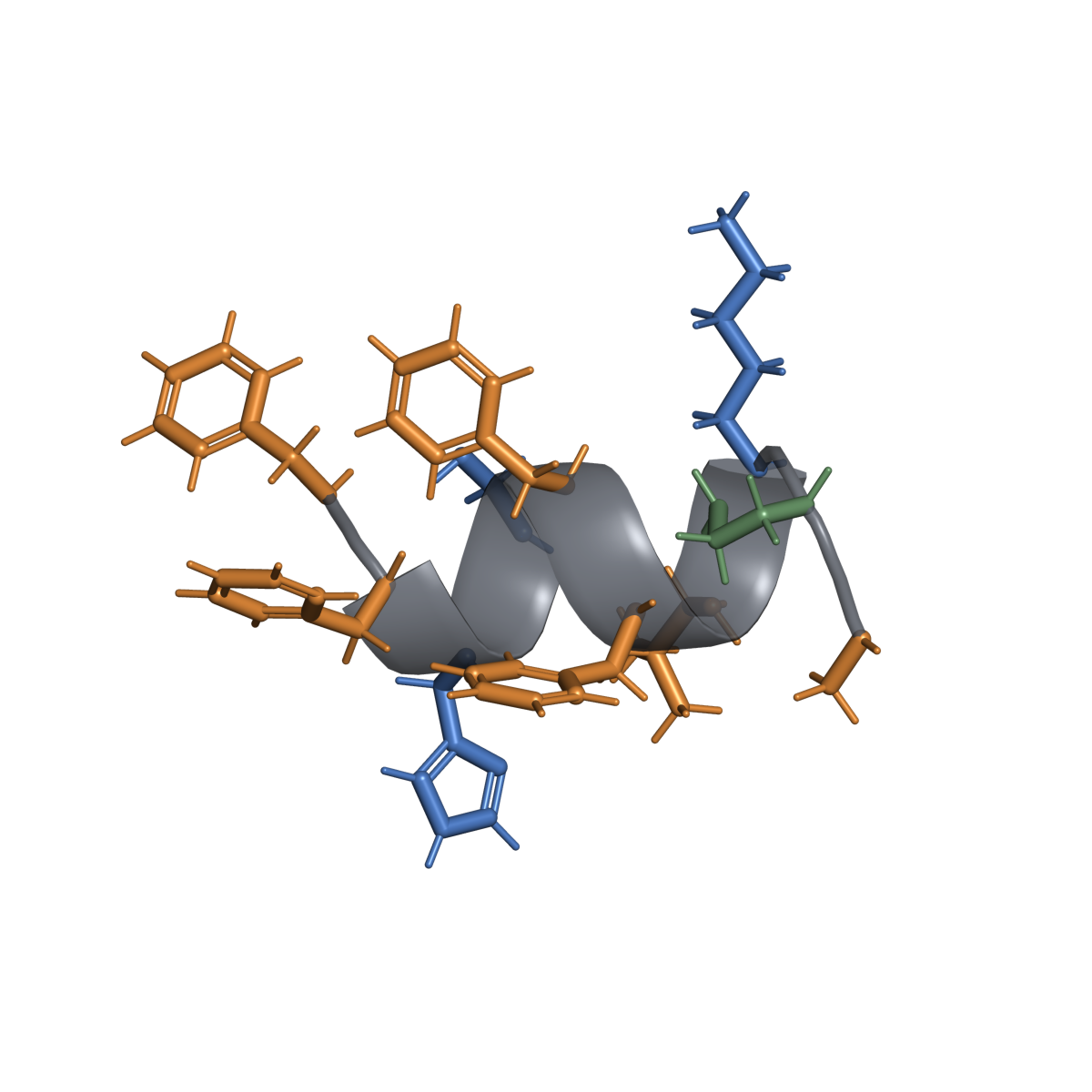
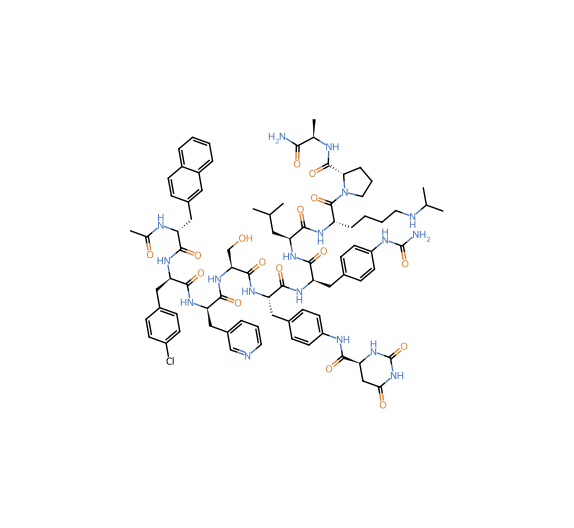
| Molecular/sequence identity | Ac-D-2Nal-D-4Cpa-D-3Pal-Ser-4Aph(Hor)-D-4Aph(Cbm)-Leu-Lys(iPr)-Pro-D-Ala-NH2 (decapeptide) |
| Modifications/form | Seven synthetic amino acids; D-amino acids at positions 1,2,3,6,10; acetate salt; Freeze-drying: water is removed by sublimation under reduced pressure, which can improve the stability of peptides and yield a porous dry matrix. Water removal does not sterilize a product, prove its quality, or define how it should later be handled. 定義の出典: Lyophilization, formulation, and stability primer · 用語集 powder |
| Stable identifiers | The record number of a compound in PubChem, the atlas's primary structure-asset source. A registry record or depiction does not authenticate a commercial sample. 定義の出典: Identity and structure assets methodology · 用語集 16136245; UNII SX0J4N42QR |
| Identity caveats | Not a GnRH agonist; distinct mechanism (receptor antagonist). Do not confuse with GnRH agonists (leuprolide, goserelin) |
Development and approval status
| Jurisdiction | Status and indication | Product/source | As of |
|---|---|---|---|
| US (FDA) | Approved: advanced prostate cancer | Firmagon (Ferring) NDA 022201 | 2008; label updated 02/2020 |
| EU (EMA) | Approved: advanced prostate cancer; high-risk localised prostate cancer (with RT) | Firmagon (Ferring) | 2009; renewed |
- UNITED STATES
- US (FDA): Approved: advanced prostate cancer
- EU/EEA
- EU (EMA): Approved: advanced prostate cancer; high-risk localised prostate cancer (with RT)
- UNITED KINGDOM
- No UNITED KINGDOM row is present in the source status table
- OTHER DOCUMENTED
- No OTHER DOCUMENTED row is present in the source status table
Sport status: WADA: Degarelix was not identified by exact name in the 2026 Prohibited List. S2.2.1 names GnRH and its agonist analogues in males; degarelix is a GnRH antagonist and suppresses LH/testosterone. This review therefore does not classify it as covered by that agonist wording, but athletes should seek a current case-specific determination. The separate 2026 Monitoring Program uses the broad phrase “GnRH analogues in female athletes under 18”; this page does not infer that the phrase includes this antagonist. Monitoring is not prohibition.
Mechanism and pharmacology
GnRH receptor antagonist. Competitively and reversibly blocks pituitary GnRH receptors, rapidly reducing LH and FSH release → rapid testosterone suppression without the initial surge (flare) seen with GnRH agonists. 96% of patients achieve castrate levels (≤0.5 ng/mL) by Day 3. Administered into the tissue layer under the skin. 定義の出典: Neutral gloss; usage context: Routes, devices, and absorption primer · 用語集 injection forms a depot gel for sustained release over 1 month.
Evidence by claim
| Claim/indication | Stage | Grade | Best human evidence | Main result | Important limitations |
|---|---|---|---|---|---|
| Advanced prostate cancer | Approved (FDA, EMA) | A | Phase 3 A study in which participants are assigned to the study material or a comparator by chance. 定義の出典: Neutral gloss; usage context: Evidence grading methodology · 用語集 vs leuprolide (n=610) | Non-inferior testosterone suppression; faster initial suppression; no flare; PSA progression-free survival similar | No overall survival difference shown; more injection site reactions vs leuprolide |
| High-risk localised prostate cancer (with RT) | Approved (EMA) | A | Phase 3 data (combination with RT) | Testosterone suppression maintained during RT | Not FDA-approved for this indication |
- AグレードA: 特定の表示使用に対して確立
- BグレードB: 中等度のヒトエビデンス
- CグレードC: 予備的ヒトエビデンス
- DグレードD: 前臨床のみ
- EグレードE: 逸話的/マーケティング主張
- XグレードX: エビデンスが主張と矛盾するか、支持しない
Text alternative for the claim-evidence diagram. Each grade is defined below:
- A — Established for a specific labeled use
- 2 claims: Advanced prostate cancer; High-risk localised prostate cancer (with RT)
- B — Moderate human evidence
- 0 claims
- C — Preliminary human evidence
- 0 claims
- D — Preclinical only
- 0 claims
- E — Anecdotal/marketing claim
- 0 claims
- X — Evidence contradicts or does not support the claim
- 0 claims
Key studies
| Study | Design/population | Exposure studied | Endpoints and result | Limitations |
|---|---|---|---|---|
| Phase 3 (CS21) | A study in which participants are assigned to the study material or a comparator by chance. 定義の出典: Neutral gloss; usage context: Evidence grading methodology · 用語集; n=610 advanced PCa | Degarelix 240/80 mg Administered into the tissue layer under the skin. 定義の出典: Neutral gloss; usage context: Routes, devices, and absorption primer · 用語集 vs degarelix 240/160 mg SC vs leuprolide 7.5 mg Administered into a muscle. 定義の出典: Neutral gloss; usage context: Routes, devices, and absorption primer · 用語集 q28d | Testosterone suppression ≤0.5 ng/mL: degarelix 97-98% vs leuprolide 96% at Day 28; no testosterone surge with degarelix; faster suppression (Day 3: 96% vs 0%) | Non-inferiority; no OS difference; higher injection site reactions with degarelix |
Dose and administration evidence
Approved labeled regimen
The label summary below is product-, indication-, and jurisdiction-specific; consult the full current label and a licensed clinician/pharmacist.
Starting dose: 240 mg Administered into the tissue layer under the skin. 定義の出典: Neutral gloss; usage context: Routes, devices, and absorption primer · 用語集 (two 120 mg injections, 40 mg/mL each)
Maintenance dose: 80 mg SC (single injection, 20 mg/mL) every 28 days, starting 28 days after starting dose
Route: Subcutaneous only (abdominal region); avoid areas under waistband or ribs
Must be administered by a healthcare professional
EU also approves use as neo-adjuvant/adjuvant with radiotherapy
What is not established
No established or recommended human dose for any unapproved indication.
Safety
Established label risks
Injection site reactions (very common, ~40%: pain, erythema, swelling, nodule).
Hot flashes (~25%).
Weight increase, fatigue, back pain.
Increased hepatic enzymes (transient; monitor LFTs).
QT interval prolongation (androgen deprivation effect).
Hypersensitivity / anaphylaxis — rare but label warning.
No tumour flare (key advantage vs GnRH agonists).
Unknowns and product-quality risks
Long-term (>1 year) safety data less extensive than GnRH agonists.
No oral formulation; injection-only.
Interactions and special populations
Hepatic impairment: Severe hepatic dysfunction is unstudied; use with caution. The sole FDA contraindication is serious hypersensitivity.
Renal impairment: No dose adjustment needed.
Pregnancy: Category X; not indicated in women.
QT-prolonging drugs: Use with caution.
Regulatory, compounding, and sport notes
US FDA: Prescription only; single-dose vials.
EU: Indication includes neo-adjuvant with RT.
The World Anti-Doping Agency; its Prohibited List classifies many peptides as prohibited substances in sport. 定義の出典: WADA and sport regulation brief · 用語集: Degarelix was not identified by exact name in the 2026 Prohibited List. S2.2.1 names GnRH and its agonist analogues in males; degarelix is a GnRH antagonist and suppresses LH/testosterone. This review therefore does not classify it as covered by that agonist wording, but athletes should seek a current case-specific determination. The separate 2026 Monitoring Program uses the broad phrase “GnRH analogues in female athletes under 18”; this page does not infer that the phrase includes this antagonist. Monitoring is not prohibition.
Compounding: No broad availability or legality conclusion is made; compounding rules are product-, jurisdiction-, and fact-specific.
Evidence gaps
Head-to-head overall survival data vs GnRH agonists.
Optimal sequencing after progression on GnRH agonists.
Long-term injection site outcome data.
Data in non-metastatic hormone-sensitive prostate cancer subsets.
Search notes
Databases and registries: DailyMed, Drugs@FDA, EMA, PubMed, ClinicalTrials.gov
Search terms: degarelix, Firmagon, GnRH antagonist, prostate cancer
Last searched: 2026-08-06
Inclusion emphasis: FDA label, EMA SmPC, phase 3 A study in which participants are assigned to the study material or a comparator by chance. 定義の出典: Neutral gloss; usage context: Evidence grading methodology · 用語集
Sources
Firmagon Prescribing Information (Ferring, revised 02/2020). https://www.accessdata.fda.gov/drugsatfda_docs/label/2020/022201s016lbl.pdf
DailyMed – FIRMAGON. https://dailymed.nlm.nih.gov/dailymed/lookup.cfm?setid=ab11dd8a-0fd9-4013-89ab-e114557c7e4b
EMA EPAR – Firmagon. https://www.ema.europa.eu/en/documents/product-information/firmagon-epar-product-information_en.pdf
Medscape – Degarelix (Firmagon). https://reference.medscape.com/drug/firmagon-degarelix-999105
Klotz L, et al. Degarelix vs leuprolide in advanced prostate cancer. BJU Int. 2008;102(11):1531-8. PMID 19035858.
PubChem CID 122099 (degarelix).
WADA. 2026 Prohibited List. https://www.wada-ama.org/en/resources/world-anti-doping-program/prohibited-list