Bottom line
Cosyntropin is a synthetic fragment of An entry with substantial scientific visibility or identity value. Biological rationale and non-human evidence do not establish patient benefit. 定義の出典: Scope and selection methodology · 用語集 adrenocorticotropic hormone (ACTH 1-24) used as the reference standard diagnostic agent for the short ACTH stimulation test in suspected adrenal insufficiency. FDA approved as Cortrosyn (diagnostic use only). In some jurisdictions, Synacthen has limited therapeutic uses. It is the most widely accepted screening test for adrenal insufficiency.
Identity and composition
| Field | Verified information |
|---|---|
| Preferred name | Cosyntropin |
| Key aliases | Cortrosyn (US), Synacthen (EU), tetracosactide, ACTH(1-24) |
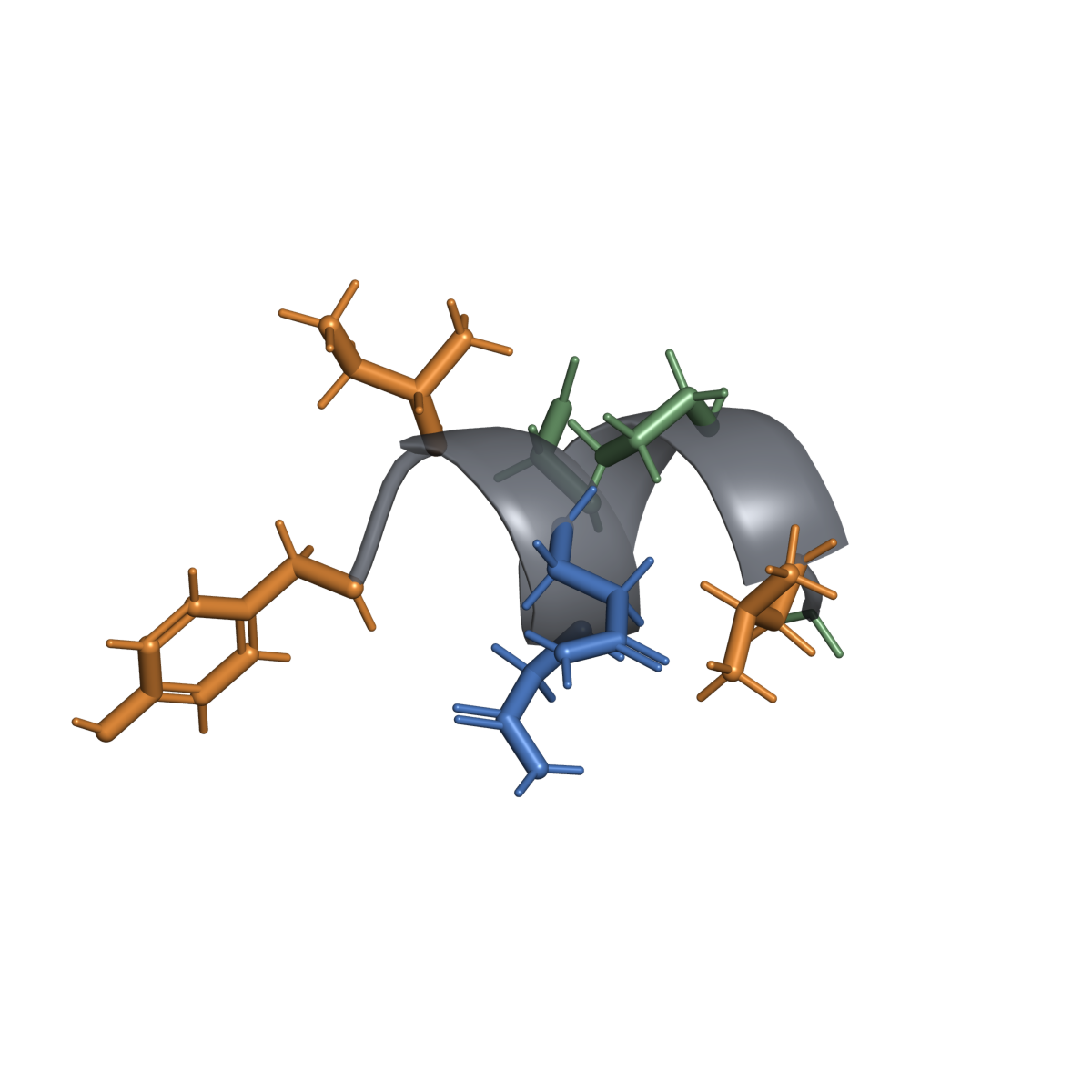
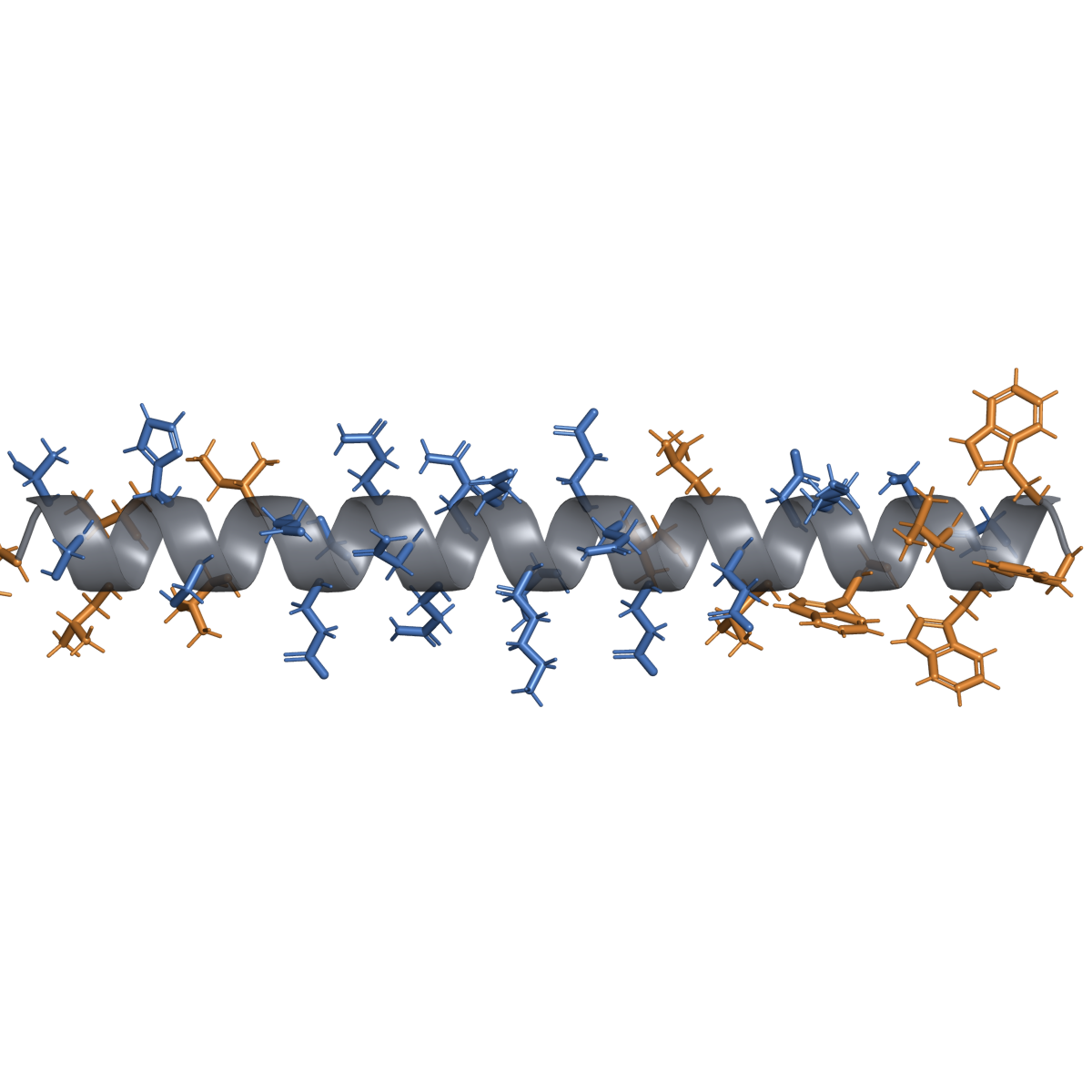
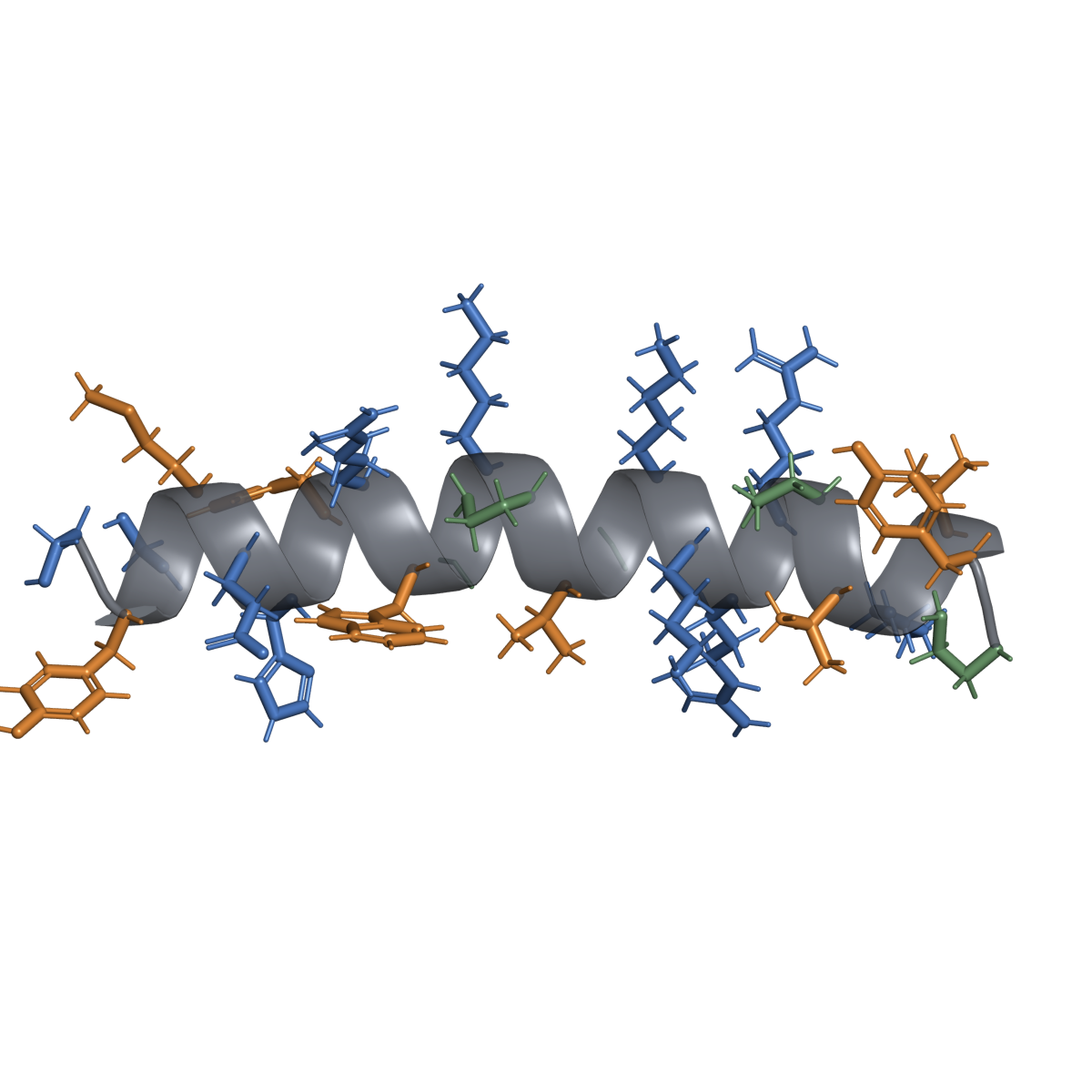
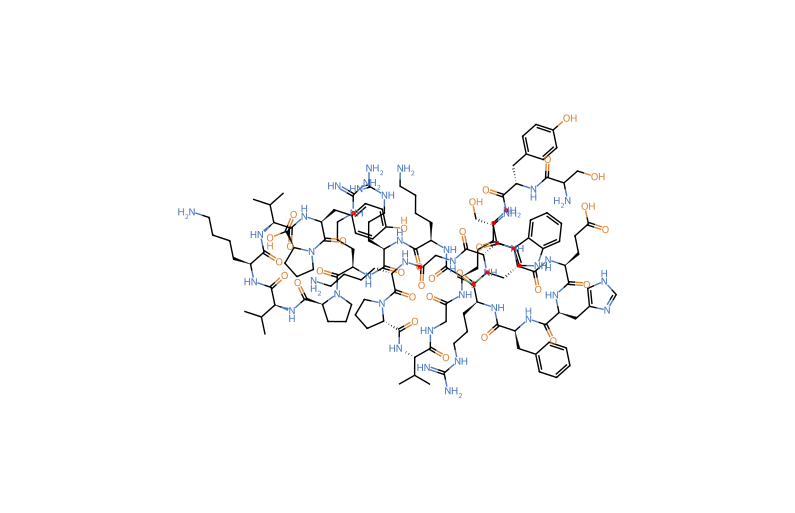
| Molecular/sequence identity | Ser-Tyr-Ser-Met-Glu-His-Phe-Arg-Trp-Gly-Lys-Pro-Val-Gly-Lys-Lys-Arg-Arg-Pro-Val-Lys-Val-Tyr-Pro (24 aa, N-terminal 24 residues of human ACTH) |
| Modifications/form | Acetate salt; Administered into a vein. 定義の出典: Neutral gloss; usage context: Routes, devices, and absorption primer · 用語集/Administered into a muscle. 定義の出典: Neutral gloss; usage context: Routes, devices, and absorption primer · 用語集 injection (Freeze-drying: water is removed by sublimation under reduced pressure, which can improve the stability of peptides and yield a porous dry matrix. Water removal does not sterilize a product, prove its quality, or define how it should later be handled. 定義の出典: Lyophilization, formulation, and stability primer · 用語集 powder, The product-specific pharmaceutical process by which a lyophilized (freeze-dried) solid returns to a liquid dispersion. It is not evidence that the resulting material is suitable for administration. 定義の出典: What reconstitution means primer · 用語集) |
| Stable identifiers | UNII: 1693D3V8P0; The record number of a compound in PubChem, the atlas's primary structure-asset source. A registry record or depiction does not authenticate a commercial sample. 定義の出典: Identity and structure assets methodology · 用語集: 16129617; CAS: 16960-16-0 (base); DrugBank: DB01284 |
| Identity caveats | Synthetic fragment, not the full 39-aa An entry with substantial scientific visibility or identity value. Biological rationale and non-human evidence do not establish patient benefit. 定義の出典: Scope and selection methodology · 用語集 ACTH. Inactive for melanocyte-stimulating effects (missing C-terminal 15 aa). |
Development and approval status
| Jurisdiction | Status and indication | Product/source | As of |
|---|---|---|---|
| US (FDA) | Approved: diagnostic test for adrenocortical insufficiency | Cortrosyn (Amphastar) | 1970s; NDA 017975 |
| EU/EEA (EMA) | Approved: diagnostic test; limited therapeutic use in infantile spasms (some countries) | Synacthen (Novartis/Mallinckrodt) | 1970s |
| UK (MHRA) | Approved: diagnostic test; therapeutic for infantile spasms (off-label in some settings) | Synacthen | — |
- UNITED STATES
- US (FDA): Approved: diagnostic test for adrenocortical insufficiency
- EU/EEA
- EU/EEA (EMA): Approved: diagnostic test; limited therapeutic use in infantile spasms (some countries)
- UNITED KINGDOM
- UK (MHRA): Approved: diagnostic test; therapeutic for infantile spasms (off-label in some settings)
- OTHER DOCUMENTED
- No OTHER DOCUMENTED row is present in the source status table
Sport status: WADA: prohibited at all times under S2.2.2; tetracosactide (cosyntropin/ACTH 1-24) is explicitly named. A TUE is an individual authorization and cannot be assumed from diagnostic use. Glucocorticoids are regulated separately under S9.
Mechanism and pharmacology
ACTH receptor (MC2R) agonist. Binds to MC2R on the adrenal cortex, stimulating cortisol, aldosterone, and adrenal androgen synthesis and release. In the standard short synacthen test (SST), cosyntropin 250 mcg Administered into a vein. 定義の出典: Neutral gloss; usage context: Routes, devices, and absorption primer · 用語集/Administered into a muscle. 定義の出典: Neutral gloss; usage context: Routes, devices, and absorption primer · 用語集 produces maximal adrenal stimulation, with serum cortisol measured at 0 and 30–60 minutes.
Evidence by claim
| Claim/indication | Stage | Grade | Best human evidence | Main result | Important limitations |
|---|---|---|---|---|---|
| Diagnostic test for adrenal insufficiency (SST) | Approved | A | Multiple prospective cohort validation studies; reference standard | 250 mcg cosyntropin is the reference standard for diagnosing adrenal insufficiency | 30-min cortisol threshold varies (500–600 nmol/L); not validated in all critically ill populations |
- AグレードA: 特定の表示使用に対して確立
- BグレードB: 中等度のヒトエビデンス
- CグレードC: 予備的ヒトエビデンス
- DグレードD: 前臨床のみ
- EグレードE: 逸話的/マーケティング主張
- XグレードX: エビデンスが主張と矛盾するか、支持しない
Text alternative for the claim-evidence diagram. Each grade is defined below:
- A — Established for a specific labeled use
- 1 claim: Diagnostic test for adrenal insufficiency (SST)
- B — Moderate human evidence
- 0 claims
- C — Preliminary human evidence
- 0 claims
- D — Preclinical only
- 0 claims
- E — Anecdotal/marketing claim
- 0 claims
- X — Evidence contradicts or does not support the claim
- 0 claims
Key studies
| Study | Design/population | Exposure studied | Endpoints and result | Limitations |
|---|---|---|---|---|
| SST validation (multiple cohorts) | Prospective diagnostic accuracy studies, healthy controls and adrenal insufficiency patients | Cosyntropin 250 mcg Administered into a vein. 定義の出典: Neutral gloss; usage context: Routes, devices, and absorption primer · 用語集/Administered into a muscle. 定義の出典: Neutral gloss; usage context: Routes, devices, and absorption primer · 用語集 | Cortisol peak >500–600 nmol/L at 30/60 min distinguishes normal vs impaired adrenal function | Thresholds differ by assay; less reliable in critical illness |
Dose and administration evidence
Approved labeled regimen
The label summary below is product-, indication-, and jurisdiction-specific; consult the full current label and a licensed clinician/pharmacist.
Diagnostic use (US label): 0.25 mg (250 mcg) Administered into a vein. 定義の出典: Neutral gloss; usage context: Routes, devices, and absorption primer · 用語集 or Administered into a muscle. 定義の出典: Neutral gloss; usage context: Routes, devices, and absorption primer · 用語集, with cortisol sampling according to the labeled diagnostic protocol. Cortrosyn is supplied as a Freeze-drying: water is removed by sublimation under reduced pressure, which can improve the stability of peptides and yield a porous dry matrix. Water removal does not sterilize a product, prove its quality, or define how it should later be handled. 定義の出典: Lyophilization, formulation, and stability primer · 用語集 prescription product; preparation must follow the exact current product label and the testing institution's protocol.
Studied regimens (not recommendations)
Low-dose SST: 1 mcg IV (proposed for mild secondary insufficiency; not standard).
Depot Synacthen (EU): 0.5–1 mg IM, used in some longer stimulation protocols.
What is not established
No established or recommended human dose for therapeutic uses (unless specifically indicated for infantile spasms under local protocols).
Safety
Established label risks
Hypersensitivity: Rare anaphylaxis; contraindicated in known allergy to cosyntropin or ACTH.
Electrolyte: Transient fluid/electrolyte changes with high/ repeated doses (rare in diagnostic use).
Injection site: Pain, erythema.
Human-study signals
Diagnostic single dose very well tolerated; minimal AEs in large series.
Unknowns and product-quality risks
Research-grade synthetic ACTH(1-24) vials not equivalent to pharmaceutical cosyntropin.
No known risks from single diagnostic dose.
Interactions and special populations
Corticosteroid use may suppress response (false positive).
Estrogens may increase cortisol-binding globulin (elevated baseline).
Pregnancy: diagnostic use with caution.
Regulatory, compounding, and sport notes
The World Anti-Doping Agency; its Prohibited List classifies many peptides as prohibited substances in sport. 定義の出典: WADA and sport regulation brief · 用語集: prohibited at all times under S2.2.2; tetracosactide (cosyntropin/ACTH 1-24) is explicitly named. A A Therapeutic Use Exemption can authorize qualifying use of a prohibited substance; it does not change the prohibited classification. 定義の出典: WADA and sport regulation brief · 用語集 is an individual authorization and cannot be assumed from diagnostic use. Glucocorticoids are regulated separately under S9.
Not scheduled under US CSA.
Evidence gaps
Optimal cortisol threshold by modern immunoassay and mass spectrometry.
Validation of SST in specific populations (obesity, cirrhosis, critical illness).
Low-dose (1 mcg) SST remains controversial without consensus cutoff.
Search notes
Databases and registries: DailyMed, PubMed, FDA
Search terms: cosyntropin, Cortrosyn, Synacthen, tetracosactide, short synacthen test, adrenal insufficiency
Last searched: 2026-08-06
Inclusion emphasis: Regulatory labels, diagnostic accuracy studies, clinical guidelines
Sources
Cortrosyn (cosyntropin) prescribing information. DailyMed. https://dailymed.nlm.nih.gov/dailymed/drugInfo.cfm?setid=746856e9-3930-4f6a-b8e6-a03845d6dd0b
PubChem. Cosyntropin. https://pubchem.ncbi.nlm.nih.gov/compound/16129617
DrugBank. Cosyntropin. https://go.drugbank.com/drugs/DB01284
Dickstein G, et al. Low-dose and standard-dose cosyntropin test. J Clin Endocrinol Metab. 1997;82(9):3108–13. PMID: 9284753.
WADA. 2026 Prohibited List. https://www.wada-ama.org/en/resources/world-anti-doping-program/prohibited-list