Bottom line
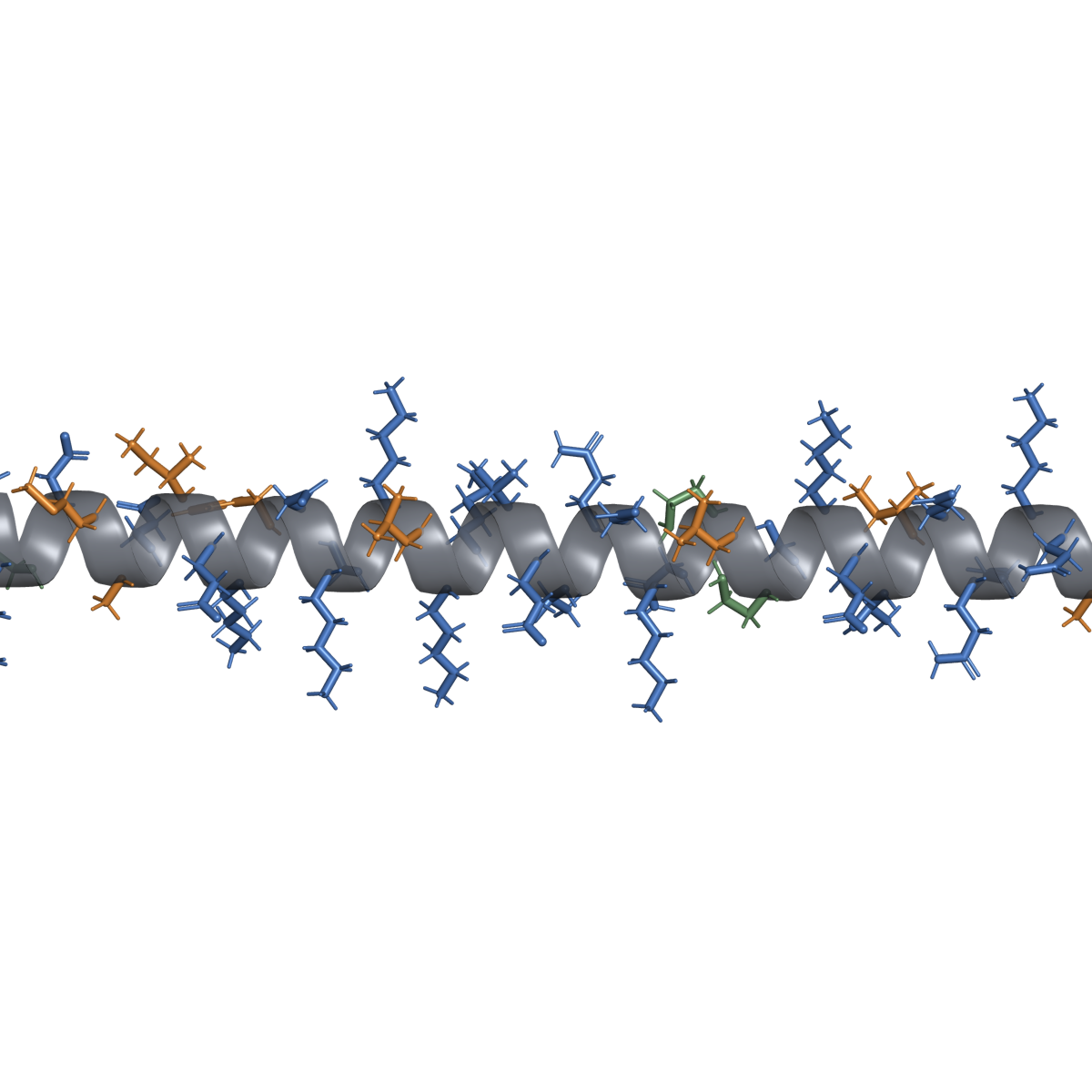
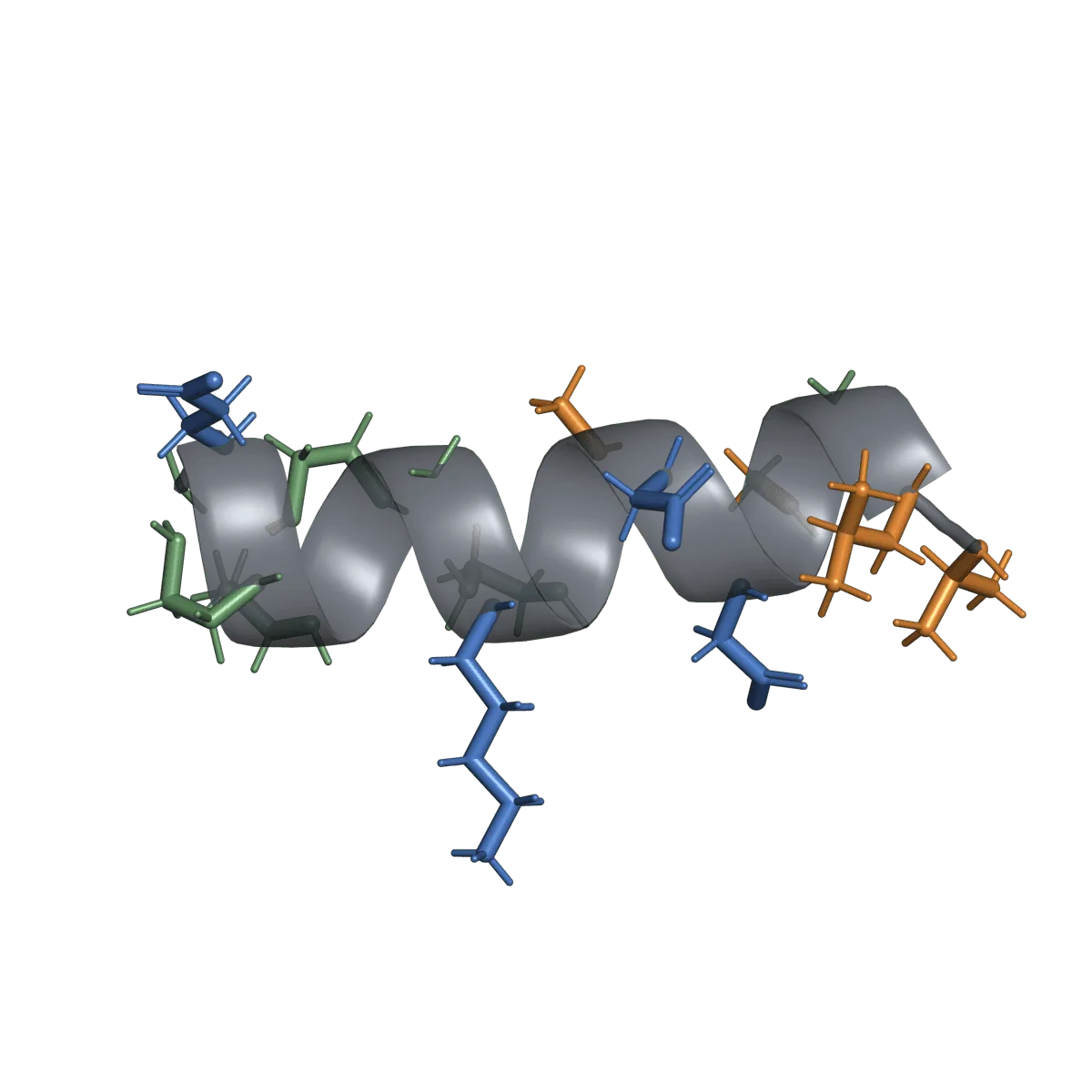
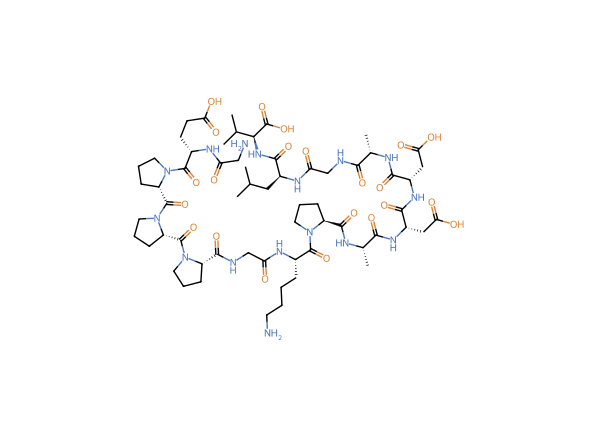
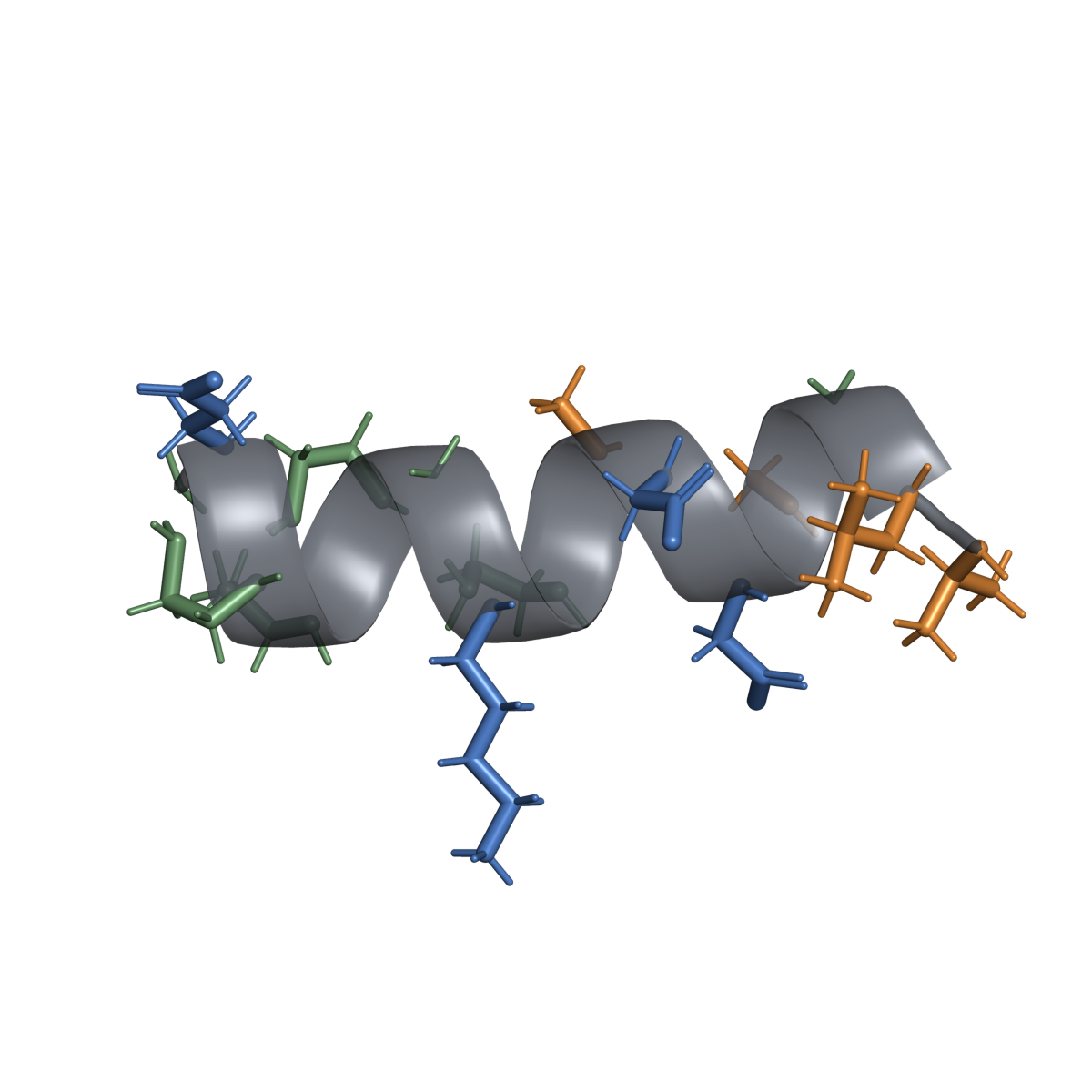
BPC-157 (Body Protection Compound-157) is a synthetic 15-amino-acid peptide whose sequence corresponds to a fragment of a gastric peptide isolated from human gastric juice.
Despite decades of preclinical research — predominantly by one Croatian group — human clinical evidence is limited to three small pilot studies. No regulatory authority has approved BPC-157 for any indication.
WADA lists BPC-157 as a prohibited substance under class S0 (non-approved substances) on the 2026 Prohibited List. An ongoing Phase 2 trial for hamstring strain (NCT07437547) is recruiting as of 2026. See the getting-started guide for context on An entry with frequent visibility in the research-peptide ecosystem. Visibility is not endorsement, and marketed material is not assumed safe, sterile, authentic, or suitable for humans. Definition source: Scope and selection methodology · Glossary peptides.
Identity and composition
| Field | Verified information |
|---|---|
| Preferred name | BPC-157 |
| Key aliases | Body Protection Compound-157, PLD-116, PL-10, PL14736, Bepecin |
| Molecular/sequence identity | 15-amino-acid peptide: Gly-Glu-Pro-Pro-Pro-Gly-Lys-Pro-Ala-Asp-Asp-Ala-Gly-Leu-Val |
| Modifications/form | Linear peptide; no disulfide bonds; stable in gastric juice |
| Stable identifiers | The record number of a compound in PubChem, the atlas's primary structure-asset source. A registry record or depiction does not authenticate a commercial sample. Definition source: Identity and structure assets methodology · Glossary 9941957; CAS 137525-51-0; FDA UNII 8ED8NXK95P; DrugBank DB11882 |
| Identity caveats | Isolated as part of a larger gastric peptide; no sequence homology with known intestinal peptides. The 15-residue sequence is considered essential for biological activity. |
Development and approval status
| Jurisdiction | Status and indication | Product/source | As of |
|---|---|---|---|
| United States (FDA) | No approved product identified; public sources do not establish whether a confidential NDA or BLA was filed | N/A | 2026-08-06 |
| European Union (EMA) | No marketing authorization | N/A | 2026-08-06 |
| The World Anti-Doping Agency; its Prohibited List classifies many peptides as prohibited substances in sport. Definition source: WADA and sport regulation brief · Glossary | Prohibited under class WADA Prohibited List class S0 (non-approved substances): pharmacological substances not addressed elsewhere in the list and with no current approval by any governmental regulatory health authority for human therapeutic use. Definition source: WADA and sport regulation brief · Glossary (non-approved substances) on the 2026 Prohibited List | N/A | 2026-08-06 |
| Other jurisdictions | Status requires a current national-register check; online An entry with frequent visibility in the research-peptide ecosystem. Visibility is not endorsement, and marketed material is not assumed safe, sterile, authentic, or suitable for humans. Definition source: Scope and selection methodology · Glossary listings do not establish authorization | Multiple vendors | 2026-08-06 |
- UNITED STATES
- United States (FDA): No approved product identified; public sources do not establish whether a confidential NDA or BLA was filed
- EU/EEA
- European Union (EMA): No marketing authorization
- UNITED KINGDOM
- No UNITED KINGDOM row is present in the source status table
- OTHER DOCUMENTED
- Other jurisdictions: Status requires a current national-register check; online research-market listings do not establish authorization
Sport status: Prohibited under class S0 (non-approved substances) on the 2026 Prohibited List
Mechanism and pharmacology
Reported pathways
BPC-157 has been reported in preclinical models to modulate multiple pathways: it upregulates growth hormone receptor expression, activates VEGFR2 and Akt-eNOS signaling to promote angiogenesis, engages ERK1/2 signaling, reduces inflammatory cytokines, and promotes fibroblast activity and neuromuscular stabilization.
How a substance is absorbed, distributed, metabolized, and eliminated by the body; atlas pages report pharmacokinetic data such as half-life, metabolism, and clearance. Definition source: Neutral gloss; usage context: Routes, devices, and absorption primer · Glossary
The peptide is stable in water and gastric juice. Preclinical pharmacokinetic data indicate a half-life of less than 30 minutes, hepatic metabolism, and renal clearance.
Unknowns
No definitive human receptor has been identified, and the mechanism of action in humans remains uncharacterized.
Evidence by claim
See the evidence grading methodology for an explanation of Grade letters.
| Claim/indication | Stage | Grade | Best human evidence | Main result | Important limitations |
|---|---|---|---|---|---|
| Musculoskeletal healing (tendon, ligament, muscle) | Evidence from in vitro or animal studies with no adequate human efficacy evidence — the atlas Grade D lane. Definition source: Evidence grading methodology · Glossary plus uncontrolled human report | D | Retrospective knee-pain chart review: 17 treated records, 16 reached by phone; the BPC-157-only subgroup was 12, of whom 11 reported improvement | Mixed knee-pain diagnoses; four followed participants received BPC-157 plus TB4; subjective telephone follow-up | No control group or standardized outcome instrument; ongoing Phase 2 hamstring trial (NCT07437547) recruiting |
| Inflammatory bowel disease | Preclinical | D | None | Animal colitis models only | Zero human efficacy data |
| Interstitial cystitis | Pilot | C | A study without a separate comparison group. Definition source: Neutral gloss; usage context: Evidence grading methodology · Glossary pilot (n=12); 80-100% symptom resolution at 6 weeks | A study in which participants and investigators know what is administered. Definition source: Neutral gloss; usage context: Evidence grading methodology · Glossary, no control group, all patients had failed prior therapy | Small sample, no blinding, single center |
| Wound healing | Preclinical | D | None | Animal wound models only | No controlled human data |
| Safety/How a substance is absorbed, distributed, metabolized, and eliminated by the body; atlas pages report pharmacokinetic data such as half-life, metabolism, and clearance. Definition source: Neutral gloss; usage context: Routes, devices, and absorption primer · Glossary | Phase 1 | C | Single-arm Administered into a vein. Definition source: Neutral gloss; usage context: Routes, devices, and absorption primer · Glossary infusion study (n=2 healthy adults); well tolerated at up to 20 mg | No adverse events; plasma returned to baseline within 24 h | n=2 only, no conclusions about efficacy |
- AGrade A: Established for a specific labeled use
- BGrade B: Moderate human evidence
- CGrade C: Preliminary human evidence
- DGrade D: Preclinical only
- EGrade E: Anecdotal/marketing claim
- XGrade X: Evidence contradicts or does not support the claim
Text alternative for the claim-evidence diagram. Each grade is defined below:
- A — Established for a specific labeled use
- 0 claims
- B — Moderate human evidence
- 0 claims
- C — Preliminary human evidence
- 2 claims: Interstitial cystitis; Safety/pharmacokinetics
- D — Preclinical only
- 3 claims: Musculoskeletal healing (tendon, ligament, muscle); Inflammatory bowel disease; Wound healing
- E — Anecdotal/marketing claim
- 0 claims
- X — Evidence contradicts or does not support the claim
- 0 claims
Key studies
| Study | Design/population | Exposure studied | Endpoints and result | Limitations |
|---|---|---|---|---|
| Lee & Padgett 2021; PMID 34324435 | Retrospective chart review of 17 treated knee-pain patients; 16 were reached by phone (12 BPC-157 alone, four BPC-157 plus TB4) [1] | Single intra-articular injection; dose not reported in the publication abstract | 11/12 in the BPC-157-only subgroup and 14/16 across both followed groups reported significant pain relief | One patient was not reached; no control group, randomization, standardized outcome instrument, or diagnosis-specific analysis; combination subgroup confounds the overall result |
| Lee et al. 2024 | A study without a separate comparison group. Definition source: Neutral gloss; usage context: Evidence grading methodology · Glossary pilot, n=12 interstitial cystitis patients; intravesicular BPC-157 after failed pentosan polysulfate | Intravesicular injection | 80-100% resolution of moderate-severe symptoms at 6 weeks per Global Response Assessment | A study in which participants and investigators know what is administered. Definition source: Neutral gloss; usage context: Evidence grading methodology · Glossary, no control, single center, small N |
| Lee & Burgess 2025 | Single-arm, n=2 healthy adults; Administered into a vein. Definition source: Neutral gloss; usage context: Routes, devices, and absorption primer · Glossary BPC-157 up to 20 mg | IV infusion | No adverse events; PK consistent with rapid clearance | n=2, no dose-ranging, no efficacy endpoints |
| NCT02637284 (2015) | Phase 1, n=42 healthy volunteers; safety and PK | Single and multiple doses | Results never submitted; study discontinued | No published data |
| NCT07437547 (2026) | Phase 2, randomized DBPC, n= estimated; acute grade II hamstring strain [1] | Administered into the tissue layer under the skin. Definition source: Neutral gloss; usage context: Routes, devices, and absorption primer · Glossary BPC-157 daily × 14 days + rehab | Co-primary: time to return to sport, MRI injury volume at Day 14 | Ongoing; results pending |
Dose and administration evidence
See the dose language methodology for the distinction between approved regimens and studied exposures.
Approved labeled regimen
No FDA-approved product or EMA-authorized medicine was identified as of 2026-08-06; status elsewhere requires a current national-register check.
Studied regimens (not recommendations)
Intra-articular: single injection into knee (case series, no standardized dose reported).
Intravesicular: reported in pilot study for interstitial cystitis (dose not specified in available sources).
IV: up to 20 mg in two healthy adults; well tolerated.
SC: 14 days daily dosing in ongoing Phase 2 trial (NCT07437547), dose not yet published.
What is not established
No established or recommended human dose.
Safety
Established label risks
None — no approved label exists.
Human-study signals
The published human reports remain too small and uncontrolled to characterize safety: the knee report reviewed 17 treated records but reached 16 people by phone, the interstitial-cystitis pilot enrolled 12, and the Administered into a vein. Definition source: Neutral gloss; usage context: Routes, devices, and absorption primer · Glossary pharmacokinetic report enrolled two. Absence of a serious event in these reports does not establish safety.
Preclinical safety studies in rats (up to 20 mg/kg Administered into a muscle. Definition source: Neutral gloss; usage context: Routes, devices, and absorption primer · Glossary) and beagle dogs (up to 10 mg/kg IM) for 28 days found no toxic dose, no teratogenicity, genotoxicity, or anaphylaxis.
Unknowns and product-quality risks
No formal Phase 1 safety data in humans (the one Phase 1 trial, n=42, was discontinued and results never filed).
Products sold as "research chemicals" are not manufactured to pharmaceutical standards; purity, identity, sterility, and endotoxin levels are unverified.
Theoretical risks include unregulated manufacturing contamination, unknown long-term effects, and lack of post-market surveillance.
Two systematic reviews (2025) note that all published human studies report positive results, suggesting possible publication bias.
Interactions and special populations
No drug-interaction studies have been conducted. No data exist for pregnancy, lactation, pediatric, or geriatric populations. Evidence from in vitro or animal studies with no adequate human efficacy evidence — the atlas Grade D lane. Definition source: Evidence grading methodology · Glossary data are insufficient to predict human interactions.
Regulatory, compounding, and sport notes
No FDA-approved product was identified. The reviewed bulk-substance list does not by itself establish whether a particular preparation satisfies sections 503A or 503B; that requires a current substance-, facility-, prescription-, and product-specific assessment. See the United States regulation brief for context.
WADA: Prohibited under class S0 (non-approved substances) on the 2026 Prohibited List. See the WADA and sport regulation brief.
Sold widely as a "research peptide" online; no regulatory oversight of manufacturing or labeling.
FDA has issued warning letters to companies making unapproved drug claims about BPC-157.
On July 23, 2026, PCAC separately voted 8 yes, 6 no, and 1 abstention to recommend placing BPC-157 free base and BPC-157 acetate on the Sections of the US Food, Drug, and Cosmetic Act covering traditional compounding exemptions (503A) and outsourcing-facility compounding (503B). Under 503A, qualification conditions include a patient-specific prescription requirement; under 503B, conditions cover facility registration and bulk-substance eligibility. Definition source: United States regulation brief · Glossary Bulks List. These nonbinding advisory recommendations did not add either substance to the list and were not FDA approval.
Evidence gaps
No adequately powered A study in which participants are assigned to the study material or a comparator by chance. Definition source: Neutral gloss; usage context: Evidence grading methodology · Glossary completed for any indication.
No published dose-ranging, How a substance is absorbed, distributed, metabolized, and eliminated by the body; atlas pages report pharmacokinetic data such as half-life, metabolism, and clearance. Definition source: Neutral gloss; usage context: Routes, devices, and absorption primer · Glossary, or safety study in humans beyond n=2 for Administered into a vein. Definition source: Neutral gloss; usage context: Routes, devices, and absorption primer · Glossary.
The one formal Phase 1 trial (NCT02637284, n=42) was discontinued without results.
No head-to-head comparison against standard-of-care treatments.
All mechanistic evidence derives from animal models; translational relevance to humans is unverified.
Publication bias likely: all published human studies report positive outcomes.
Search notes
Databases and registries: PubMed, ClinicalTrials.gov, FDA UNII, PubChem, The World Anti-Doping Agency; its Prohibited List classifies many peptides as prohibited substances in sport. Definition source: WADA and sport regulation brief · Glossary Prohibited List
Search terms: BPC-157, body protection compound, pentadecapeptide, PL14736
Last searched: 2026-08-06
Inclusion emphasis: Human clinical trials prioritized; Evidence from in vitro or animal studies with no adequate human efficacy evidence — the atlas Grade D lane. Definition source: Evidence grading methodology · Glossary included only when human evidence absent
Sources
https://precision.fda.gov/ginas/app/ui/substances/8ED8NXK95P
Lee E, Padgett B. Intra-Articular Injection of BPC 157 for Multiple Types of Knee Pain. Altern Ther Health Med. 2021;27(4):8-13. PMID 34324435. https://pubmed.ncbi.nlm.nih.gov/34324435/
FDA. July 23-24, 2026 Pharmacy Compounding Advisory Committee meeting page, agenda, materials, and official webcast links. https://www.fda.gov/advisory-committees/advisory-committee-calendar/july-23-24-2026-meeting-pharmacy-compounding-advisory-committee-07232026 Official July 23 webcast: https://www.youtube.com/watch?v=DhDC0DAYdBI