Bottom line
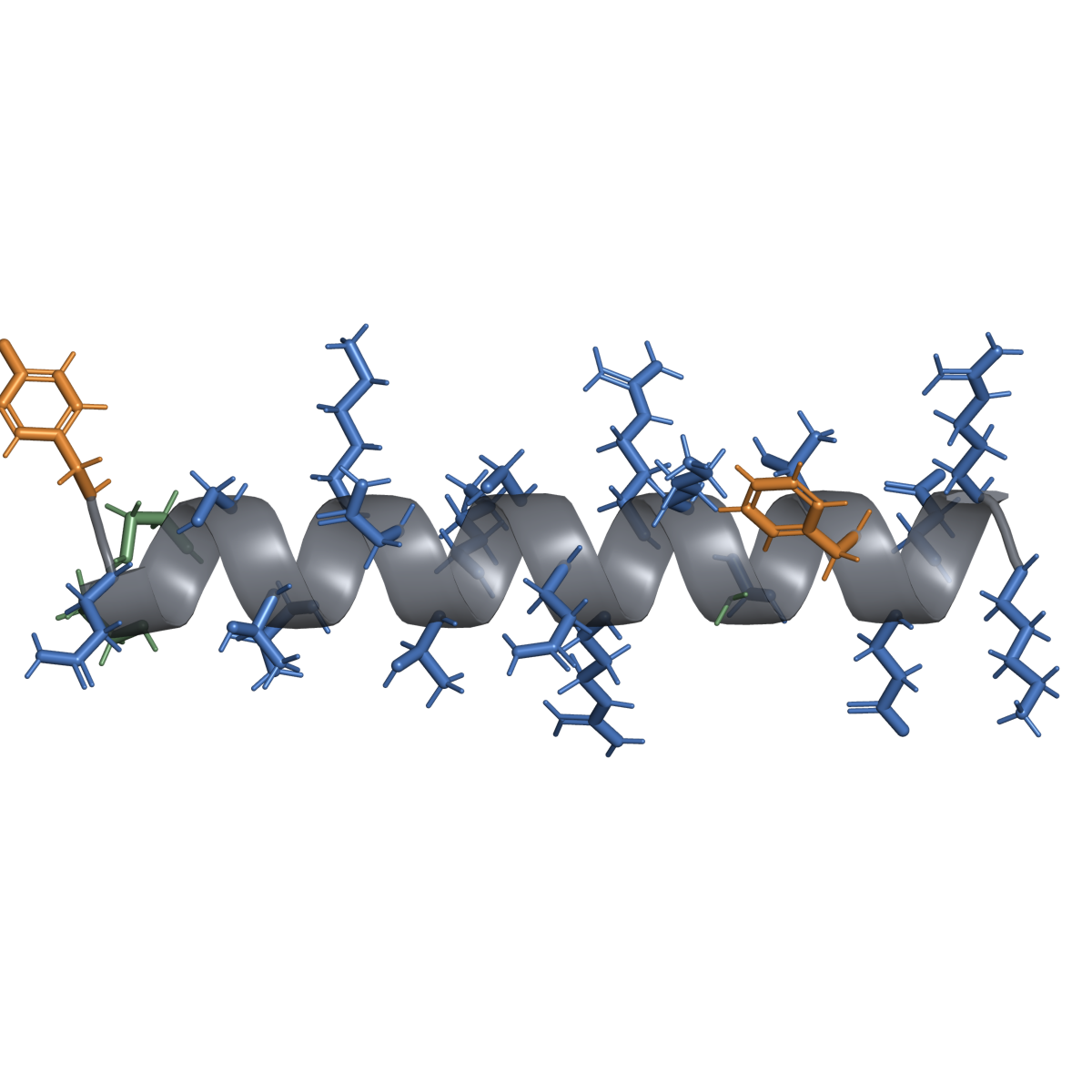
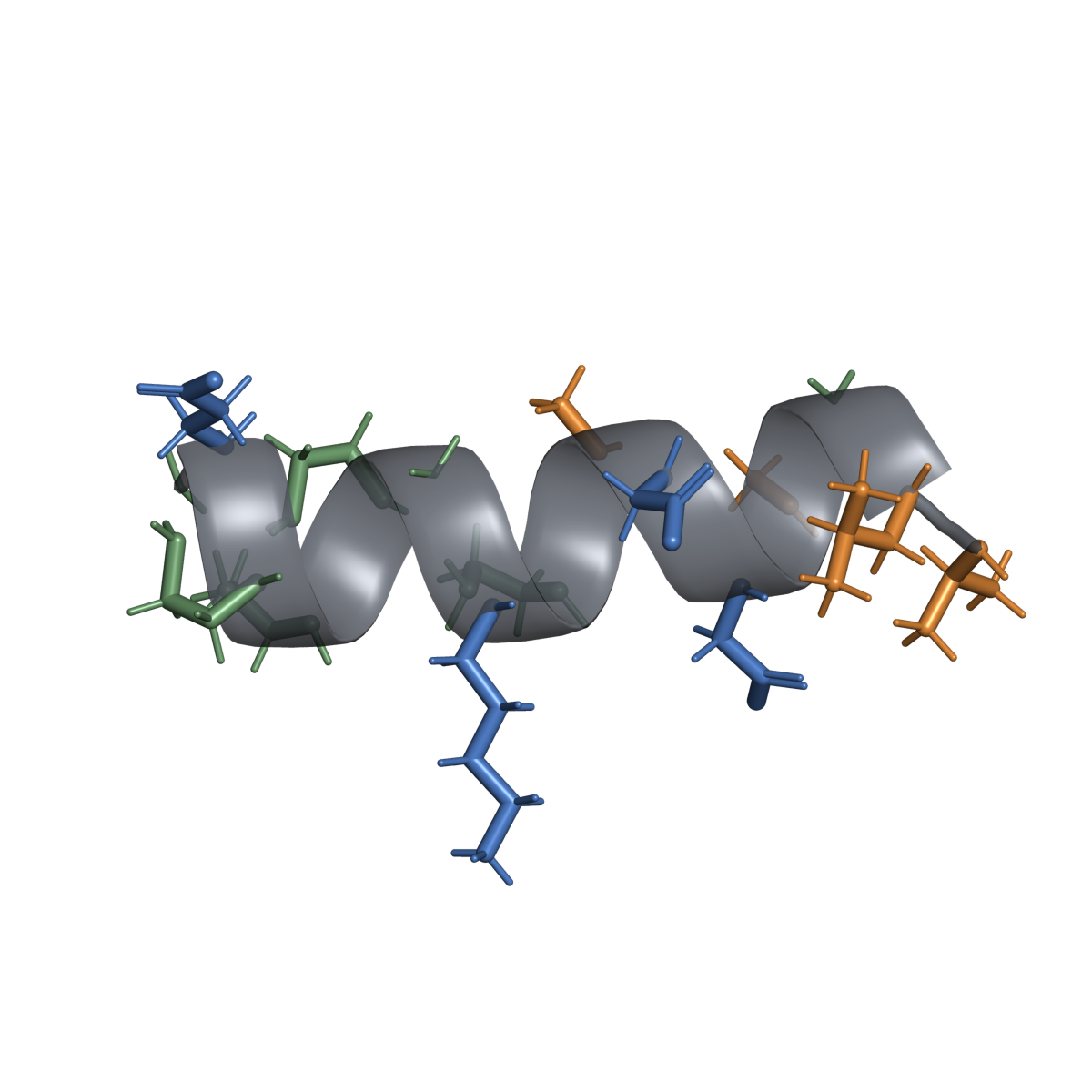
Follistatin-344 (FS-344) is the full-length 344-amino-acid precursor of the 315-amino-acid circulating follistatin glycoprotein. It is a potent An entry with substantial scientific visibility or identity value. Biological rationale and non-human evidence do not establish patient benefit. Definition source: Scope and selection methodology · Glossary inhibitor of multiple TGF-β family members, including myostatin (GDF-8) and activin A, which are negative regulators of muscle mass. In transgenic mouse models, follistatin overexpression produces 194–327% increases in muscle mass — substantially exceeding the ~100% increase from myostatin knockout alone. A Phase I/IIa gene therapy trial (AAV1-FS344) in Becker muscular dystrophy showed modest functional improvements (11.5% improvement in 6-minute walk test, p=0.02; n=6). FS-344 is a protein (not a peptide) and is primarily studied as a gene therapy construct, making it a boundary case in this atlas.
Identity and composition
| Field | Verified information |
|---|---|
| Preferred name | Follistatin-344 |
| Key aliases | FS-344, follistatin, activin-binding protein, FST, FS-315 (after proteolytic cleavage) |
| Molecular/sequence identity | 344-amino-acid glycoprotein precursor; C-terminal acidic tail is cleaved in vivo to produce FS-315 (the main circulating isoform); three distinct isoforms: FS-288, FS-315, FS-344 |
| Modifications/form | Glycosylated secreted glycoprotein; multiple isoforms from alternative splicing and proteolytic processing |
| Stable identifiers | Gene: FST (chromosome 5q11.2); UniProt: P19883; CAS: 80449-31-6; MW ~31–45 kDa (varies with glycosylation) |
| Identity caveats | Boundary case. Follistatin-344 is a full-length glycoprotein (MW ~38 kDa), not a small peptide. The compound studied in human clinical trials is delivered via AAV-mediated gene therapy (AAV1-FS344), not as an injectable peptide. Gray-market "follistatin peptide" products sold as short peptides likely contain unrelated or degraded material and have no relationship to the gene therapy construct studied in clinical trials. |
Development and approval status
| Jurisdiction | Status and indication | Product/source | As of |
|---|---|---|---|
| US (FDA) | No FDA-approved product; AAV1-FS344 gene therapy under IND for BMD and IBM | Nationwide Children's Hospital | 2026-08-06 |
| EU (EMA) | No marketing authorization | — | 2026-08-06 |
| Registers reviewed | No FDA-approved follistatin product or EMA-authorized follistatin medicine identified; status elsewhere requires a current national-register check | — | 2026-08-06 |
- UNITED STATES
- US (FDA): No FDA-approved product; AAV1-FS344 gene therapy under IND for BMD and IBM
- EU/EEA
- EU (EMA): No marketing authorization
- UNITED KINGDOM
- No UNITED KINGDOM row is present in the source status table
- OTHER DOCUMENTED
- Registers reviewed: No FDA-approved follistatin product or EMA-authorized follistatin medicine identified; status elsewhere requires a current national-register check
Sport status: Follistatin is prohibited by WADA under section S4.3, agents preventing activin receptor IIB activation. WADA has published studies of black-market follistatins finding inconsistent product composition. Gene therapy under IND is the only regulated human use described here. Injectable "follistatin peptide" products sold online have no demonstrated relationship to the gene therapy studied in trials.
Mechanism and pharmacology
Follistatin binds and neutralizes myostatin (GDF-8) and activin A, preventing their interaction with the ActRIIB receptor and downstream Smad2/3 signaling that suppresses muscle growth. It also binds other TGF-β family members (GDF-11, BMPs) with varying affinity. FS-344 is the full-length precursor; after proteolytic removal of a C-terminal acidic tail, FS-315 circulates with low affinity for cell surfaces (systemic distribution), while FS-288 binds tightly to heparan sulfate proteoglycans and acts locally. The FS-344 isoform was selected for clinical development because it has ~10-fold lower affinity for pituitary activin compared to FS-288, theoretically minimizing reproductive hormone disruption.
Evidence by claim
| Claim/indication | Stage | Grade | Best human evidence | Main result | Important limitations |
|---|---|---|---|---|---|
| Becker muscular dystrophy (gene therapy) | Phase I/IIa [1] | B | Mendell et al., Mol Ther 2015; AAV1-FS344, n=6 BMD patients | 11.5% improvement in 6MWT at 6 months (p=0.02); reduced fibrosis on biopsy | N=6; A study in which participants and investigators know what is administered. Definition source: Neutral gloss; usage context: Evidence grading methodology · Glossary; dose-escalation; no An inactive comparator used in a controlled study. Definition source: Neutral gloss; usage context: Evidence grading methodology · Glossary control |
| Inclusion body myositis | Phase I/II | C | AAV1-FS344 in sIBM patients | Modest functional improvement | Small N; open-label |
| Muscle hypertrophy (general) | Evidence from in vitro or animal studies with no adequate human efficacy evidence — the atlas Grade D lane. Definition source: Evidence grading methodology · Glossary | D | Transgenic mouse models | 2-4× normal muscle mass with FS overexpression | Animal only; does not predict human effects |
| Anti-aging / sarcopenia | Marketing | E | No controlled human trials for injectable peptide use | No adequate evidence | Marketing extrapolation only |
- AGrade A: Established for a specific labeled use
- BGrade B: Moderate human evidence
- CGrade C: Preliminary human evidence
- DGrade D: Preclinical only
- EGrade E: Anecdotal/marketing claim
- XGrade X: Evidence contradicts or does not support the claim
Text alternative for the claim-evidence diagram. Each grade is defined below:
- A — Established for a specific labeled use
- 0 claims
- B — Moderate human evidence
- 1 claim: Becker muscular dystrophy (gene therapy)
- C — Preliminary human evidence
- 1 claim: Inclusion body myositis
- D — Preclinical only
- 1 claim: Muscle hypertrophy (general)
- E — Anecdotal/marketing claim
- 1 claim: Anti-aging / sarcopenia
- X — Evidence contradicts or does not support the claim
- 0 claims
Key studies
| Study | Design/population | Exposure studied | Endpoints and result | Limitations |
|---|---|---|---|---|
| Mendell JR et al., Mol Ther 2015; PMID: 25322757 | Phase I/IIa A study in which participants and investigators know what is administered. Definition source: Neutral gloss; usage context: Evidence grading methodology · Glossary; 6 BMD patients [1] | AAV1-FS344 Administered into a muscle. Definition source: Neutral gloss; usage context: Routes, devices, and absorption primer · Glossary injection to quadriceps, 3E11–1.5E12 vg/kg | Improved 6MWT at 6 months; reduced fibrosis; well-tolerated | N=6; open-label; no control group; dose-escalation |
| Al-Zaidy et al., J Neuromuscul Dis 2015 (review) | Review of trial outcomes | AAV1-FS344 | Confirmatory summary; pooled analysis showed significant improvement | Review; small N |
| Nakatani M et al., J Biol Chem 2008 | Evidence from in vitro or animal studies with no adequate human efficacy evidence — the atlas Grade D lane. Definition source: Evidence grading methodology · Glossary; follistatin isoforms | FS-288 vs FS-344 characterization | FS-344 has lower activin affinity; rationale for FS-344 selection | Preclinical only |
Dose and administration evidence
Approved labeled regimen
Not applicable.
Studied regimens (not recommendations)
No established or recommended human dose. Gene therapy doses in the BMD trial: 3×10¹¹ – 1.5×10¹² vg/kg, single Administered into a muscle. Definition source: Neutral gloss; usage context: Routes, devices, and absorption primer · Glossary injection into quadriceps.
What is not established
No injectable follistatin peptide dose has been validated in humans
Gene therapy data cannot be extrapolated to protein/peptide injection
The The time for the amount of a substance in the body to fall by half. Definition source: Neutral gloss; usage context: Routes, devices, and absorption primer · Glossary of recombinant follistatin protein in humans (~90 minutes) precludes practical systemic protein administration
Injectable "follistatin" products sold as research chemicals have no relationship to the gene therapy construct studied in clinical trials
Safety
Established label risks
No approved label exists.
Human-study signals (gene therapy)
The BMD gene therapy trial was well-tolerated; no serious adverse events related to follistatin. Neutralizing antibodies against AAV1 developed. No reproductive hormone disruption was observed (consistent with FS-344's lower activin affinity).
Unknowns and product-quality risks
No long-term safety data beyond ~18–24 months exist. The theoretical risk of long-term TGF-β superfamily inhibition is unknown. Follistatin modulation affects multiple physiological systems beyond muscle (fertility, inflammation, bone metabolism). Gray-market injectable "follistatin" products may contain degraded, truncated, or incorrectly folded protein.
Interactions and special populations
No adequate drug-interaction data exist. Theoretical concerns: pregnancy (activin signaling in reproduction), active malignancy (TGF-β signaling involvement), and bleeding disorders.
Regulatory, compounding, and sport notes
Follistatin is prohibited by The World Anti-Doping Agency; its Prohibited List classifies many peptides as prohibited substances in sport. Definition source: WADA and sport regulation brief · Glossary under section S4.3, agents preventing activin receptor IIB activation. WADA has published studies of black-market follistatins finding inconsistent product composition. Gene therapy under IND is the only regulated human use described here. Injectable "follistatin peptide" products sold online have no demonstrated relationship to the gene therapy studied in trials.
Evidence gaps
No An inactive comparator used in a controlled study. Definition source: Neutral gloss; usage context: Evidence grading methodology · Glossary-controlled A study in which participants are assigned to the study material or a comparator by chance. Definition source: Neutral gloss; usage context: Evidence grading methodology · Glossary of follistatin gene therapy
No human data for injectable follistatin protein
Long-term safety beyond 2 years unknown
Systemic effects of sustained follistatin elevation in humans unknown
Optimal dose and delivery method not established
The injectable "follistatin peptide" market is entirely separate from the registered clinical trial program
Search notes
Databases and registries: PubMed, ClinicalTrials.gov (NCT01519349), UniProt, The World Anti-Doping Agency; its Prohibited List classifies many peptides as prohibited substances in sport. Definition source: WADA and sport regulation brief · Glossary
Search terms: "follistatin 344", "FS-344", "AAV1-FS344", "follistatin gene therapy", "myostatin inhibitor"
Last searched: 2026-08-06
Inclusion emphasis: Human clinical trials; primary peer-reviewed data; regulatory documents
Sources
Mendell JR et al. A phase 1/2a follistatin gene therapy trial for Becker muscular dystrophy. Mol Ther. 2015;23(1):192-199. https://pubmed.ncbi.nlm.nih.gov/25322757/
Nakatani M et al. Follistatin isoforms and activin binding. J Biol Chem. 2008;283(49):34068-34076. https://pubmed.ncbi.nlm.nih.gov/18819920/
Al-Zaidy SA et al. Follistatin gene therapy improves ambulation in Becker MD. J Neuromuscul Dis. 2015.
WADA Prohibited List 2026. https://www.wada-ama.org/en/resources/world-anti-doping-program/prohibited-list
UniProt P19883. Follistatin. https://www.uniprot.org/uniprot/P19883
ClinicalTrials.gov NCT01519349. AAV1-FS344 in Becker MD. https://clinicaltrials.gov/study/NCT01519349