Bottom line
LL-37 is the only human cathelicidin, a 37-residue antimicrobial peptide encoded by the CAMP gene. It has broad-spectrum antimicrobial, immunomodulatory, and wound-healing activities. A Phase 1/2 A study in which participants are assigned to the study material or a comparator by chance. Definition source: Neutral gloss; usage context: Evidence grading methodology · Glossary (LL-37001B, n=34) found topical LL-37 accelerated healing of hard-to-heal venous leg ulcers, with the lowest dose showing a sixfold healing rate improvement vs An inactive comparator used in a controlled study. Definition source: Neutral gloss; usage context: Evidence grading methodology · Glossary. A Phase 2b trial (LL-37002) has been completed. No LL-37 product has received regulatory approval.
Identity and composition
| Field | Verified information |
|---|---|
| Preferred name | LL-37 |
| Key aliases | Cathelicidin antimicrobial peptide, hCAP18, CAP-18, FALL-39, Ropocamptide |
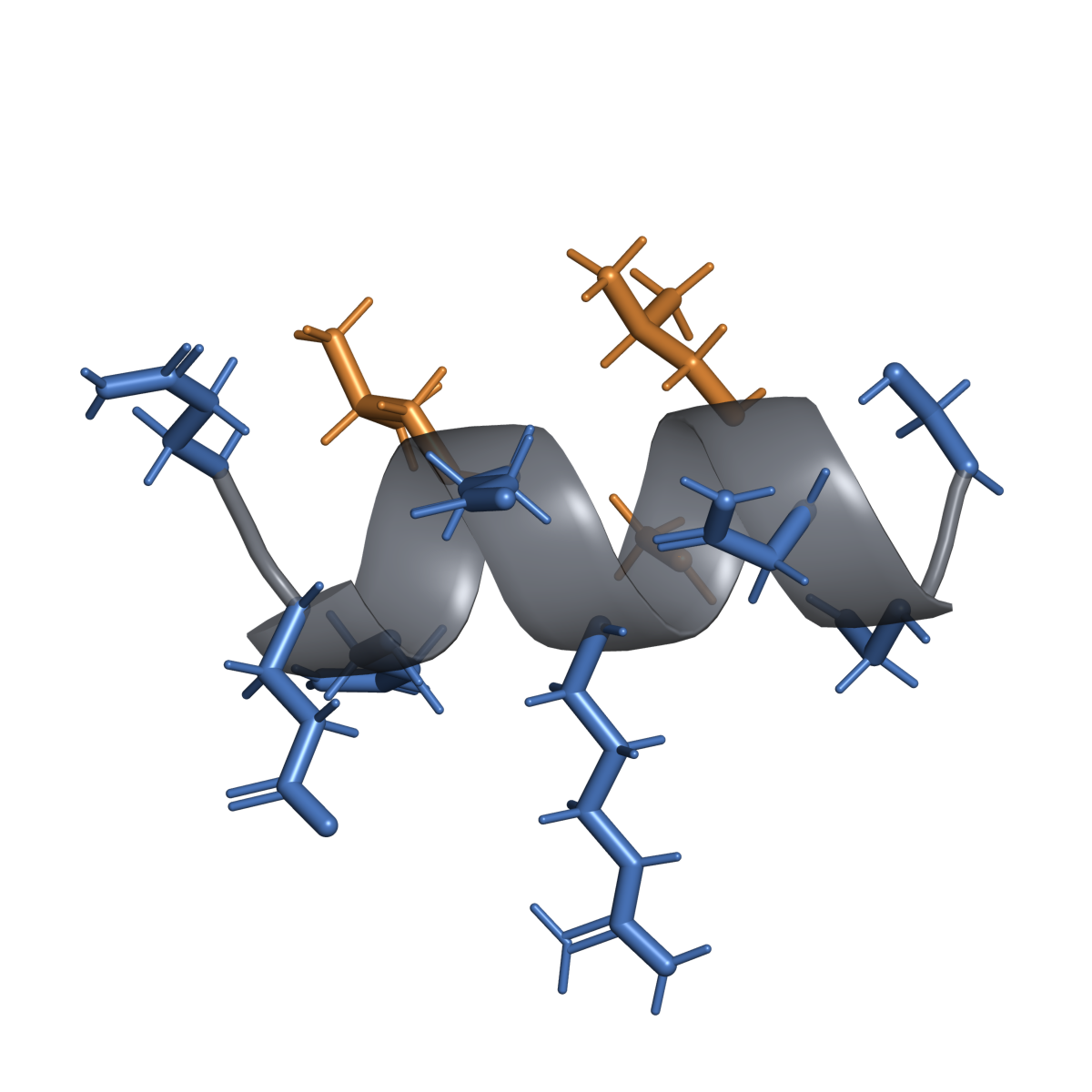
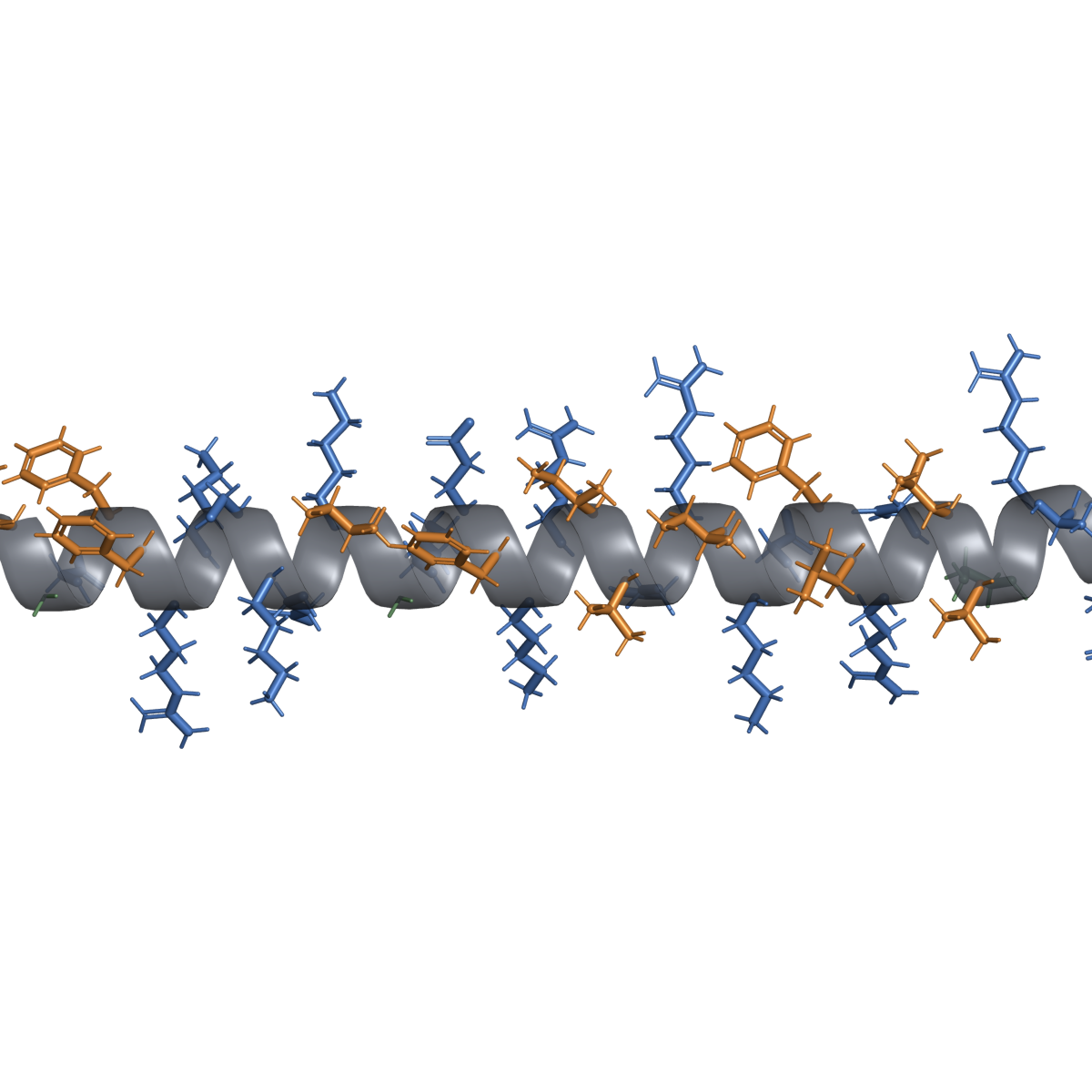
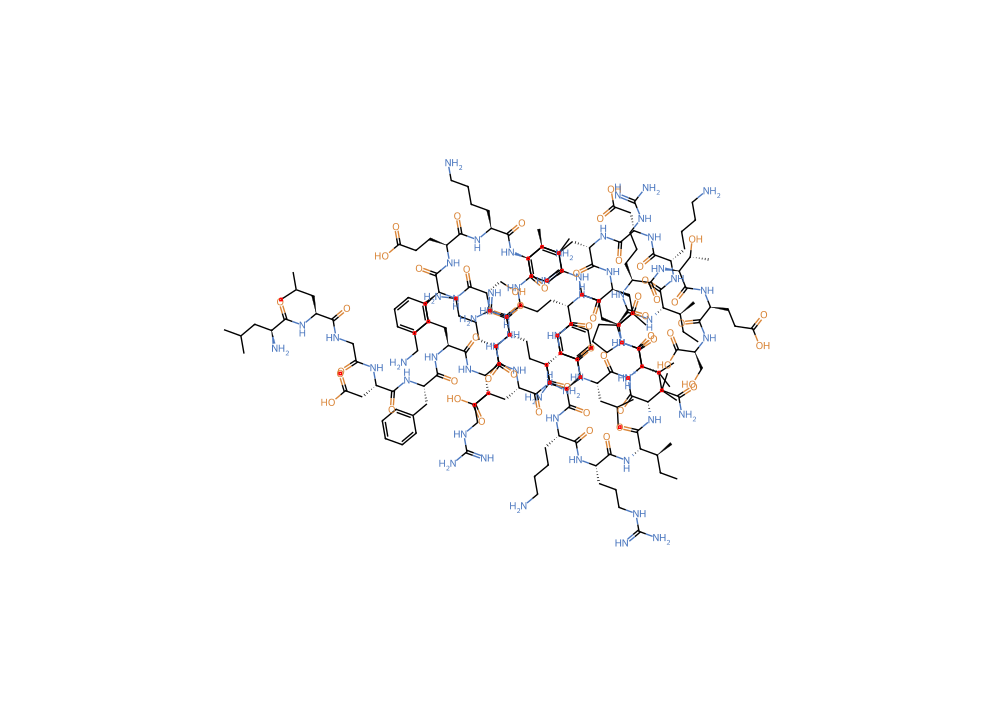
| Molecular/sequence identity | 37-residue peptide: LLGDFFRKSKEKIGKEFKRIVQRIKDFLRNLVPRTES |
| Modifications/form | C-terminal cleavage product of hCAP18; amphipathic α-helical conformation; MW ~4,493 Da |
| Stable identifiers | UniProt P49913; The record number of a compound in PubChem, the atlas's primary structure-asset source. A registry record or depiction does not authenticate a commercial sample. Definition source: Identity and structure assets methodology · Glossary 16198951; CAS 154947-66-7; ChEMBL530345; DrugBank DB16532 |
| Identity caveats | Active form is cleaved from the 170-aa hCAP18 precursor. Truncated fragments (RK-31, KS-30, KR-20, FK-13, KR-12) occur naturally and have varying activities. |
Development and approval status
| Jurisdiction | Status and indication | Product/source | As of |
|---|---|---|---|
| United States (FDA) | Not approved for any indication | N/A | 2026-08-06 |
| European Union (EMA) | A clinical-stage candidate with scientific or public relevance. Investigation is not approval, and a studied exposure is not a recommendation. Definition source: Scope and selection methodology · Glossary; Phase 2 trials completed (LL-37001B, LL-37002) | N/A | 2026-08-06 |
| Other jurisdictions | Status of synthetic products requires current national-register review; An entry with substantial scientific visibility or identity value. Biological rationale and non-human evidence do not establish patient benefit. Definition source: Scope and selection methodology · Glossary status is not product authorization | — | 2026-08-06 |
- UNITED STATES
- United States (FDA): Not approved for any indication
- EU/EEA
- European Union (EMA): Investigational; Phase 2 trials completed (LL-37001B, LL-37002)
- UNITED KINGDOM
- No UNITED KINGDOM row is present in the source status table
- OTHER DOCUMENTED
- Other jurisdictions: Status of synthetic products requires current national-register review; endogenous status is not product authorization
Sport status: WADA: LL-37 was not identified by exact name in the 2026 Prohibited List. Exact-name absence does not resolve S0: this review did not identify a current governmental approval for human therapeutic use, so athletes need a current, case-specific classification of the material and intended use.
Mechanism and pharmacology
LL-37 directly disrupts bacterial membranes (Gram-positive and Gram-negative), binds and neutralizes lipopolysaccharide (LPS), modulates immune responses by acting through formyl peptide receptors (FPR2/FPRL1), promotes wound re-epithelialization, angiogenesis, chemotaxis of immune cells, and reduces inflammation. It is produced by neutrophils, epithelial cells, keratinocytes, and other cell types. Post-secretory processing generates truncated peptides with varying antimicrobial and cytotoxic profiles. Its clinical application is limited by low proteolytic stability, dose-dependent cytotoxicity, and high production costs.
Evidence by claim
| Claim/indication | Stage | Grade | Best human evidence | Main result | Important limitations |
|---|---|---|---|---|---|
| Venous leg ulcer healing | Phase 2b | B | Phase 1/2 A study in which participants are assigned to the study material or a comparator by chance. Definition source: Neutral gloss; usage context: Evidence grading methodology · Glossary (n=34): topical LL-37 0.5 mg/mL twice weekly × 4 weeks | 6-fold higher healing rate constant vs An inactive comparator used in a controlled study. Definition source: Neutral gloss; usage context: Evidence grading methodology · Glossary (p=0.003); 68% mean area reduction at 0.5 mg/mL | Small trial; highest dose (3.2 mg/mL) showed no benefit |
| COVID-19 (oral LL-37) | Phase 2 | C | RCT (n=238): oral recombinant LL-37 in L. lactis | Reduced nucleic acid negative conversion time: 9.8 vs 14.0 days (p<0.01) | A study in which participants and investigators know what is administered. Definition source: Neutral gloss; usage context: Evidence grading methodology · Glossary; single center; L. lactis delivery system |
| Antimicrobial activity | Evidence from in vitro or animal studies with no adequate human efficacy evidence — the atlas Grade D lane. Definition source: Evidence grading methodology · Glossary | D | None (human clinical) | Broad-spectrum in vitro activity; MRSA wound infection models in mice | No human antimicrobial efficacy trial |
| Diabetic foot ulcers | Preclinical | D | None | Animal models only | No human data |
- AGrade A: Established for a specific labeled use
- BGrade B: Moderate human evidence
- CGrade C: Preliminary human evidence
- DGrade D: Preclinical only
- EGrade E: Anecdotal/marketing claim
- XGrade X: Evidence contradicts or does not support the claim
Text alternative for the claim-evidence diagram. Each grade is defined below:
- A — Established for a specific labeled use
- 0 claims
- B — Moderate human evidence
- 1 claim: Venous leg ulcer healing
- C — Preliminary human evidence
- 1 claim: COVID-19 (oral LL-37)
- D — Preclinical only
- 2 claims: Antimicrobial activity; Diabetic foot ulcers
- E — Anecdotal/marketing claim
- 0 claims
- X — Evidence contradicts or does not support the claim
- 0 claims
Key studies
| Study | Design/population | Exposure studied | Endpoints and result | Limitations |
|---|---|---|---|---|
| LL-37001B (EudraCT 2012-002100-41) | Phase 1/2, DBPC, n=34 hard-to-heal VLU | Topical LL-37 0.5, 1.6, or 3.2 mg/mL twice weekly × 4 weeks | 6-fold healing rate increase at 0.5 mg/mL vs An inactive comparator used in a controlled study. Definition source: Neutral gloss; usage context: Evidence grading methodology · Glossary (p=0.003); 3.2 mg/mL no benefit | Small sample; dose-response inverted |
| LL-37002 (EudraCT 2018-000536-10) | Phase 2b, DBPC, multicenter, n= VLU patients | LL-37 0.5 and 1.6 mg/mL | Complete wound closure incidence | Completed; full publication pending |
| Oral LL-37 COVID-19 A study in which participants are assigned to the study material or a comparator by chance. Definition source: Neutral gloss; usage context: Evidence grading methodology · Glossary 2023 | A study in which participants and investigators know what is administered. Definition source: Neutral gloss; usage context: Evidence grading methodology · Glossary RCT, n=238, Omicron BA.5.1.3 | Oral recombinant LL-37 in L. lactis | Reduced NCT: 9.80 vs 14.04 days (p<0.01) | Open-label; single center; platform delivery |
Dose and administration evidence
Approved labeled regimen
None.
Studied regimens (not recommendations)
Topical (VLU): 0.5 mg/mL or 1.6 mg/mL LL-37 solution applied to wound bed (25 µL/cm²) every third day for 4 weeks.
Oral (COVID-19): recombinant LL-37 expressed in Lactococcus lactis, dosing per trial protocol.
What is not established
No established or recommended human dose.
Safety
Established label risks
None — no approved label.
Human-study signals
In the Phase 1/2 VLU trial (n=34), topical LL-37 was well tolerated with no systemic safety concerns or local tolerability issues. The most common AEs were mild and related to the wound itself. The Phase 2b trial and oral COVID-19 trial also reported no severe adverse events.
Unknowns and product-quality risks
LL-37 has dose-dependent cytotoxicity and hemolytic activity against eukaryotic cells in vitro at higher concentrations.
The inverted dose-response (no benefit at 3.2 mg/mL vs benefit at 0.5 mg/mL) warrants cautious dose selection.
Proteolytic instability limits formulation options.
Research-grade products lack pharmaceutical quality assurance.
PCAC review scheduled for February 2027.
Interactions and special populations
No drug-interaction studies. No safety data in pregnancy, lactation, or pediatric populations.
Regulatory, compounding, and sport notes
FDA: Not approved. Listed on the PCAC review agenda for February 2027 for Sections of the US Food, Drug, and Cosmetic Act covering traditional compounding exemptions (503A) and outsourcing-facility compounding (503B). Under 503A, qualification conditions include a patient-specific prescription requirement; under 503B, conditions cover facility registration and bulk-substance eligibility. Definition source: United States regulation brief · Glossary compounding evaluation.
The World Anti-Doping Agency; its Prohibited List classifies many peptides as prohibited substances in sport. Definition source: WADA and sport regulation brief · Glossary: LL-37 was not identified by exact name in the 2026 Prohibited List. Exact-name absence does not resolve WADA Prohibited List class S0 (non-approved substances): pharmacological substances not addressed elsewhere in the list and with no current approval by any governmental regulatory health authority for human therapeutic use. Definition source: WADA and sport regulation brief · Glossary: this review did not identify a current governmental approval for human therapeutic use, so athletes need a current, case-specific classification of the material and intended use.
No pharmaceutical product with LL-37 has received marketing authorization.
Evidence gaps
No Phase 3 trial completed for any indication.
Dose-response relationship is unusual (inverted U-shape) and not fully explained.
Long-term safety unknown.
Systemic administration (Administered into a vein. Definition source: Neutral gloss; usage context: Routes, devices, and absorption primer · Glossary, Administered into the tissue layer under the skin. Definition source: Neutral gloss; usage context: Routes, devices, and absorption primer · Glossary) has not been studied in controlled human trials.
Delivery systems for oral and topical routes need optimization.
Search notes
Databases and registries: PubMed, ClinicalTrials.gov, EudraCT, UniProt, PubChem
Search terms: LL-37, cathelicidin, hCAP18, venous leg ulcer, antimicrobial peptide
Last searched: 2026-08-06
Inclusion emphasis: Controlled human trials; distinction from truncated analogs
Sources
https://www.clinicaltrialsregister.eu/ctr-search/trial/2012-002100-41/SE
https://www.clinicaltrialsregister.eu/ctr-search/trial/2018-000536-10/results
https://www.guidetopharmacology.org/GRAC/LigandDisplayForward?ligandId=5527
World Anti-Doping Agency. 2026 Prohibited List. https://www.wada-ama.org/sites/default/files/2025-09/2026list_en_final_clean_september_2025.pdf