Bottom line
Cibinetide (ARA-290) is an 11-amino-acid peptide engineered from erythropoietin (EPO) that selectively activates the innate repair receptor (EPO receptor/β common receptor heterocomplex) without stimulating erythropoiesis. Phase 2 trials show statistically significant improvements in corneal nerve fiber density and neuropathic pain symptoms in sarcoidosis patients. It has received FDA orphan drug and fast track designations for sarcoidosis neuropathy but has not progressed to Phase 3 or received marketing approval.
Identity and composition
| Field | Verified information |
|---|---|
| Preferred name | Cibinetide |
| Key aliases | ARA-290, ARA 290 |
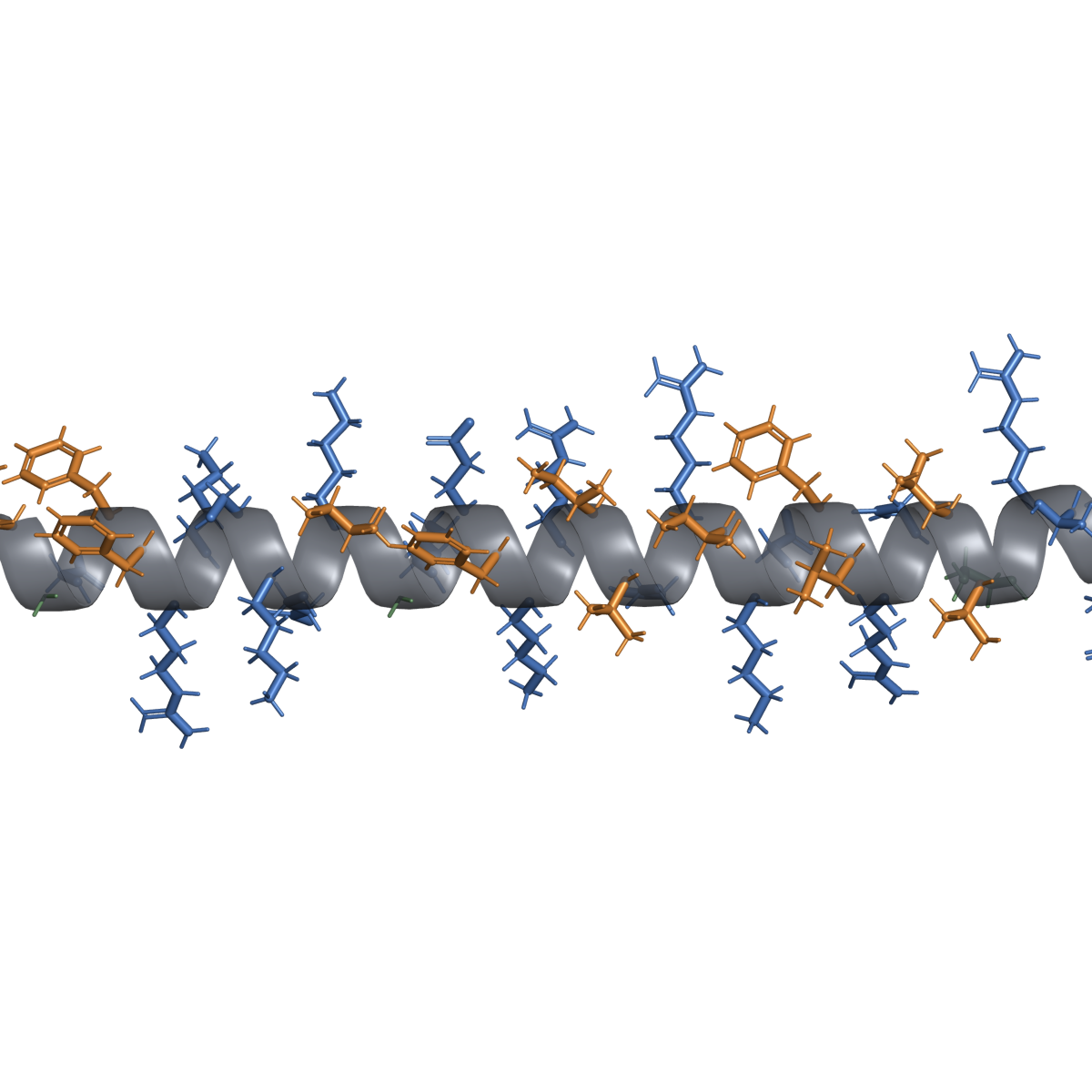
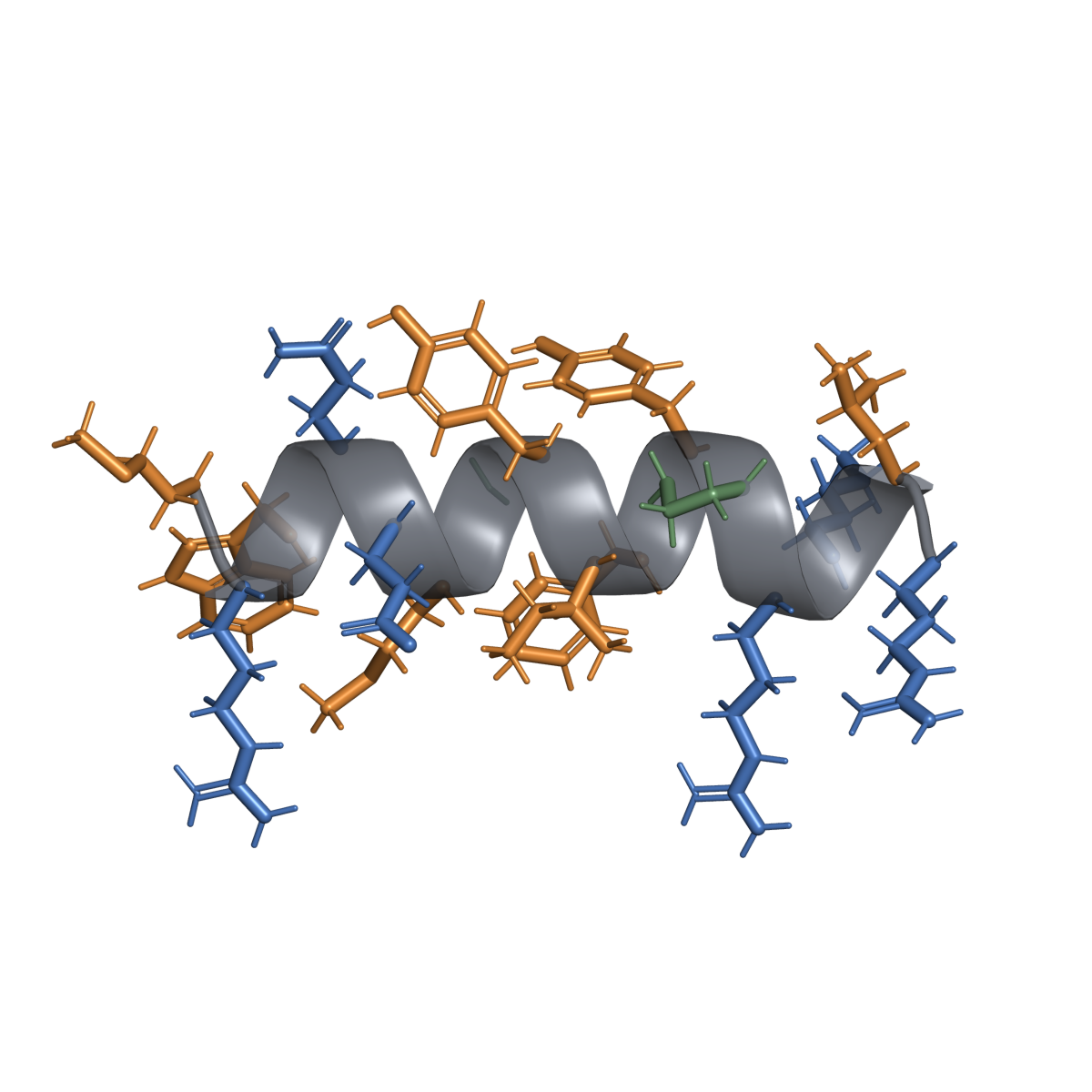
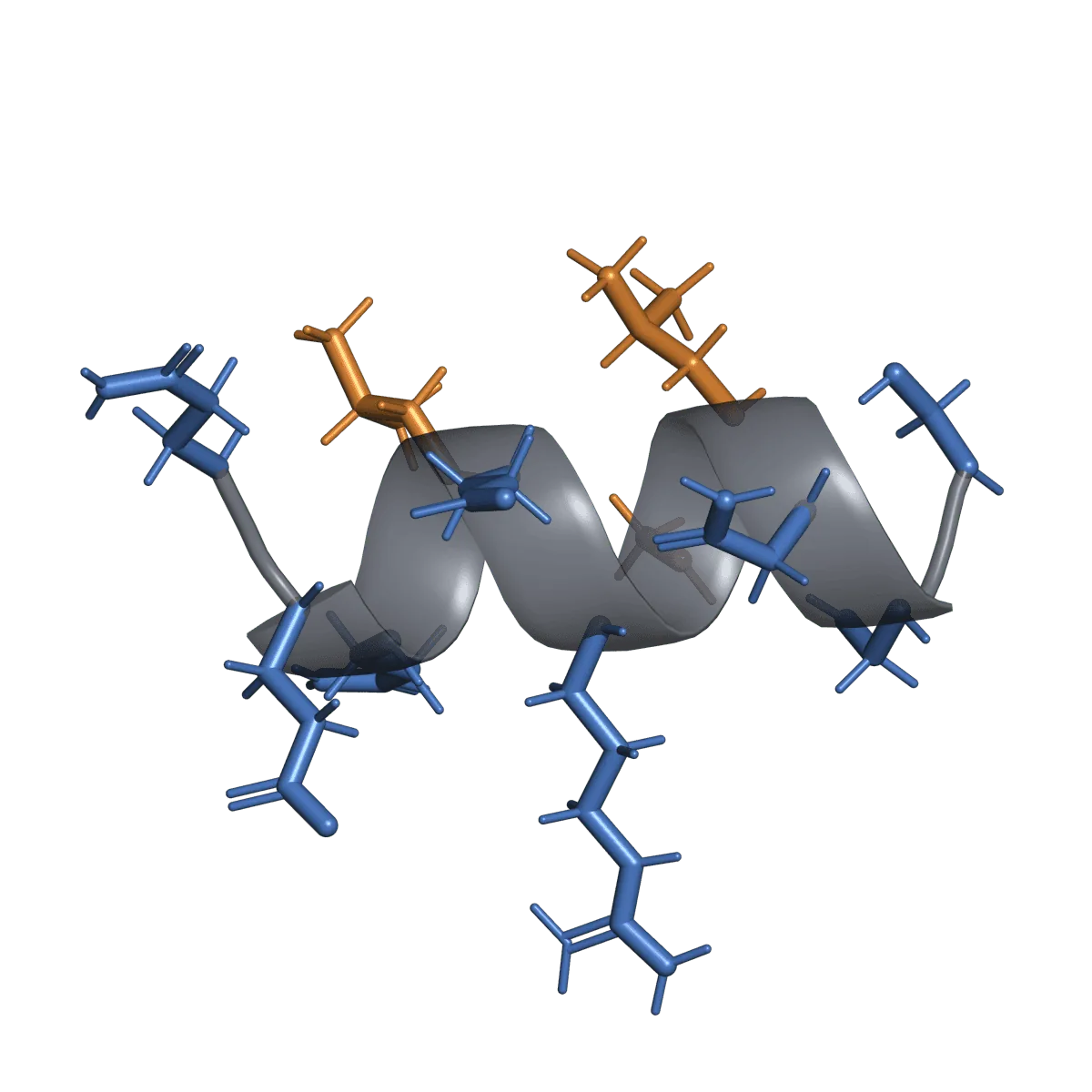
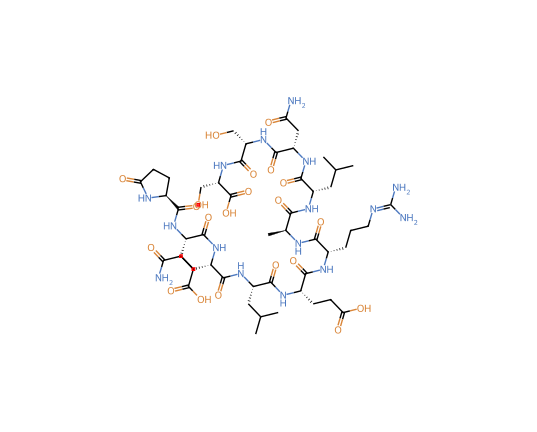
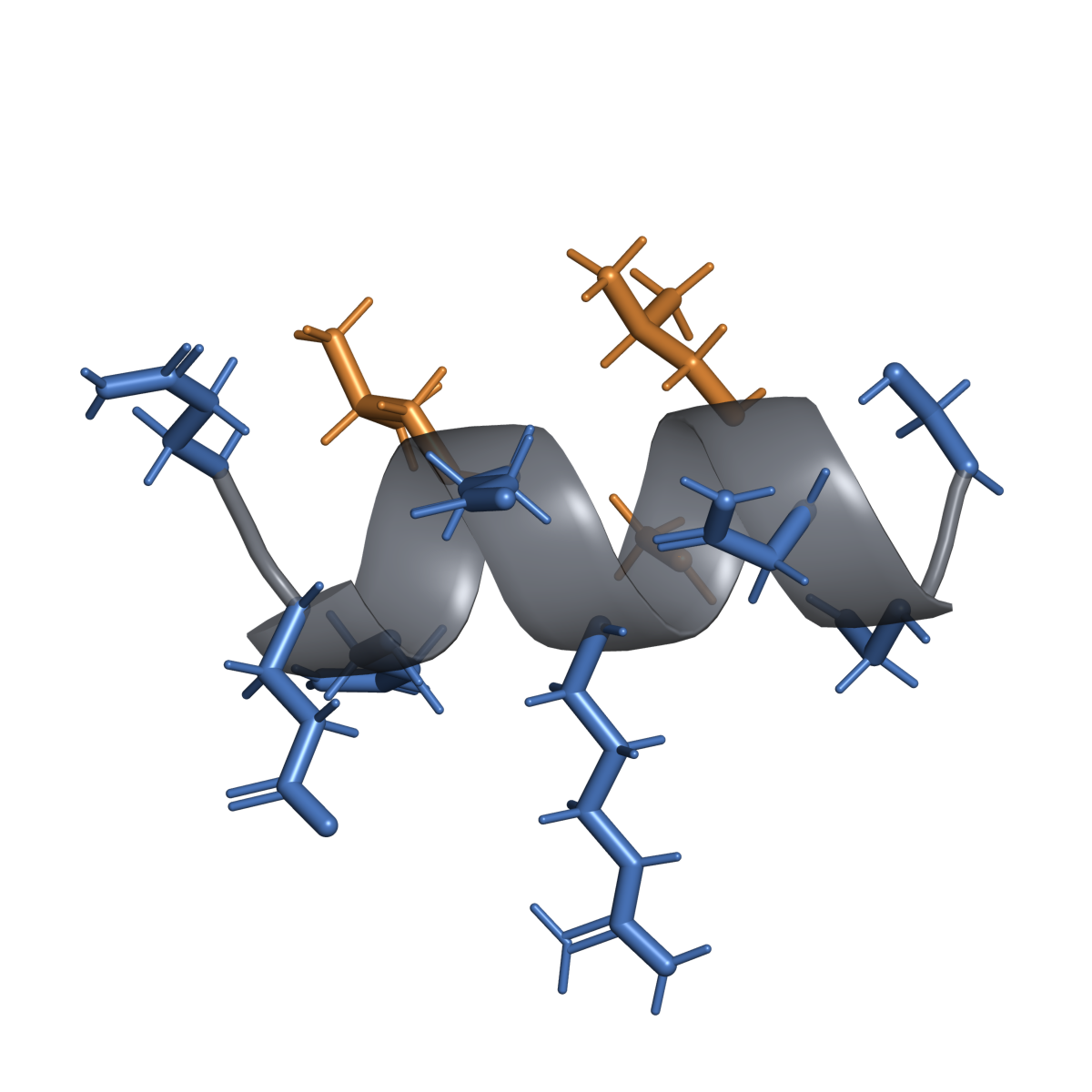
| Molecular/sequence identity | 11-amino-acid peptide: pyroGlu-Glu-Gln-Leu-Glu-Arg-Ala-Leu-Asn-Ser-Ser (pEQELERALNSS) |
| Modifications/form | N-terminal pyroglutamate; linear peptide; MW ~1,310 Da |
| Stable identifiers | The record number of a compound in PubChem, the atlas's primary structure-asset source. A registry record or depiction does not authenticate a commercial sample. Definition source: Identity and structure assets methodology · Glossary: 91810664; developed by Araim Pharmaceuticals |
| Identity caveats | Not erythropoietin; does not bind the homodimeric EPO receptor, only the heteromeric IRR. Designation "cibinetide" is the INN. |
Development and approval status
| Jurisdiction | Status and indication | Product/source | As of |
|---|---|---|---|
| United States (FDA) | Not approved. Orphan Drug and Fast Track designations for sarcoidosis-associated neuropathic pain | Araim Pharmaceuticals | 2026-08-06 |
| European Union (EMA) | Orphan Drug Designation for sarcoidosis | Araim Pharmaceuticals | 2026-08-06 |
| Other jurisdictions | Phase 2 completed; status requires a current national-register check | N/A | 2026-08-06 |
- UNITED STATES
- United States (FDA): Not approved. Orphan Drug and Fast Track designations for sarcoidosis-associated neuropathic pain
- EU/EEA
- European Union (EMA): Orphan Drug Designation for sarcoidosis
- UNITED KINGDOM
- No UNITED KINGDOM row is present in the source status table
- OTHER DOCUMENTED
- Other jurisdictions: Phase 2 completed; status requires a current national-register check
Sport status: WADA: S2.1.5 — class-covered. Cibinetide is not individually named, but it is described as an innate repair receptor agonist; S2.1.5 expressly covers innate repair receptor agonists.
Mechanism and pharmacology
Cibinetide activates the innate repair receptor (IRR), a heterocomplex of the EPO receptor and β common receptor (CD131). This triggers tissue-protective signaling: anti-apoptotic (JAK2/STAT3, PI3K/Akt), anti-inflammatory (inhibition of TNF-α and pro-inflammatory cytokine production), and pro-angiogenic pathways. Unlike EPO, cibinetide does not stimulate erythropoiesis. It promotes nerve fiber regeneration and has demonstrated effects on small nerve fiber growth in the cornea and skin. Its serum The time for the amount of a substance in the body to fall by half. Definition source: Neutral gloss; usage context: Routes, devices, and absorption primer · Glossary is approximately 2-5 minutes; despite rapid clearance, it produces sustained biological effects consistent with a signaling-switch mechanism.
Evidence by claim
| Claim/indication | Stage | Grade | Best human evidence | Main result | Important limitations |
|---|---|---|---|---|---|
| Sarcoidosis small fiber neuropathy (nerve regeneration) | Phase 2b | B | Multicenter A study in which participants are assigned to the study material or a comparator by chance. Definition source: Neutral gloss; usage context: Evidence grading methodology · Glossary (n=64): cibinetide 4 mg Administered into the tissue layer under the skin. Definition source: Neutral gloss; usage context: Routes, devices, and absorption primer · Glossary daily × 28 days | Significant increase in corneal nerve fiber area (p=0.012) and GAP-43+ fibers (p=0.035) | Surrogate endpoint (nerve fiber density); Phase 3 not yet conducted |
| Sarcoidosis neuropathic pain | Phase 2 | B | RCT (n=22): ARA-290 2 mg Administered into a vein. Definition source: Neutral gloss; usage context: Routes, devices, and absorption primer · Glossary 3×/week × 4 weeks | Significant improvement in SFNSL score vs An inactive comparator used in a controlled study. Definition source: Neutral gloss; usage context: Evidence grading methodology · Glossary (p<0.05) | Small sample; single center |
| Diabetes neuropathic pain | Phase 2 | C | A study in which participants and investigators know what is administered. Definition source: Neutral gloss; usage context: Evidence grading methodology · Glossary + Phase 2 RCT | Improved metabolic profiles and nerve fiber density | Early-stage; more data needed |
| Tissue protection (renal, cardiac) | Evidence from in vitro or animal studies with no adequate human efficacy evidence — the atlas Grade D lane. Definition source: Evidence grading methodology · Glossary | D | None | Animal models only | Not yet in human trials |
- AGrade A: Established for a specific labeled use
- BGrade B: Moderate human evidence
- CGrade C: Preliminary human evidence
- DGrade D: Preclinical only
- EGrade E: Anecdotal/marketing claim
- XGrade X: Evidence contradicts or does not support the claim
Text alternative for the claim-evidence diagram. Each grade is defined below:
- A — Established for a specific labeled use
- 0 claims
- B — Moderate human evidence
- 2 claims: Sarcoidosis small fiber neuropathy (nerve regeneration); Sarcoidosis neuropathic pain
- C — Preliminary human evidence
- 1 claim: Diabetes neuropathic pain
- D — Preclinical only
- 1 claim: Tissue protection (renal, cardiac)
- E — Anecdotal/marketing claim
- 0 claims
- X — Evidence contradicts or does not support the claim
- 0 claims
Key studies
| Study | Design/population | Exposure studied | Endpoints and result | Limitations |
|---|---|---|---|---|
| Heij et al. 2012 | A study in which participants are assigned to the study material or a comparator by chance. Definition source: Neutral gloss; usage context: Evidence grading methodology · Glossary, DBPC, n=22 sarcoidosis SFN patients | ARA-290 2 mg Administered into a vein. Definition source: Neutral gloss; usage context: Routes, devices, and absorption primer · Glossary 3×/week × 4 weeks | SFNSL score improved vs An inactive comparator used in a controlled study. Definition source: Neutral gloss; usage context: Evidence grading methodology · Glossary (Δ -11.5 vs -2.9, p<0.05) | Small N; single center; exploratory |
| Culver et al. 2013 (NTR3575) | RCT, DBPC, n= sarcoidosis SNFLD | ARA-290 Administered into the tissue layer under the skin. Definition source: Neutral gloss; usage context: Routes, devices, and absorption primer · Glossary daily × 28 days | Increased corneal nerve fiber density; improved 6MWT; improved pain scores | Single center; surrogate endpoints |
| Culver et al. 2017 (NCT02039687) | Phase 2b, DBPC, multicenter, n=64 sarcoidosis SNFL [1] | Cibinetide 1, 4, or 8 mg SC daily × 28 days | 4 mg group: CNFA increase p=0.012; GAP-43+ increase p=0.035; pain improvement in moderate-severe subgroup | Surrogate primary endpoint; Phase 3 pending |
| Diabetes neuropathy | Phase 2 RCT | ARA-290 SC × 28 days | Improved metabolic control and nerve function | Preliminary; small sample |
Dose and administration evidence
Approved labeled regimen
None.
Studied regimens (not recommendations)
Sarcoidosis SFN: 4 mg Administered into the tissue layer under the skin. Definition source: Neutral gloss; usage context: Routes, devices, and absorption primer · Glossary daily for 28 days (optimal dose per Phase 2b).
Pilot study: 2 mg Administered into a vein. Definition source: Neutral gloss; usage context: Routes, devices, and absorption primer · Glossary three times weekly for 4 weeks.
What is not established
No established or recommended human dose. Phase 3 dose confirmation is pending.
Safety
Established label risks
None — no approved label.
Human-study signals
Across Phase 1 and Phase 2 trials (total over 100 subjects), cibinetide was well tolerated with no drug-related serious adverse events. As a non-erythropoietic peptide, it does not cause erythrocytosis or hypertension (complications of EPO therapy). Injection-site reactions were the most commonly reported AE.
Unknowns and product-quality risks
Long-term safety beyond 28 days of daily dosing is limited to short-term follow-up.
No Phase 3 safety database.
As an A clinical-stage candidate with scientific or public relevance. Investigation is not approval, and a studied exposure is not a recommendation. Definition source: Scope and selection methodology · Glossary drug, no pharmaceutical-grade product is available outside clinical trials.
Research chemical products labeled "ARA-290" may not be equivalent to clinical trial material.
Interactions and special populations
No formal drug-interaction studies. No data in pregnancy, lactation, or pediatric populations.
Regulatory, compounding, and sport notes
FDA: Orphan Drug and Fast Track designations for sarcoidosis neuropathic pain. Araim Pharmaceuticals has completed end-of-Phase 2 meeting with FDA.
No FDA-approved product or EMA-authorized medicine was identified. This page does not establish compounding eligibility or availability; those questions are product-, jurisdiction-, and fact-specific.
The World Anti-Doping Agency; its Prohibited List classifies many peptides as prohibited substances in sport. Definition source: WADA and sport regulation brief · Glossary: S2.1.5 — class-covered. Cibinetide is not individually named, but it is described as an innate repair receptor agonist; S2.1.5 expressly covers innate repair receptor agonists.
Evidence gaps
No Phase 3 confirmatory trial completed or publicly reported.
The optimal dose and duration for indications beyond sarcoidosis neuropathy are unknown.
Diabetes neuropathy data are preliminary.
Surrogate endpoints (nerve fiber density) need validation as predictors of clinical benefit.
The short The time for the amount of a substance in the body to fall by half. Definition source: Neutral gloss; usage context: Routes, devices, and absorption primer · Glossary (~minutes) poses formulation and dosing challenges.
Search notes
Databases and registries: PubMed, ClinicalTrials.gov, EudraCT, FDA Orphan Drug database
Search terms: ARA-290, cibinetide, innate repair receptor, sarcoidosis small fiber neuropathy
Last searched: 2026-08-06
Inclusion emphasis: Controlled human trials; distinction from EPO