Bottom line
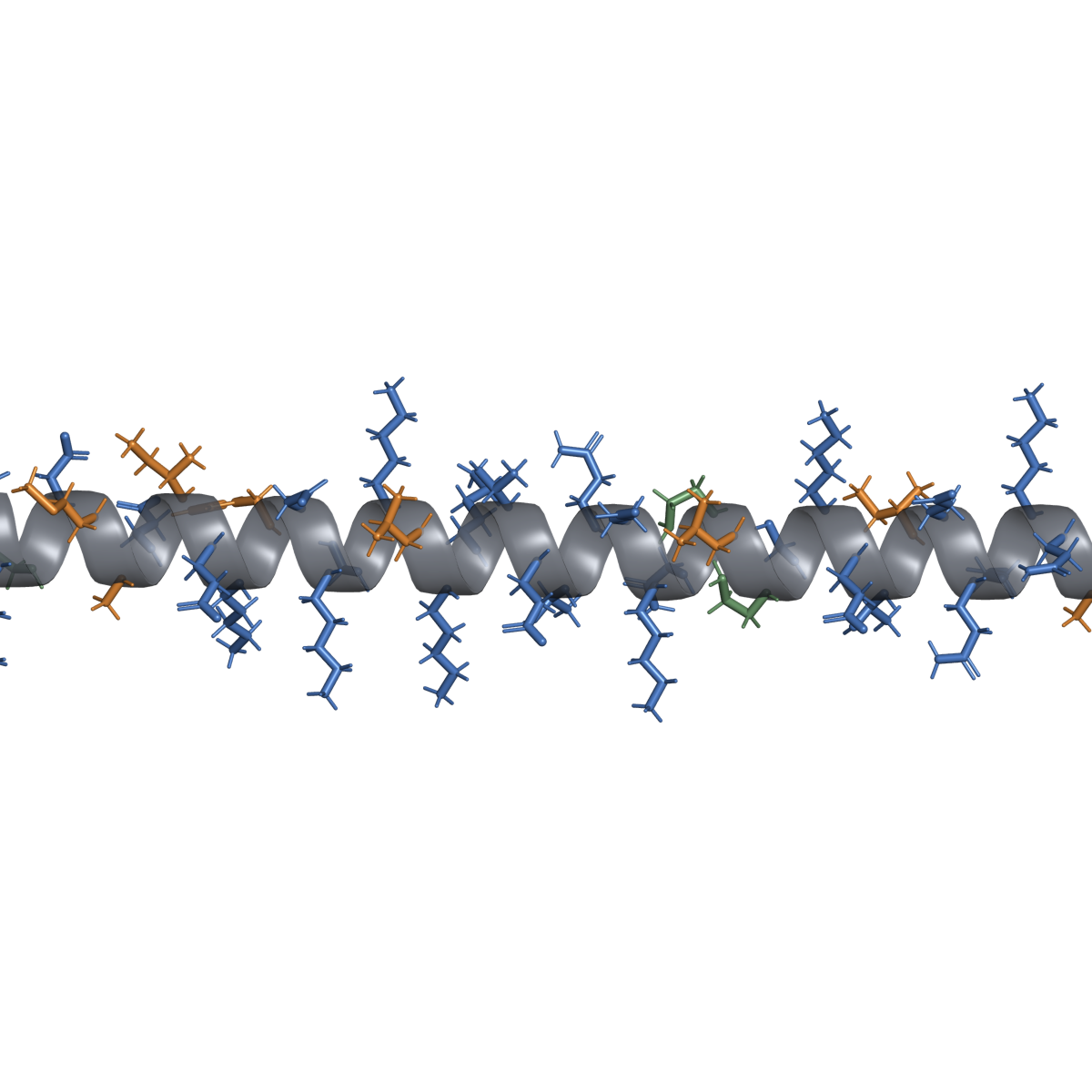
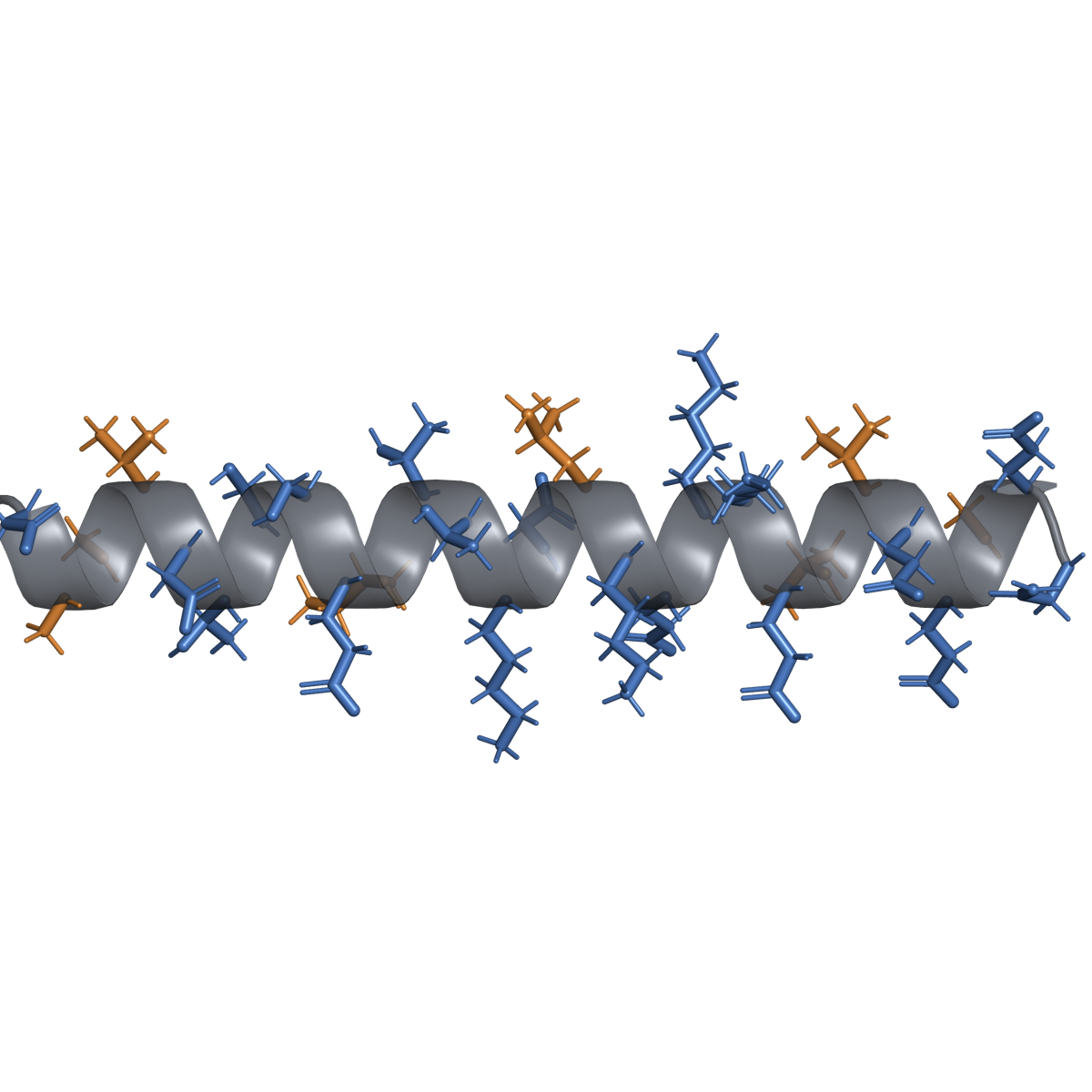
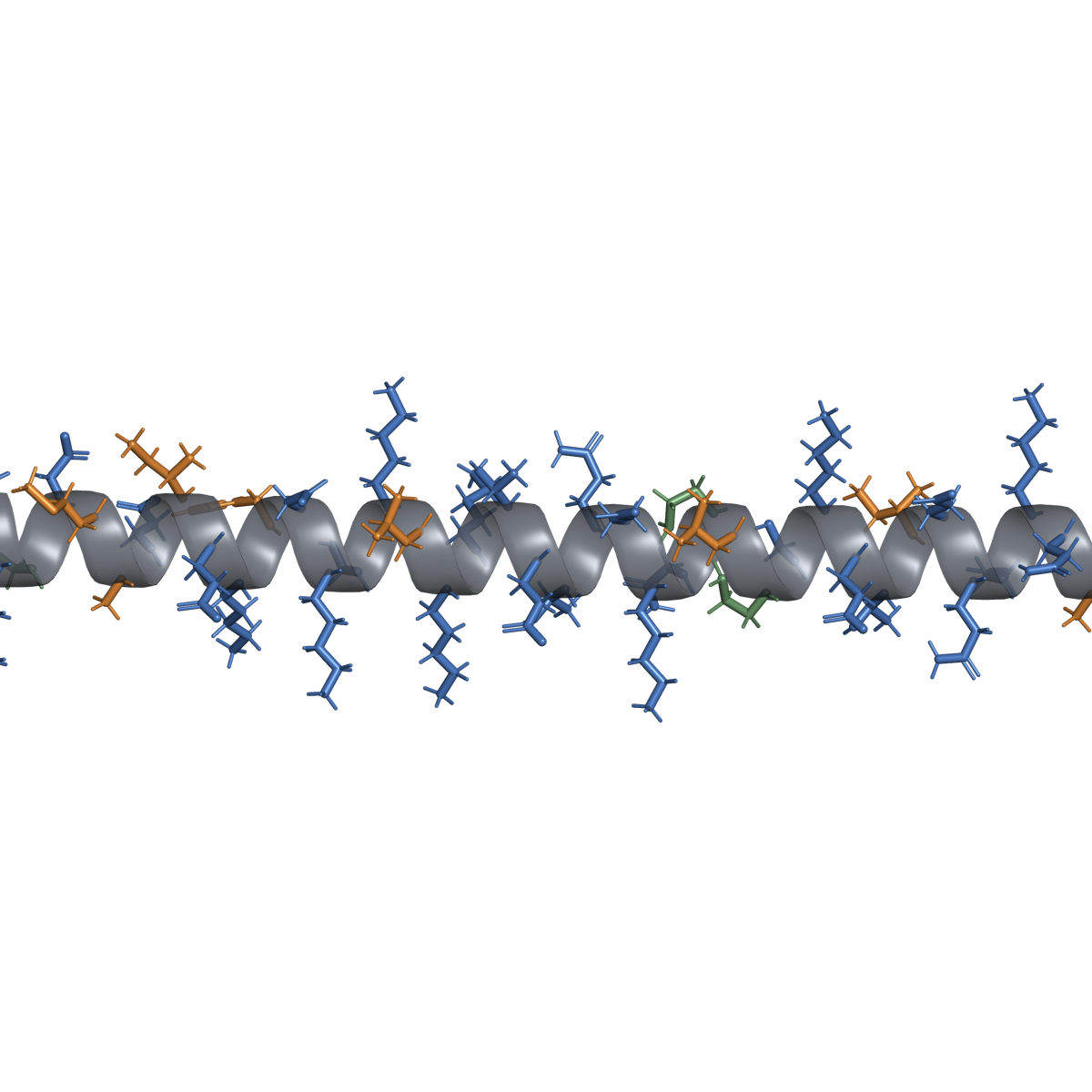
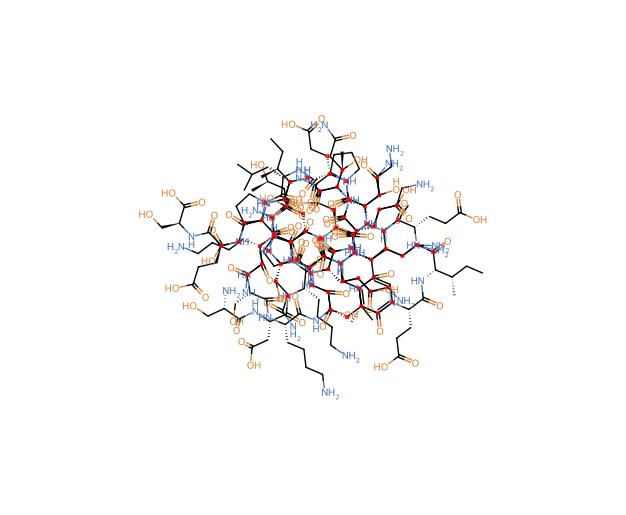
"TB-500" is an ambiguous market label that refers to two chemically distinct molecules: (1) the defined synthetic heptapeptide Ac-LKKTETQ (CAS 885340-08-9, ~889 Da) — the N-acetylated actin-binding motif of thymosin beta-4, residues 17-23 — and (2) the full 43-amino-acid thymosin beta-4 protein (UniProt P62328, ~4,963 Da). Most vendor products labeled "TB-500" are the full-length protein.
Neither form has any FDA-approved indication. Human-specific evidence for the heptapeptide is essentially absent. WADA classifies Tβ4 and its derivatives, including TB-500, as prohibited. See the getting-started guide for context on An entry with frequent visibility in the research-peptide ecosystem. Visibility is not endorsement, and marketed material is not assumed safe, sterile, authentic, or suitable for humans. Fonte da definição: Scope and selection methodology · Glossário peptides.
Identity and composition
| Field | Verified information |
|---|---|
| Preferred name | TB-500 |
| Key aliases | TB500, TB 500, Ac-LKKTETQ (heptapeptide); Thymosin beta-4, Tβ4, Timbetasin (full-length protein) |
| Molecular/sequence identity | Heptapeptide: Ac-Leu-Lys-Lys-Thr-Glu-Thr-Gln (Ac-LKKTETQ); Full protein: 43-aa SDKPDMAEIEKFDKSKLKKTETQEKNPLPSKETIEQEKQAGES |
| Modifications/form | Heptapeptide: N-acetylated; Full protein: N-acetylated |
| Stable identifiers (heptapeptide) | The record number of a compound in PubChem, the atlas's primary structure-asset source. A registry record or depiction does not authenticate a commercial sample. Fonte da definição: Identity and structure assets methodology · Glossário 62707662; CAS 885340-08-9; UNII QHK6Z47GTG; formula C38H68N10O14; MW 889 Da |
| Stable identifiers (full protein) | UniProt P62328; CAS 77591-33-4; PubChem CID 45382195; MW ~4,963 Da |
| Identity caveats | "TB-500" names two distinct molecules differing ~5.6× in molecular weight. The heptapeptide is the actin-binding motif; the full protein is the parent Tβ4. Vendor labeling is inconsistent — verify against certificate of analysis before assuming identity. |
Development and approval status
| Jurisdiction | Status and indication | Product/source | As of |
|---|---|---|---|
| United States (FDA) | Not approved for any indication. FDA lists "Thymosin beta-4, fragment (LKKTETQ), also known as TB-500" as a bulk drug substance | N/A | 2026-08-06 |
| The World Anti-Doping Agency; its Prohibited List classifies many peptides as prohibited substances in sport. Fonte da definição: WADA and sport regulation brief · Glossário | Prohibited under S2.3, which explicitly names thymosin-β4 and derivatives such as TB-500 | N/A | 2026-08-06 |
| Other jurisdictions | Status not established here; online research-chemical listings are not approvals | — | 2026-08-06 |
- UNITED STATES
- United States (FDA): Not approved for any indication. FDA lists "Thymosin beta-4, fragment (LKKTETQ), also known as TB-500" as a bulk drug substance
- EU/EEA
- No EU/EEA row is present in the source status table
- UNITED KINGDOM
- No UNITED KINGDOM row is present in the source status table
- OTHER DOCUMENTED
- Other jurisdictions: Status not established here; online research-chemical listings are not approvals
Sport status: Prohibited under S2.3, which explicitly names thymosin-β4 and derivatives such as TB-500
Mechanism and pharmacology
The heptapeptide fragment
The heptapeptide LKKTETQ is the conserved actin-binding motif of thymosin beta-4. It binds monomeric G-actin and may influence actin polymerization dynamics.
The full-length protein
Full-length Tβ4 is the principal intracellular G-actin-sequestering peptide and also promotes angiogenesis, cell migration, and wound healing through multiple pathways including VEGF, PI3K/Akt/eNOS, and laminin-332 upregulation.
Evidence boundary
Mechanistic literature overwhelmingly concerns the full-length protein, not the heptapeptide fragment. Human evidence specific to the heptapeptide is absent.
Evidence by claim
See the evidence grading methodology for an explanation of Grade letters.
| Claim/indication | Stage | Grade | Best human evidence | Main result | Important limitations |
|---|---|---|---|---|---|
| Wound healing (TB-500 heptapeptide) | Evidence from in vitro or animal studies with no adequate human efficacy evidence — the atlas Grade D lane. Fonte da definição: Evidence grading methodology · Glossário | D | None | One in vitro fibroblast wound-healing assay (metabolite Ac-LKKTE showed activity); no in vivo human data | All evidence refers to full-length Tβ4 or in vitro fragment studies |
| Musculoskeletal recovery | Preclinical | D | None | Animal models use full-length Tβ4, not the heptapeptide | No human evidence for heptapeptide |
| Tissue healing/regeneration | Preclinical | D | None | Scoping review: 70/80 studies used full-length Tβ4; only 1 direct TB-500 study (metabolite profiling) | TB-500-specific evidence essentially absent |
- AGrau A: Estabelecido para um uso rotulado específico
- BGrau B: Evidência humana moderada
- CGrau C: Evidência humana preliminar
- DGrau D: Apenas pré-clínico
- EGrau E: Alegação anedótica/de marketing
- XGrau X: A evidência contradiz ou não apoia a alegação
Text alternative for the claim-evidence diagram. Each grade is defined below:
- A — Established for a specific labeled use
- 0 claims
- B — Moderate human evidence
- 0 claims
- C — Preliminary human evidence
- 0 claims
- D — Preclinical only
- 3 claims: Wound healing (TB-500 heptapeptide); Musculoskeletal recovery; Tissue healing/regeneration
- E — Anecdotal/marketing claim
- 0 claims
- X — Evidence contradicts or does not support the claim
- 0 claims
Key studies
| Study | Design/population | Exposure studied | Endpoints and result | Limitations |
|---|---|---|---|---|
| Esposito et al. 2012 | Analytical chemistry; identified Ac-LKKTETQ in TB-500 products | N/A | Confirmed heptapeptide identity in TB-500 samples | Chemical analysis only; no biological or clinical data |
| Ho et al. 2012 | Doping control; LC-MS method for TB-500 detection in equine urine/plasma | N/A | Analytical method development | No efficacy or safety data |
| Scoping review (MDPI 2026) | Literature mapping of TB4/TB-500 studies | n=80 studies | 70/80 on full-length Tβ4; 5 An entry with substantial scientific visibility or identity value. Biological rationale and non-human evidence do not establish patient benefit. Fonte da definição: Scope and selection methodology · Glossário/derivative; 4 fragment; 1 direct TB-500 | Confirms near-total absence of human TB-500-specific data |
Dose and administration evidence
Approved labeled regimen
None. Neither the heptapeptide nor full-length Tβ4 is approved for any indication.
Studied regimens (not recommendations)
No controlled human studies of the heptapeptide have been published. Dosing protocols promoted in unregulated markets are unsubstantiated.
What is not established
No established or recommended human dose.
Safety
Established label risks
None — no approved label.
Human-study signals
No controlled human safety data exist for the heptapeptide. Full-length Tβ4 ophthalmic safety data (from RGN-259 trials) do not apply to systemic or fragment use.
Unknowns and product-quality risks
Identity uncertainty is the primary risk: a vial labeled "TB-500" may contain either the 889 Da heptapeptide or the 4,963 Da full protein, with different properties and no interchangeable evidence base.
Products are unregulated research chemicals; purity, sterility, identity, and endotoxin are unverified.
FDA has identified the TB-500 fragment as a bulk substance that may present significant safety risks in compounding due to limited human exposure data.
The World Anti-Doping Agency; its Prohibited List classifies many peptides as prohibited substances in sport. Fonte da definição: WADA and sport regulation brief · Glossário prohibits Tβ4 and derivatives.
Interactions and special populations
No data available for any population or drug class.
Regulatory, compounding, and sport notes
FDA: The heptapeptide (Ac-LKKTETQ) is on the FDA's list of bulk drug substances reviewed for compounding safety. See the identity and structure assets methodology for how separating the two entities was verified.
WADA: Prohibited under S2.3 (growth factors and growth-factor modulators) on the 2026 Prohibited List. See the WADA and sport regulation brief.
The heptapeptide and full-length Tβ4 are chemically distinct with separate CAS, UNII, and PubChem CID records. Regulatory documents must be read carefully to determine which entity is referenced.
No pharmaceutical-grade TB-500 exists; all supply is through unregulated research-chemical channels.
Evidence gaps
No human clinical trial of the defined heptapeptide exists for any indication.
No How a substance is absorbed, distributed, metabolized, and eliminated by the body; atlas pages report pharmacokinetic data such as half-life, metabolism, and clearance. Fonte da definição: Neutral gloss; usage context: Routes, devices, and absorption primer · Glossário, dose-finding, or safety study in humans.
The literature base attributed to "TB-500" overwhelmingly concerns full-length Tβ4 and cannot be assumed to apply to the fragment.
Independent analytical testing of vendor "TB-500" products is limited; actual contents of marketed vials are poorly characterized.
Search notes
Databases and registries: PubMed, PubChem, FDA UNII, The World Anti-Doping Agency; its Prohibited List classifies many peptides as prohibited substances in sport. Fonte da definição: WADA and sport regulation brief · Glossário Prohibited List, FDA Bulk Substances List
Search terms: TB-500, Ac-LKKTETQ, thymosin beta-4 fragment, TB500 doping
Last searched: 2026-08-06
Inclusion emphasis: Distinguishing heptapeptide from full-length Tβ4; prioritizing entity-specific evidence
Sources
Rahaman KA, et al. Simultaneous quantification of TB-500 and its metabolites in in-vitro experiments and rats by UHPLC-Q-Exactive orbitrap MS/MS and their screening by wound healing activities in-vitro. J Chromatogr B. 2024;1235:124033. DOI 10.1016/j.jchromb.2024.124033. https://doi.org/10.1016/j.jchromb.2024.124033