
Bottom line
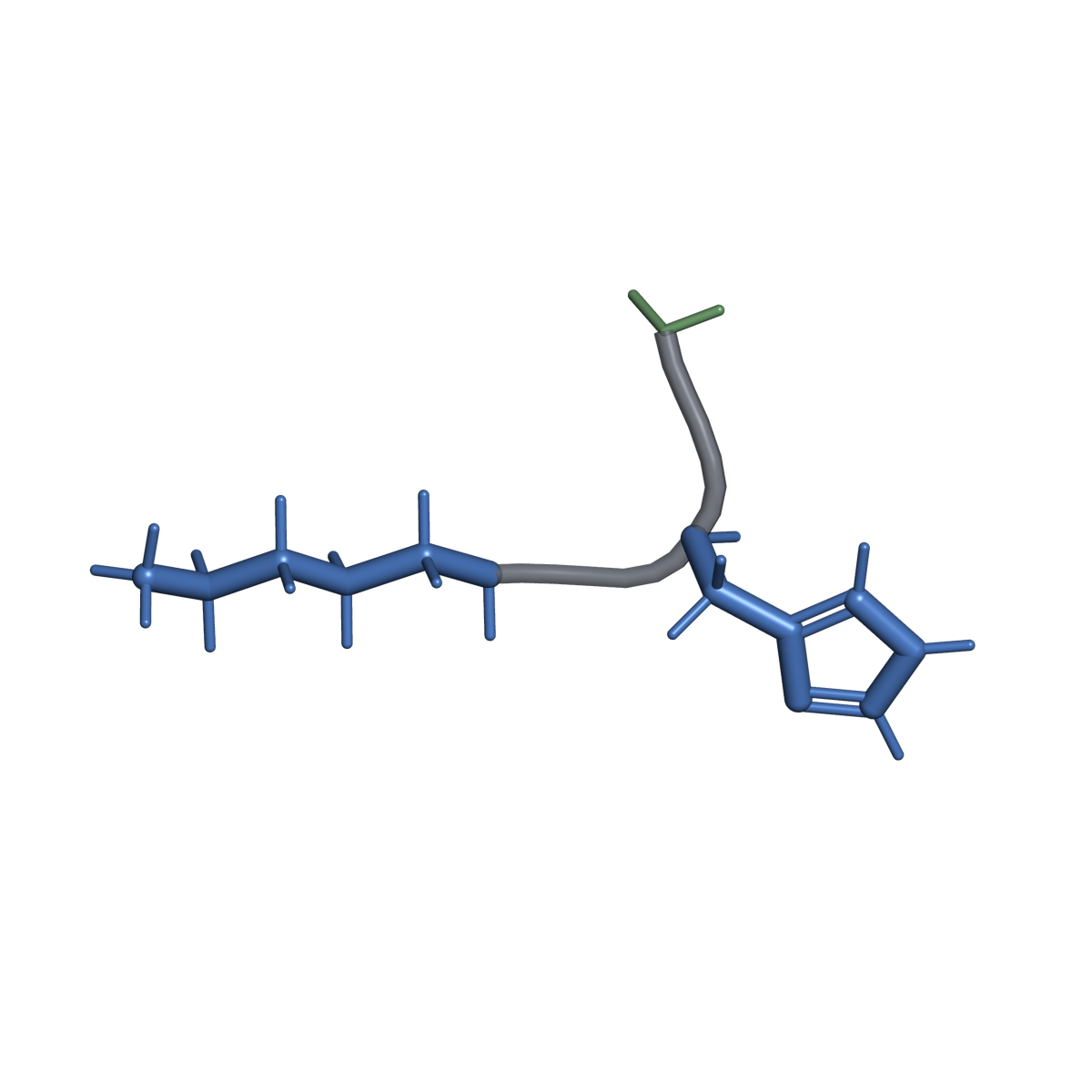
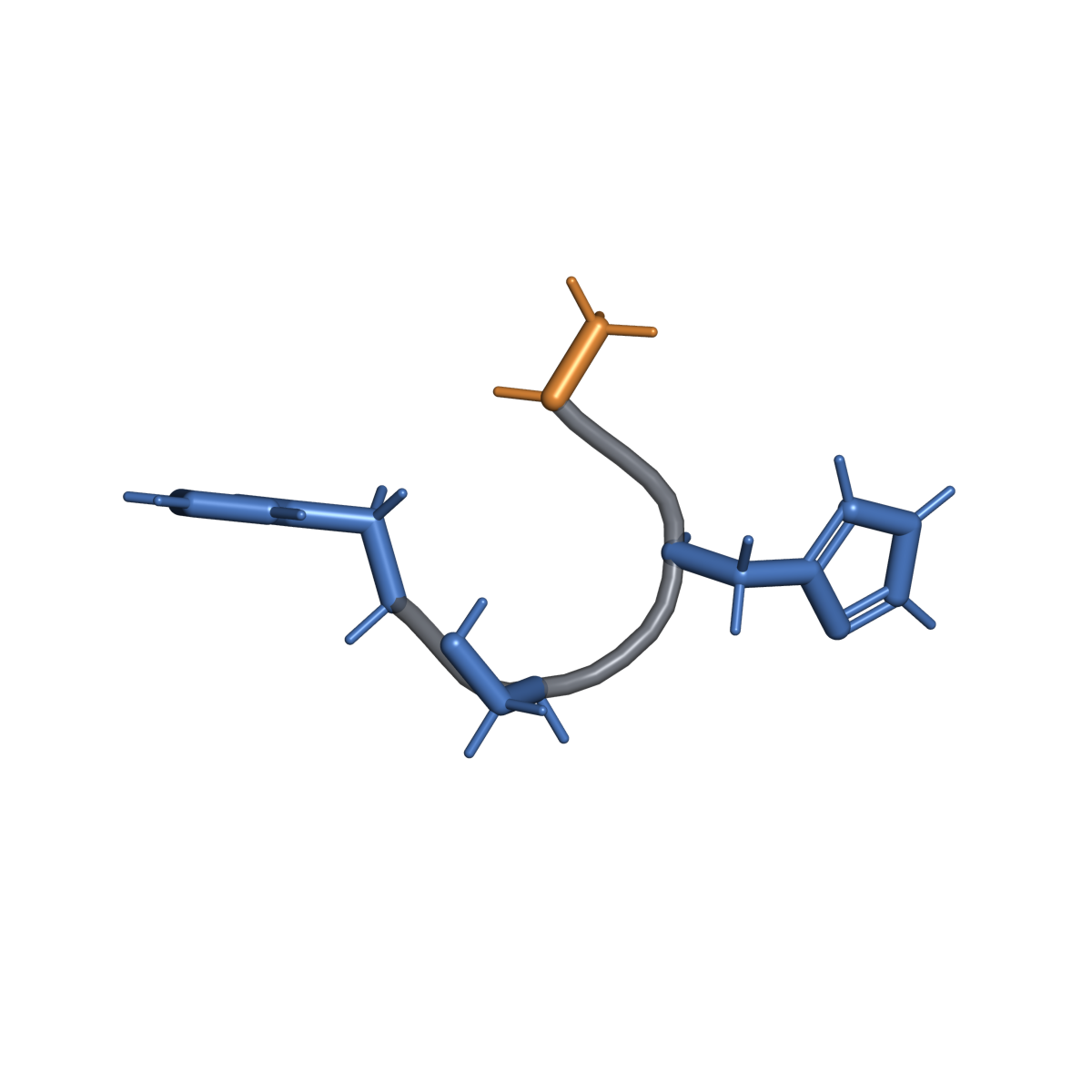
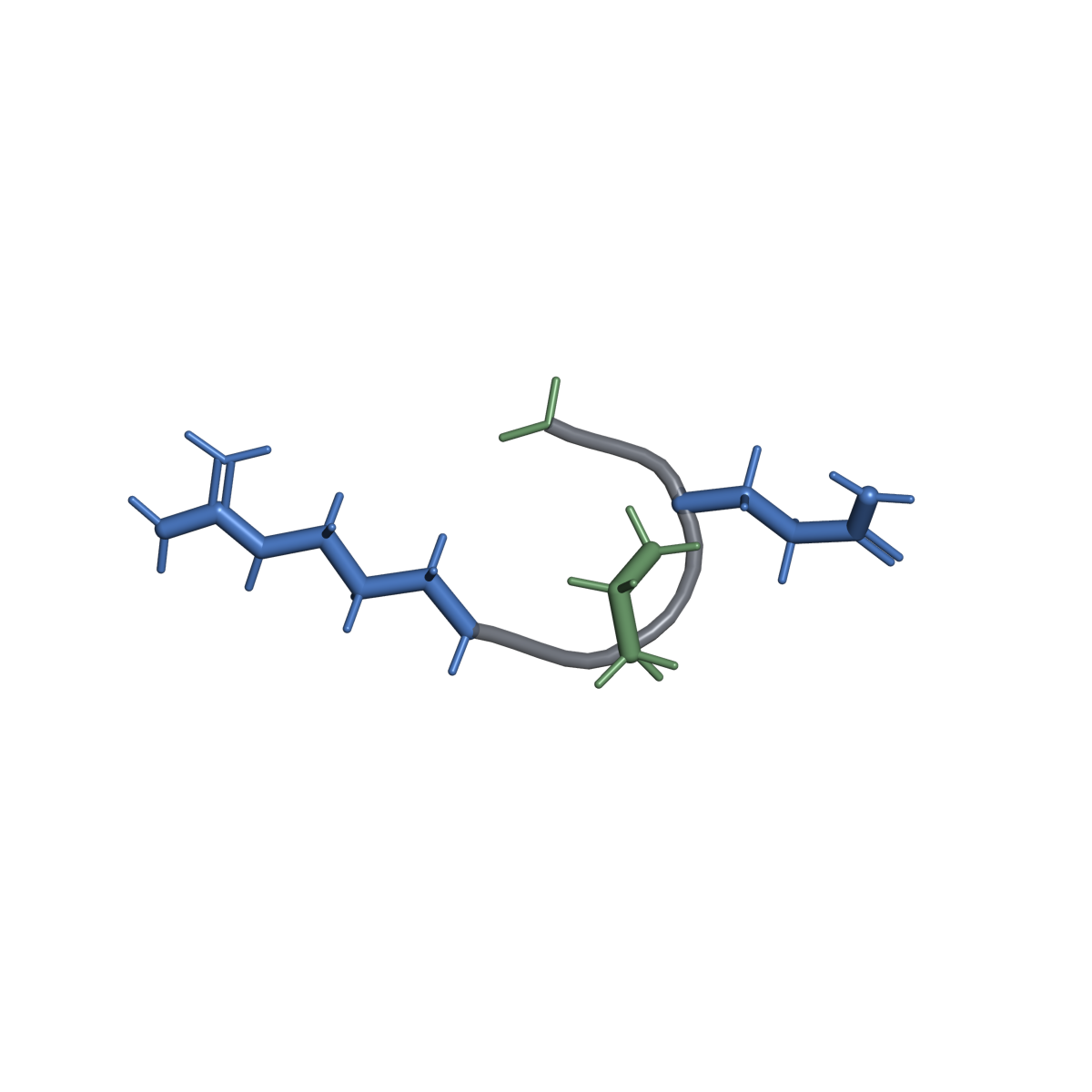
Palmitoyl tetrapeptide-7 (INCI name; Pal-GQPR) is a synthetic lipopeptide consisting of the tetrapeptide glycyl-glutaminyl-prolyl-arginine conjugated to palmitic acid. It is marketed as an anti-inflammatory matrikine that modulates cytokine signaling and supports extracellular-matrix maintenance. It is commonly co-formulated with palmitoyl tripeptide-1 as the Matrixyl 3000 complex or with other ingredients as the Eyeliss complex for periorbital use. Clinical evidence is largely manufacturer-sponsored and derived from combination products. The Cosmetic Ingredient Review (CIR) published a safety assessment in 2018 (Int J Toxicol. 2018;37(3 suppl):90S-102S) that includes palmitoyl tetrapeptide-7 alongside tripeptide-1, hexapeptide-12, and related acyl derivatives in a grouped evaluation. The CIR use-concentration survey reported palmitoyl hexapeptide-12 at up to 0.002% in leave-on products and palmitoyl tripeptide-1 at up to 0.001%; it did not report a specific maximum for palmitoyl tetrapeptide-7 as an isolated ingredient. No human clinical trial indexed in PubMed isolates palmitoyl tetrapeptide-7 as a sole active ingredient.
Identity and composition
| Field | Verified information |
|---|---|
| Preferred name | Palmitoyl tetrapeptide-7 |
| Key aliases | Pal-GQPR, Palmitoyl-GQPR, Matrixyl 3000 component |
| Molecular/sequence identity | N-palmitoyl-glycyl-L-glutaminyl-L-prolyl-L-arginine |
| Modifications/form | Palmitoylation of the tetrapeptide GQPR facilitates skin penetration |
| Stable identifiers | CAS 221227-05-0; CosIng ref 56918; UNII Q41S464P1R; The record number of a compound in PubChem, the atlas's primary structure-asset source. A registry record or depiction does not authenticate a commercial sample. Definition source: Identity and structure assets methodology · Glossary: 10078408 |
| Identity caveats | PubChem does not have a dedicated CID record for this exact compound; CAS/UNII are the preferred identifiers. The compound is distinct from palmitoyl tripeptide-1 with which it is frequently co-formulated. |
Development and approval status
| Jurisdiction | Status and indication | Product/source | As of |
|---|---|---|---|
| EU (CosIng) | Listed in the CosIng inventory; an INCI listing is an inventory entry, not a regulatory authorisation or safety approval | INCI name: Palmitoyl Tetrapeptide-7; skin conditioning function | 2026-08-06 |
| US (FDA) | Regulated as a cosmetic ingredient under the FD&C Act; not approved as a drug | FD&C Act | 2026-08-06 |
| US (CIR) | Safe in the present practices of use and concentration described in the grouped assessment. The survey reported palmitoyl hexapeptide-12 at up to 0.002% and palmitoyl tripeptide-1 at up to 0.001%; palmitoyl tetrapeptide-7 was not included in that concentration-of-use survey, so neither value is its ingredient-specific maximum. | 2018 final safety assessment (Int J Toxicol. 2018;37(3 suppl):90S-102S) | 2026-08-06 |
| EU (SCCS) | No specific SCCS opinion; covered under general cosmetic ingredient safety framework | EU Cosmetics Regulation EC 1223/2009 | 2026-08-06 |
- UNITED STATES
- US (FDA): Regulated as a cosmetic ingredient under the FD&C Act; not approved as a drug; US (CIR): Safe in the present practices of use and concentration described in the grouped assessment. The survey reported palmitoyl hexapeptide-12 at up to 0.002% and palmitoyl tripeptide-1 at up to 0.001%; palmitoyl tetrapeptide-7 was not included in that concentration-of-use survey, so neither value is its ingredient-specific maximum.
- EU/EEA
- EU (CosIng): Listed in the CosIng inventory; an INCI listing is an inventory entry, not a regulatory authorisation or safety approval; EU (SCCS): No specific SCCS opinion; covered under general cosmetic ingredient safety framework
- UNITED KINGDOM
- No UNITED KINGDOM row is present in the source status table
- OTHER DOCUMENTED
- No OTHER DOCUMENTED row is present in the source status table
Sport status: WADA: palmitoyl tetrapeptide-7 was not identified by exact name in the 2026 Prohibited List, and this review did not identify a matching prohibited class for the topical cosmetic use described here. Absence of an exact-name entry is not blanket permission; athletes should check the exact product, route, and current List with their anti-doping organisation.
Mechanism and pharmacology
Pal-GQPR is proposed to suppress the release of pro-inflammatory cytokines (IL-6, IL-8) from UV-exposed or senescent fibroblasts, thereby reducing the chronic low-grade inflammation associated with skin aging (inflammaging). The palmitoyl group enhances skin penetration. The tetrapeptide sequence GQPR mimics a fragment of the complement C3a anaphylatoxin, which has immunomodulatory activity. Evidence is primarily from in vitro studies by the manufacturer (Sederma / Croda). The in vivo relevance of these proposed mechanisms to human skin aging has not been independently confirmed.
Evidence by claim
| Claim/indication | Stage | Grade | Best human evidence | Main result | Important limitations |
|---|---|---|---|---|---|
| Anti-aging, wrinkle reduction (as Matrixyl 3000) | Cosmetic | C | Vehicle-controlled study of combination product | Reduced wrinkle depth (photographic grading) | Combination product; cannot isolate Pal-GQPR effect; manufacturer-sponsored |
| Anti-inflammatory (inflammaging) | Cosmetic | D | In vitro only | Reduced IL-6 and IL-8 in fibroblast cultures | No adequate human confirmation; mechanistic inference |
| Periorbital improvement (as Eyeliss complex) | Cosmetic | C | A study in which participants and investigators know what is administered. Definition source: Neutral gloss; usage context: Evidence grading methodology · Glossary study of combination formula | Improvement in under-eye bags and dark circles | Multi-ingredient formulation; small sample |
- AGrade A: Established for a specific labeled use
- BGrade B: Moderate human evidence
- CGrade C: Preliminary human evidence
- DGrade D: Preclinical only
- EGrade E: Anecdotal/marketing claim
- XGrade X: Evidence contradicts or does not support the claim
Text alternative for the claim-evidence diagram. Each grade is defined below:
- A — Established for a specific labeled use
- 0 claims
- B — Moderate human evidence
- 0 claims
- C — Preliminary human evidence
- 2 claims: Anti-aging, wrinkle reduction (as Matrixyl 3000); Periorbital improvement (as Eyeliss complex)
- D — Preclinical only
- 1 claim: Anti-inflammatory (inflammaging)
- E — Anecdotal/marketing claim
- 0 claims
- X — Evidence contradicts or does not support the claim
- 0 claims
Key studies
| Study | Design/population | Exposure studied | Endpoints and result | Limitations |
|---|---|---|---|---|
| CIR safety assessment (2018) | Grouped review of toxicology and clinical data | Palmitoyl tetrapeptide-7 was not included in the concentration survey; the survey maxima were 0.002% for palmitoyl hexapeptide-12 and 0.001% for palmitoyl tripeptide-1 | Panel concluded the reviewed ingredients were safe in the present practices of use and concentration | Grouped inference and industry-submitted data; no ingredient-specific use maximum for palmitoyl tetrapeptide-7 |
| Sederma (Matrixyl 3000) studies | Vehicle-controlled, ~40 volunteers | Combination with palmitoyl tripeptide-1 | Reduced wrinkle depth vs vehicle | Combination product; cannot attribute to Pal-GQPR alone |
Dose and administration evidence
Approved labeled regimen
Palmitoyl tetrapeptide-7 is a cosmetic ingredient, not an approved drug. No established or recommended human dose.
Studied regimens (not recommendations)
Cosmetic use concentrations at ppm-range levels in finished leave-on products (the CIR safety assessment concentration survey did not report a specific maximum concentration for palmitoyl tetrapeptide-7 as an isolated ingredient).
What is not established
No established or recommended human dose. Formulation-dependent penetration and efficacy.
Safety
Established label risks
Not applicable.
Human-study signals
The CIR panel relied on the low typical use concentrations plus grouped repeated-dose, irritation, sensitization, and genotoxicity data. Those data should not be read as an ingredient-specific human safety trial of isolated palmitoyl tetrapeptide-7.
Unknowns and product-quality risks
Penetration and efficacy depend on formulation vehicle
No injection safety data (product is a topical cosmetic ingredient; injection poses unknown risks)
No pregnancy/lactation safety data for systemic exposure
Interactions and special populations
No known interactions from topical use.
Regulatory, compounding, and sport notes
EU CosIng: listed in the cosmetic ingredient inventory (INCI entry; does not constitute regulatory approval)
US: regulated as a cosmetic ingredient; no FDA drug approval
The World Anti-Doping Agency; its Prohibited List classifies many peptides as prohibited substances in sport. Definition source: WADA and sport regulation brief · Glossary: palmitoyl tetrapeptide-7 was not identified by exact name in the 2026 Prohibited List, and this review did not identify a matching prohibited class for the topical cosmetic use described here. Absence of an exact-name entry is not blanket permission; athletes should check the exact product, route, and current List with their anti-doping organisation.
Often sold in "research chemical" peptide catalogs for unapproved uses; any injection or internal use would be outside the assessed safety profile
Evidence gaps
No adequate independent clinical trials isolating this ingredient
Mechanism (C3a mimicry, cytokine modulation) not confirmed in human skin in vivo
No robust concentration-response data independently published
Independent PubMed search returns no clinical trial indexed for palmitoyl tetrapeptide-7 as sole active
All published cosmetic efficacy data come from manufacturer-sponsored multi-ingredient formulations
Search notes
Databases and registries: PubMed, EU CosIng, CIR, PubChem, FDA UNII, CAS Common Chemistry, SCCS
Search terms: "palmitoyl tetrapeptide-7", "Pal-GQPR", "Matrixyl 3000", "Eyeliss", "palmitoyl-GQPR"
Last searched: 2026-08-06
Inclusion emphasis: regulatory status, safety assessments, identity records
Sources
Johnson W Jr, et al. Safety Assessment of Tripeptide-1, Hexapeptide-12, Their Metal Salts and Fatty Acyl Derivatives, and Palmitoyl Tetrapeptide-7 as Used in Cosmetics. Int J Toxicol. 2018;37(3 Suppl):90S-102S. DOI: 10.1177/1091581818807863. https://www.cir-safety.org/sites/default/files/peptides.pdf
EU CosIng. Palmitoyl Tetrapeptide-7 (ref 56918). https://ec.europa.eu/growth/tools-databases/cosing/
UNII Q41S464P1R. https://precision.fda.gov/uniisearch/srs/unii/Q41S464P1R
CAS Common Chemistry. Palmitoyl tetrapeptide-7 (CAS 221227-05-0). https://commonchemistry.cas.org/detail?cas_rn=221227-05-0
World Anti-Doping Agency. 2026 Prohibited List. https://www.wada-ama.org/sites/default/files/2025-09/2026list_en_final_clean_september_2025.pdf
Sederma (Croda). Matrixyl 3000 product dossier. Manufacturer-reported data.