Bottom line
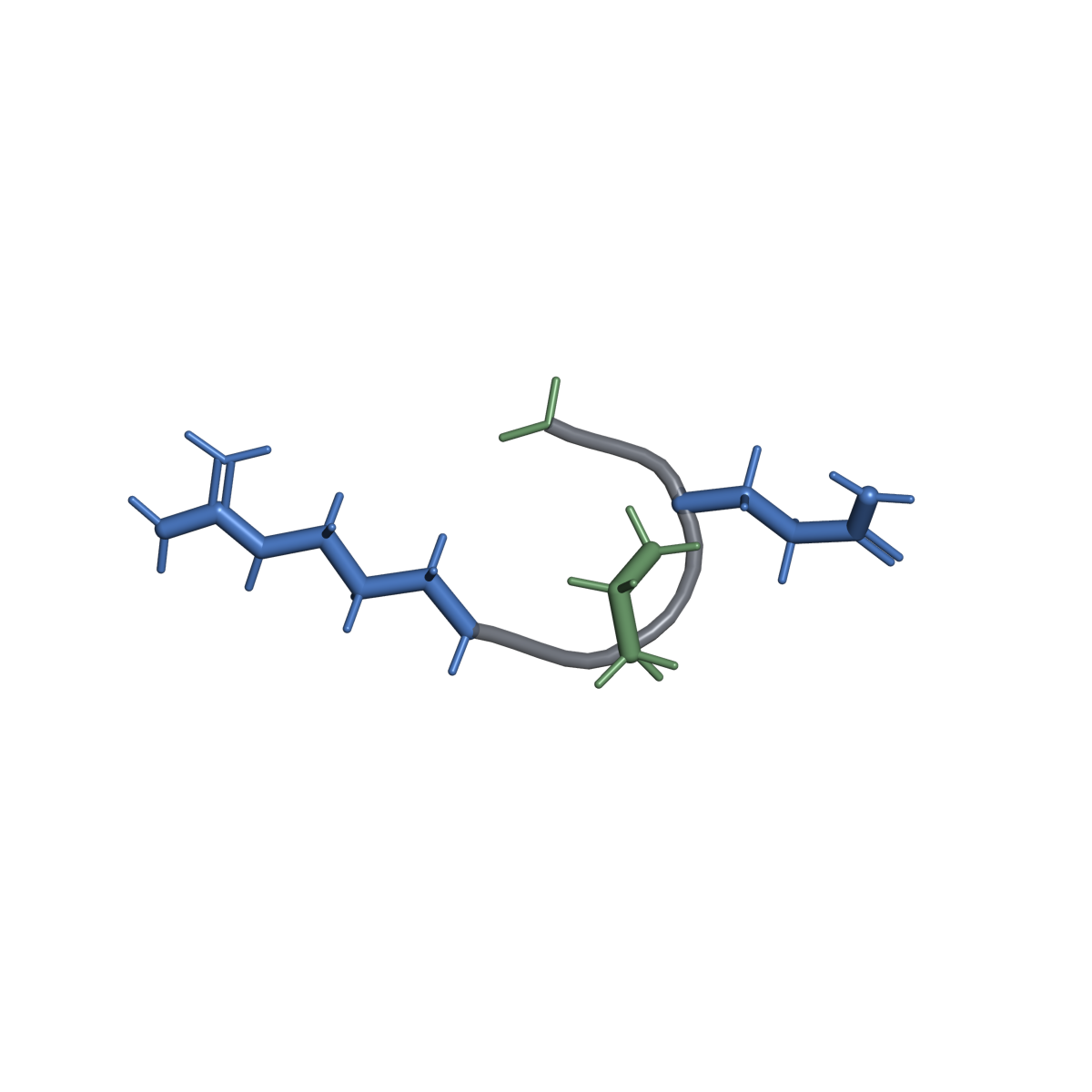
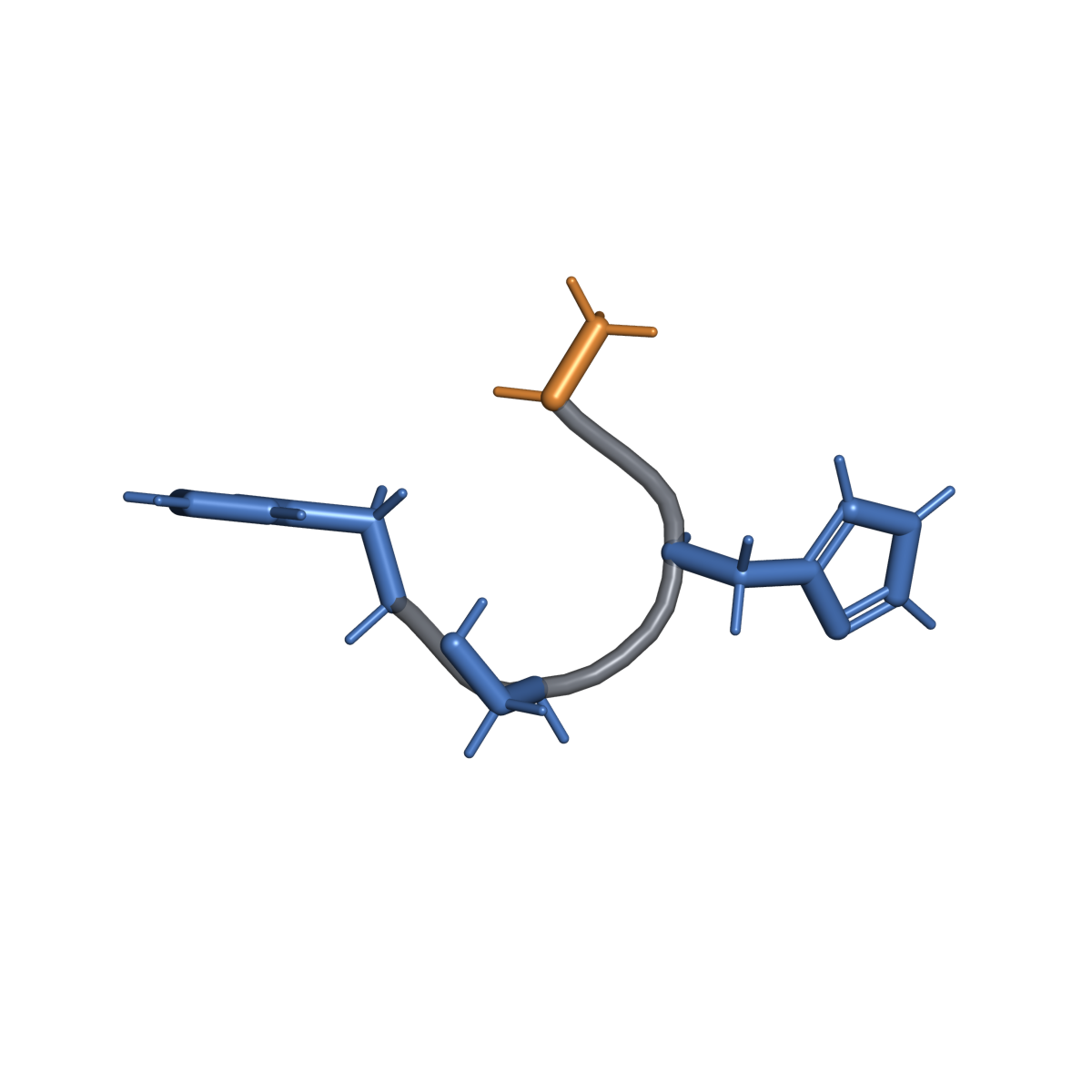
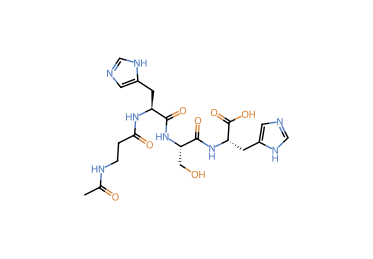
Acetyl tetrapeptide-5 (INCI name; trade name Eyeseryl) is a synthetic acetylated tetrapeptide (Ac-βAla-His-Ser-His) developed by Lipotec/Lubrizol specifically for periorbital cosmetic use. Its proposed mechanisms — reducing vascular permeability via angiotensin-converting enzyme (ACE) inhibition and inhibiting non-enzymatic protein glycation — target fluid accumulation and tissue stiffening under the eyes. A manufacturer-sponsored A study in which participants and investigators know what is administered. Definition source: Neutral gloss; usage context: Evidence grading methodology · Glossary study of 20 volunteers using a formulation described as 10% Eyeseryl solution reported improvement in under-eye puffiness in 70% of subjects by day 15 and 95% by day 60. Evidence is limited to this single small, uncontrolled study. The ACE-inhibitory mechanism is plausible based on in vitro binding data but has not been confirmed in vivo after topical application.
Identity and composition
| Field | Verified information |
|---|---|
| Preferred name | Acetyl tetrapeptide-5 |
| Key aliases | Eyeseryl |
| Molecular/sequence identity | Ac-βAla-His-Ser-His (acetyl-β-alanyl-histidyl-seryl-histidine) |
| Modifications/form | N-terminal acetylation; molecular formula C₂₀H₂₈N₈O₇ |
| Stable identifiers | CAS 820959-17-9; CosIng ref 54142; UNII Y1DFQ308G8; The record number of a compound in PubChem, the atlas's primary structure-asset source. A registry record or depiction does not authenticate a commercial sample. Definition source: Identity and structure assets methodology · Glossary: 11620163 |
| Identity caveats | PubChem does not have a specifically curated record for acetyl tetrapeptide-5; CAS/UNII are the preferred identifiers. The Eyeseryl trade name refers to a formulated solution containing the peptide, not the pure substance. |
Development and approval status
| Jurisdiction | Status and indication | Product/source | As of |
|---|---|---|---|
| EU (CosIng) | Listed in the CosIng inventory; an INCI listing is an inventory entry, not a regulatory authorisation or safety approval | INCI name: Acetyl Tetrapeptide-5; humectant function | 2026-08-06 |
| US (FDA) | Regulated as a cosmetic ingredient under the FD&C Act; not approved as a drug | FD&C Act | 2026-08-06 |
| EU (SCCS) | No specific SCCS safety opinion; covered under general provisions of EU Cosmetics Regulation EC 1223/2009 | EU Cosmetics Regulation | 2026-08-06 |
| US (CIR) | No standalone Cosmetic Ingredient Review safety assessment for acetyl tetrapeptide-5 was identified in the sources searched; no CIR conclusion is inferred | CIR ingredient/publication search | 2026-08-06 |
- UNITED STATES
- US (FDA): Regulated as a cosmetic ingredient under the FD&C Act; not approved as a drug; US (CIR): No standalone Cosmetic Ingredient Review safety assessment for acetyl tetrapeptide-5 was identified in the sources searched; no CIR conclusion is inferred
- EU/EEA
- EU (CosIng): Listed in the CosIng inventory; an INCI listing is an inventory entry, not a regulatory authorisation or safety approval; EU (SCCS): No specific SCCS safety opinion; covered under general provisions of EU Cosmetics Regulation EC 1223/2009
- UNITED KINGDOM
- No UNITED KINGDOM row is present in the source status table
- OTHER DOCUMENTED
- No OTHER DOCUMENTED row is present in the source status table
Sport status: WADA: acetyl tetrapeptide-5 was not identified by exact name in the 2026 Prohibited List, and this review did not identify a matching prohibited class for the topical cosmetic use described here. Absence of an exact-name entry is not blanket permission; athletes should check the exact product, route, and current List with their anti-doping organisation.
Mechanism and pharmacology
Acetyl tetrapeptide-5 is proposed to reduce periorbital edema by inhibiting angiotensin-converting enzyme (ACE), thereby reducing vascular permeability and fluid accumulation in the periorbital tissues. It also inhibits non-enzymatic glycation of dermal proteins (anti-glycation activity). The manufacturer reports that the peptide binds to the active site of ACE in vitro. The histidine residues in the sequence are thought to coordinate the zinc ion at the ACE active site, similar to known ACE-inhibitory peptides derived from food proteins. The anti-glycation mechanism has been demonstrated in model systems but not in human skin in vivo with clinically relevant endpoints. The dual-mechanism claim (ACE inhibition + anti-glycation) has not been independently replicated for the topical cosmetic use case.
Evidence by claim
| Claim/indication | Stage | Grade | Best human evidence | Main result | Important limitations |
|---|---|---|---|---|---|
| Reduction of under-eye puffiness | Cosmetic | C | Manufacturer study: 20 volunteers, 10% Eyeseryl, 60 days | 70% improved by day 15, 95% by day 60 | Uncontrolled, small N, manufacturer sponsorship, subjective grading |
| Anti-glycation | Cosmetic | D | In vitro only | Inhibition of glycation in model systems | No human skin confirmation; clinical relevance unclear |
| ACE inhibition in skin | Cosmetic | D | In vitro binding data | ACE active-site binding | No in vivo confirmation after topical application |
- AGrade A: Established for a specific labeled use
- BGrade B: Moderate human evidence
- CGrade C: Preliminary human evidence
- DGrade D: Preclinical only
- EGrade E: Anecdotal/marketing claim
- XGrade X: Evidence contradicts or does not support the claim
Text alternative for the claim-evidence diagram. Each grade is defined below:
- A — Established for a specific labeled use
- 0 claims
- B — Moderate human evidence
- 0 claims
- C — Preliminary human evidence
- 1 claim: Reduction of under-eye puffiness
- D — Preclinical only
- 2 claims: Anti-glycation; ACE inhibition in skin
- E — Anecdotal/marketing claim
- 0 claims
- X — Evidence contradicts or does not support the claim
- 0 claims
Key studies
| Study | Design/population | Exposure studied | Endpoints and result | Limitations |
|---|---|---|---|---|
| Lubrizol (Eyeseryl product dossier) | A study in which participants and investigators know what is administered. Definition source: Neutral gloss; usage context: Evidence grading methodology · Glossary, 20 healthy female volunteers | Formulation described as 10% Eyeseryl solution, used twice daily periorbitally for 60 days | Clinical grading of puffiness by dermatologist: 70% improved at day 15, 95% at day 60 | Uncontrolled; single-centre; small N; active-peptide concentration not independently established; no blinded or independent assessment; no An inactive comparator used in a controlled study. Definition source: Neutral gloss; usage context: Evidence grading methodology · Glossary control |
| In vitro ACE inhibition | Enzyme assay | Peptide concentrations 0.1–100 µM | Dose-dependent ACE inhibition | Not replicated in vivo; relevance to topical application untested |
Dose and administration evidence
Approved labeled regimen
Acetyl tetrapeptide-5 is a cosmetic ingredient, not an approved drug. No established or recommended human dose.
Studied regimens (not recommendations)
One manufacturer-sponsored study described a formulation containing 10% Eyeseryl solution applied periorbitally twice daily for 60 days. This is a descriptive study exposure, not a recommended regimen, and the study did not independently establish the concentration of active acetyl tetrapeptide-5.
What is not established
No established or recommended human dose.
Safety
Established label risks
Not applicable.
Human-study signals
The manufacturer dossier does not describe a clear adverse-event signal in the 20-volunteer report. That absence of reporting is not evidence of safety and no independent controlled tolerability study was identified.
Unknowns and product-quality risks
Not established for injection or internal use
ACE-inhibitory activity raises theoretical concern if systemically absorbed or injected, but topical application at cosmetic concentrations is not expected to produce systemic blood-pressure effects
No chronic-dermal-exposure data beyond 60 days
No irritation/sensitization data in controlled patch tests published in peer-reviewed literature
Interactions and special populations
No known interactions from topical use
No pregnancy/lactation safety data
Regulatory, compounding, and sport notes
EU CosIng: listed in the cosmetic ingredient inventory (INCI entry; does not constitute regulatory approval)
US: regulated as a cosmetic ingredient; no FDA drug approval
The World Anti-Doping Agency; its Prohibited List classifies many peptides as prohibited substances in sport. Definition source: WADA and sport regulation brief · Glossary: acetyl tetrapeptide-5 was not identified by exact name in the 2026 Prohibited List, and this review did not identify a matching prohibited class for the topical cosmetic use described here. Absence of an exact-name entry is not blanket permission; athletes should check the exact product, route, and current List with their anti-doping organisation.
Often sold in "research peptide" catalogs labelled as Eyeseryl; any injection or parenteral use would be outside the assessed safety and efficacy profile
Evidence gaps
No independent clinical trials; single manufacturer-sponsored study only
No studies comparing to established treatments for periorbital edema (e.g., caffeine-based creams, cold compresses)
ACE-inhibitory activity in vivo after topical application not characterized
Anti-glycation efficacy in human skin not demonstrated
Formulation-dependent activity: efficacy data from 10% Eyeseryl solution cannot be generalized to other formulations
No peer-reviewed, PubMed-indexed clinical trial identified as of searched date
Search notes
Databases and registries: PubMed, EU CosIng, PubChem, FDA UNII, CAS Common Chemistry, Cosmetic Ingredient Review ingredient/publication search
Search terms: "acetyl tetrapeptide-5", "Eyeseryl", "Ac-βAla-His-Ser-His", "acetyl-β-alanyl-histidyl-seryl-histidine"
Last searched: 2026-08-06
Inclusion emphasis: regulatory status, identity records, safety profile, clinical evidence
PubMed search 2026-08-06: no results for "acetyl tetrapeptide-5 clinical trial" or "Eyeseryl clinical trial" in indexed peer-reviewed journals
Sources
EU CosIng. Acetyl Tetrapeptide-5 (ref 54142). https://ec.europa.eu/growth/tools-databases/cosing/
UNII Y1DFQ308G8. https://precision.fda.gov/uniisearch/srs/unii/Y1DFQ308G8
Lubrizol. Eyeseryl peptide solution G product information. https://www.lubrizol.com/solutions/products/beauty/detail-pages/eyeseryl-peptide-solution-g
World Anti-Doping Agency. 2026 Prohibited List. https://www.wada-ama.org/sites/default/files/2025-09/2026list_en_final_clean_september_2025.pdf
CAS Common Chemistry. Acetyl tetrapeptide-5 (CAS 820959-17-9). https://commonchemistry.cas.org/detail?cas_rn=820959-17-9
FDA UNII Y1DFQ308G8. https://precision.fda.gov/uniisearch/srs/unii/Y1DFQ308G8
EU CosIng ingredient database (ref 54142). https://ec.europa.eu/growth/tools-databases/cosing/