Bottom line
Melanotan II (MT-II) is a synthetic cyclic heptapeptide analogue of α-melanocyte-stimulating hormone developed in the 1980s as a potential tanning agent. No FDA-, EMA-, MHRA-, or TGA-approved product was identified as of 2026-08-06; status elsewhere requires a current national-register check.
Regulators in the US, UK, Australia, and Denmark have taken or described action against particular cosmetic-tanning supply or promotion facts. Multiple health authorities and dermatology organisations have issued warnings about serious safety concerns, including case reports of new or changing nevi, temporal melanoma reports that do not establish causation, systemic reactions, and contamination or misidentification in unregulated products.
The substance is distinct from the approved drug afamelanotide (Melanotan I / SCENESSE), which has a different sequence and a specific medical indication (EPP). See the getting-started guide for context on An entry with frequent visibility in the research-peptide ecosystem. Visibility is not endorsement, and marketed material is not assumed safe, sterile, authentic, or suitable for humans. Definition source: Scope and selection methodology · Glossary peptides.
Identity and composition
| Field | Verified information |
|---|---|
| Preferred name | Melanotan II |
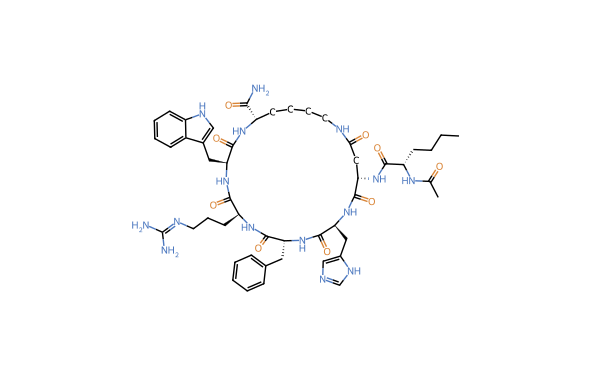
| Key aliases | MT-II, MT-2; "Barbie Drug"; tanning peptide; Ac-Nle-cyclo[Asp-His-D-Phe-Arg-Trp-Lys]-NH2 |
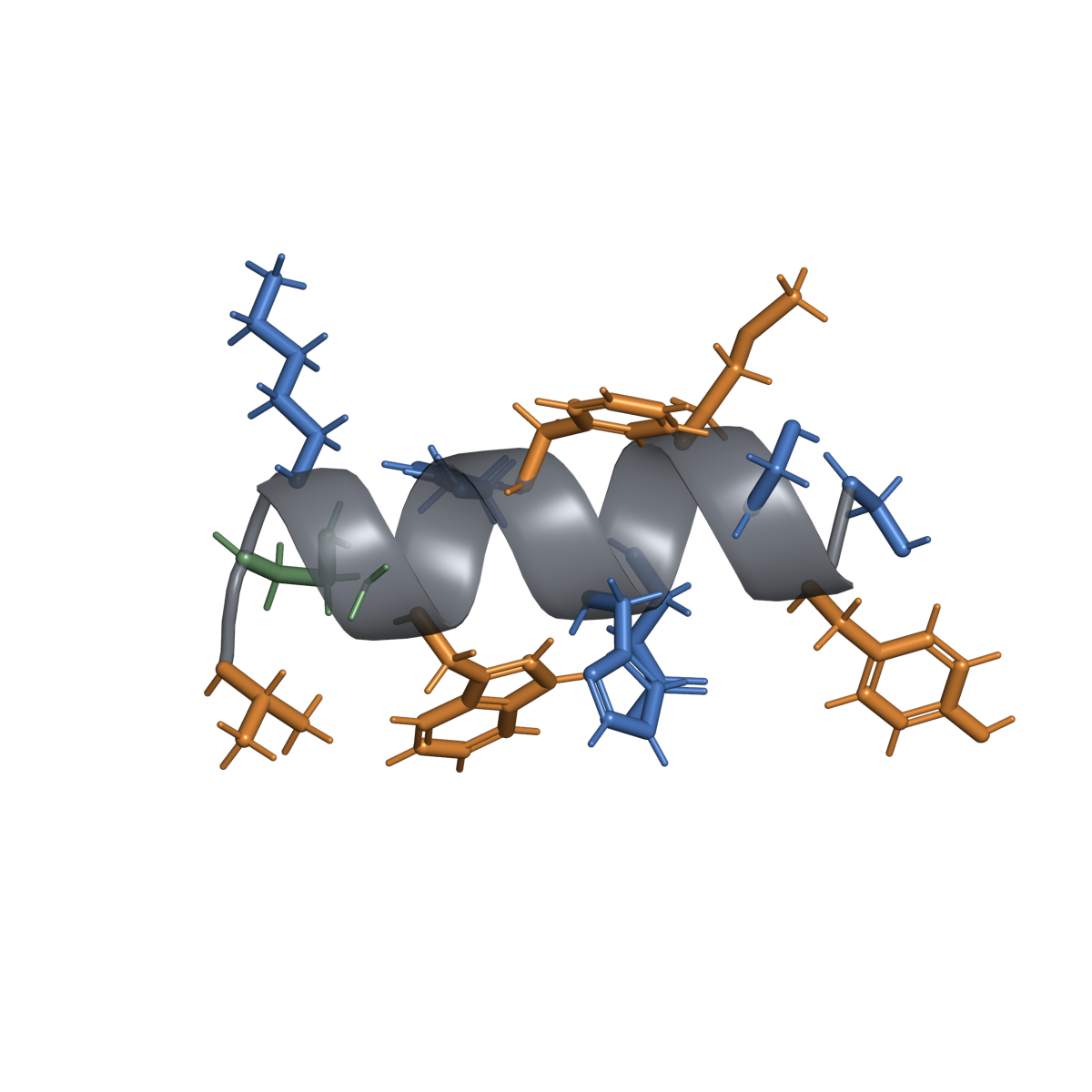
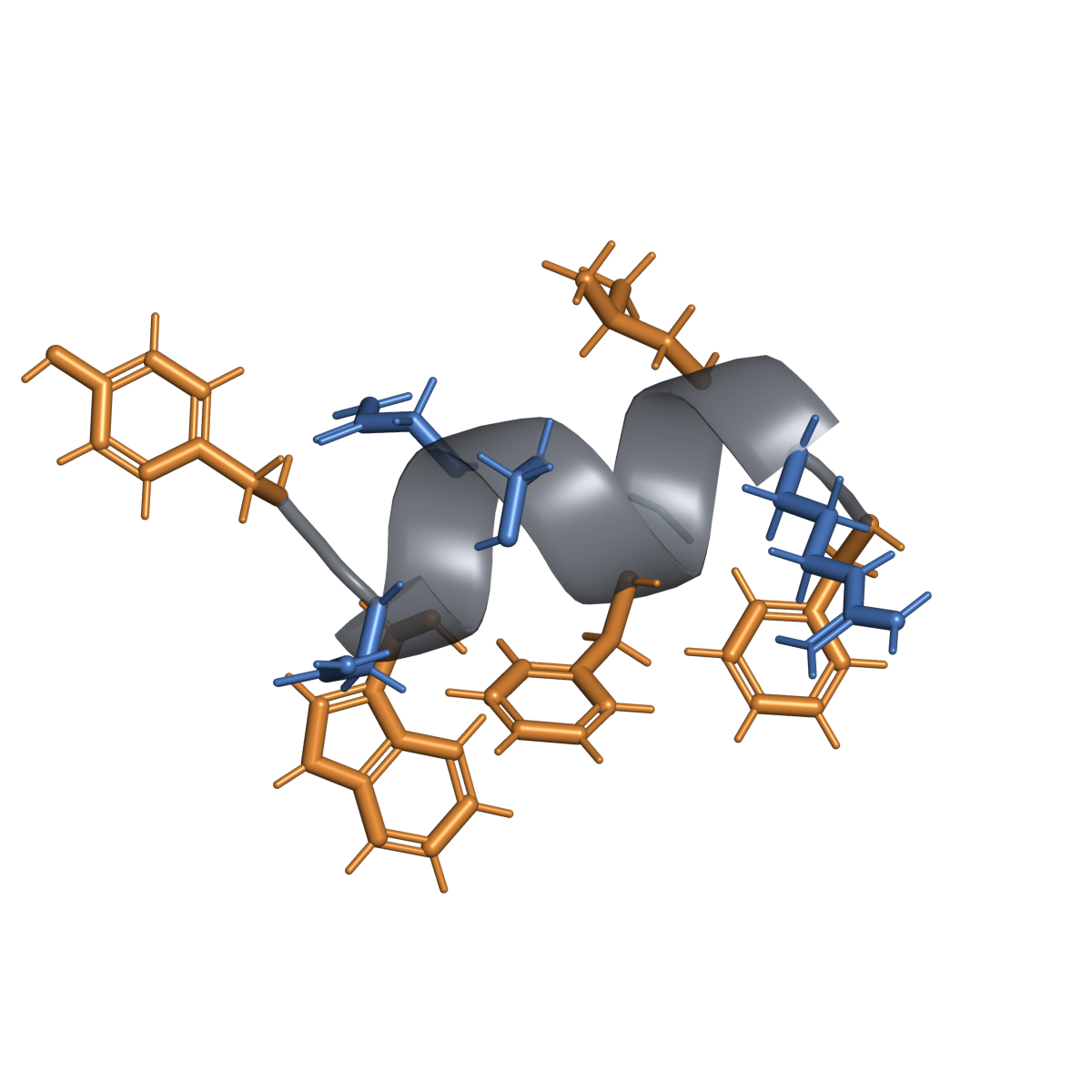
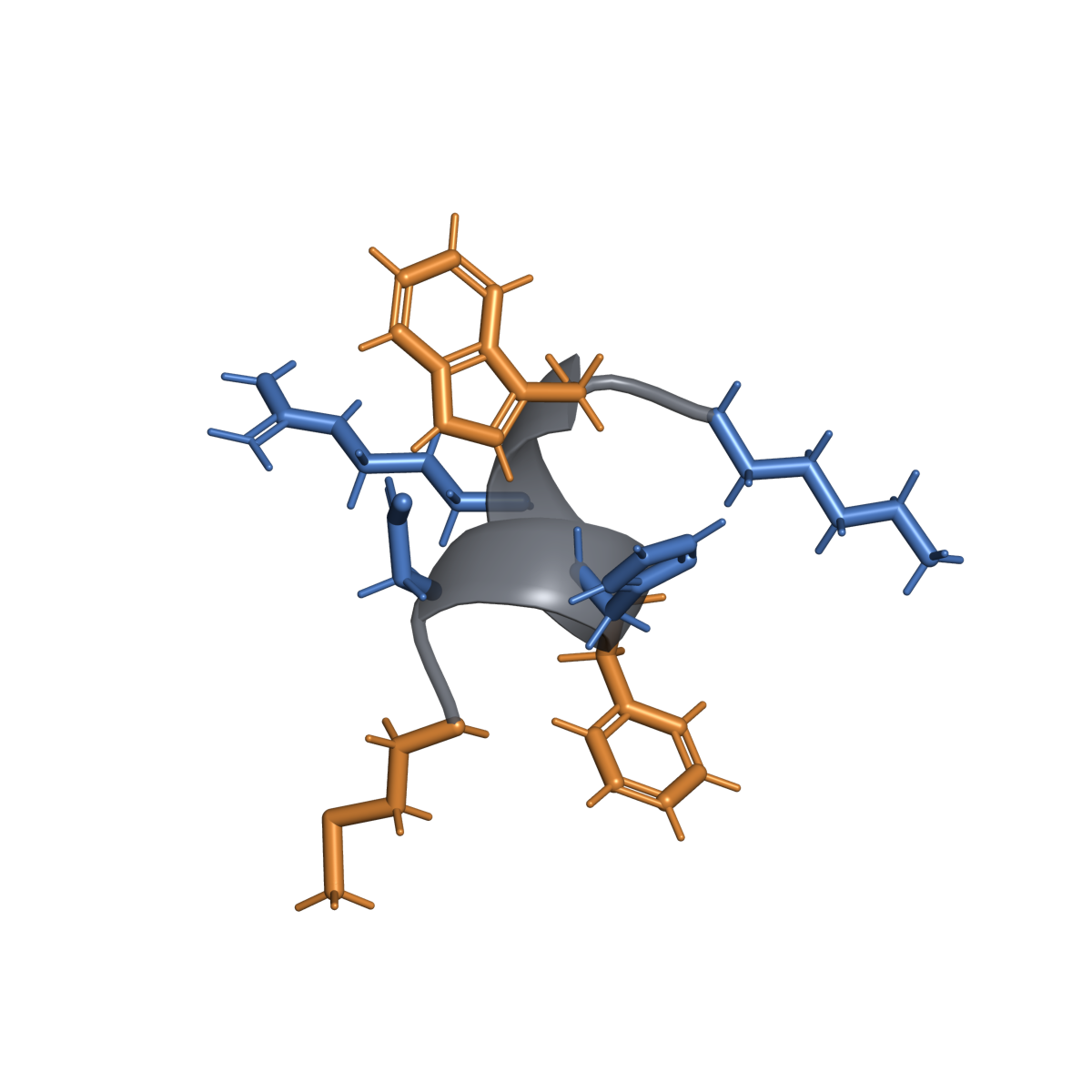
| Molecular/sequence identity | Ac-Nle-cyclo[Asp-His-D-Phe-Arg-Trp-Lys]-NH2 (cyclic heptapeptide with lactam bridge) |
| Modifications/form | N-terminal acetylation; C-terminal amide; lactam bridge between Asp² and Lys⁷ |
| Stable identifiers | The record number of a compound in PubChem, the atlas's primary structure-asset source. A registry record or depiction does not authenticate a commercial sample. Definition source: Identity and structure assets methodology · Glossary 92432; UNII UPF5CJ93X7 |
| Identity caveats | C-terminal amide (vs. carboxylate in bremelanotide). Often sold under the same name as afamelanotide ("Melanotan I") by online vendors; the two are chemically distinct and not interchangeable |
Development and approval status
| Jurisdiction | Status and indication | Product/source | As of |
|---|---|---|---|
| US (FDA) | Not approved; FDA has issued consumer warnings | None; marketed as "research chemical" | Ongoing |
| UK (MHRA) | Not approved; illegal to supply for cosmetic tanning | — | Ongoing |
| Australia (TGA) | Not approved; TGA warns advertising breaches therapeutic goods laws | — | 2026 |
| EU | Not approved for any indication | — | Ongoing |
| Denmark, New Zealand | Banned as cosmetic product | — | Various |
Organisations with public warnings include: US FDA, UK MHRA, Australian TGA, The Skin Cancer Foundation (July 2026), The Australasian College of Dermatologists, and multiple national dermatology societies.
- UNITED STATES
- US (FDA): Not approved; FDA has issued consumer warnings
- EU/EEA
- EU: Not approved for any indication
- UNITED KINGDOM
- UK (MHRA): Not approved; illegal to supply for cosmetic tanning
- OTHER DOCUMENTED
- Australia (TGA): Not approved; TGA warns advertising breaches therapeutic goods laws; Denmark, New Zealand: Banned as cosmetic product
Sport status: WADA: S0 is the relevant catch-all if the exact substance has no current approval by any governmental regulatory health authority for human therapeutic use and is not addressed by another List section; S0 applies at all times. The FDA, EMA, MHRA and TGA sources reviewed here did not identify a Melanotan II approval, but that bounded register review is not an exhaustive worldwide determination. Athletes should obtain a current, product-specific classification from their anti-doping organisation.
Mechanism and pharmacology
Receptor targets
Non-selective melanocortin receptor agonist. Binds MC1R (melanogenesis), MC3R, and MC4R (appetite suppression, sexual arousal).
Melanogenic pathway
MC1R activation stimulates tyrosinase and eumelanin production, darkening skin and nevi. MC4R agonism produces nausea, decreased appetite, and increased libido.
Selectivity
The C-terminal amide, absent in bremelanotide, increases MC1R potency relative to MC4R, favouring melanogenic effects.
Evidence by claim
See the evidence grading methodology for an explanation of Grade letters.
| Claim/indication | Stage | Grade | Best human evidence | Main result | Important limitations |
|---|---|---|---|---|---|
| Cosmetic tanning | No approval | C | Small human studies (1980s-2000s) | Dose-dependent skin darkening with or without UV exposure | No controlled trials for cosmetic use; safety data absent; endpoints cosmetic only |
| Sexual dysfunction (erectile dysfunction, HSDD) | No approval | C | Small pilot studies | Some increase in sexual desire/erection | No phase 3; program discontinued in favour of bremelanotide |
| Melanoma risk | Safety signal | ? | Case series | Reports of melanoma developing in nevi after MT-II use | Case reports cannot establish causation; no systematic surveillance |
- AGrade A: Established for a specific labeled use
- BGrade B: Moderate human evidence
- CGrade C: Preliminary human evidence
- DGrade D: Preclinical only
- EGrade E: Anecdotal/marketing claim
- XGrade X: Evidence contradicts or does not support the claim
The tanning-market claims for safety and efficacy are not supported by adequate controlled evidence. Grade C: Preliminary human evidence — small, uncontrolled, surrogate-endpoint, or early-phase studies. Definition source: Evidence grading methodology · Glossary reflects preliminary human data only; marketed claims are Grade E: Anecdotal/marketing claim — testimonials, extrapolation, or vendor claims without adequate scientific support. Definition source: Evidence grading methodology · Glossary.
Text alternative for the claim-evidence diagram. Each grade is defined below:
- A — Established for a specific labeled use
- 0 claims
- B — Moderate human evidence
- 0 claims
- C — Preliminary human evidence
- 2 claims: Cosmetic tanning; Sexual dysfunction (erectile dysfunction, HSDD)
- D — Preclinical only
- 0 claims
- E — Anecdotal/marketing claim
- 0 claims
- X — Evidence contradicts or does not support the claim
- 0 claims
Key studies
| Study | Design/population | Exposure studied | Endpoints and result | Limitations |
|---|---|---|---|---|
| Dorr et al. (1996) | Phase 1 dose-escalation; healthy volunteers | Administered into the tissue layer under the skin. Definition source: Neutral gloss; usage context: Routes, devices, and absorption primer · Glossary MT-II doses | Melanin density increase; nausea, flushing, spontaneous erections reported | Small n; dose-finding only; no long-term follow-up |
| Various tanning surveys | Cross-sectional online surveys of users | Self-reported MT-II use | Perceived tanning satisfaction; high rate of nausea, facial flushing, increased libido, mole darkening | Selection bias; no verified dosing; no medical oversight |
Dose and administration evidence
Approved labeled regimen
No approved regimen was identified in the FDA, EMA, MHRA, or TGA sources reviewed; status elsewhere requires a current national-register check.
Studied regimens (not recommendations)
Early clinical studies used subcutaneous doses of 0.025-0.1 mg/kg daily for up to 14 days. These are research exposures and do not constitute established dosing. See the dose language methodology for the distinction between studied and approved regimens.
What is not established
No established or recommended human dose. The doses promoted by online vendors are not based on adequate evidence of safety or efficacy.
Safety
Established label risks
No approved label exists. The following risks arise from published case reports, user surveys, and regulatory warnings.
Human-study signals
Nausea (very common, ~50%+ in studies and surveys).
Facial flushing, spontaneous erections, appetite suppression.
Darkening of existing nevi; development of new atypical moles.
Melanoma cases reported after MT-II use (case series; cannot establish causation but signal requires attention).
Systemic toxicity concerns (cardiac, renal from early reports).
Unknowns and product-quality risks
No quality control: Products sold online as "research chemicals" have unknown purity, concentration, sterility, and identity. Contamination documented.
No long-term safety data: No carcinogenicity, reproductive, or cardiovascular studies adequate for human safety assessment.
Self-injection risks: Injection technique, dosing errors, and infection from non-sterile products.
Interactions and special populations
Not studied in any special population.
Interactions with other drugs unknown.
Pregnancy/breastfeeding: no data; pharmacologically plausible harm.
Regulatory, compounding, and sport notes
US FDA: Not approved; consumer warning issued. Online sales as "research chemical" — FDA may take enforcement action.
UK MHRA: Supply for cosmetic tanning is illegal.
Australia TGA: Unapproved therapeutic good; advertising breaches law. TGA requested removal of 3,263+ unapproved advertisements (2026 data).
The World Anti-Doping Agency; its Prohibited List classifies many peptides as prohibited substances in sport. Definition source: WADA and sport regulation brief · Glossary: WADA Prohibited List class S0 (non-approved substances): pharmacological substances not addressed elsewhere in the list and with no current approval by any governmental regulatory health authority for human therapeutic use. Definition source: WADA and sport regulation brief · Glossary is the relevant catch-all if the exact substance has no current approval by any governmental regulatory health authority for human therapeutic use and is not addressed by another List section; S0 applies at all times. The FDA, EMA, MHRA and TGA sources reviewed here did not identify a Melanotan II approval, but that bounded register review is not an exhaustive worldwide determination. Athletes should obtain a current, product-specific classification from their anti-doping organisation.
Compounding: No broad legality conclusion is made. Compounding and supply rules are product-, jurisdiction-, facility-, and fact-specific.
Not interchangeable with afamelanotide (SCENESSE) or bremelanotide (Vyleesi).
Evidence gaps
No adequate and well-controlled trials for any indication.
No How a substance is absorbed, distributed, metabolized, and eliminated by the body; atlas pages report pharmacokinetic data such as half-life, metabolism, and clearance. Definition source: Neutral gloss; usage context: Routes, devices, and absorption primer · Glossary, toxicity, or carcinogenicity data adequate for regulatory submission.
No understanding of long-term melanoma risk, if any.
No purified, standardised pharmaceutical product available.
Search notes
Databases and registries: PubMed, FDA, TGA, MHRA, The Skin Cancer Foundation, ABC News, ClinicalTrials.gov
Search terms: melanotan II, MT-2, tanning peptide, Barbie drug, melanotan unapproved, FDA warning
Last searched: 2026-08-06
Inclusion emphasis: Regulatory warnings, safety case reports, human study data
Sources
The Skin Cancer Foundation. Warning Regarding Melanotan II. July 7, 2026. https://www.skincancer.org/press/the-skin-cancer-foundation-issues-warning-regarding-melanotan-ii/
TGA and Australian Chief Medical Officer. Concerns regarding the public health risks associated with unapproved peptide products. 2026-06-19. https://www.tga.gov.au/news/media-releases/concerns-regarding-public-health-risks-associated-unapproved-peptide-products
TGA. Individual issued 27 infringement notices for allegedly supplying Melanotan II. 2026-05-21. https://www.tga.gov.au/news/media-releases/individual-issued-27-infringement-notices-allegedly-supplying-melanotan-ii
Dorr RT, et al. Phase I study of MT-II. Life Sci. 1996;58(20):1777-84. PMID 8643026.
PubChem CID 92432 (Melanotan II). https://pubchem.ncbi.nlm.nih.gov/compound/92432
WADA. 2026 Prohibited List. https://www.wada-ama.org/en/resources/world-anti-doping-program/prohibited-list