Bottom line
Gonadorelin is synthetic gonadotropin-releasing hormone (GnRH), a decapeptide identical in sequence to the An entry with substantial scientific visibility or identity value. Biological rationale and non-human evidence do not establish patient benefit. Definition source: Scope and selection methodology · Glossary human hypothalamic hormone. It is approved for induction of ovulation in women with primary hypothalamic amenorrhea when administered in a pulsatile fashion (Lutrepulse, Canada/US limited availability), and as a veterinary reproductive agent in cattle (Factrel). The short The time for the amount of a substance in the body to fall by half. Definition source: Neutral gloss; usage context: Routes, devices, and absorption primer · Glossary (~4 min) necessitates pump-based pulsatile delivery for fertility use. Gonadorelin is distinct from, and should not be confused with, GnRH agonist analogues (leuprolide, goserelin, triptorelin, nafarelin) that are modified for prolonged action and chemical castration.
Identity and composition
| Field | Verified information |
|---|---|
| Preferred name | Gonadorelin |
| Key aliases | GnRH, LHRH, gonadotropin-releasing hormone; Lutrepulse (human), Factrel (veterinary) |
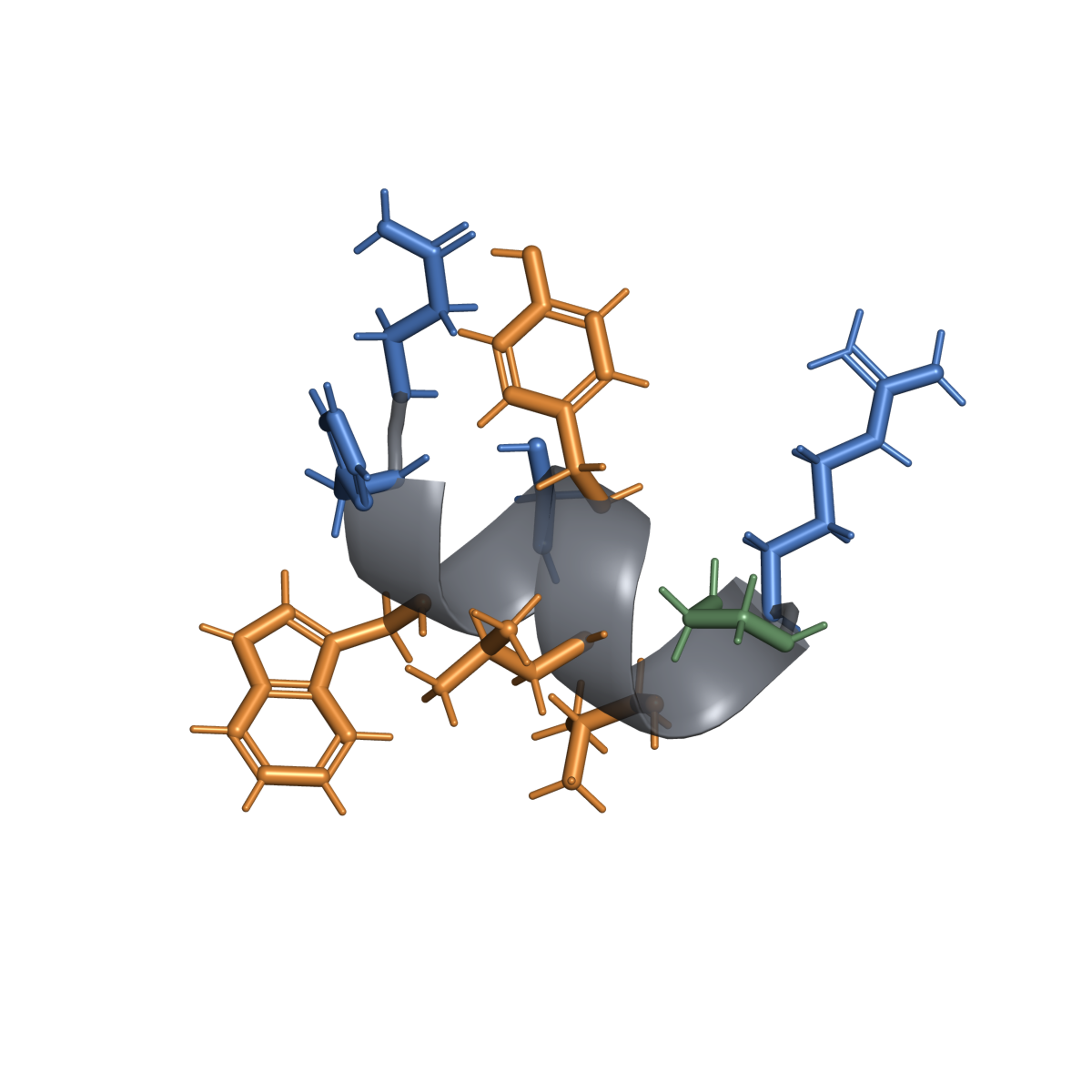
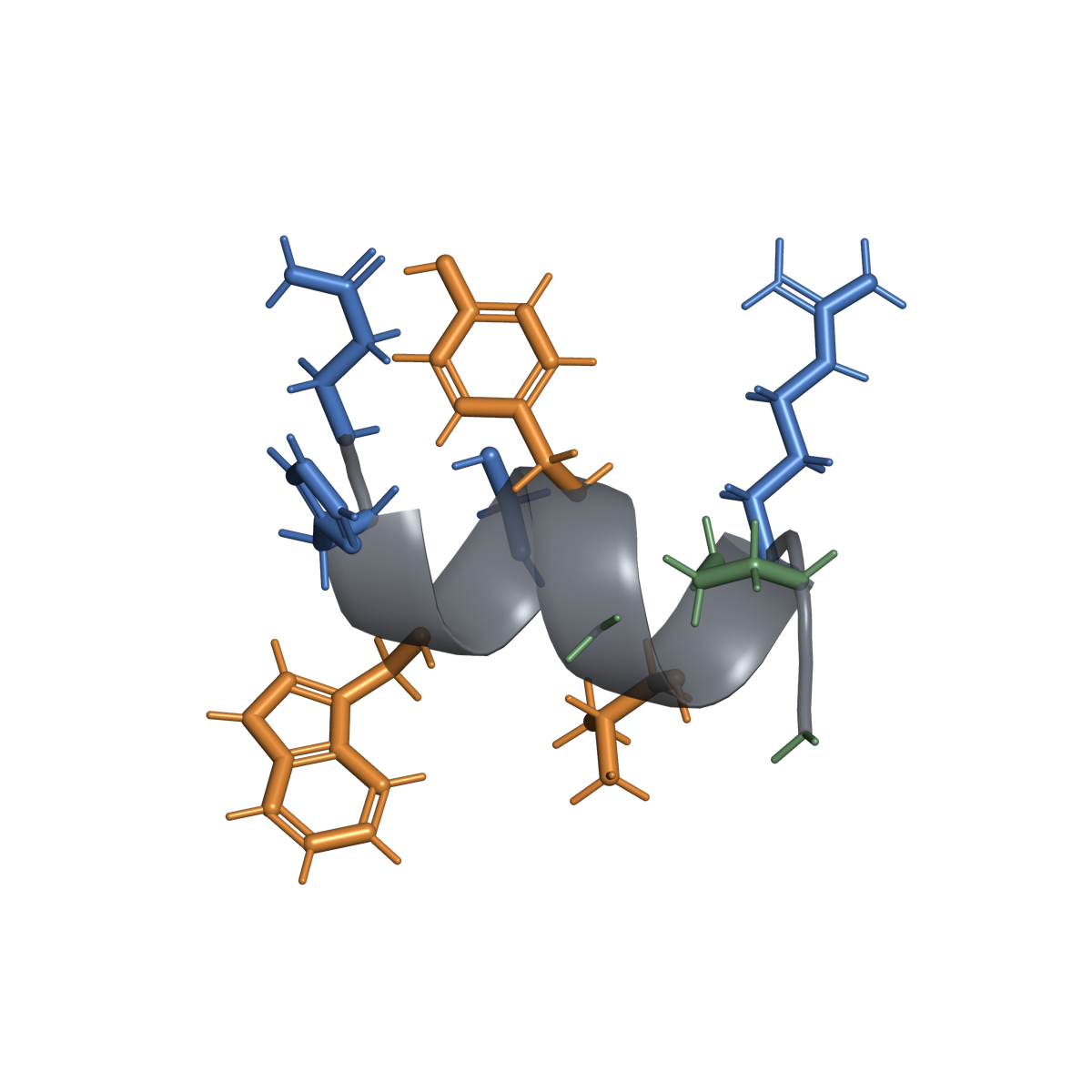
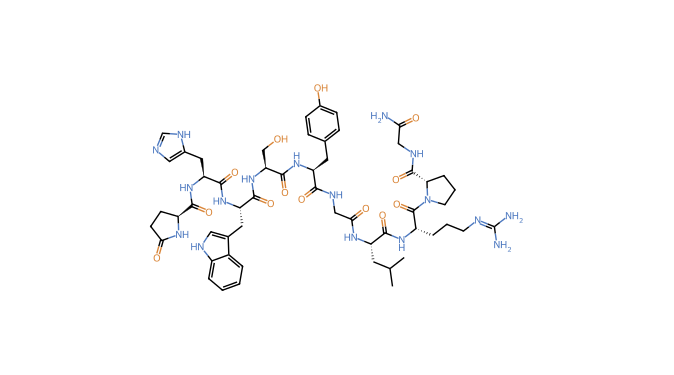
| Molecular/sequence identity | pGlu-His-Trp-Ser-Tyr-Gly-Leu-Arg-Pro-Gly-NH2 (decapeptide) |
| Modifications/form | C-terminal amide; N-terminal pyroglutamyl; identical to An entry with substantial scientific visibility or identity value. Biological rationale and non-human evidence do not establish patient benefit. Definition source: Scope and selection methodology · Glossary human GnRH |
| Stable identifiers | The record number of a compound in PubChem, the atlas's primary structure-asset source. A registry record or depiction does not authenticate a commercial sample. Definition source: Identity and structure assets methodology · Glossary 638793 (gonadorelin HCl); UNII Q2E1H3G52I |
| Identity caveats | Often confused with GnRH agonist analogues; distinct from leuprolide, goserelin, triptorelin, nafarelin, which contain D-amino acid substitutions and have longer half-lives |
Development and approval status
| Jurisdiction | Status and indication | Product/source | As of |
|---|---|---|---|
| Canada (Health Canada) | Approved; induction of ovulation in primary hypothalamic amenorrhea | Lutrepulse (Ferring) — commercially discontinued | 2016 monograph |
| US (FDA) | Human: Lutrepulse was FDA-approved but commercially discontinued (not formally withdrawn). Veterinary: Factrel for cattle only (Zoetis) | Factrel (Zoetis) NADA 139-237 | Lutrepulse commercially discontinued; Vet: 2014 |
| EU (EMA) | Not actively marketed as human drug; historical GnRH diagnostic use | Various (diagnostic) | Not current |
- UNITED STATES
- US (FDA): Human: Lutrepulse was FDA-approved but commercially discontinued (not formally withdrawn). Veterinary: Factrel for cattle only (Zoetis)
- EU/EEA
- EU (EMA): Not actively marketed as human drug; historical GnRH diagnostic use
- UNITED KINGDOM
- No UNITED KINGDOM row is present in the source status table
- OTHER DOCUMENTED
- Canada (Health Canada): Approved; induction of ovulation in primary hypothalamic amenorrhea
Sport status: WADA: GnRH (gonadorelin) is explicitly prohibited at all times in males under S2.2.1; the List does not make that prohibition conditional on a demonstrated androgen effect. In female athletes under 18, GnRH analogues are included in the 2026 Monitoring Program, which is not prohibition.
Mechanism and pharmacology
An entry with substantial scientific visibility or identity value. Biological rationale and non-human evidence do not establish patient benefit. Definition source: Scope and selection methodology · Glossary agonist at the GnRH receptor on anterior pituitary gonadotrophs, triggering LH and FSH synthesis and secretion. Pulsatile administration mimics the natural hypothalamic secretory pattern, restoring gonadal function. Continuous administration causes receptor desensitisation (the basis of GnRH agonist therapy for prostate cancer). The time for the amount of a substance in the body to fall by half. Definition source: Neutral gloss; usage context: Routes, devices, and absorption primer · Glossary ~4 min; rapidly cleared.
Evidence by claim
| Claim/indication | Stage | Grade | Best human evidence | Main result | Important limitations |
|---|---|---|---|---|---|
| Induction of ovulation, primary hypothalamic amenorrhea | Approved (Canada) | A | Controlled studies (Lutrepulse monograph) | 68% ovulation rate with 5 µg i.v. q90 min | Requires pump; limited to specific diagnosis; product availability limited |
- AGrade A: Established for a specific labeled use
- BGrade B: Moderate human evidence
- CGrade C: Preliminary human evidence
- DGrade D: Preclinical only
- EGrade E: Anecdotal/marketing claim
- XGrade X: Evidence contradicts or does not support the claim
Text alternative for the claim-evidence diagram. Each grade is defined below:
- A — Established for a specific labeled use
- 1 claim: Induction of ovulation, primary hypothalamic amenorrhea
- B — Moderate human evidence
- 0 claims
- C — Preliminary human evidence
- 0 claims
- D — Preclinical only
- 0 claims
- E — Anecdotal/marketing claim
- 0 claims
- X — Evidence contradicts or does not support the claim
- 0 claims
Key studies
| Study | Design/population | Exposure studied | Endpoints and result | Limitations |
|---|---|---|---|---|
| Lutrepulse clinical program | A study in which participants and investigators know what is administered. Definition source: Neutral gloss; usage context: Evidence grading methodology · Glossary and controlled; women with primary hypothalamic amenorrhea | Pulsatile gonadorelin 1-20 µg s.c./i.v. q90 min | Ovulation in 68% (i.v. 5 µg regimen) | Small overall database; no longer widely available |
Dose and administration evidence
Approved labeled regimen
The label summary below is product-, indication-, and jurisdiction-specific; consult the full current label and a licensed clinician/pharmacist.
Product: Lutrepulse (gonadorelin acetate) 3.2 mg/vial Freeze-drying: water is removed by sublimation under reduced pressure, which can improve the stability of peptides and yield a porous dry matrix. Water removal does not sterilize a product, prove its quality, or define how it should later be handled. Definition source: Lyophilization, formulation, and stability primer · Glossary
Route: Administered into the tissue layer under the skin. Definition source: Neutral gloss; usage context: Routes, devices, and absorption primer · Glossary or Administered into a vein. Definition source: Neutral gloss; usage context: Routes, devices, and absorption primer · Glossary via programmable pump
Dosing: 5 µg every 90 minutes
Response: Usually within 2-3 weeks
Continue for 2 weeks after ovulation to support corpus luteum
Studied regimens (not recommendations)
1-20 µg per pulse, various intervals studied.
Veterinary (Factrel): 100-200 µg Administered into a muscle. Definition source: Neutral gloss; usage context: Routes, devices, and absorption primer · Glossary in cattle for cystic ovaries / FTAI.
What is not established
No established or recommended human dose for any indication other than ovulation induction in primary hypothalamic amenorrhea.
Safety
Established label risks
Anaphylaxis reported with gonadorelin HCl (Factrel) — bronchospasm, tachycardia, flushing, urticaria.
Antibody formation in ~3% with s.c. administration (Factrel); may reduce efficacy.
Injection site reactions.
Ovarian hyperstimulation (rare with pulsatile vs. gonadotropins).
Human-study signals
Minimal systemic adverse effects at recommended doses.
Unknowns and product-quality risks
No long-term safety data beyond fertility treatment cycles.
No adequate studies in men.
Online "gonadorelin" products are not equivalent to pharmaceutical-grade Lutrepulse.
Interactions and special populations
Pregnancy: Used only as part of fertility treatment.
Ovarian hyperstimulation: Monitor; less common than with hMG.
Hepatic/renal: Not formally studied; no dose adjustment known.
Regulatory, compounding, and sport notes
US/Canada: Prescription only; Lutrepulse limited availability.
The World Anti-Doping Agency; its Prohibited List classifies many peptides as prohibited substances in sport. Definition source: WADA and sport regulation brief · Glossary: GnRH (gonadorelin) is explicitly prohibited at all times in males under S2.2.1; the List does not make that prohibition conditional on a demonstrated androgen effect. In female athletes under 18, GnRH analogues are included in the 2026 Monitoring Program, which is not prohibition.
Veterinary: Factrel approved for cattle only.
Compounding: Compounded GnRH exists but not FDA-reviewed; not interchangeable with approved product.
Evidence gaps
No adequately powered modern A study in which participants are assigned to the study material or a comparator by chance. Definition source: Neutral gloss; usage context: Evidence grading methodology · Glossary for ovulation induction.
No data in hypogonadotropic hypogonadism in men.
Optimal pulse dose and frequency not formally re-evaluated.
Search notes
Databases and registries: DailyMed, Drugs@FDA, Health Canada DPD, PubMed, EMA
Search terms: gonadorelin, Lutrepulse, Factrel, pulsatile GnRH, hypothalamic amenorrhea
Last searched: 2026-08-06
Inclusion emphasis: Approved labels, clinical studies
Sources
Lutrepulse Product Monograph (Ferring, Canada). 2016. https://www.ferring.ca/media/1018/lutrepulse-pm-control-no-187199-32-mg-en_17may2016.pdf
DailyMed – FACTREL (gonadorelin HCl). https://dailymed.nlm.nih.gov/dailymed/drugInfo.cfm?setid=1451663c-b85a-4b45-8b27-6d572d0032f9
FDA FOI Summary – Factrel (NADA 139-237). https://animaldrugsatfda.fda.gov/adafda/app/search/public/document/downloadFoi/456
Health Canada DPD – Lutrepulse. https://health-products.canada.ca/dpd-bdpp/info?code=16273&lang=eng
PubChem CID 84866731 (gonadorelin HCl).