Bottom line
Leuprolide (leuprorelin) is a synthetic nonapeptide GnRH agonist analogue used for androgen deprivation therapy in advanced prostate cancer, management of endometriosis, preoperative improvement of anaemia from uterine fibroids, and treatment of central precocious puberty. Multiple depot formulations (Lupron Depot Administered into a muscle. Definition source: Neutral gloss; usage context: Routes, devices, and absorption primer · Glossary, Eligard Administered into the tissue layer under the skin. Definition source: Neutral gloss; usage context: Routes, devices, and absorption primer · Glossary) exist with different durations (1, 3, 4, 6 months). Depot formulations are not interchangeable — each has distinct release characteristics, routes, and dosing schedules. Initial therapy causes a testosterone/estradiol surge ("tumour flare") before gonadotropin suppression.
Identity and composition
| Field | Verified information |
|---|---|
| Preferred name | Leuprolide |
| Key aliases | Leuprorelin; Lupron Depot (Administered into a muscle. Definition source: Neutral gloss; usage context: Routes, devices, and absorption primer · Glossary); Eligard (Administered into the tissue layer under the skin. Definition source: Neutral gloss; usage context: Routes, devices, and absorption primer · Glossary); Prostap; Leuplin |
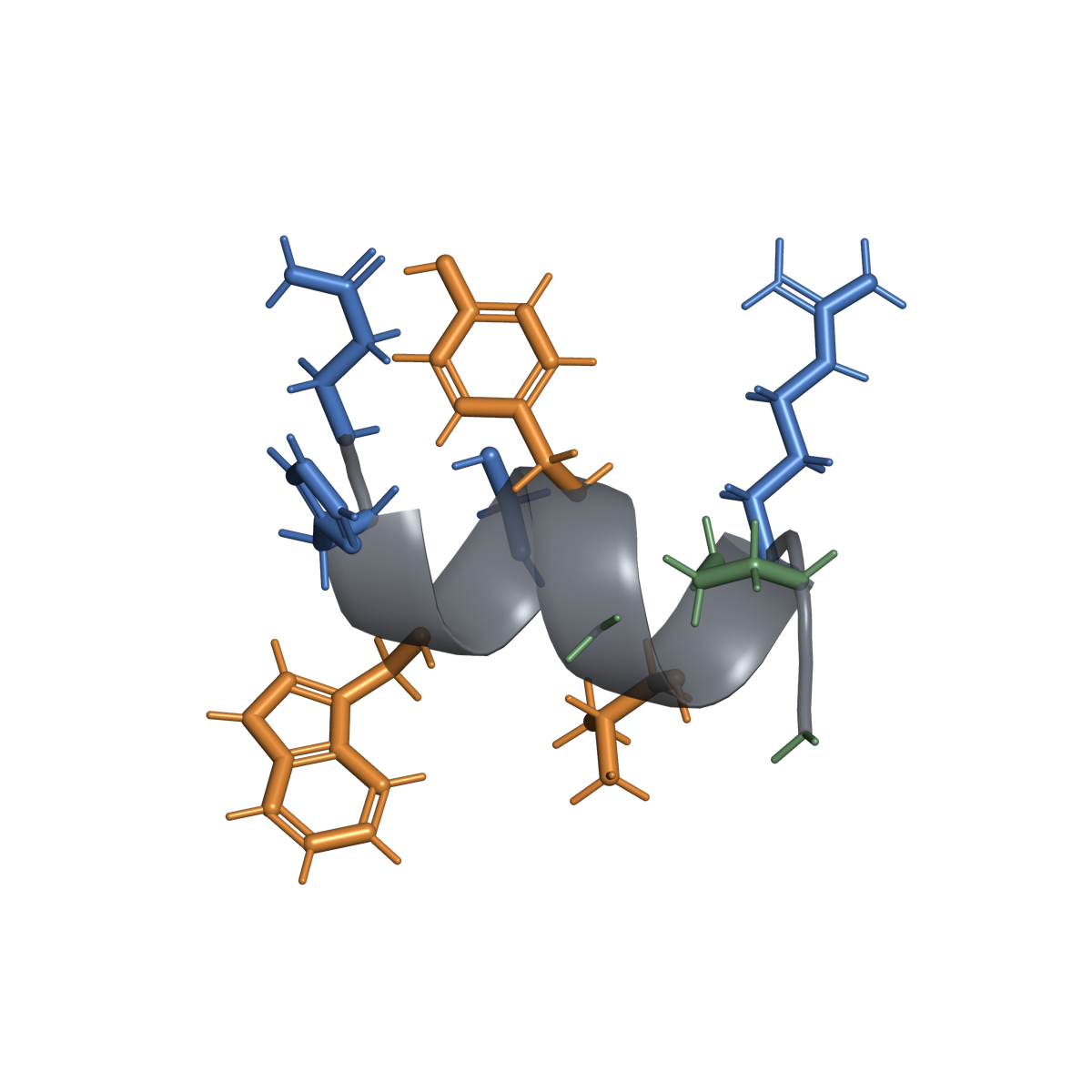
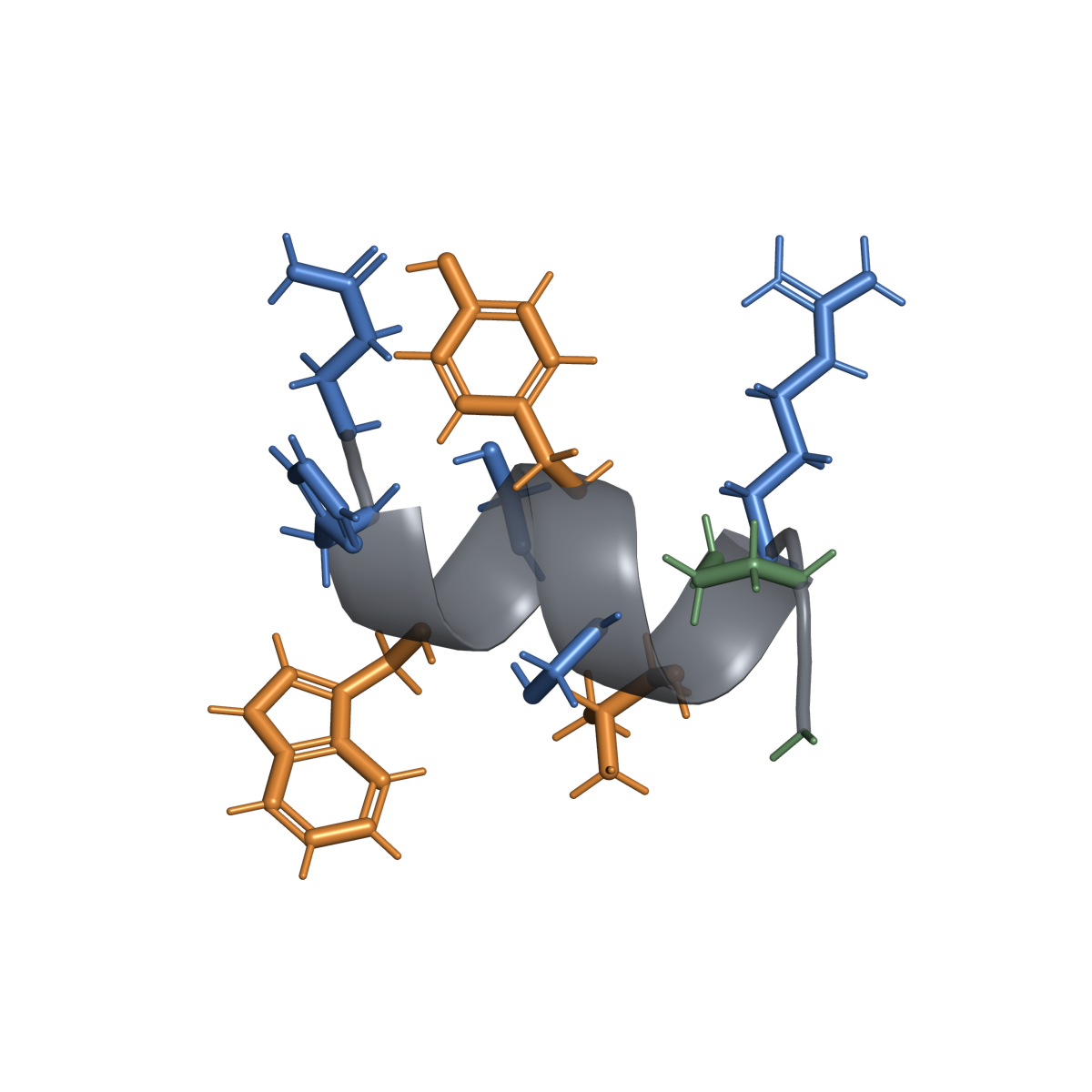
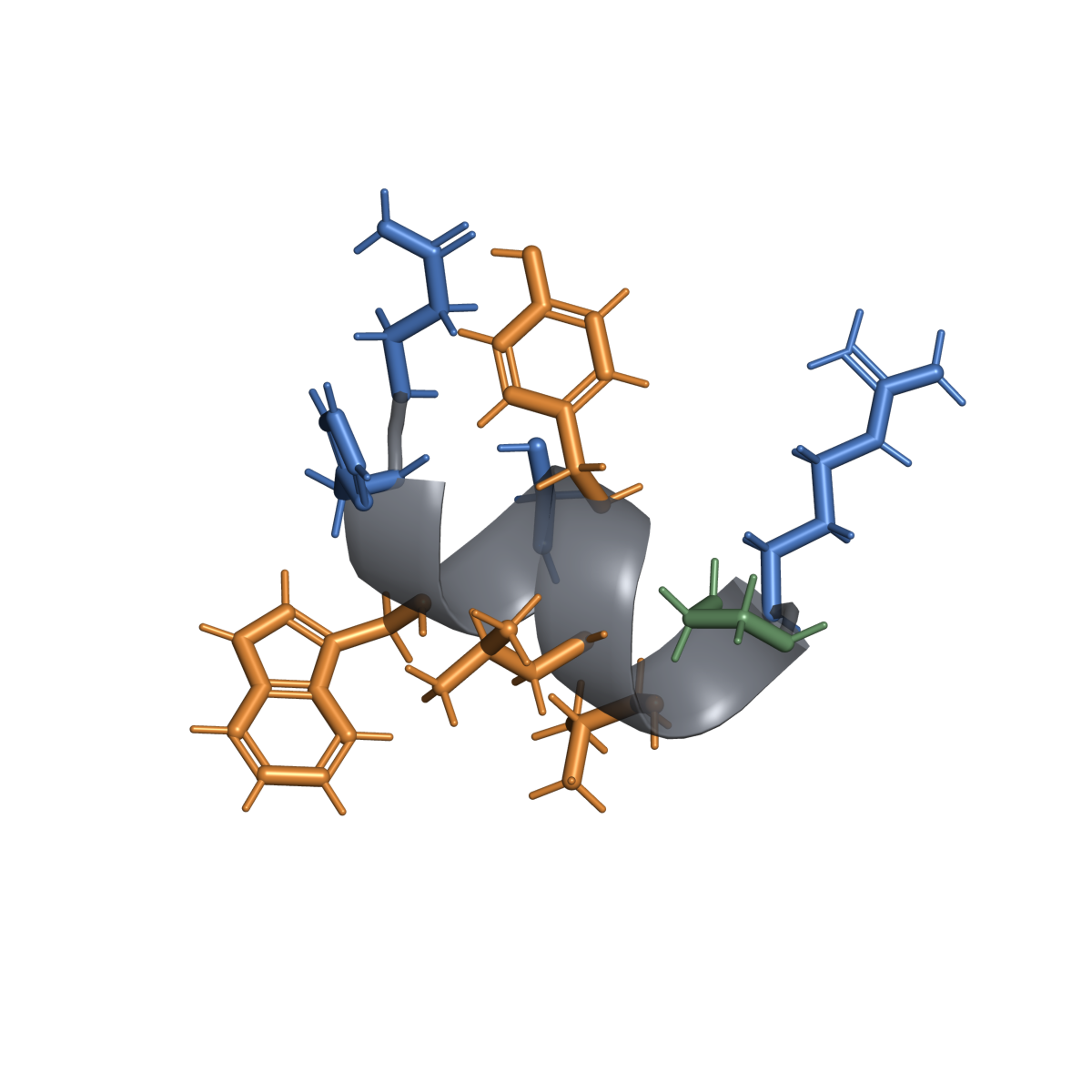
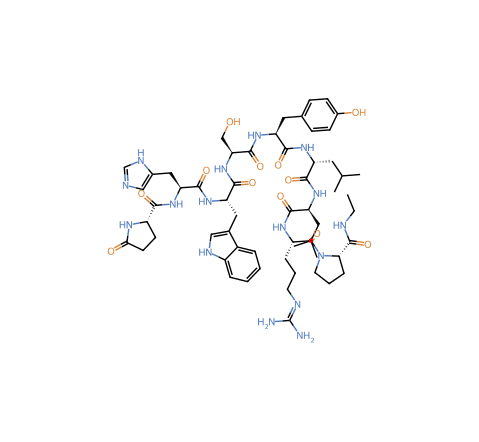
| Molecular/sequence identity | pGlu-His-Trp-Ser-Tyr-D-Leu-Leu-Arg-Pro-NHEt (nonapeptide) |
| Modifications/form | D-Leu at position 6 (resists enzymatic degradation); C-terminal ethylamide; acetate salt |
| Stable identifiers | The record number of a compound in PubChem, the atlas's primary structure-asset source. A registry record or depiction does not authenticate a commercial sample. Definition source: Identity and structure assets methodology · Glossary 657181 (leuprolide); UNII EFY6W0M8TG |
| Identity caveats | Do not confuse with other GnRH agonists (goserelin, triptorelin, nafarelin). Lupron Depot (IM) and Eligard (SC) are not interchangeable despite same active ingredient |
Development and approval status
| Jurisdiction | Status and indication | Product/source | As of |
|---|---|---|---|
| US (FDA) | Approved: advanced prostate cancer, endometriosis, uterine fibroids, CPP | Lupron Depot (Administered into a muscle. Definition source: Neutral gloss; usage context: Routes, devices, and absorption primer · Glossary); Eligard (Administered into the tissue layer under the skin. Definition source: Neutral gloss; usage context: Routes, devices, and absorption primer · Glossary) | 1985 (Lupron); 2002 (Eligard) |
| EU (EMA) | Approved for similar indications | Various brands | Ongoing |
| UK (MHRA) | Approved; Prostap brand | Various | Ongoing |
- UNITED STATES
- US (FDA): Approved: advanced prostate cancer, endometriosis, uterine fibroids, CPP
- EU/EEA
- EU (EMA): Approved for similar indications
- UNITED KINGDOM
- UK (MHRA): Approved; Prostap brand
- OTHER DOCUMENTED
- No OTHER DOCUMENTED row is present in the source status table
Sport status: WADA: Leuprorelin/leuprolide is explicitly prohibited at all times in males under S2.2.1 as a GnRH agonist analogue. GnRH analogues are monitored, not prohibited on that basis, in female athletes under 18 in 2026.
Mechanism and pharmacology
GnRH agonist. Binds GnRH receptors on pituitary gonadotrophs. Continuous exposure (from depot formulation) initially stimulates LH/FSH release (testosterone/estradiol surge ~2-4 days), then downregulates and desensitises receptors, suppressing gonadotropins to castrate levels within 2-4 weeks. D-Leu substitution at position 6 and C-terminal ethylamide increase potency and The time for the amount of a substance in the body to fall by half. Definition source: Neutral gloss; usage context: Routes, devices, and absorption primer · Glossary vs. native GnRH.
Evidence by claim
| Claim/indication | Stage | Grade | Best human evidence | Main result | Important limitations |
|---|---|---|---|---|---|
| Advanced prostate cancer | Approved | A | Multiple A study in which participants are assigned to the study material or a comparator by chance. Definition source: Neutral gloss; usage context: Evidence grading methodology · Glossary vs orchiectomy/estrogen | Equivalent survival to surgical castration; testosterone suppression to less than 50 ng/dL | No survival benefit over GnRH antagonists; tumour flare risk |
| Endometriosis (pain relief) | Approved | A | RCTs (Lupron Depot 3.75 mg/11.25 mg) | Significant reduction in endometriosis pain vs. An inactive comparator used in a controlled study. Definition source: Neutral gloss; usage context: Evidence grading methodology · Glossary; add-back norethindrone reduces bone loss | Duration limited to 6 months; bone density loss without add-back |
| Uterine fibroids (preoperative anaemia) | Approved | A | RCTs with concurrent iron therapy | Improved haemoglobin and haematocrit; reduced uterine volume | 3-month max duration; symptoms return after stopping |
| Central precocious puberty | Approved | A | Multiple studies in children | Suppression of LH and sex steroids to prepubertal levels; preservation of adult height | Requires careful monitoring of growth and bone age |
- AGrade A: Established for a specific labeled use
- BGrade B: Moderate human evidence
- CGrade C: Preliminary human evidence
- DGrade D: Preclinical only
- EGrade E: Anecdotal/marketing claim
- XGrade X: Evidence contradicts or does not support the claim
Text alternative for the claim-evidence diagram. Each grade is defined below:
- A — Established for a specific labeled use
- 4 claims: Advanced prostate cancer; Endometriosis (pain relief); Uterine fibroids (preoperative anaemia); Central precocious puberty
- B — Moderate human evidence
- 0 claims
- C — Preliminary human evidence
- 0 claims
- D — Preclinical only
- 0 claims
- E — Anecdotal/marketing claim
- 0 claims
- X — Evidence contradicts or does not support the claim
- 0 claims
Key studies
| Study | Design/population | Exposure studied | Endpoints and result | Limitations |
|---|---|---|---|---|
| Prostate cancer meta-analysis | Multiple A study in which participants are assigned to the study material or a comparator by chance. Definition source: Neutral gloss; usage context: Evidence grading methodology · Glossary; men with advanced PCa | Leuprolide depot (various) vs orchiectomy/other ADT | Equivalent survival; medical castration testosterone less than 50 ng/dL | A study in which participants and investigators know what is administered. Definition source: Neutral gloss; usage context: Evidence grading methodology · Glossary; not An inactive comparator used in a controlled study. Definition source: Neutral gloss; usage context: Evidence grading methodology · Glossary-controlled |
| Endometriosis RCTs | Placebo-controlled; women 18+ y | Lupron Depot 3.75 mg Administered into a muscle. Definition source: Neutral gloss; usage context: Routes, devices, and absorption primer · Glossary q month × 6 months | Pain reduction vs placebo; add-back reduces BMD loss | 6-month limit; retreatment requires add-back |
| MPAUS study (fibroids) | Open-label; women with fibroid anaemia | Lupron Depot 3.75 mg IM q month + iron | Improved anaemia preoperatively | 3-month treatment only |
Dose and administration evidence
Approved labeled regimen
The label summary below is product-, indication-, and jurisdiction-specific; consult the full current label and a licensed clinician/pharmacist.
Prostate cancer:
Lupron Depot: 7.5 mg Administered into a muscle. Definition source: Neutral gloss; usage context: Routes, devices, and absorption primer · Glossary q month; 22.5 mg IM q 3 months; 30 mg IM q 4 months; 45 mg IM q 6 months
Eligard: 7.5 mg Administered into the tissue layer under the skin. Definition source: Neutral gloss; usage context: Routes, devices, and absorption primer · Glossary q month; 22.5 mg SC q 3 months; 30 mg SC q 4 months; 45 mg SC q 6 months
Endometriosis: Lupron Depot 3.75 mg IM q month × 6 months (or 11.25 mg IM q 3 months × 2 doses); may use with norethindrone 5 mg/day add-back
Uterine fibroids (preoperative): Lupron Depot 3.75 mg IM q month × ≤3 months with iron
Central precocious puberty: Individualised; weight-based dosing per label
What is not established
No established or recommended use for any indication not listed in approved labels.
Safety
Established label risks
Tumour flare (first 2-4 weeks): bone pain, urinary obstruction, spinal cord compression in prostate cancer.
Hot flashes/flushes (>80% of men).
Loss of bone mineral density — concern with >6 months use in women; add-back therapy mitigates.
Hyperglycemia/diabetes risk increase with GnRH agonists.
Cardiovascular: Increased risk MI, sudden cardiac death, stroke.
QT interval prolongation — androgen deprivation therapy risk.
Injection site reactions.
Depression / mood changes (women).
Convulsions (rare, post-marketing).
Severe cutaneous adverse reactions (SCARs, including SJS/TEN with goserelin; class warning).
Human-study signals
Initial pubertal increase in CPP children (first month).
Vaginal bleeding in women during first 2 months.
Unknowns and product-quality risks
Long-term bone and cardiovascular risk with extended therapy.
Not studied >6 months for benign gynaecologic indications.
Interactions and special populations
No dose adjustment for renal or hepatic impairment.
Pregnancy: Contraindicated for benign gynaecologic use; may cause fetal harm.
Lactation: Not recommended.
Drug-drug interactions: None well-established beyond ECG concerns with QT-prolonging drugs.
Regulatory, compounding, and sport notes
US FDA: Prescription only; multiple approved formulations.
The World Anti-Doping Agency; its Prohibited List classifies many peptides as prohibited substances in sport. Definition source: WADA and sport regulation brief · Glossary: Leuprorelin/leuprolide is explicitly prohibited at all times in males under S2.2.1 as a GnRH agonist analogue. GnRH analogues are monitored, not prohibited on that basis, in female athletes under 18 in 2026.
Compounding: Compounded leuprolide is not interchangeable with approved depot formulations; release characteristics differ.
Evidence gaps
Head-to-head comparisons between Lupron Depot (Administered into a muscle. Definition source: Neutral gloss; usage context: Routes, devices, and absorption primer · Glossary) and Eligard (Administered into the tissue layer under the skin. Definition source: Neutral gloss; usage context: Routes, devices, and absorption primer · Glossary).
Optimal sequencing vs. GnRH antagonists in prostate cancer.
Bone protection strategies in long-term use for non-cancer indications.
Search notes
Databases and registries: DailyMed, Drugs@FDA, PubMed, ClinicalTrials.gov, EMA
Search terms: leuprolide, leuprorelin, Lupron, Eligard, GnRH agonist, prostate cancer, endometriosis
Last searched: 2026-08-06
Inclusion emphasis: FDA label, A study in which participants are assigned to the study material or a comparator by chance. Definition source: Neutral gloss; usage context: Evidence grading methodology · Glossary, comparative studies
Sources
Lupron Depot Prescribing Information (AbbVie). https://www.lupron.com/pi.html
Eligard Prescribing Information (Tolmar). Revised 02/2025. https://eligard.com/wp-content/uploads/2026/05/1.14.1.3-Eligard-Prescribing-Information.pdf
DailyMed – LUPRON DEPOT. https://dailymed.nlm.nih.gov/dailymed/drugInfo.cfm?setid=00c486b0-bd7b-4898-834d-8c656e5e73cb
DailyMed – ELIGARD. https://dailymed.nlm.nih.gov/dailymed/lookup.cfm?setid=b7b679a9-6823-4ef8-8d31-3ab5058ffcfc
Medscape. Leuprolide (Lupron, Eligard). https://reference.medscape.com/drug/lupron-eligard-leuprolide-342221
PubChem CID 3911 (leuprolide).