Bottom line
Kisspeptin-54 (KP-54), originally named metastin, is the longest biologically active cleavage product of the KISS1 metastasis-suppressor gene. It acts as an An entry with substantial scientific visibility or identity value. Biological rationale and non-human evidence do not establish patient benefit. Definition source: Scope and selection methodology · Glossary agonist at KISS1R (GPR54) to stimulate GnRH and subsequent LH/FSH release. KP-54 is A clinical-stage candidate with scientific or public relevance. Investigation is not approval, and a studied exposure is not a recommendation. Definition source: Scope and selection methodology · Glossary only — no FDA- or EMA-approved product was identified — with phase 1/2 trials in hypothalamic amenorrhea, hypogonadotropic hypogonadism, and as a potential fertility treatment. It has a longer plasma The time for the amount of a substance in the body to fall by half. Definition source: Neutral gloss; usage context: Routes, devices, and absorption primer · Glossary (28 min) than kisspeptin-10 (~4 min), making it the preferred isoform for most clinical studies.
Identity and composition
| Field | Verified information |
|---|---|
| Preferred name | Kisspeptin-54 |
| Key aliases | KP-54; metastin; KISS1 (68-121); human metastin |
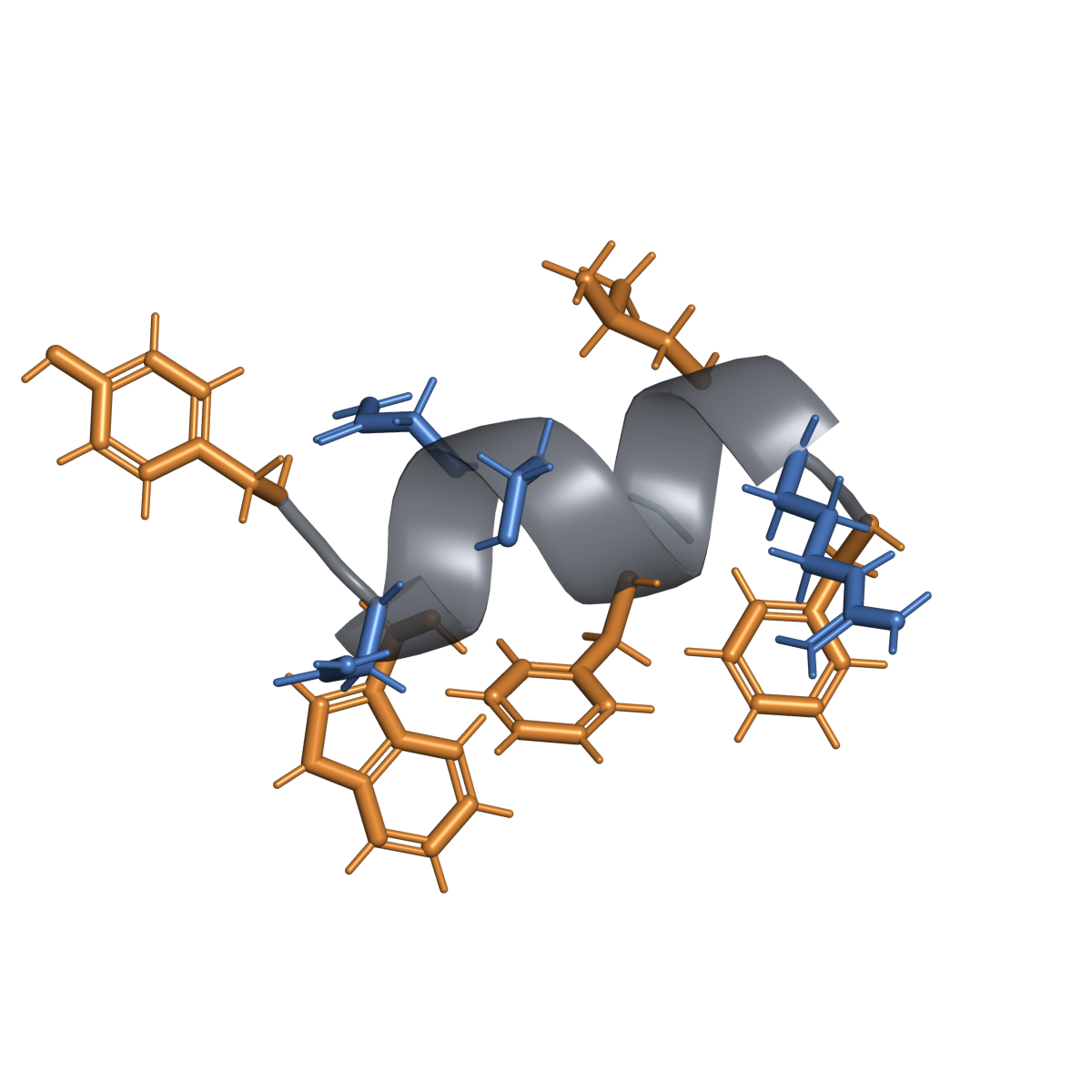
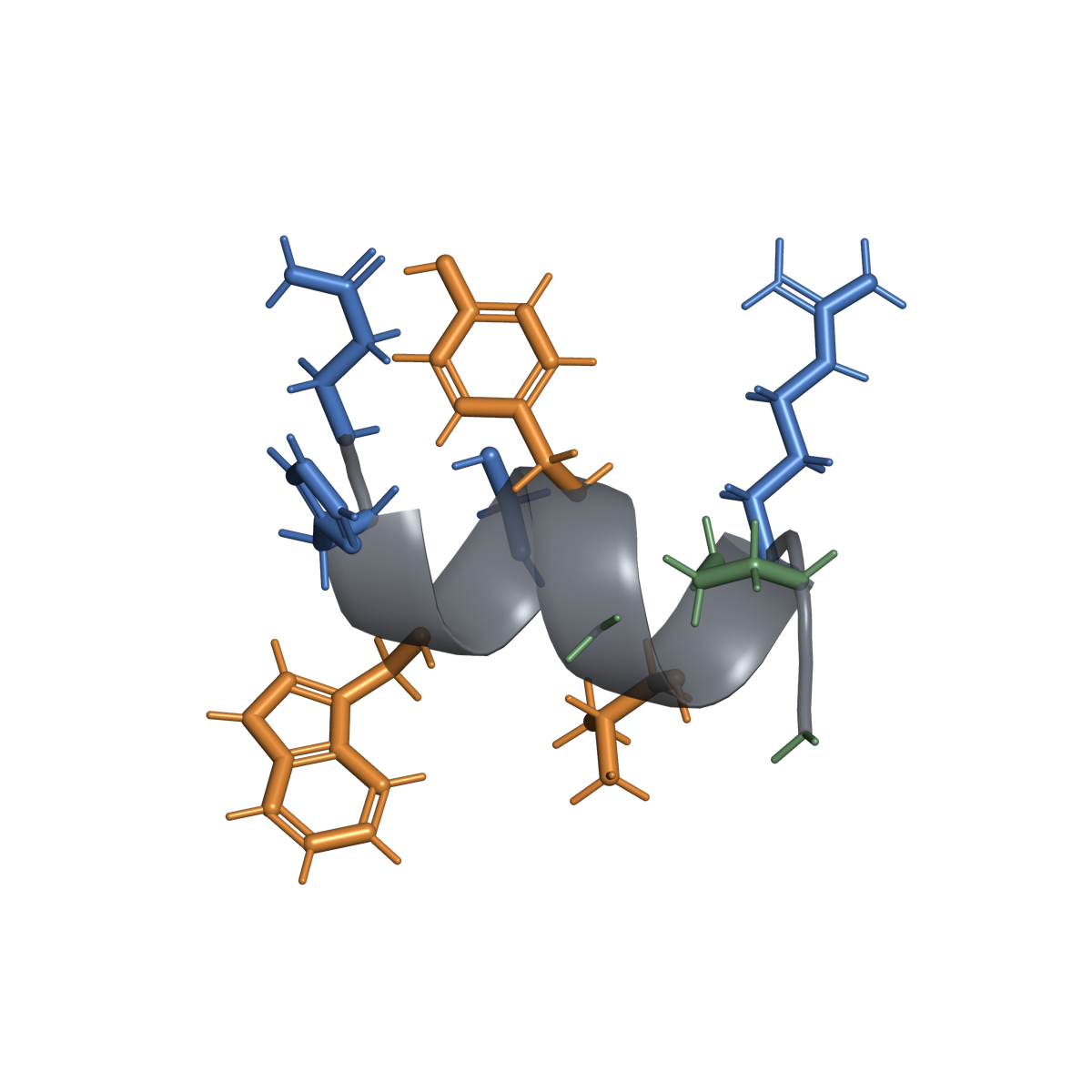
| Molecular/sequence identity | 54-amino-acid peptide; C-terminal decapeptide (residues 45-54) = kisspeptin-10 |
| Modifications/form | C-terminal amidation; full-length KISS1 product |
| Stable identifiers | UniProt Q8NG95 (KISS1); IUPHAR/BPS ligand 1288 |
| Identity caveats | Human KP-54 sequence differs from other species, limiting translation. KP-54 and KP-10 are equipotent at KISS1R in vitro, but KP-54 has longer in vivo The time for the amount of a substance in the body to fall by half. Definition source: Neutral gloss; usage context: Routes, devices, and absorption primer · Glossary |
Development and approval status
| Jurisdiction | Status and indication | Product/source | As of |
|---|---|---|---|
| No jurisdiction | A clinical-stage candidate with scientific or public relevance. Investigation is not approval, and a studied exposure is not a recommendation. Definition source: Scope and selection methodology · Glossary; phase 1/2 clinical trials only | Research-grade peptide | 2026 |
Registered trials: NCT05633966 (KASPR, KP-10), NCT05896293 (KP-10), NCT04648969 (KP-10); intranasal KP-54 study (Abbara et al. 2025, EBioMedicine).
- UNITED STATES
- No UNITED STATES row is present in the source status table
- EU/EEA
- No EU/EEA row is present in the source status table
- UNITED KINGDOM
- No UNITED KINGDOM row is present in the source status table
- OTHER DOCUMENTED
- No jurisdiction: Investigational; phase 1/2 clinical trials only
Sport status: WADA: The 2026 List explicitly names kisspeptin and its agonist analogues under S2.2.1 as testosterone-stimulating peptides prohibited at all times in males. Kisspeptin stimulates endogenous GnRH release but is not itself a GnRH analogue.
Mechanism and pharmacology
Full agonist at KISS1R on GnRH neurons, stimulating pulsatile GnRH release. KP-54 has a plasma The time for the amount of a substance in the body to fall by half. Definition source: Neutral gloss; usage context: Routes, devices, and absorption primer · Glossary of ~28 min in humans (vs. ~4 min for KP-10), and a volume of distribution of ~129 mL/kg. Continuous infusion can produce desensitisation, whereas pulsatile administration maintains responsiveness. KP-54 is equipotent with KP-10 in vitro but produces greater AUC for gonadotropins in vivo due to longer half-life.
Evidence by claim
| Claim/indication | Stage | Grade | Best human evidence | Main result | Important limitations |
|---|---|---|---|---|---|
| LH/FSH stimulation in healthy humans | Phase 1 | B | Neither participants nor investigators know who receives the study material or the comparator. Definition source: Neutral gloss; usage context: Evidence grading methodology · Glossary, An inactive comparator used in a controlled study. Definition source: Neutral gloss; usage context: Evidence grading methodology · Glossary-controlled crossover (Dhirn et al. 2005) | i.v. KP-54 (4 pmol/kg/min × 90 min) significantly increased LH, FSH, and testosterone | Small n=6; acute only |
| Hypothalamic amenorrhea — LH pulsatilty | Phase 1/2 | C | Single-blind, dose-ranging (Jayasena 2013, PMID 24517142) | KP-54 infusion increased LH pulses 3-fold vs. vehicle in HA women | Small n=5; infusion only, no ovulation endpoint |
| Intranasal delivery feasibility | Phase 1 | C | A study in which participants are assigned to the study material or a comparator by chance. Definition source: Neutral gloss; usage context: Evidence grading methodology · Glossary crossover (Abbara 2025) | Intranasal KP-54 (12.8 nmol/kg) increased LH in healthy and HA subjects | Includes KP-54 not KP-10; early stage |
- AGrade A: Established for a specific labeled use
- BGrade B: Moderate human evidence
- CGrade C: Preliminary human evidence
- DGrade D: Preclinical only
- EGrade E: Anecdotal/marketing claim
- XGrade X: Evidence contradicts or does not support the claim
Text alternative for the claim-evidence diagram. Each grade is defined below:
- A — Established for a specific labeled use
- 0 claims
- B — Moderate human evidence
- 1 claim: LH/FSH stimulation in healthy humans
- C — Preliminary human evidence
- 2 claims: Hypothalamic amenorrhea — LH pulsatilty; Intranasal delivery feasibility
- D — Preclinical only
- 0 claims
- E — Anecdotal/marketing claim
- 0 claims
- X — Evidence contradicts or does not support the claim
- 0 claims
Key studies
| Study | Design/population | Exposure studied | Endpoints and result | Limitations |
|---|---|---|---|---|
| Dhirn et al. (2005) | DBPC crossover; healthy men (n=6) | i.v. KP-54 4 pmol/kg/min × 90 min vs saline | LH 10.8 vs 4.2 IU/L; FSH and T also significantly increased | n=6; short duration |
| Jayasena et al. (2013) | Single-blind; women with HA (n=5) | i.v. KP-54 infusion (0.01-1.0 nmol/kg/h × 8 h) | Peak LH pulses 5.0/8h vs 1.6/8h (vehicle) | Small n; Administered into a vein. Definition source: Neutral gloss; usage context: Routes, devices, and absorption primer · Glossary not practical for chronic use |
| Abbara et al. (2025) | DBPC crossover A study in which participants are assigned to the study material or a comparator by chance. Definition source: Neutral gloss; usage context: Evidence grading methodology · Glossary; healthy men, women, HA patients | Intranasal KP-54 (3.2-25.6 nmol/kg) | LH rise within 30-45 min; no AEs | First intranasal data; small; device-dependent |
Dose and administration evidence
Approved labeled regimen
Not applicable — not approved.
Studied regimens (not recommendations)
Administered into a vein. Definition source: Neutral gloss; usage context: Routes, devices, and absorption primer · Glossary infusion: 0.01-1.0 nmol/kg/h (8 hours; research only).
Intravenous bolus: 0.3-25.6 nmol/kg (single dose).
Intranasal spray: 3.2-25.6 nmol/kg (single dose; research only).
Administered into the tissue layer under the skin. Definition source: Neutral gloss; usage context: Routes, devices, and absorption primer · Glossary infusion: 0.1-1.0 nmol/kg/h (8 hours).
What is not established
No established or recommended human dose.
Safety
Human-study signals
Well-tolerated in all reported human studies.
No serious adverse events.
Mild subjective warmth, flushing at high doses.
No nausea or vasomotor symptoms reported with intranasal KP-54.
Desensitisation with continuous exposure; mitigated by pulsatile delivery.
Unknowns and product-quality risks
No chronic safety data (>2 weeks exposure).
No carcinogenicity or reproductive toxicity studies.
Online "kisspeptin-54" products are unregulated and may not be pure or correctly dosed.
Interactions and special populations
Not studied in pregnancy, lactation, children.
Baseline oestradiol levels affect LH response magnitude in women.
No studies with concurrent hormonal contraception.
Regulatory, compounding, and sport notes
Approval: No FDA-approved product or EMA-authorized medicine was identified; status elsewhere requires a current national-register check.
The World Anti-Doping Agency; its Prohibited List classifies many peptides as prohibited substances in sport. Definition source: WADA and sport regulation brief · Glossary: The 2026 List explicitly names kisspeptin and its agonist analogues under S2.2.1 as testosterone-stimulating peptides prohibited at all times in males. Kisspeptin stimulates An entry with substantial scientific visibility or identity value. Biological rationale and non-human evidence do not establish patient benefit. Definition source: Scope and selection methodology · Glossary GnRH release but is not itself a GnRH analogue.
Compounding: No general exemption or lawful-compounding conclusion follows from A clinical-stage candidate with scientific or public relevance. Investigation is not approval, and a studied exposure is not a recommendation. Definition source: Scope and selection methodology · Glossary status; applicable rules are product-, jurisdiction-, and fact-specific.
Evidence gaps
Chronic safety and desensitisation risk.
Efficacy for ovulation induction (phase 2/3 needed).
Optimal formulation and route.
Comparison with standard gonadotropin therapy.
Search notes
Databases and registries: PubMed, ClinicalTrials.gov, IUPHAR/BPS Guide to Pharmacology
Search terms: kisspeptin-54, KP-54, metastin, kisspeptin, human clinical trial
Last searched: 2026-08-06
Inclusion emphasis: Human clinical studies, registered trials
Sources
Dhirn WS, et al. Kisspeptin-54 stimulates the HPG axis in human males. J Clin Endocrinol Metab. 2005;90(12):6609-15. PMID 16174713.
Jayasena CN, et al. Increasing LH pulsatility in HA using KP-54 infusion. J Clin Endocrinol Metab. 2014;99(2):E243-51. PMID 24517142.
Abbara A, et al. Intranasal KP-54 stimulates gonadotropin release. EBioMedicine. 2025. https://www.thelancet.com/journals/ebiom/article/PIIS2352-3964(25)00133-1/fulltext
Chan YM, et al. Direct comparison of kisspeptin-10, -54, and GnRH. Hum Reprod. 2015;30(8):1849-56. PMID 26089302.
IUPHAR/BPS Guide – kisspeptin-54 ligand ID 1288. https://www.guidetopharmacology.org/GRAC/LigandDisplayForward?ligandId=1288
UniProt Q8NG95 (KISS1 precursor).
WADA. 2026 Prohibited List. https://www.wada-ama.org/en/resources/world-anti-doping-program/prohibited-list