Bottom line
Desmopressin (DDAVP) is a synthetic analogue of vasopressin with two key modifications — deamination at position 1 and substitution of L-Arg with D-Arg at position 8 — conferring V2-receptor selectivity and prolonged The time for the amount of a substance in the body to fall by half. Definition source: Neutral gloss; usage context: Routes, devices, and absorption primer · Glossary. It is approved in multiple named jurisdictions, with product-specific indications for central diabetes insipidus, primary nocturnal enuresis, mild haemophilia A/von Willebrand disease (factor VIII release), and nocturia (by sublingual formulation). The injectable formulation carries a boxed warning for severe hyponatraemia and seizure.
Identity and composition
| Field | Verified information |
|---|---|
| Preferred name | Desmopressin |
| Key aliases | DDAVP, 1-deamino-8-D-arginine vasopressin, Minirin, Nocdurna, Stimate |
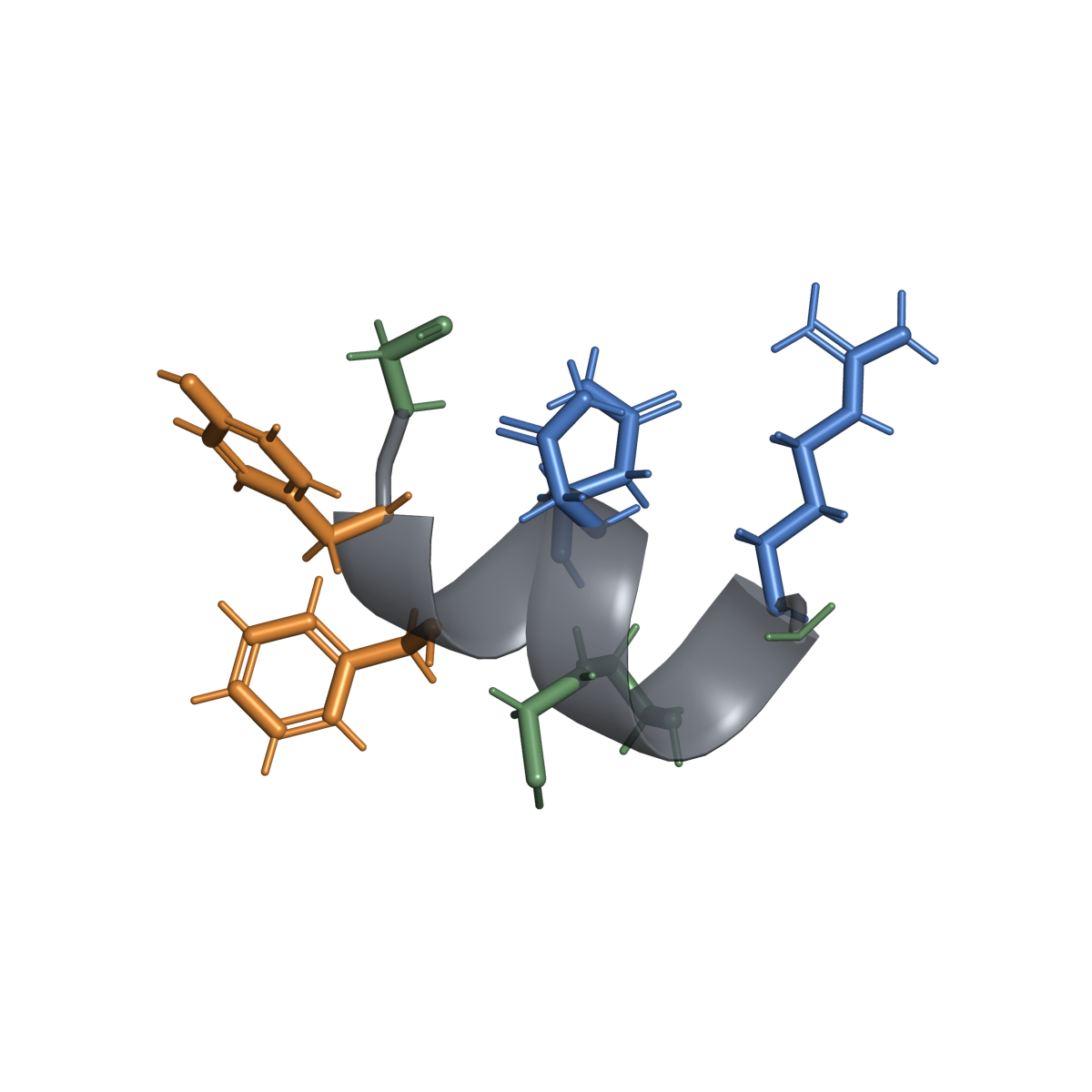
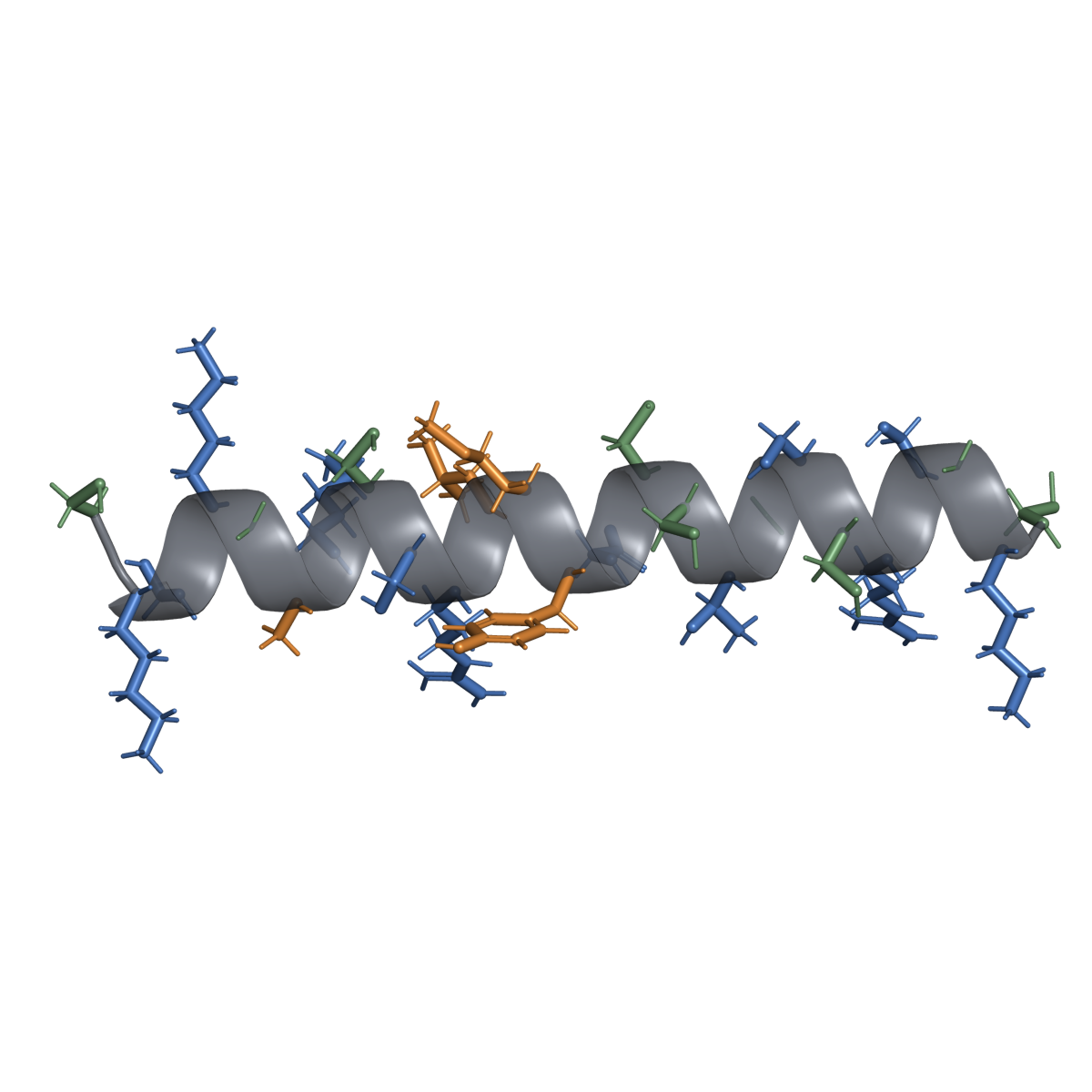
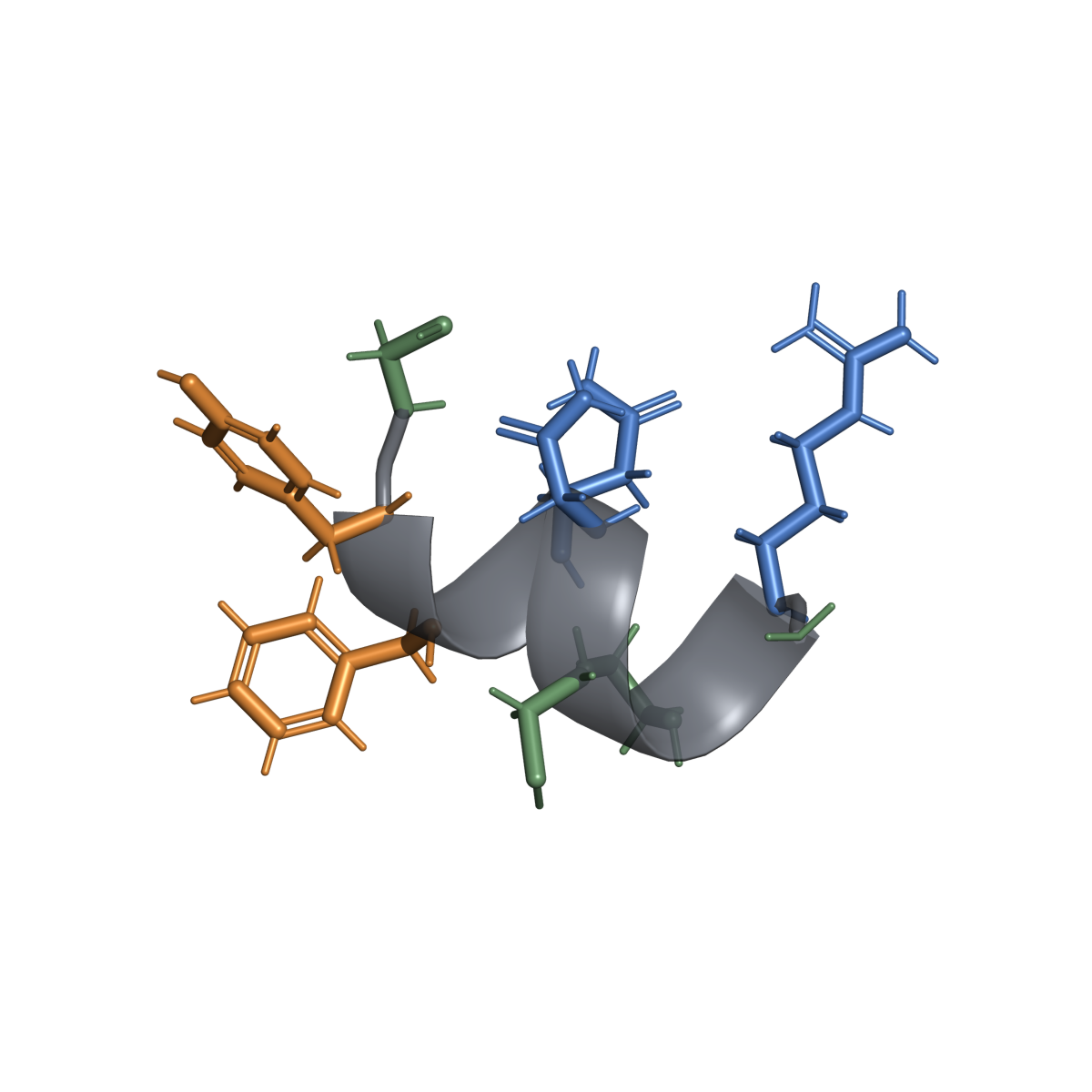
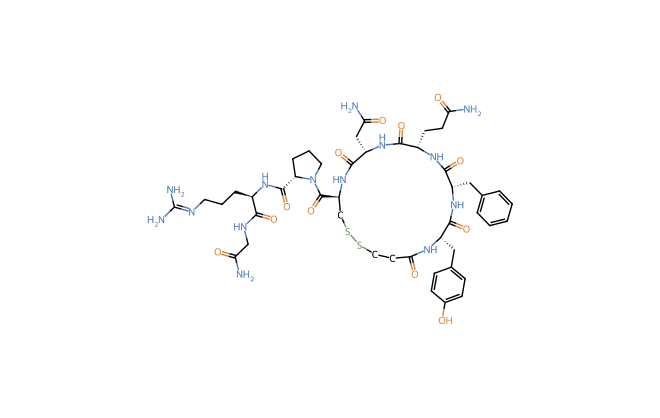
| Molecular/sequence identity | Mpa-Tyr-Phe-Gln-Asn-Cys-Pro-D-Arg-Gly-NH₂ (synthetic modified nonapeptide; Mpa = 3-mercaptopropionic acid; disulfide bridge Mpa¹–Cys⁶) |
| Modifications/form | Deamination at position 1 (3-mercaptopropionic acid replaces Cys to reduce proteolysis); D-Arg at position 8 (V2 selectivity); C-terminal amide |
| Stable identifiers | CAS 16679-58-6; The record number of a compound in PubChem, the atlas's primary structure-asset source. A registry record or depiction does not authenticate a commercial sample. Definition source: Identity and structure assets methodology · Glossary 5311065; DrugBank DB00035; UNII ENR1LLB0FP; ATC H01BA02 |
| Identity caveats | Distinct from vasopressin — V2-selective, substantially longer The time for the amount of a substance in the body to fall by half. Definition source: Neutral gloss; usage context: Routes, devices, and absorption primer · Glossary (2–3 h vs 10–35 min), negligible V1a activity; not interchangeable for vasodilatory shock; different How a substance is absorbed, distributed, metabolized, and eliminated by the body; atlas pages report pharmacokinetic data such as half-life, metabolism, and clearance. Definition source: Neutral gloss; usage context: Routes, devices, and absorption primer · Glossary across the oral, intranasal, sublingual, and injectable routes |
Development and approval status
| Jurisdiction | Status and indication | Product/source | As of |
|---|---|---|---|
| FDA (US) | Approved — central DI, primary nocturnal enuresis (PNE), haemophilia A with factor VIII >5%, von Willebrand disease (type 1), nocturia (sublingual) | DDAVP (tablet, spray, injection), Nocdurna (sublingual), Stimate (high-concentration spray) | Various NDA dates |
| EMA (EU) | Approved — same indications | Minirin (tablet, melt, spray, injection) | Approved |
| MHRA (UK) | Approved — same | Desmopressin (generic) | Approved |
- UNITED STATES
- FDA (US): Approved — central DI, primary nocturnal enuresis (PNE), haemophilia A with factor VIII >5%, von Willebrand disease (type 1), nocturia (sublingual)
- EU/EEA
- EMA (EU): Approved — same indications
- UNITED KINGDOM
- MHRA (UK): Approved — same
- OTHER DOCUMENTED
- No OTHER DOCUMENTED row is present in the source status table
Sport status: WADA: prohibited — desmopressin is a masking agent on the WADA Prohibited List (category S5, Diuretics and Masking Agents); prohibited at all times
Mechanism and pharmacology
Desmopressin is a selective agonist at the V2 receptor (renal collecting duct), stimulating Gs/AC/cAMP/PKA signalling leading to aquaporin-2 insertion and free water reabsorption. At high doses, it also stimulates V2-mediated release of von Willebrand factor and factor VIII from endothelial Weibel-Palade bodies. Its selectivity for V2 over V1a is >100-fold, minimising vasopressor effects. The time for the amount of a substance in the body to fall by half. Definition source: Neutral gloss; usage context: Routes, devices, and absorption primer · Glossary is 2–3 hours (vs 10–35 min for vasopressin). Well-characterised — high confidence.
Evidence by claim
| Claim/indication | Stage | Grade | Best human evidence | Main result | Important limitations |
|---|---|---|---|---|---|
| Central diabetes insipidus | Approved (global) | A | Multiple A study in which participants are assigned to the study material or a comparator by chance. Definition source: Neutral gloss; usage context: Evidence grading methodology · Glossary; label data | Effective antidiuresis | Well-established |
| Primary nocturnal enuresis | Approved (global) | A | Multiple RCTs; regulatory review | Reduces wet nights vs An inactive comparator used in a controlled study. Definition source: Neutral gloss; usage context: Evidence grading methodology · Glossary | Relapse common after discontinuation |
| Haemophilia A / von Willebrand disease | Approved (FDA) | A | Pivotal clinical trials | Increased factor VIII and vWF sufficient for minor procedures (Stimate intranasal spray) | Efficacy limited to mild disease (FVIII >5%) |
| Nocturia (adults) | Approved (sublingual) | A | Pivotal RCTs | Reduced nocturnal voids | Fluid restriction required |
| Bedwetting in children on SubQ | Off-label | ? | — | — | Not approved for Administered into the tissue layer under the skin. Definition source: Neutral gloss; usage context: Routes, devices, and absorption primer · Glossary route in children |
- AGrade A: Established for a specific labeled use
- BGrade B: Moderate human evidence
- CGrade C: Preliminary human evidence
- DGrade D: Preclinical only
- EGrade E: Anecdotal/marketing claim
- XGrade X: Evidence contradicts or does not support the claim
Text alternative for the claim-evidence diagram. Each grade is defined below:
- A — Established for a specific labeled use
- 4 claims: Central diabetes insipidus; Primary nocturnal enuresis; Haemophilia A / von Willebrand disease; Nocturia (adults)
- B — Moderate human evidence
- 0 claims
- C — Preliminary human evidence
- 0 claims
- D — Preclinical only
- 0 claims
- E — Anecdotal/marketing claim
- 0 claims
- X — Evidence contradicts or does not support the claim
- 0 claims
Key studies
| Study | Design/population | Exposure studied | Endpoints and result | Limitations |
|---|---|---|---|---|
| FDA label DDAVP | Central DI — A study in which participants and investigators know what is administered. Definition source: Neutral gloss; usage context: Evidence grading methodology · Glossary, multiple trials | 0.1–0.4 mg oral; 5–40 mcg intranasal | Controlled urine output, normalised serum sodium | Some older; no modern An inactive comparator used in a controlled study. Definition source: Neutral gloss; usage context: Evidence grading methodology · Glossary-controlled DI trial (ethically problematic) |
| PNE meta-analysis (many) | Meta-analysis, children (n=1000+) | 0.2–0.4 mg oral at bedtime | 1.3 fewer wet nights/week vs placebo | High response variability |
| Nocdurna pivotal trial | Nocturia adults, A study in which participants are assigned to the study material or a comparator by chance. Definition source: Neutral gloss; usage context: Evidence grading methodology · Glossary (n≈1000) | 25–100 mcg sublingual | Clinically meaningful reduction in nocturnal voids | Fluid restriction protocol required |
Dose and administration evidence
Approved labeled regimen
The label summary below is product-, indication-, and jurisdiction-specific; consult the full current label and a licensed clinician/pharmacist.
Route-specific regimens:
Central DI (DDAVP tablets, US): Start 0.05 mg twice daily. The label says most clinical-trial patients had an optimal total daily dose of 0.1–0.8 mg and permits individualized adjustment within 0.1–1.2 mg/day, divided into two or three doses.
Central DI (intranasal): 5–40 mcg/day in 1–3 divided doses
Central DI (injectable): 2–4 mcg Administered into the tissue layer under the skin. Definition source: Neutral gloss; usage context: Routes, devices, and absorption primer · Glossary/Administered into a vein. Definition source: Neutral gloss; usage context: Routes, devices, and absorption primer · Glossary/Administered into a muscle. Definition source: Neutral gloss; usage context: Routes, devices, and absorption primer · Glossary
PNE (oral): 0.2–0.4 mg at bedtime, fluid restriction
Nocturia (sublingual Nocdurna): Women — 25 mcg at bedtime; Men — 50 mcg at bedtime (sex-specific dosing per FDA label)
Haemophilia A/vWD (Stimate intranasal spray): 150 mcg (one spray) per nostril; 300 mcg total dose (two sprays)
Haemophilia A/vWD (DDAVP injection): 0.3 mcg/kg IV in 50 mL NS over 15–30 min
Stimate is a high-concentration intranasal spray; DDAVP injection is a separate product with a different formulation, route, and dose. These are NOT interchangeable.
Studied regimens (not recommendations)
No additional significant studied regimens beyond approved routes and doses.
What is not established
Long-term efficacy for nocturia (durability of effect)
Dose adjustment protocols for elective surgery in haemophilia/vWD
Optimal fluid-restriction protocols
Chronic intranasal use safety concerns (rhinological changes)
Safety
Established label risks
Boxed warning (injectable formulation, and sublingual Nocdurna): Severe hyponatraemia can result in seizure, coma, respiratory arrest, and death. Extreme caution with patients at risk: hyponatraemia-prone conditions, cystic fibrosis, concomitant drugs increasing water intake or ADH/cox-2 effect.
Injection boxed warning also includes: Contraindicated in patients receiving loop diuretics, systemic/inhaled glucocorticoids.
Major warnings (all routes):
Hyponatraemia risk: monitor sodium (especially at initiation and dose changes)
Fluid overload in cardiovascular disease
Thrombotic events (rare, with high-dose Administered into a vein. Definition source: Neutral gloss; usage context: Routes, devices, and absorption primer · Glossary for haemophilia)
Anaphylaxis/hypersensitivity (rare)
Contraindications: Hyponatraemia, moderate-to-severe renal impairment (CrCl less than 50 mL/min), polydipsia, and (for injection) concomitant loop diuretics or glucocorticoids.
Human-study signals
Well-characterised safety profile. Hyponatraemia is the primary dose-limiting concern and is more common without fluid restriction.
Unknowns and product-quality risks
Chronic high-dose intranasal use may alter nasal mucosa absorption
Research chemical desmopressin products are adulterated and unsafe
Not for use in patients with cystic fibrosis without careful sodium monitoring
Interactions and special populations
Drugs increasing hyponatraemia risk: SSRIs, NSAIDs, carbamazepine, oxcarbazepine, lamotrigine, chlorpromazine, TCAs, thiazide diuretics, loop diuretics
Drugs decreasing effect: lithium, demeclocycline
Renal impairment: contraindicated if CrCl less than 50 mL/min
Elderly: higher hyponatraemia risk; monitor sodium
Pregnancy: no adequate studies; small amounts cross placenta; use if needed
Lactation: desmopressin excreted in breast milk in small amounts
Regulatory, compounding, and sport notes
The World Anti-Doping Agency; its Prohibited List classifies many peptides as prohibited substances in sport. Definition source: WADA and sport regulation brief · Glossary: prohibited — desmopressin is a masking agent on the WADA Prohibited List (category S5, Diuretics and Masking Agents); prohibited at all times
US DEA: not scheduled
Prescription scheduling and access vary by jurisdiction and formulation; the US products reviewed in this monograph are prescription products
Multiple generic formulations available
Injection: boxed warning; oral: no boxed warning but strong hyponatraemia warning
Evidence gaps
Modern An inactive comparator used in a controlled study. Definition source: Neutral gloss; usage context: Evidence grading methodology · Glossary-controlled A study in which participants are assigned to the study material or a comparator by chance. Definition source: Neutral gloss; usage context: Evidence grading methodology · Glossary for central DI would be ethically difficult; reliance on older data
Optimal dose individualisation for nocturia (age, sex, comorbidities)
Durability of nocturia effect over >12 months
Paediatric safety data for long-term use
Comparative efficacy of different routes for specific indications
Search notes
Databases and registries: PubMed, DailyMed, FDA Drugs@FDA, The World Anti-Doping Agency; its Prohibited List classifies many peptides as prohibited substances in sport. Definition source: WADA and sport regulation brief · Glossary Prohibited List, EMA product information
Search terms: Desmopressin, DDAVP, Minirin, Nocdurna, Stimate, 16679-58-6, hyponatraemia, WADA
Last searched: 2026-08-06
Inclusion emphasis: regulatory labels, clinical trials, safety communications
Sources
FDA label: DDAVP (desmopressin acetate) tablets. DailyMed. https://dailymed.nlm.nih.gov/dailymed/lookup.cfm?setid=6d55baa9-2b62-469c-93ae-3909ab249332&version=7
FDA label: Nocdurna (desmopressin sublingual). DailyMed.
FDA label: Stimate (desmopressin nasal spray). DailyMed.
DrugBank DB00035. https://go.drugbank.com/drugs/DB00035
PubChem CID 5311065. https://pubchem.ncbi.nlm.nih.gov/compound/5311065
WADA Prohibited List 2026. https://www.wada-ama.org/en/prohibited-list