Bottom line
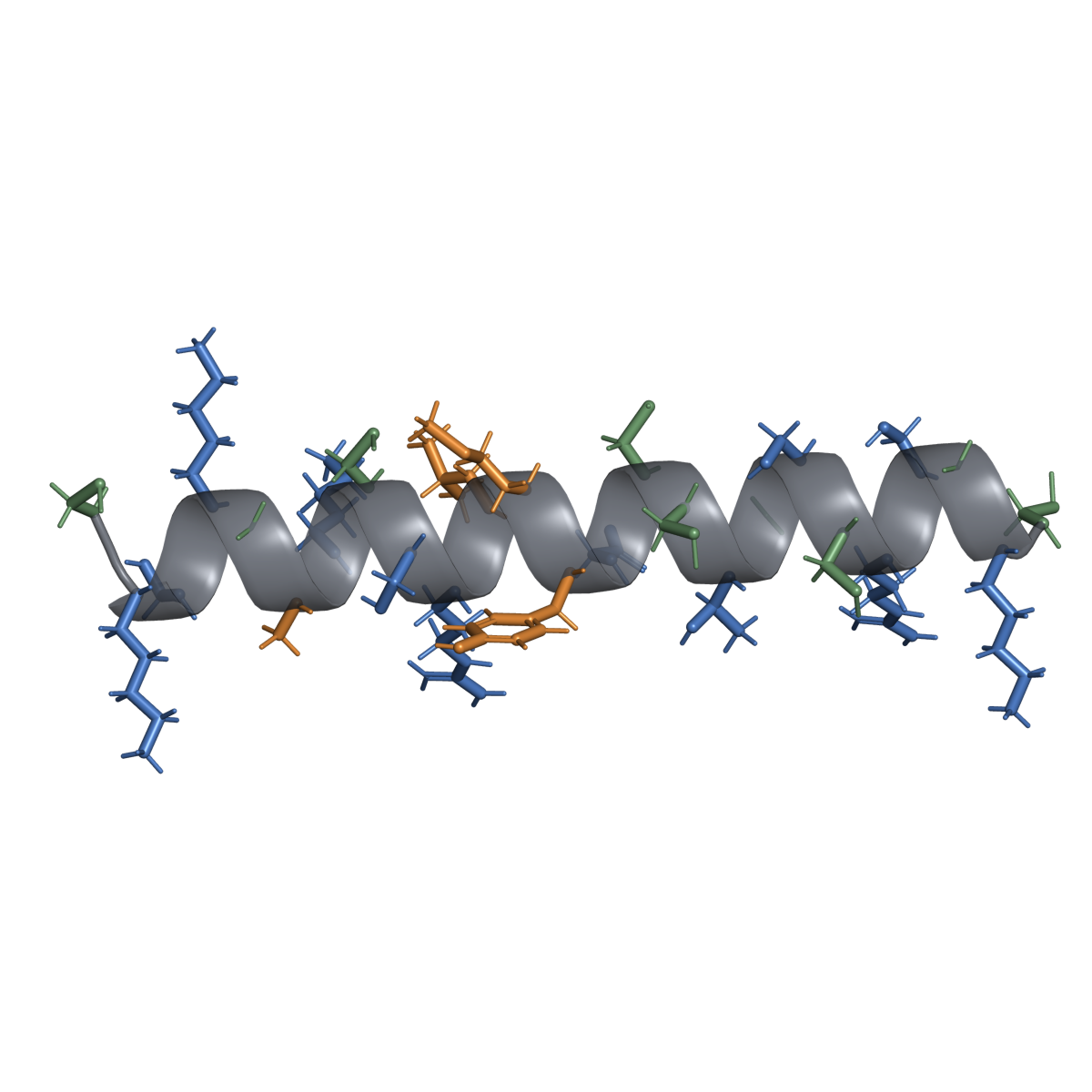
Ziconotide (Prialt) is a synthetic version of ω-conotoxin MVIIA, a 25-amino-acid peptide neurotoxin derived from the marine cone snail Conus magus. It is approved by FDA and EMA as a third-line treatment for severe chronic pain in adults requiring intrathecal (IT) analgesia. It carries FDA boxed warnings for severe psychiatric and neurological adverse effects, including suicide risk, and is restricted to use with specialised intrathecal equipment. No US federal CSA scheduling was identified as of 2026-08-06; state law and other jurisdictions were not assessed.
Identity and composition
| Field | Verified information |
|---|---|
| Preferred name | Ziconotide |
| Key aliases | Prialt, SNX-111, ω-conotoxin MVIIA, conotoxin MVIIA |
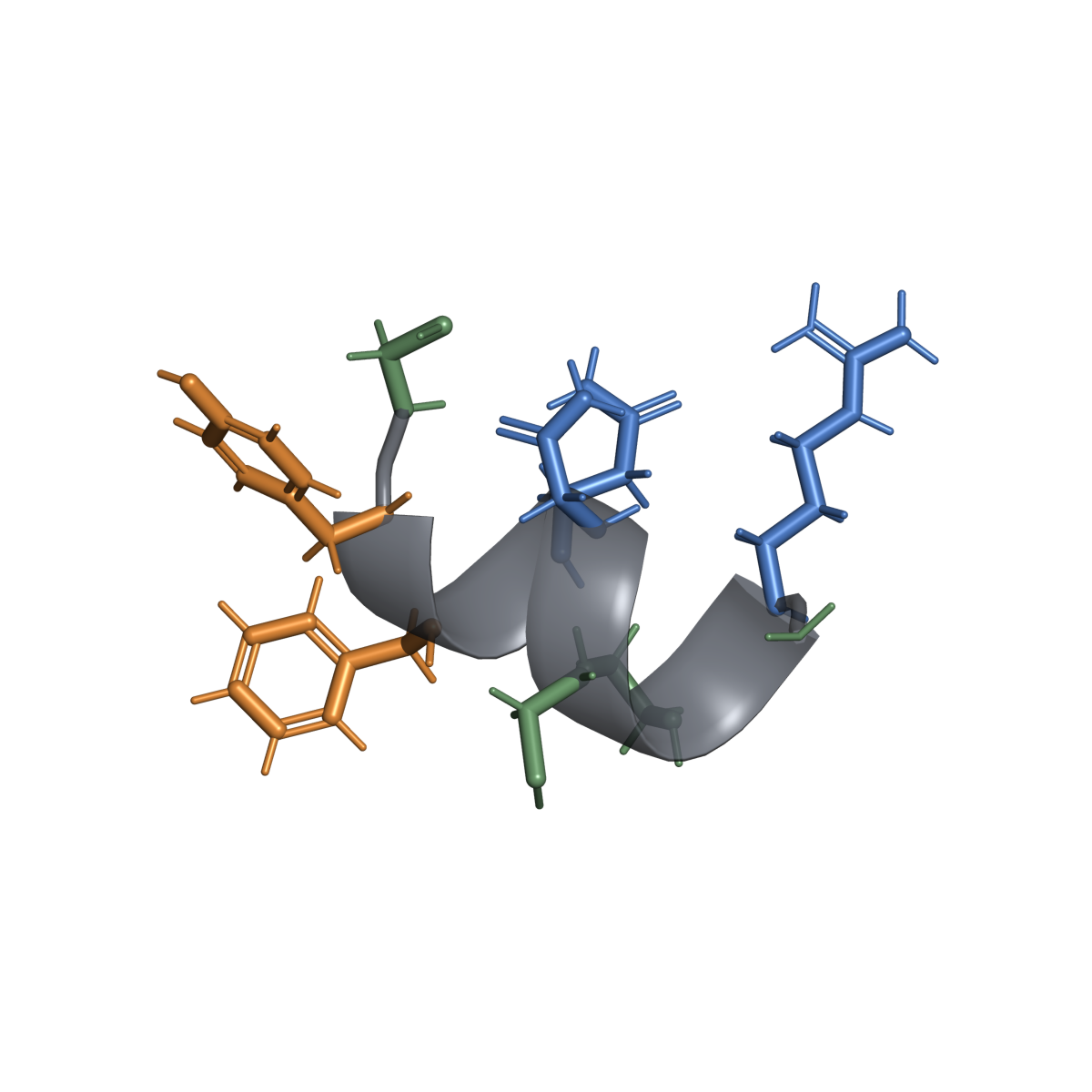
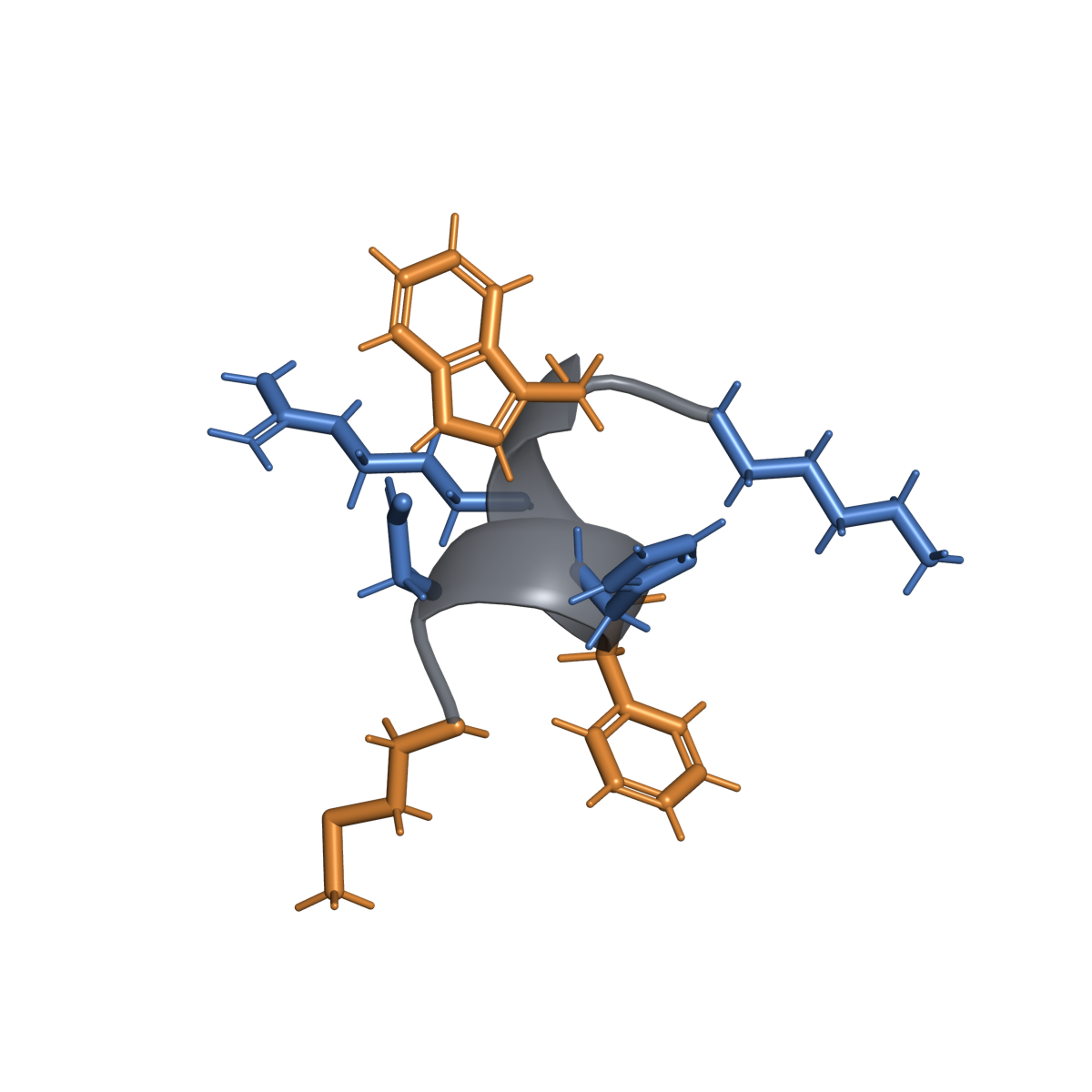
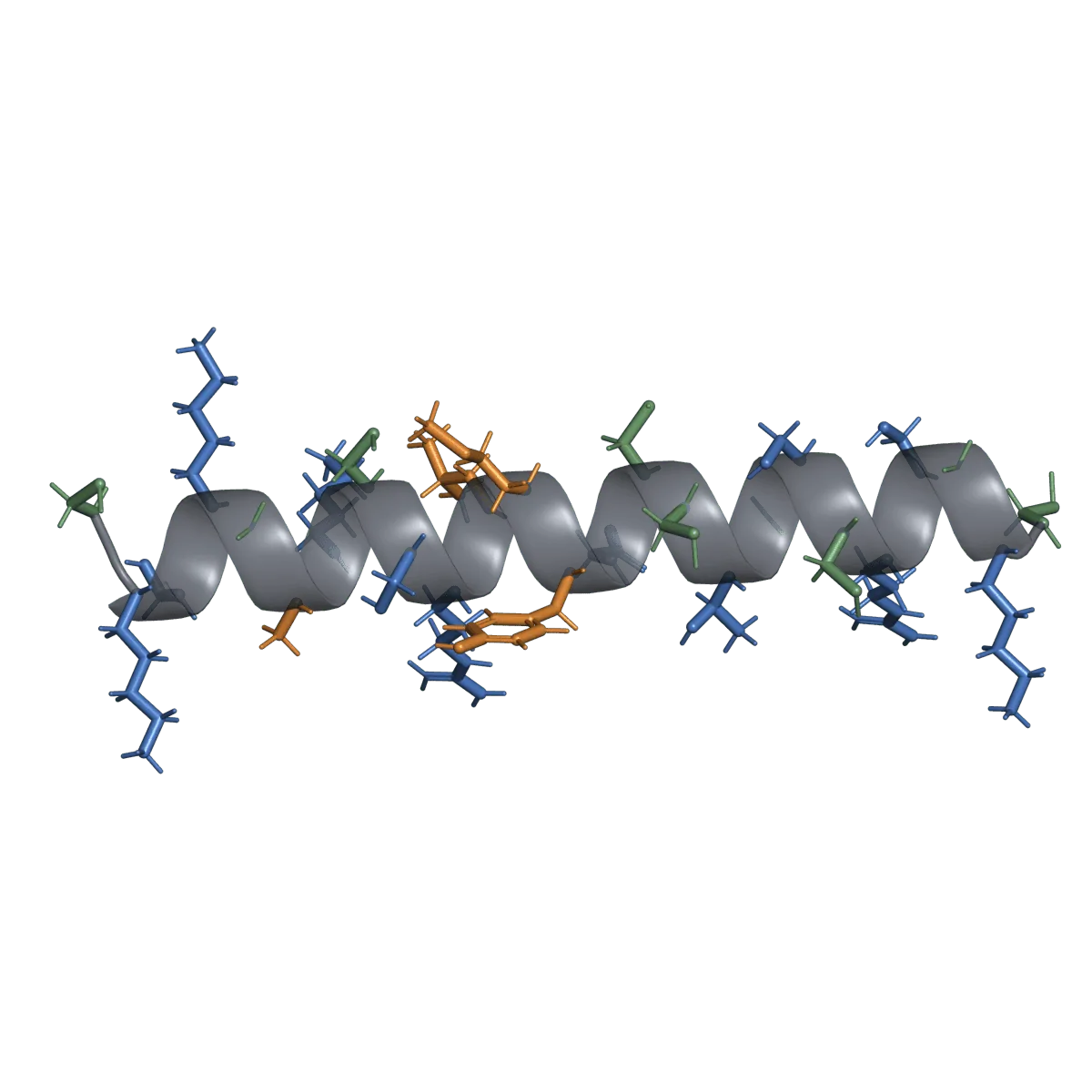
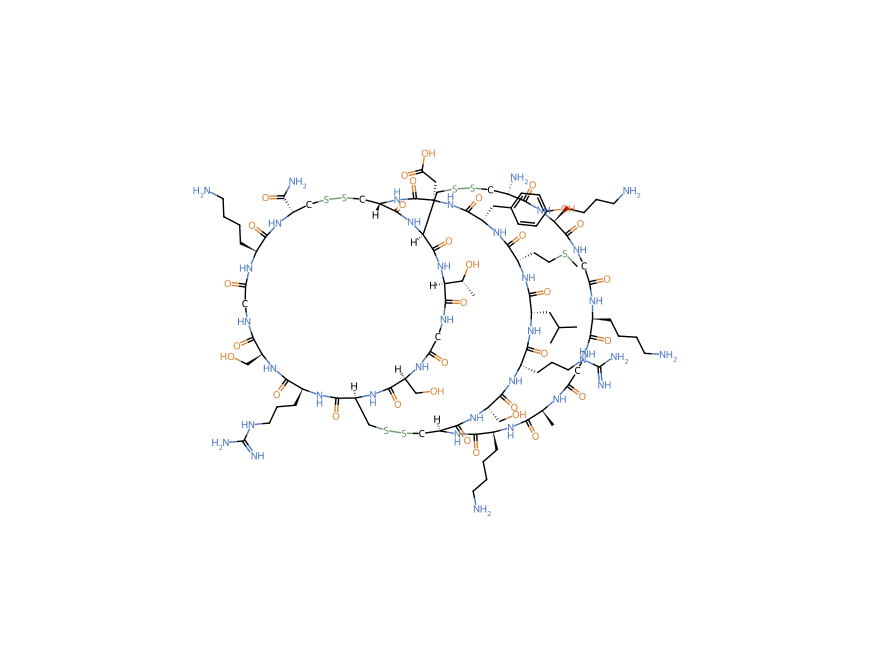
| Molecular/sequence identity | H-Cys-Lys-Ser-Lys-Gly-Ala-Lys-Cys-Ser-Arg-Leu-Met-Tyr-Asp-Cys-Cys-Thr-Gly-Ser-Cys-Arg-Ser-Gly-Lys-Cys-NH₂ (25 aa); three disulfide bridges (Cys¹–Cys¹⁶, Cys⁸–Cys²⁰, Cys¹⁵–Cys²⁵) |
| Modifications/form | Multiple disulfide bridges (3×); C-terminal amidation |
| Stable identifiers | CAS 107452-89-1; The record number of a compound in PubChem, the atlas's primary structure-asset source. A registry record or depiction does not authenticate a commercial sample. Definition source: Identity and structure assets methodology · Glossary 16135415; DrugBank DB06283; UNII 7I64C51O16; ATC N02BG08 |
| Identity caveats | Marine neurotoxin — mechanism (N-type Ca²⁺ channel blockade) is unrelated to opioid analgesia; no cross-tolerance with opioids; does NOT interact with opioid receptors |
Development and approval status
| Jurisdiction | Status and indication | Product/source | As of |
|---|---|---|---|
| FDA (US) | Approved — severe chronic pain in adults requiring IT analgesia, intolerant/refractory to other IT therapies | Prialt (Jazz Pharmaceuticals / TerSera Therapeutics) | 2004 |
| EMA (EU) | Approved — same | Prialt | 2005 |
| MHRA (UK) | Approved — same | Prialt | Approved |
| WHO | — | — | Not on EML |
- UNITED STATES
- FDA (US): Approved — severe chronic pain in adults requiring IT analgesia, intolerant/refractory to other IT therapies
- EU/EEA
- EMA (EU): Approved — same
- UNITED KINGDOM
- MHRA (UK): Approved — same
- OTHER DOCUMENTED
- WHO: —
Sport status: WADA: ziconotide was not identified by exact name in the 2026 Prohibited List, and this review did not identify a matching prohibited class. Route of administration and an unsupported assumption about performance effect do not themselves determine classification; athletes should verify the exact product and current status.
Mechanism and pharmacology
Ziconotide is a selective, reversible, high-affinity blocker of N-type voltage-gated calcium channels (CaV2.2). By binding to the α₁B subunit, it prevents calcium influx into presynaptic nociceptive terminals in the dorsal horn of the spinal cord, thereby blocking release of multiple neurotransmitters (substance P, CGRP, glutamate) involved in pain transmission. It produces analgesia without opioid receptor involvement, mu-receptor activity, or respiratory depression. Mechanism is well-characterised — high confidence.
Evidence by claim
| Claim/indication | Stage | Grade | Best human evidence | Main result | Important limitations |
|---|---|---|---|---|---|
| Severe chronic pain (IT) | Approved (US, EU, UK) | A | Two pivotal A study in which participants are assigned to the study material or a comparator by chance. Definition source: Neutral gloss; usage context: Evidence grading methodology · Glossary (n=110, n=220) | Clinically meaningful pain reduction vs An inactive comparator used in a controlled study. Definition source: Neutral gloss; usage context: Evidence grading methodology · Glossary (VAS) | High AE rate; narrow therapeutic window |
| Mixed neuropathic/nociceptive pain | Approved | A | Pooled analysis of pivotal trials | Effective across aetiologies | No head-to-head vs IT opioids |
| Cancer pain | Approved | A | Pivotal trial (n=220) | Significant VAS improvement vs placebo | Subgroup analysis |
| Non-malignant pain | Approved | A | Pivotal trial (n=110) | Significant VAS improvement vs placebo | Limited long-term data |
| Non-IT routes (intranasal, epidural) | A clinical-stage candidate with scientific or public relevance. Investigation is not approval, and a studied exposure is not a recommendation. Definition source: Scope and selection methodology · Glossary | D | No adequate human data | Not established | No safe or effective dose identified; safety concerns |
- AGrade A: Established for a specific labeled use
- BGrade B: Moderate human evidence
- CGrade C: Preliminary human evidence
- DGrade D: Preclinical only
- EGrade E: Anecdotal/marketing claim
- XGrade X: Evidence contradicts or does not support the claim
Text alternative for the claim-evidence diagram. Each grade is defined below:
- A — Established for a specific labeled use
- 4 claims: Severe chronic pain (IT); Mixed neuropathic/nociceptive pain; Cancer pain; Non-malignant pain
- B — Moderate human evidence
- 0 claims
- C — Preliminary human evidence
- 0 claims
- D — Preclinical only
- 1 claim: Non-IT routes (intranasal, epidural)
- E — Anecdotal/marketing claim
- 0 claims
- X — Evidence contradicts or does not support the claim
- 0 claims
Key studies
| Study | Design/population | Exposure studied | Endpoints and result | Limitations |
|---|---|---|---|---|
| Staats et al. 2004 (pivotal) | IT ziconotide vs An inactive comparator used in a controlled study. Definition source: Neutral gloss; usage context: Evidence grading methodology · Glossary, chronic pain (n=110) | 0.2–7.2 mcg/day IT | Mean VASPI change −7.1 vs −0.7; responder rate (≥30% improvement) 53% vs 18% | High discontinuation (61% vs 52%); PMID 14709577 |
| Wallace et al. 2006 (pivotal) | IT ziconotide vs placebo, severe pain (n=220) | Slow titration 0.1–0.9 mcg/day IT | 31% mean VAS improvement vs placebo (16%); p=0.018 | Dose-limiting AEs; titration design important |
| Rauck et al. 2006 (long-term) | A study in which participants and investigators know what is administered. Definition source: Neutral gloss; usage context: Evidence grading methodology · Glossary extension (n=155) | Variable IT dosing | Sustained pain relief in responders | High attrition over 12 months |
Dose and administration evidence
Approved labeled regimen
The label summary below is product-, indication-, and jurisdiction-specific; consult the full current label and a licensed clinician/pharmacist.
FDA-approved regimen:
Intrathecal only via micro-infusion device (SynchroMed II or equivalent)
Start: No more than 2.4 mcg/day (0.1 mcg/hour)
Titrate: Increase by up to 2.4 mcg/day at intervals no more frequently than 2–3 times per week
Maximum: 19.2 mcg/day (0.8 mcg/hour) by Day 21
Device: Use with the Medtronic SynchroMed II or III infusion system per manufacturer's manual for programming, reservoir rinse, initial fill, and refill procedures
Initial fill with naïve pump: Use undiluted 25 mcg/mL; refill within 14 days
Subsequent refills (undiluted): at least every 84 days; (diluted): at least every 40 days
Studied regimens (not recommendations)
Pivotal fast-titration (Staats 2004): 0.2–7.2 mcg/day with high AE rates
Wallace 2006 slow titration: 0.1–0.9 mcg/day starting dose, showed improved tolerability — this is a consensus clinical approach, NOT the FDA label starting dose
What is not established
Safety or efficacy by any non-IT route (Administered into a vein. Definition source: Neutral gloss; usage context: Routes, devices, and absorption primer · Glossary, epidural, intranasal, Administered into the tissue layer under the skin. Definition source: Neutral gloss; usage context: Routes, devices, and absorption primer · Glossary)
Paediatric safety and efficacy
Long-term safety beyond 12 months in controlled studies
Combination with IT opioids (limited data; possible synergy with morphine but must use separate pumps)
Safety
Established label risks
Boxed warning — Severe psychiatric/neurological effects (FDA):
Severe psychiatric symptoms (psychosis, hallucinations, paranoia, mood alterations, depression, suicide)
Cognitive impairment (confusion, memory impairment, speech disorder)
Neurological impairment (ataxia, nystagmus, gait disturbance)
All patients must be monitored; dose reduction or discontinuation if symptoms develop
Important warnings:
Suicide: Cases of suicide/suicide attempt reported; evaluate for depression/suicidality before and during treatment
Meningitis: Pump/catheter infection risk (IT delivery); meningitis requiring hospitalisation reported
Elevated CPK: In 40% of patients; CPK monitoring recommended — rhabdomyolysis reported with higher doses
Withdrawal: Not associated with opioid withdrawal (no opioid activity)
US federal scheduling: No CSA scheduling was identified as of 2026-08-06; this does not assess state law or other jurisdictions. The reviewed label does not describe opioid-like dependence or tolerance.
Contraindications: Pre-existing history of psychosis; known hypersensitivity to ziconotide or any formulation component; any concomitant treatment or medical condition that would render intrathecal administration hazardous, including infection at the microinfusion injection site, uncontrolled bleeding diathesis, or spinal canal obstruction impairing CSF circulation.
Human-study signals
High AE rate in clinical trials: dizziness (50%), confusion (30%), ataxia (20%), abnormal gait (20%), memory impairment (15%), hallucinations (10–15%), vomiting (30%), somnolence (20%). Most AEs dose-dependent and improve with slow titration.
Unknowns and product-quality risks
No data on paediatric use
Long-term cognitive effects beyond 12 months unknown
Effect on driving/operating machinery (assessed in label — likely impaired)
Interaction with IT baclofen, clonidine, or other IT agents not studied
Research chemical ω-conotoxin products (non-IT, unapproved routes) are extremely dangerous — no safety data and risk of severe toxicity
Interactions and special populations
Concomitant IT opioids: How a substance is absorbed, distributed, metabolized, and eliminated by the body; atlas pages report pharmacokinetic data such as half-life, metabolism, and clearance. Definition source: Neutral gloss; usage context: Routes, devices, and absorption primer · Glossary compatibility confirmed for SynchroMed II; efficacy data limited
CNS depressants: Additive effects with benzodiazepines, opioids, anaesthetics, alcohol
Nephrotoxicity risk with aminoglycosides, amphotericin B, cisplatin, cyclosporine, NSAIDs (theoretical based on animal data)
Renal impairment: No dose adjustment studied — use caution
Elderly (>65): Higher AE rates; slower titration recommended
Pregnancy: Category C — animal reproductive toxicity; no adequate human studies
Lactation: Unknown if excreted in breast milk
Regulatory, compounding, and sport notes
DEA: NOT a controlled substance — no abuse liability; common misconception corrected
The World Anti-Doping Agency; its Prohibited List classifies many peptides as prohibited substances in sport. Definition source: WADA and sport regulation brief · Glossary: ziconotide was not identified by exact name in the 2026 Prohibited List, and this review did not identify a matching prohibited class. Route of administration and an unsupported assumption about performance effect do not themselves determine classification; athletes should verify the exact product and current status.
The reviewed US PRIALT product is prescription-only and its labeled use requires specialist intrathecal-pump management; access rules vary elsewhere
FDA approval of PRIALT does not by itself establish a lawful or clinically equivalent compounding pathway, and this page does not imply a REMS program
Prior-authorisation typically required in US insurance
Evidence gaps
Paediatric safety and efficacy entirely absent
Long-term cognitive effects >12 months unstudied
Optimal slow-titration protocol still debated
Combination with IT opioids or clonidine needs controlled trials
Carcinogenicity, mutagenicity data limited (not expected given mechanism)
No head-to-head comparator with IT morphine as first-line therapy
Cost-effectiveness data limited for long-term use
Search notes
Databases and registries: PubMed, DailyMed, FDA Drugs@FDA, EMA EPAR, ClinicalTrials.gov, DEA scheduling
Search terms: Ziconotide, Prialt, SNX-111, ω-conotoxin MVIIA, 107452-89-1, intrathecal, boxed warning
Last searched: 2026-08-06
Inclusion emphasis: regulatory labels, pivotal trials, safety communications
Sources
FDA label: Prialt (ziconotide). DailyMed (updated May 2025). https://dailymed.nlm.nih.gov/dailymed/lookup.cfm?setid=b025d8ed-937d-4597-9ad1-0b2f6e0ee5b1
Staats PS, et al. Intrathecal ziconotide in the treatment of refractory pain in patients with cancer or AIDS: a randomized controlled trial. JAMA. 2004;291(1):63-70. PMID 14709577. DOI 10.1001/jama.291.1.63. https://pubmed.ncbi.nlm.nih.gov/14709577/
Wallace MS et al. (2006) Anesth Analg. Pivotal trial (slow titration). PMID
DrugBank DB06283. https://go.drugbank.com/drugs/DB06283
PubChem CID 16135415. https://pubchem.ncbi.nlm.nih.gov/compound/16135415
DEA Office of Diversion Control — no US federal CSA scheduling identified for ziconotide.
World Anti-Doping Agency. 2026 Prohibited List. https://www.wada-ama.org/sites/default/files/2025-09/2026list_en_final_clean_september_2025.pdf