Bottom line
Nesiritide (Natrecor) is recombinant human B-type natriuretic peptide approved in 2001 for acutely decompensated heart failure. The pivotal ASCEND-HF trial (2011) showed no mortality benefit, no dyspnea improvement, and increased hypotension. The manufacturer discontinued US marketing in 2018. It is no longer recommended for routine use.
Identity and composition
| Field | Verified information |
|---|---|
| Preferred name | Nesiritide |
| Key aliases | Natrecor, recombinant human BNP, B-type natriuretic peptide (1-32) |
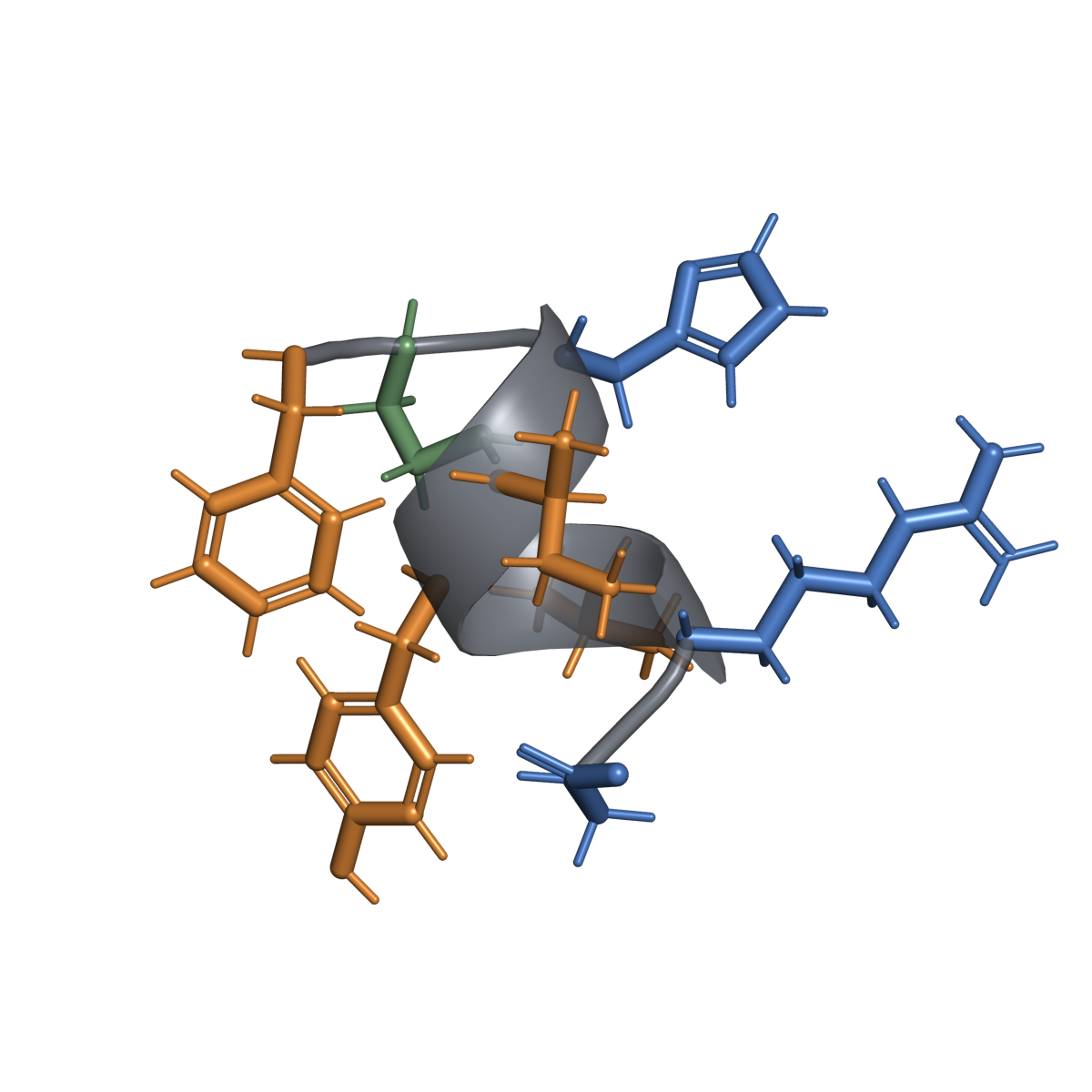
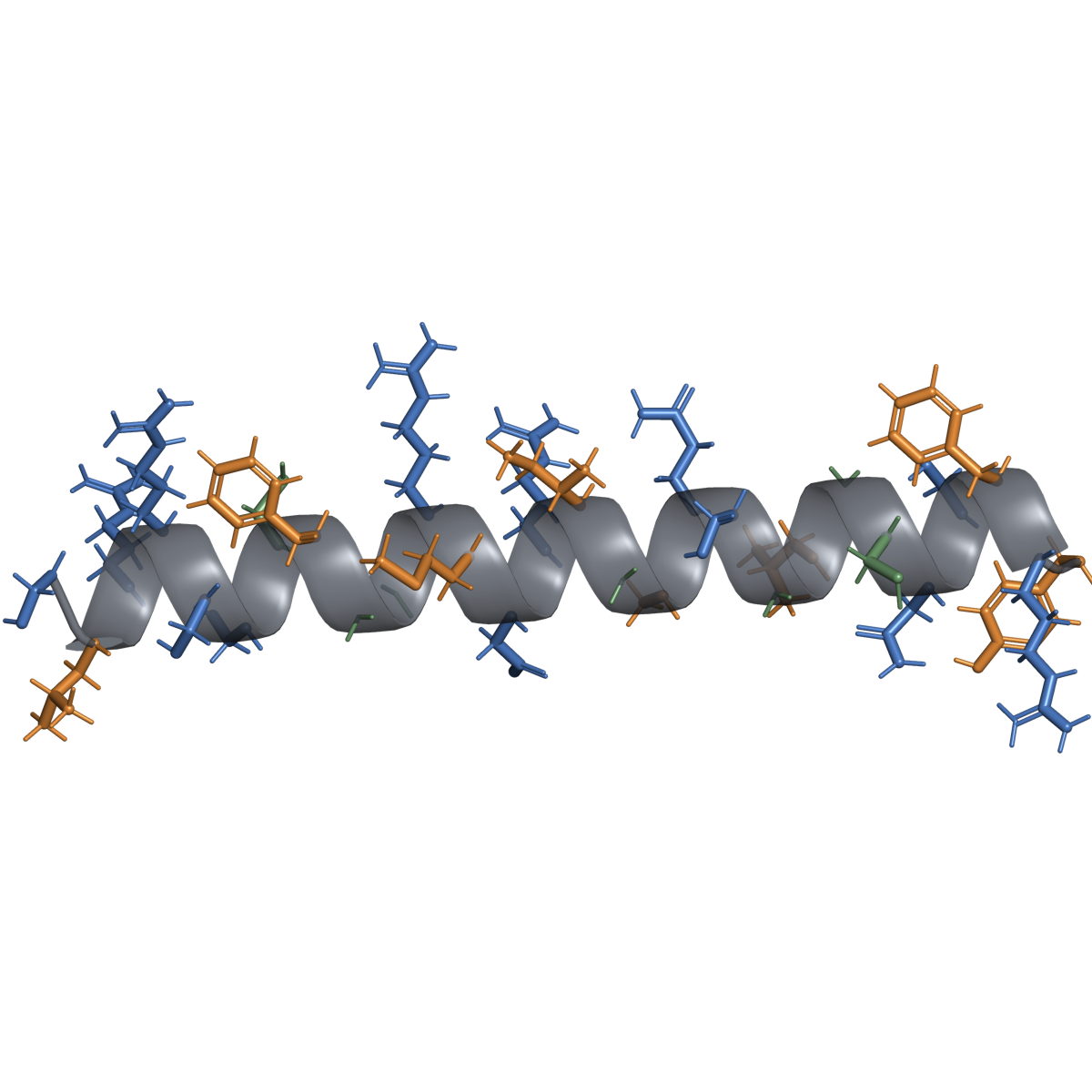
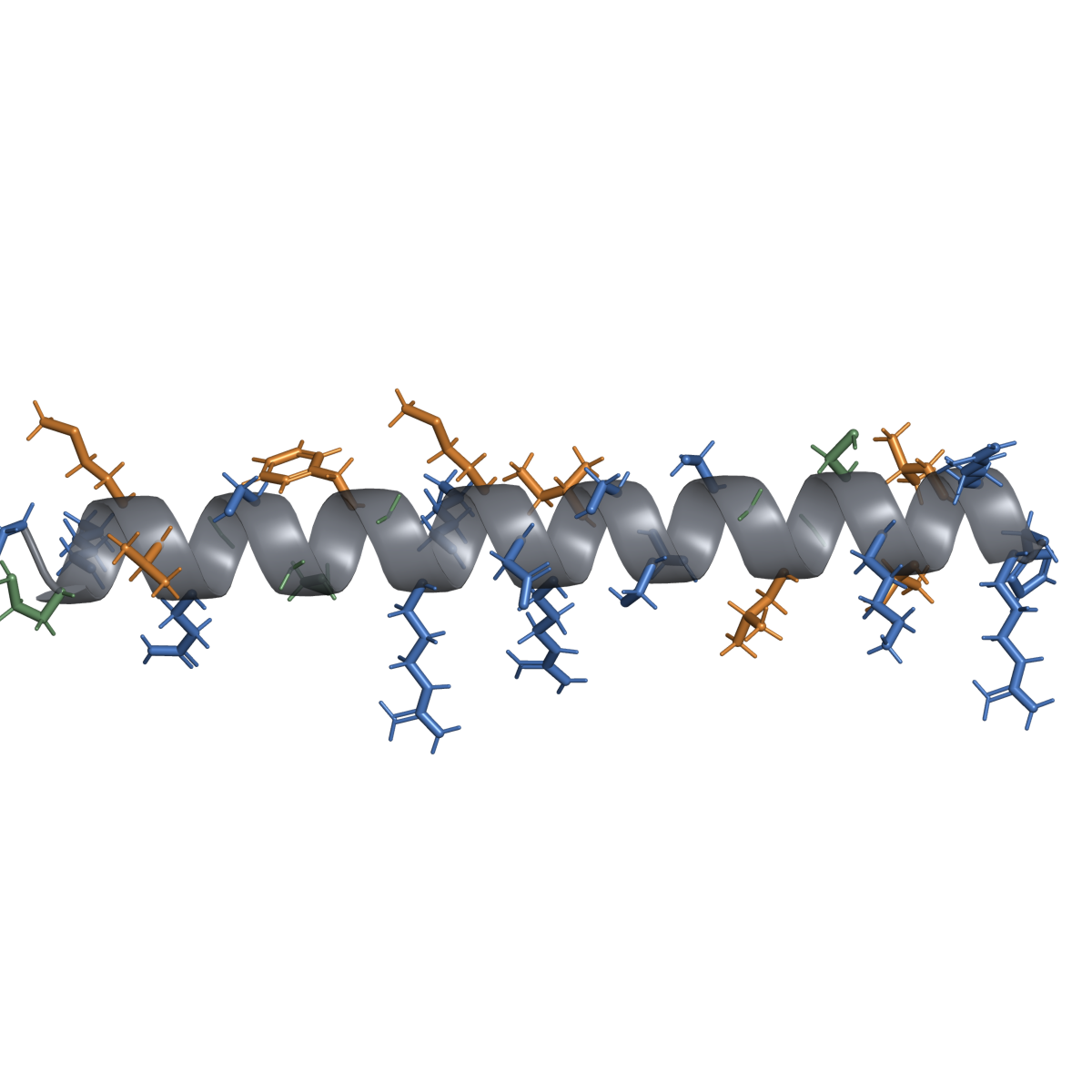
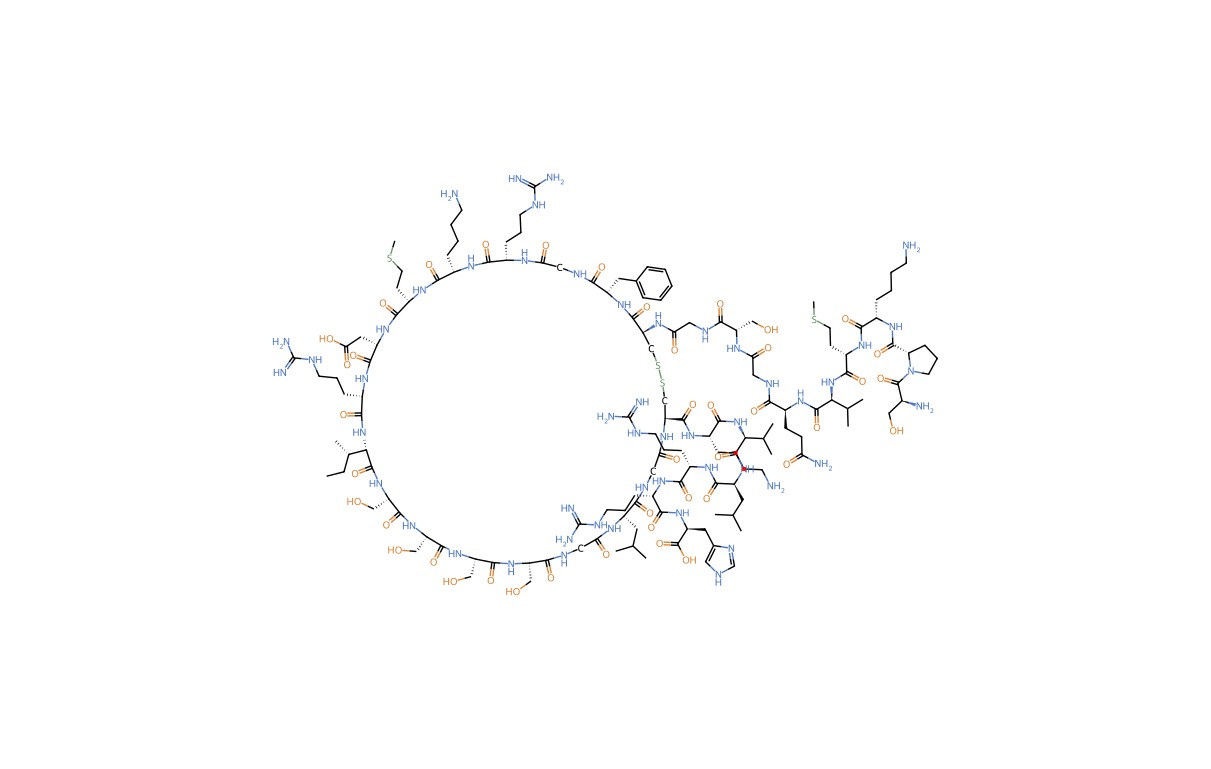
| Molecular/sequence identity | Ser-Pro-Lys-Met-Val-Gln-Gly-Ser-Gly-Cys-Phe-Gly-Arg-Lys-Met-Asp-Arg-Ile-Ser-Ser-Ser-Ser-Gly-Leu-Gly-Cys-Lys-Val-Leu-Arg-Arg-His (32 aa); disulfide bridge Cys10–Cys26 |
| Modifications/form | Recombinant (E. coli); acetate salt; Administered into a vein. Definition source: Neutral gloss; usage context: Routes, devices, and absorption primer · Glossary injection (Freeze-drying: water is removed by sublimation under reduced pressure, which can improve the stability of peptides and yield a porous dry matrix. Water removal does not sterilize a product, prove its quality, or define how it should later be handled. Definition source: Lyophilization, formulation, and stability primer · Glossary powder for The product-specific pharmaceutical process by which a lyophilized (freeze-dried) solid returns to a liquid dispersion. It is not evidence that the resulting material is suitable for administration. Definition source: What reconstitution means primer · Glossary) |
| Stable identifiers | UNII: 0XU5TC49YD; The record number of a compound in PubChem, the atlas's primary structure-asset source. A registry record or depiction does not authenticate a commercial sample. Definition source: Identity and structure assets methodology · Glossary: 71308561; CAS: 124584-08-3; DrugBank: DB00105 |
| Identity caveats | Identical in sequence to An entry with substantial scientific visibility or identity value. Biological rationale and non-human evidence do not establish patient benefit. Definition source: Scope and selection methodology · Glossary human BNP(1-32). US marketing discontinued 2018. |
Development and approval status
| Jurisdiction | Status and indication | Product/source | As of |
|---|---|---|---|
| US (FDA) | Approved 2001; US marketing discontinued 2018 | Natrecor (Scios/Janssen) | 2018 |
| EU/EEA (EMA) | Approved 2003; not actively marketed | Natrecor | — |
| UK (MHRA) | Not actively marketed | Natrecor | — |
- UNITED STATES
- US (FDA): Approved 2001; US marketing discontinued 2018
- EU/EEA
- EU/EEA (EMA): Approved 2003; not actively marketed
- UNITED KINGDOM
- UK (MHRA): Not actively marketed
- OTHER DOCUMENTED
- No OTHER DOCUMENTED row is present in the source status table
Sport status: WADA: Not prohibited.
Mechanism and pharmacology
Natriuretic peptide receptor-A (NPR-A) agonist. Binding to NPR-A on vascular smooth muscle and endothelium increases cGMP, causing vasodilation, natriuresis, and RAAS suppression. Reduces preload and afterload in heart failure.
Evidence by claim
| Claim/indication | Stage | Grade | Best human evidence | Main result | Important limitations |
|---|---|---|---|---|---|
| Acutely decompensated heart failure (dyspnea, hemodynamics) | Approved (withdrawn) | X | ASCEND-HF (O'Connor CM, et al. N Engl J Med. 2011;365:32–43. PMID: 21732835) | No improvement in dyspnea at 6–24h; no mortality benefit; increased hypotension (26.6% vs 15.3%) | Trial results contradict initial VMAC findings |
- AGrade A: Established for a specific labeled use
- BGrade B: Moderate human evidence
- CGrade C: Preliminary human evidence
- DGrade D: Preclinical only
- EGrade E: Anecdotal/marketing claim
- XGrade X: Evidence contradicts or does not support the claim
Text alternative for the claim-evidence diagram. Each grade is defined below:
- A — Established for a specific labeled use
- 0 claims
- B — Moderate human evidence
- 0 claims
- C — Preliminary human evidence
- 0 claims
- D — Preclinical only
- 0 claims
- E — Anecdotal/marketing claim
- 0 claims
- X — Evidence contradicts or does not support the claim
- 1 claim: Acutely decompensated heart failure (dyspnea, hemodynamics)
Key studies
| Study | Design/population | Exposure studied | Endpoints and result | Limitations |
|---|---|---|---|---|
| VMAC | A study in which participants are assigned to the study material or a comparator by chance. Definition source: Neutral gloss; usage context: Evidence grading methodology · Glossary, N=489, ADHF | Nesiritide 2 mcg/kg bolus + 0.01 mcg/kg/min vs NTG vs An inactive comparator used in a controlled study. Definition source: Neutral gloss; usage context: Evidence grading methodology · Glossary | Improved PCWP vs NTG; dyspnea improved at 3h | Short follow-up; no mortality endpoint |
| ASCEND-HF | RCT, N=7141, ADHF | Nesiritide vs placebo (standard care) | No dyspnea improvement (NS); 30-day death/rehospitalization HR 0.94 (0.75–1.18, NS); hypotension 26.6% vs 15.3% | Definitive negative trial; no subgroup benefit |
Dose and administration evidence
Approved labeled regimen
The label summary below is product-, indication-, and jurisdiction-specific; consult the full current label and a licensed clinician/pharmacist.
Administered into a vein. Definition source: Neutral gloss; usage context: Routes, devices, and absorption primer · Glossary: 2 mcg/kg bolus followed by 0.01 mcg/kg/min continuous infusion. Adjust for hypotension. Last FDA-approved label 2009.
Studied regimens (not recommendations)
VMAC: 2 mcg/kg bolus + 0.01 mcg/kg/min.
Various studies examined lower doses (0.005 mcg/kg/min) for renal effects.
What is not established
No established or recommended human dose for any indication (product discontinued / not recommended).
Safety
Established label risks
Hypotension: Symptomatic (26.6% in ASCEND-HF).
Renal: Serum creatinine elevation in some studies.
Headache, nausea.
Human-study signals
ASCEND-HF: no mortality benefit; no worsening renal function at 30 days.
Earlier meta-analyses raised concern of increased 30-day mortality (not confirmed by ASCEND-HF).
Unknowns and product-quality risks
Product discontinued in US market.
Research-grade "BNP" vials are not equivalent to pharmaceutical nesiritide.
Interactions and special populations
Hypotension additive with other vasodilators.
No ACE inhibitor interaction concern confirmed.
Not recommended with low cardiac filling pressures.
Regulatory, compounding, and sport notes
The World Anti-Doping Agency; its Prohibited List classifies many peptides as prohibited substances in sport. Definition source: WADA and sport regulation brief · Glossary: Not prohibited.
Not scheduled under US CSA.
Product discontinued 2018; any currently marketed material is of unknown provenance.
Evidence gaps
Any role for natriuretic peptide therapy in heart failure remains unproven after ASCEND-HF.
No adequate trial of BNP or ANP analogs has shown mortality benefit in ADHF.
Search notes
Databases and registries: DailyMed, PubMed, ClinicalTrials.gov
Search terms: nesiritide, Natrecor, ASCEND-HF, VMAC, ADHF, BNP
Last searched: 2026-08-06
Inclusion emphasis: Pivotal trials, label, regulatory status
Sources
Natrecor (nesiritide) FDA label. Drugs@FDA. https://www.accessdata.fda.gov/drugsatfda_docs/label/2019/020920s036lbl.pdf
O'Connor CM, et al. ASCEND-HF. N Engl J Med. 2011;365(1):32–43. PMID: 21732835.
VMAC Investigators. Intravenous nesiritide vs nitroglycerin for ADHF. JAMA. 2002;287(12):1531–40. PMID: 11911755.
PubChem. Nesiritide. https://pubchem.ncbi.nlm.nih.gov/compound/71308561