Bottom line
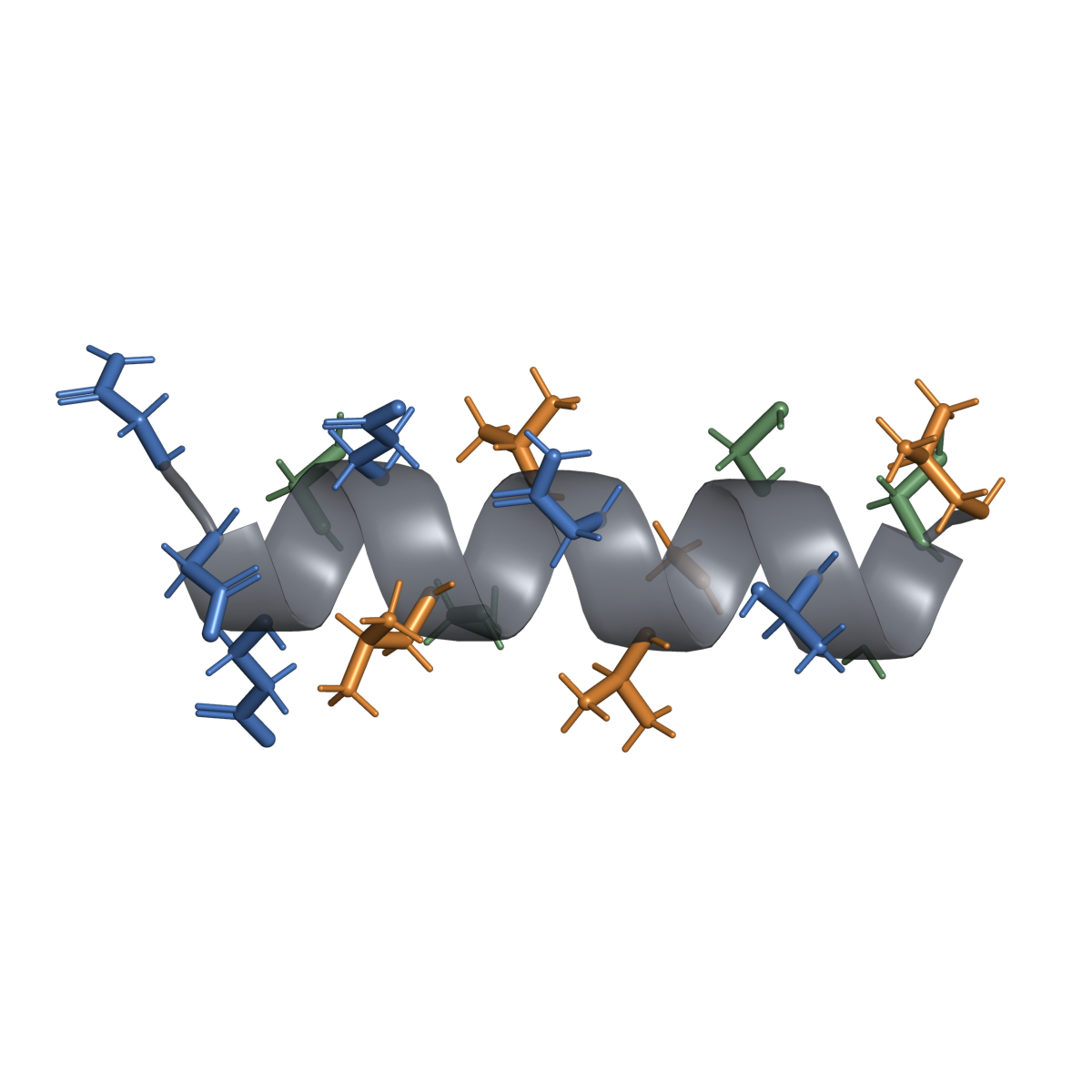
Plecanatide is a 16-amino-acid uroguanylin analog and guanylate cyclase-C (GC-C) agonist approved for chronic idiopathic constipation (CIC, 2017) and IBS-C (2018) in the US. Unlike linaclotide, plecanatide has two disulfide bridges and pH-dependent binding, which may confer different regional activity in the GI tract. Not approved in the EU.
Identity and composition
| Field | Verified information |
|---|---|
| Preferred name | Plecanatide |
| Key aliases | Trulance, SP-304 |
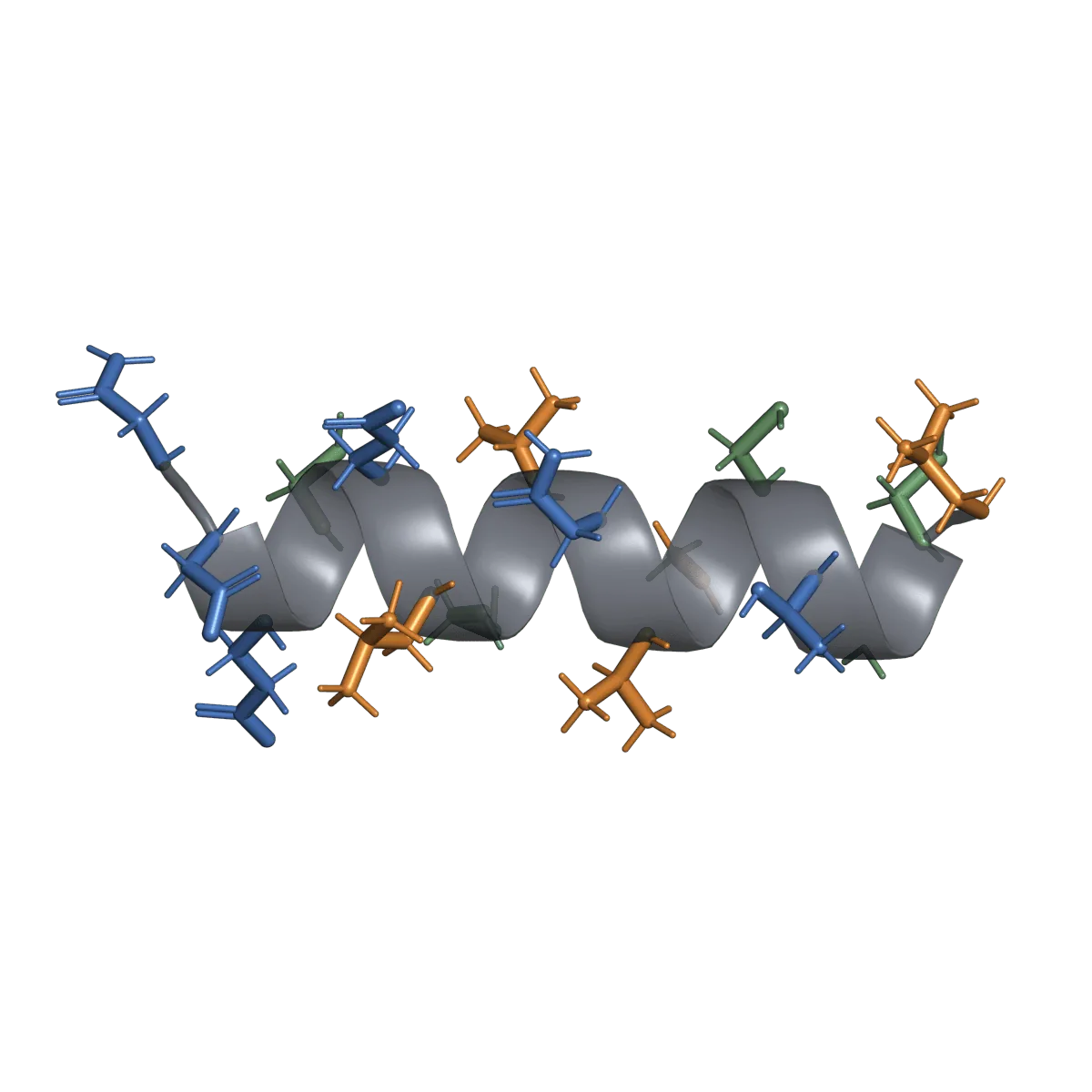
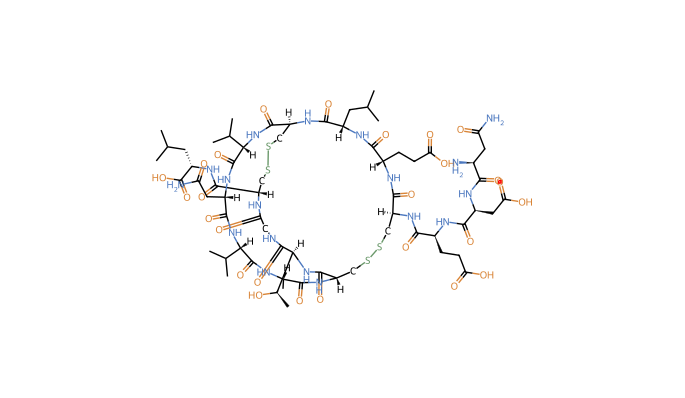
| Molecular/sequence identity | Asn-Asp-Glu-Cys-Glu-Leu-Cys-Val-Asn-Val-Ala-Cys-Thr-Gly-Cys-Leu (16 aa); two disulfide bridges (Cys4–Cys12, Cys7–Cys15) |
| Modifications/form | Acetate salt; oral tablet |
| Stable identifiers | UNII: 7IK8Z952OK; The record number of a compound in PubChem, the atlas's primary structure-asset source. A registry record or depiction does not authenticate a commercial sample. Sumber definisi: Identity and structure assets methodology · Glosarium: 70693500; CAS: 467426-54-6 (base); DrugBank: DB13170 |
| Identity caveats | Uroguanylin analog with Asp3→Glu substitution. Structurally related to linaclotide but has 2 disulfide bridges vs 3. |
Development and approval status
| Jurisdiction | Status and indication | Product/source | As of |
|---|---|---|---|
| US (FDA) | Approved: CIC; IBS-C | Trulance (Salix) | Jan 2017 (CIC); Jan 2018 (IBS-C) |
| EU/EEA (EMA) | Not approved | — | 2026 |
| UK (MHRA) | Not approved | — | 2026 |
- UNITED STATES
- US (FDA): Approved: CIC; IBS-C
- EU/EEA
- EU/EEA (EMA): Not approved
- UNITED KINGDOM
- UK (MHRA): Not approved
- OTHER DOCUMENTED
- No OTHER DOCUMENTED row is present in the source status table
Sport status: WADA: Not prohibited.
Mechanism and pharmacology
Guanylate cyclase-C (GC-C) agonist. Analog of uroguanylin, an An entry with substantial scientific visibility or identity value. Biological rationale and non-human evidence do not establish patient benefit. Sumber definisi: Scope and selection methodology · Glosarium activator of GC-C. Binds to GC-C on intestinal epithelial cells with pH-dependent affinity (optimal at pH ~5). Increases intracellular cGMP, activates CFTR, and promotes chloride/bicarbonate-rich fluid secretion. Preferential activity in the proximal small intestine compared to linaclotide due to pH-dependent binding. Not measurably absorbed orally.
Evidence by claim
| Claim/indication | Stage | Grade | Best human evidence | Main result | Important limitations |
|---|---|---|---|---|---|
| CIC | Approved | A | Two phase 3 A study in which participants are assigned to the study material or a comparator by chance. Sumber definisi: Neutral gloss; usage context: Evidence grading methodology · Glosarium (N=1400) (Brenner DM, et al. Therap Adv Gastroenterol. 2017;10:803–13. PMID: 29075331) | 3 mg QD: CSBM durable responder 21% vs 10% An inactive comparator used in a controlled study. Sumber definisi: Neutral gloss; usage context: Evidence grading methodology · Glosarium (p<0.05) | Modest absolute benefit |
| IBS-C | Approved | A | Two phase 3 RCTs (N>2100) (Brenner DM, et al. Am J Gastroenterol. 2019;114:501–11) | 3 mg QD: abdominal pain and CSBM responder 30.5% vs 22.8% placebo | Modest absolute improvement |
- AKelas A: Mapan untuk penggunaan berlabel tertentu
- BKelas B: Bukti manusia moderat
- CKelas C: Bukti manusia awal
- DKelas D: Hanya praklinis
- EKelas E: Klaim anekdot/pemasaran
- XKelas X: Bukti bertentangan atau tidak mendukung klaim
Text alternative for the claim-evidence diagram. Each grade is defined below:
- A — Established for a specific labeled use
- 2 claims: CIC; IBS-C
- B — Moderate human evidence
- 0 claims
- C — Preliminary human evidence
- 0 claims
- D — Preclinical only
- 0 claims
- E — Anecdotal/marketing claim
- 0 claims
- X — Evidence contradicts or does not support the claim
- 0 claims
Key studies
| Study | Design/population | Exposure studied | Endpoints and result | Limitations |
|---|---|---|---|---|
| Phase 3 CIC (NCT01982240) | A study in which participants are assigned to the study material or a comparator by chance. Sumber definisi: Neutral gloss; usage context: Evidence grading methodology · Glosarium, N=946, CIC, 12 wk | Plecanatide 3, 6 mg QD vs An inactive comparator used in a controlled study. Sumber definisi: Neutral gloss; usage context: Evidence grading methodology · Glosarium | CSBM responder: 21% (3 mg), 19.5% (6 mg) vs 10.2% (p<0.001) | Dose not differentiated |
| Phase 3 IBS-C (NCT02387359) | RCT, N=1098, IBS-C, 12 wk | Plecanatide 3, 6 mg QD vs placebo | Combined responder: 30.5% (3 mg) vs 22.8% placebo (p=0.02) | 6 mg no additional benefit |
Dose and administration evidence
Approved labeled regimen
The label summary below is product-, indication-, and jurisdiction-specific; consult the full current label and a licensed clinician/pharmacist.
CIC: 3 mg PO once daily with or without food. IBS-C: 3 mg PO once daily with or without food.
Studied regimens (not recommendations)
6 mg dose studied in phase 3 but did not provide additional efficacy.
No other regimens studied in adequate trials.
What is not established
Use in opioid-induced constipation.
Efficacy <12 weeks not separately demonstrated.
No established or recommended human dose for any other indication.
Safety
Established label risks
Pediatric contraindication: Contraindicated in <6 years (animal studies showed dehydration deaths).
Children 6–17 years: Avoid use; safety not established.
Diarrhea: Most common AE (~5%); severe diarrhea reported.
GI obstruction: Contraindicated in mechanical obstruction.
Human-study signals
CIC trials: diarrhea 5% plecanatide vs 1% An inactive comparator used in a controlled study. Sumber definisi: Neutral gloss; usage context: Evidence grading methodology · Glosarium (3 mg); 1% discontinuation.
Unknowns and product-quality risks
No long-term safety data >1 year in controlled trials.
No pregnancy human data.
Interactions and special populations
Not absorbed; unlikely drug-drug interactions.
Pregnancy: no adequate human data.
Nursing: not known if secreted in breast milk (unlikely due to poor absorption).
Regulatory, compounding, and sport notes
The World Anti-Doping Agency; its Prohibited List classifies many peptides as prohibited substances in sport. Sumber definisi: WADA and sport regulation brief · Glosarium: Not prohibited.
Not scheduled under US CSA.
Research-grade peptide vials are not equivalent to the oral tablet.
Evidence gaps
Head-to-head comparison with linaclotide.
Mechanism differences due to pH-dependent binding in clinical outcomes.
Long-term safety beyond 12 months.
Search notes
Databases and registries: DailyMed, PubMed, ClinicalTrials.gov
Search terms: plecanatide, Trulance, SP-304, GC-C agonist, chronic constipation
Last searched: 2026-08-06
Inclusion emphasis: FDA label, phase 3 trials
Sources
Trulance (plecanatide) prescribing information. DailyMed. https://dailymed.nlm.nih.gov/dailymed/drugInfo.cfm?setid=fe2895bf-71a6-493a-b0ca-e06b2dfefc82
Brenner DM, et al. Plecanatide for CIC: Phase 3. Therap Adv Gastroenterol. 2017;10(11):803–13. PMID: 29075331.
Brenner DM, et al. Plecanatide for IBS-C: Phase 3. Am J Gastroenterol. 2019;114(3):501–11. PMID: 30807231.
PubChem. Plecanatide. https://pubchem.ncbi.nlm.nih.gov/compound/70693500