Bottom line
Mecasermin (recombinant human IGF-1, Increlex) is an FDA-approved drug for severe primary IGF-1 deficiency (Laron syndrome and related conditions) in children aged 2 years and older. It is a 70-amino-acid recombinant protein identical to An entry with substantial scientific visibility or identity value. Biological rationale and non-human evidence do not establish patient benefit. Fuente de la definición: Scope and selection methodology · Glosario IGF-1. Approval was based on A study in which participants and investigators know what is administered. Fuente de la definición: Neutral gloss; usage context: Evidence grading methodology · Glosario studies in 71 children demonstrating increased growth velocity. Hypoglycemia is a Warnings and Precautions concern (not a boxed warning). It is not approved for idiopathic short stature, GH deficiency, or any use in adults.
Identity and composition
| Field | Verified information |
|---|---|
| Preferred name | Mecasermin |
| Key aliases | Increlex, rhIGF-1, recombinant human insulin-like growth factor-1, somatomedin C |
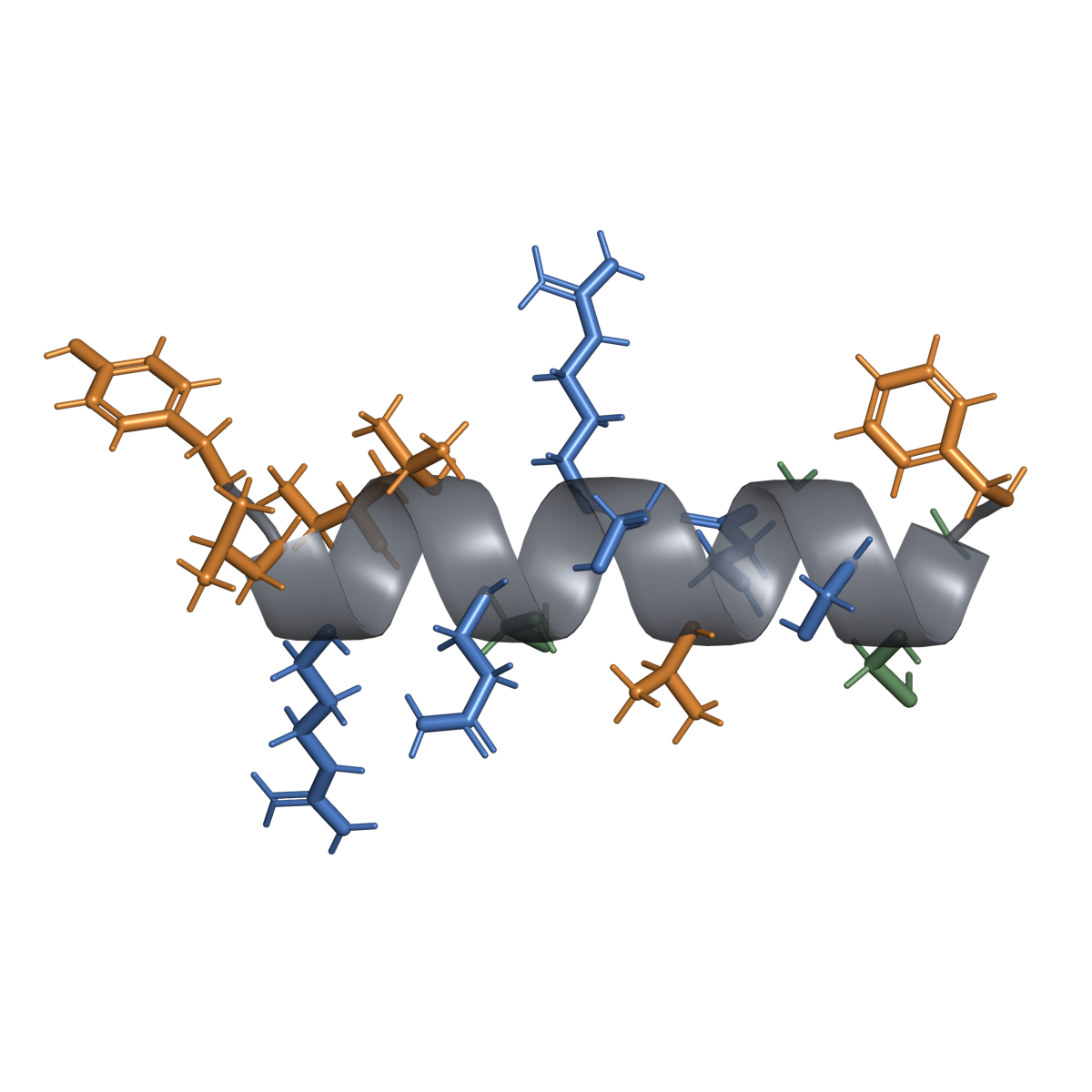
| Molecular/sequence identity | 70-amino-acid single-chain protein identical to human IGF-1; three disulfide bonds; MW ~7.6 kDa |
| Modifications/form | Recombinant protein produced in E. coli; identical to An entry with substantial scientific visibility or identity value. Biological rationale and non-human evidence do not establish patient benefit. Fuente de la definición: Scope and selection methodology · Glosario human IGF-1 sequence |
| Stable identifiers | CAS: 68562-41-4; DrugBank: DB01277; UNII: 7GR9I2683O; UniProt: P05019; FDA NDA: 021839 |
| Identity caveats | Mecasermin is a full-length 70-amino-acid recombinant protein, structurally distinct from IGF-1 variants such as Long R3 IGF-1 (83 aa, modified) and Des(1-3) IGF-1 (67 aa, truncated). These are not interchangeable clinically or pharmacologically. |
Development and approval status
| Jurisdiction | Status and indication | Product/source | As of |
|---|---|---|---|
| US (FDA) | Approved 2005 for pediatric severe primary IGFD and GH gene deletion with neutralizing anti-GH antibodies | Increlex (Tercica/Ipsen/Eton Pharmaceuticals) | 2026-08-06 |
| EU (EMA) | Approved for same indication | Increlex | 2026-08-06 |
| Canada | Approved | Increlex | 2026-08-06 |
- UNITED STATES
- US (FDA): Approved 2005 for pediatric severe primary IGFD and GH gene deletion with neutralizing anti-GH antibodies
- EU/EEA
- EU (EMA): Approved for same indication
- UNITED KINGDOM
- No UNITED KINGDOM row is present in the source status table
- OTHER DOCUMENTED
- Canada: Approved
Sport status: In the jurisdictions covered by the approved product records on this page, mecasermin is prescription-only. It is included on the WADA Prohibited List under S2. The approved drug is full-length rhIGF-1; truncated or modified IGF-1 analogs are distinct and unapproved.
Mechanism and pharmacology
Mecasermin is identical to An entry with substantial scientific visibility or identity value. Biological rationale and non-human evidence do not establish patient benefit. Fuente de la definición: Scope and selection methodology · Glosario IGF-1, which mediates the growth-promoting effects of GH. It binds the IGF-1 receptor (IGF-1R), a tyrosine kinase receptor that activates PI3K/AKT and MAPK/ERK signaling pathways, promoting cell proliferation, differentiation, and survival. Approximately 80% of circulating IGF-1 is bound to IGFBP-3 and the acid-labile subunit (ALS) in a ternary complex.
Evidence by claim
| Claim/indication | Stage | Grade | Best human evidence | Main result | Important limitations |
|---|---|---|---|---|---|
| Growth failure in severe primary IGFD | Approved [1] | A | Chernausek et al., J Clin Endocrinol Metab 2007; A study in which participants and investigators know what is administered. Fuente de la definición: Neutral gloss; usage context: Evidence grading methodology · Glosario, 76 children | Increased height velocity; 1 inch/yr additional growth | Open-label; small N; no An inactive comparator used in a controlled study. Fuente de la definición: Neutral gloss; usage context: Evidence grading methodology · Glosario control |
| GH gene deletion with anti-GH antibodies | Approved | A | FDA review of submitted data | Growth response | Very small patient population |
| Idiopathic short stature (non-IGFD) | Off-label | X | Label explicitly excludes this use | No evidence | Mechanism mismatch; not indicated |
| Adult GHD or anti-aging | Off-label | X | No controlled trials | Contraindicated by label | Not indicated; hypoglycemia risk |
- AGrado A: Establecido para un uso etiquetado específico
- BGrado B: Evidencia humana moderada
- CGrado C: Evidencia humana preliminar
- DGrado D: Solo preclínico
- EGrado E: Afirmación anecdótica/de marketing
- XGrado X: La evidencia contradice o no respalda la afirmación
Text alternative for the claim-evidence diagram. Each grade is defined below:
- A — Established for a specific labeled use
- 2 claims: Growth failure in severe primary IGFD; GH gene deletion with anti-GH antibodies
- B — Moderate human evidence
- 0 claims
- C — Preliminary human evidence
- 0 claims
- D — Preclinical only
- 0 claims
- E — Anecdotal/marketing claim
- 0 claims
- X — Evidence contradicts or does not support the claim
- 2 claims: Idiopathic short stature (non-IGFD); Adult GHD or anti-aging
Key studies
| Study | Design/population | Exposure studied | Endpoints and result | Limitations |
|---|---|---|---|---|
| Chernausek et al., J Clin Endocrinol Metab 2007; PMID: 17192297 | Multicenter A study in which participants and investigators know what is administered. Fuente de la definición: Neutral gloss; usage context: Evidence grading methodology · Glosario; 76 children with severe primary IGFD [1] | Administered into the tissue layer under the skin. Fuente de la definición: Neutral gloss; usage context: Routes, devices, and absorption primer · Glosario mecasermin 0.04–0.12 mg/kg twice daily | Increased height velocity (p<0.001); approx +1 inch/yr | Open-label; no An inactive comparator used in a controlled study. Fuente de la definición: Neutral gloss; usage context: Evidence grading methodology · Glosario; variable follow-up |
| FDA review (2005) | Meta-analysis of 5 clinical studies; 71 children | Long-term mecasermin therapy | Significant growth increase over 8 years; p<0.001 | Small N; all open-label |
Dose and administration evidence
Approved labeled regimen
The label summary below is product-, indication-, and jurisdiction-specific; consult the full current label and a licensed clinician/pharmacist.
Starting dose: 0.04–0.08 mg/kg Administered into the tissue layer under the skin. Fuente de la definición: Neutral gloss; usage context: Routes, devices, and absorption primer · Glosario twice daily. If tolerated for ≥1 week, increase by 0.04 mg/kg per dose to a maximum of 0.12 mg/kg twice daily. Must be administered within 20 minutes before or after a meal or snack to reduce hypoglycemia risk.
Studied regimens (not recommendations)
Not applicable; approved labeled dosing exists.
What is not established
Use for secondary IGFD, GH deficiency, idiopathic short stature, adult indications, or any off-label use is not established and not recommended by labeling.
Safety
Established label risks
Warnings and Precautions (not a boxed warning): Hypoglycemia risk (insulin-like activity of IGF-1). Must be given with food. Other label warnings: intracranial hypertension, slipped capital femoral epiphysis, lymphoid tissue hypertrophy, allergic reactions. Common AEs: injection-site reactions, lipohypertrophy, hypoglycemia.
Human-study signals
In clinical trials, hypoglycemia was the most clinically significant adverse event. Hypertrophy of lymphoid tissue (tonsils/adenoids) has been reported. Intracranial hypertension is a known class effect of IGF-1 therapy.
Unknowns and product-quality risks
Carcinogenicity studies in animals showed tumor promotion at supraphysiological doses, though clinical significance in pediatric IGF1D patients is uncertain. No adequate reproductive toxicity studies.
Interactions and special populations
Contraindicated in known hypersensitivity, active malignancy (ESRD is NOT a contraindication per the current FDA label). Hypoglycemia risk is increased in patients with poor nutritional intake. Concomitant growth hormone is not indicated.
Regulatory, compounding, and sport notes
In the jurisdictions covered by the approved product records on this page, mecasermin is prescription-only. It is included on the The World Anti-Doping Agency; its Prohibited List classifies many peptides as prohibited substances in sport. Fuente de la definición: WADA and sport regulation brief · Glosario Prohibited List under S2. The approved drug is full-length rhIGF-1; truncated or modified IGF-1 analogs are distinct and unapproved.
Evidence gaps
No adequately powered, blinded, An inactive comparator used in a controlled study. Fuente de la definición: Neutral gloss; usage context: Evidence grading methodology · Glosario-controlled A study in which participants are assigned to the study material or a comparator by chance. Fuente de la definición: Neutral gloss; usage context: Evidence grading methodology · Glosario in primary IGFD
Long-term safety data beyond 8 years limited
No adult indication studied
Comparative effectiveness against GH in appropriate populations not systematically studied
Long-term cancer risk in treated pediatric patients remains theoretical
Search notes
Databases and registries: FDA Drugs@FDA, EMA, PubMed, ClinicalTrials.gov
Search terms: "mecasermin", "Increlex", "rhIGF-1", "primary IGF-1 deficiency", "Laron syndrome"
Last searched: 2026-08-06
Inclusion emphasis: FDA prescribing information; primary clinical trials; regulatory documents
Sources
FDA. Increlex (mecasermin) prescribing information. NDA 021839. Revised 2024. https://www.accessdata.fda.gov/drugsatfda_docs/label/2024/021839s031lbl.pdf
Chernausek SD et al. Long-term treatment with recombinant IGF-I in children with severe IGF-I deficiency. J Clin Endocrinol Metab. 2007;92(3):902-910. https://pubmed.ncbi.nlm.nih.gov/17192297/
DrugBank DB01277. Mecasermin. https://go.drugbank.com/drugs/DB01277
WADA Prohibited List 2026. https://www.wada-ama.org/en/prohibited-list
FDA. Increlex label 2025 update. https://www.accessdata.fda.gov/drugsatfda_docs/label/2025/021839s033lbl.pdf