Bottom line
Terlipressin is a synthetic prodrug of lysine-vasopressin, acting as a V1 receptor agonist causing potent splanchnic vasoconstriction. Approved for hepatorenal syndrome type 1 (HRS-1) in the US and for esophageal variceal bleeding in the EU. High-acuity ICU/hospital-only use. FDA boxed warning for serious respiratory adverse events.
Identity and composition
| Field | Verified information |
|---|---|
| Preferred name | Terlipressin |
| Key aliases | Terlivaz (US), Glypressin (EU), triglycyl-lysine-vasopressin |
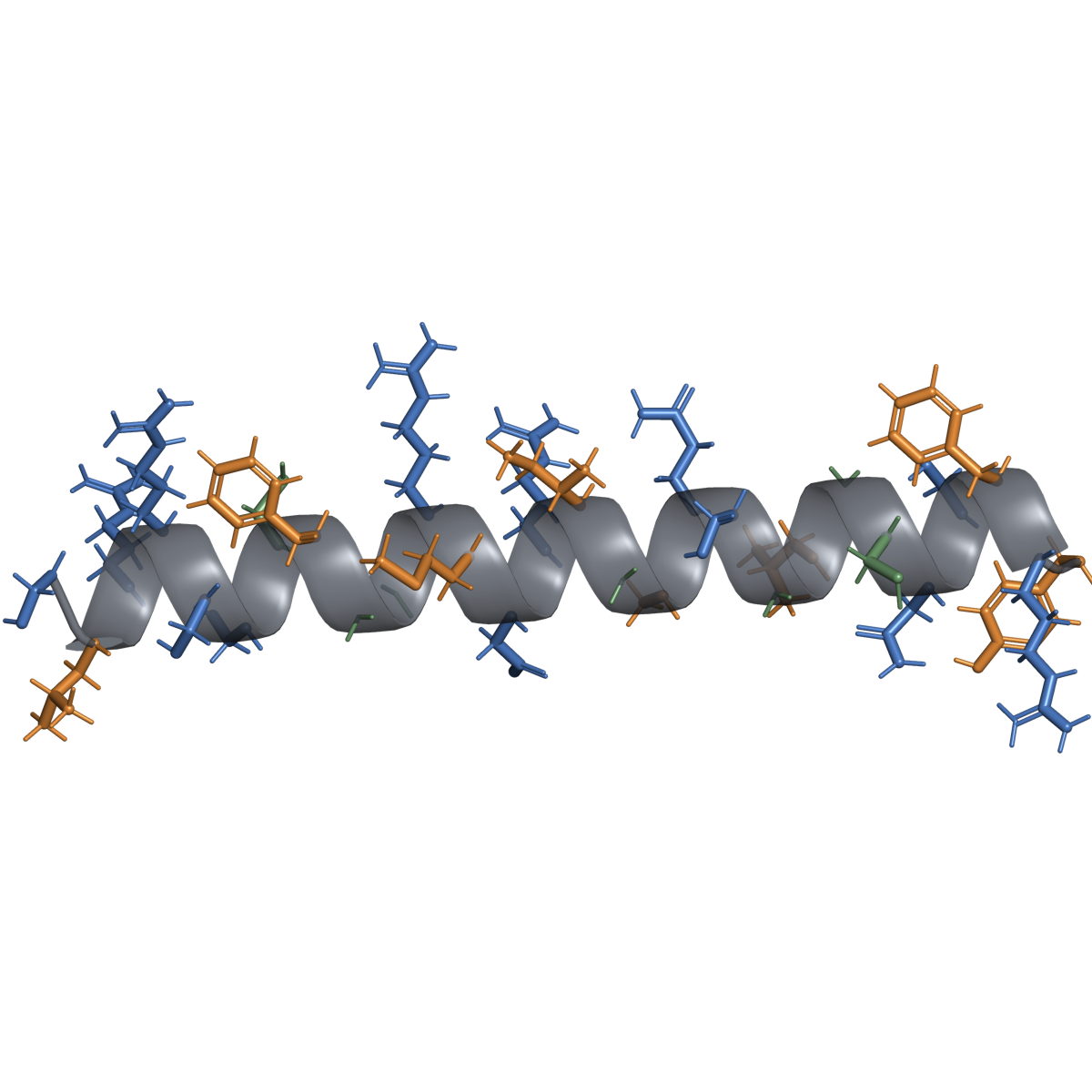
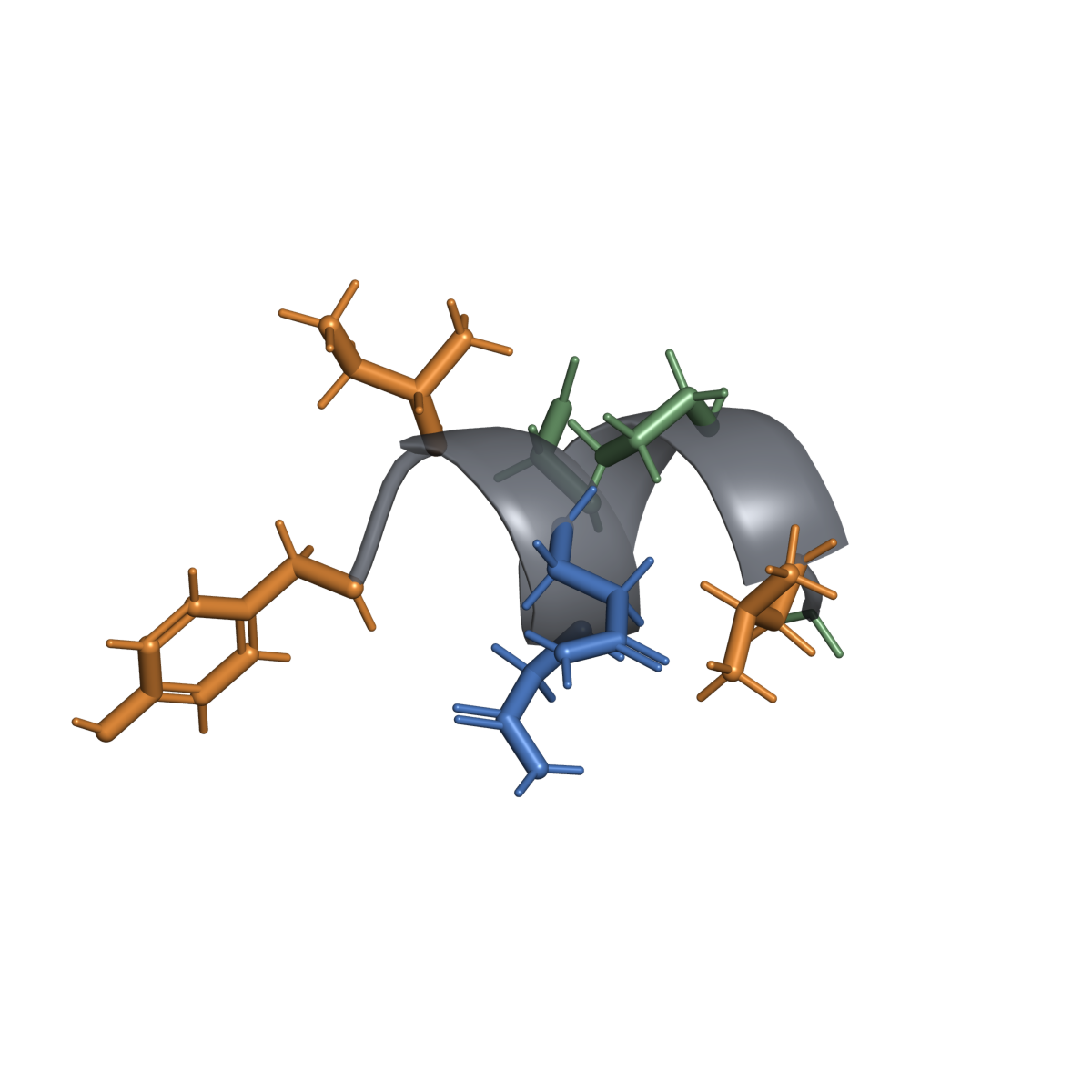
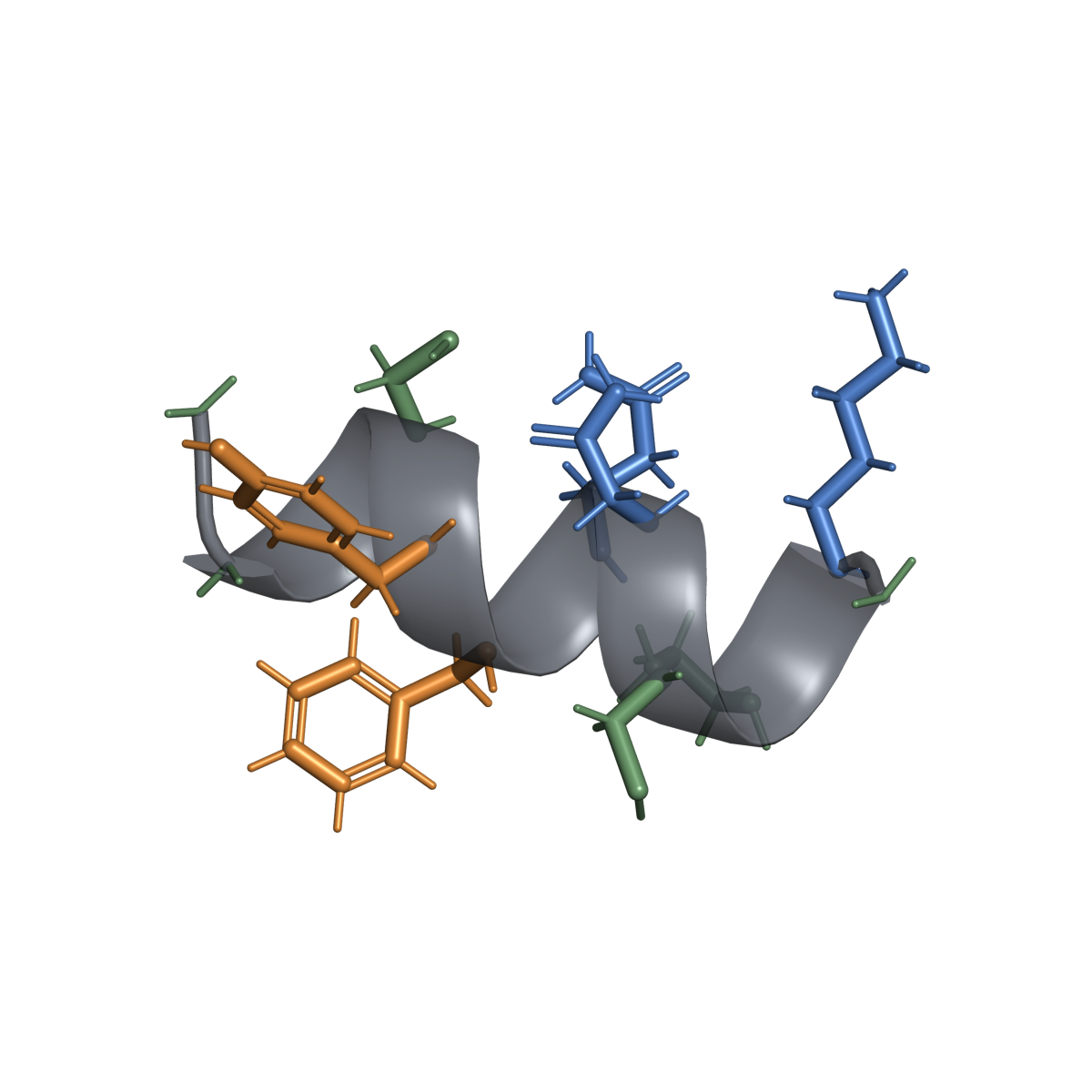
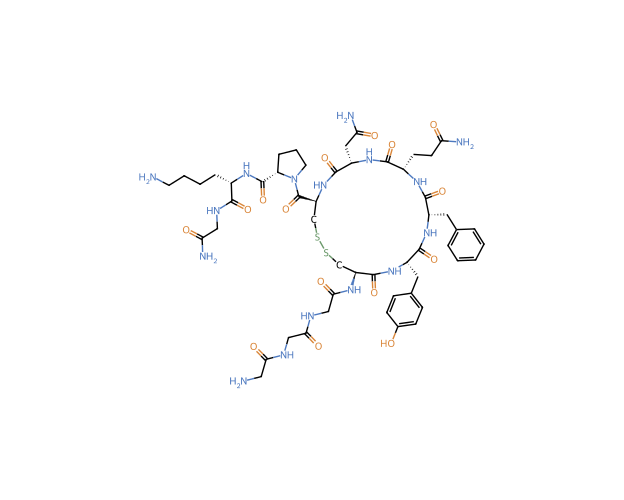
| Molecular/sequence identity | Gly-Gly-Gly-Cys-Tyr-Phe-Gln-Asn-Cys-Pro-Lys-Gly-NH2 (12 aa); disulfide bridge Cys5–Cys10; N-terminal triglycyl extension of lysine-vasopressin |
| Modifications/form | Acetate salt; Administered into a vein. Quelle der Definition: Neutral gloss; usage context: Routes, devices, and absorption primer · Glossar injection (1 mg vials) |
| Stable identifiers | UNII: 7Z5X49W53P; The record number of a compound in PubChem, the atlas's primary structure-asset source. A registry record or depiction does not authenticate a commercial sample. Quelle der Definition: Identity and structure assets methodology · Glossar: 72081; CAS: 14636-12-5 (base); DrugBank: DB00559 |
| Identity caveats | Prodrug — triglycyl moiety is cleaved in vivo to release active lysine-vasopressin. Not the same as arginine-vasopressin (vasopressin); desmopressin is a distinct synthetic analogue of arginine-vasopressin. |
Development and approval status
| Jurisdiction | Status and indication | Product/source | As of |
|---|---|---|---|
| US (FDA) | Approved: HRS type 1; Boxed Warning for respiratory failure | Terlivaz (Mallinckrodt) | Sep 2022 |
| EU/EEA (EMA) | Approved: esophageal variceal bleeding, HRS | Glypressin | 1990s (variceal bleeding); HRS indication varies by country |
| UK (MHRA) | Approved: esophageal variceal bleeding | Glypressin | — |
| Australia (TGA) | Approved: variceal bleeding, HRS | — | — |
- UNITED STATES
- US (FDA): Approved: HRS type 1; Boxed Warning for respiratory failure
- EU/EEA
- EU/EEA (EMA): Approved: esophageal variceal bleeding, HRS
- UNITED KINGDOM
- UK (MHRA): Approved: esophageal variceal bleeding
- OTHER DOCUMENTED
- Australia (TGA): Approved: variceal bleeding, HRS
Sport status: WADA: terlipressin was not identified by exact name in the 2026 Prohibited List, and this review did not identify a matching prohibited class. Therapeutic purpose does not itself create an exemption from a prohibition; athletes should verify the exact product and current status.
Mechanism and pharmacology
V1a receptor agonist. Prodrug — undergoes rapid enzymatic cleavage to release active lysine-vasopressin. Causes potent splanchnic vasoconstriction, reducing portal pressure and renal vasoconstriction in HRS. V1-mediated vasoconstriction also affects systemic, coronary, and peripheral circulation.
Evidence by claim
| Claim/indication | Stage | Grade | Best human evidence | Main result | Important limitations |
|---|---|---|---|---|---|
| HRS type 1 (reversal) | Approved (US, EU) | A | CONFIRM (NCT02770716) (Wong F, et al. Hepatology. 2022;75:1437–50. PMID: 35007360) | 32% HRS reversal vs 17% An inactive comparator used in a controlled study. Quelle der Definition: Neutral gloss; usage context: Evidence grading methodology · Glossar (p=0.006) at day 14 | 90-day mortality not significantly different |
| Esophageal variceal bleeding | Approved (EU) | A | Meta-analyses of A study in which participants are assigned to the study material or a comparator by chance. Quelle der Definition: Neutral gloss; usage context: Evidence grading methodology · Glossar | Improved hemostasis vs placebo; comparable to octreotide + endoscopic therapy | Older studies; contemporary standard is endoscopic + antibiotic |
- AKlasse A: Für eine bestimmte gekennzeichnete Anwendung nachgewiesen
- BKlasse B: Mäßige Humanstudien
- CKlasse C: Vorläufige Humanstudien
- DKlasse D: Nur präklinisch
- EKlasse E: Anekdotisch/Vermarktungsbehauptung
- XKlasse X: Die Evidenz widerspricht der Behauptung oder stützt sie nicht
Text alternative for the claim-evidence diagram. Each grade is defined below:
- A — Established for a specific labeled use
- 2 claims: HRS type 1 (reversal); Esophageal variceal bleeding
- B — Moderate human evidence
- 0 claims
- C — Preliminary human evidence
- 0 claims
- D — Preclinical only
- 0 claims
- E — Anecdotal/marketing claim
- 0 claims
- X — Evidence contradicts or does not support the claim
- 0 claims
Key studies
| Study | Design/population | Exposure studied | Endpoints and result | Limitations |
|---|---|---|---|---|
| CONFIRM | A study in which participants are assigned to the study material or a comparator by chance. Quelle der Definition: Neutral gloss; usage context: Evidence grading methodology · Glossar, N=300, HRS-1 | Terlipressin 1 mg Administered into a vein. Quelle der Definition: Neutral gloss; usage context: Routes, devices, and absorption primer · Glossar q6h vs An inactive comparator used in a controlled study. Quelle der Definition: Neutral gloss; usage context: Evidence grading methodology · Glossar | HRS reversal: 32% vs 17% (p=0.006); need for RRT: NS; 90-day mortality: NS | High respiratory AE rate in terlipressin group |
| Splanchnic vasoconstrictors meta-analysis | Meta-analysis, variceal bleeding | Terlipressin vs placebo/active | Reduced mortality vs placebo (RR 0.66) with endoscopic therapy | Heterogeneous study designs |
Dose and administration evidence
Approved labeled regimen
The label summary below is product-, indication-, and jurisdiction-specific; consult the full current label and a licensed clinician/pharmacist.
HRS-1 (US label, creatinine-guided):
Days 1–3: Terlipressin 0.85 mg Administered into a vein. Quelle der Definition: Neutral gloss; usage context: Routes, devices, and absorption primer · Glossar every 6 hours (1 vial).
Day 4: Assess SCr versus baseline.
If SCr decreased ≥30% from baseline: continue 0.85 mg IV every 6 hours.
If SCr decreased <30%: may increase to 1.7 mg IV every 6 hours.
If SCr at or above baseline: discontinue.
Continue until 24 hours after two consecutive SCr ≤1.5 mg/dL (≥2 h apart) or maximum 14 days.
SCr >5 mg/dL: limitation of benefit, not a dosing branch.
Administered in ICU/hospital setting. Monitor oxygenation, ischemia, fluid status.
Studied regimens (not recommendations)
CONFIRM: 1 mg IV q6h, could increase to 2 mg q6h after day 3 if no response.
Variceal bleeding: 1–2 mg IV q4–6h for up to 72 hours.
What is not established
Efficacy in non-HRS acute kidney injury.
Use outside hospital/ICU settings.
No established or recommended human dose for unapproved indications.
Safety
Established label risks
BOXED WARNING (US): Serious/respiratory adverse events — respiratory failure requiring intubation, hypoxia. Do not use in patients with acute respiratory distress syndrome or severe hypoxia.
Ischemic events: Cardiac, mesenteric, peripheral, digital ischemia.
Fluid overload: May require diuresis.
Hyponatremia: Vasopressin class effect.
Abdominal cramps, diarrhea.
Human-study signals
CONFIRM: respiratory failure 12% terlipressin vs 4% An inactive comparator used in a controlled study. Quelle der Definition: Neutral gloss; usage context: Evidence grading methodology · Glossar; 30-day mortality 50% vs 48% (NS).
Unknowns and product-quality risks
Mortality benefit not demonstrated in adequately powered trial.
Research-grade vials are not equivalent to pharmaceutical terlipressin.
Interactions and special populations
Additive ischemia risk with vasopressors, ergot alkaloids.
Beta-blockers may reduce portal pressure reduction.
Avoid in severe hypoxia, ARDS, ongoing myocardial ischemia.
Regulatory, compounding, and sport notes
The World Anti-Doping Agency; its Prohibited List classifies many peptides as prohibited substances in sport. Quelle der Definition: WADA and sport regulation brief · Glossar: terlipressin was not identified by exact name in the 2026 Prohibited List, and this review did not identify a matching prohibited class. Therapeutic purpose does not itself create an exemption from a prohibition; athletes should verify the exact product and current status.
Not scheduled under US CSA.
Evidence gaps
Mortality benefit not conclusively shown in HRS-1.
Optimal dosing in severe hepatic impairment.
Comparison to norepinephrine for HRS-1 (meta-analyses suggest comparable).
Search notes
Databases and registries: DailyMed, PubMed, ClinicalTrials.gov, EMA EPAR
Search terms: terlipressin, Terlivaz, Glypressin, HRS, CONFIRM, variceal bleeding
Last searched: 2026-08-06
Inclusion emphasis: Regulatory labels, pivotal trials, meta-analyses
Sources
Terlivaz (terlipressin) prescribing information. DailyMed. https://dailymed.nlm.nih.gov/dailymed/drugInfo.cfm?setid=3a35b86c-f451-4fac-8499-43019e4da354
Wong F, et al. CONFIRM trial. Hepatology. 2022;75(6):1437–50. PMID: 35007360.
UK electronic Medicines Compendium. Glypressin (terlipressin acetate) SmPC. https://www.medicines.org.uk/emc/product/101174/smpc
PubChem. Terlipressin. https://pubchem.ncbi.nlm.nih.gov/compound/72081
World Anti-Doping Agency. 2026 Prohibited List. https://www.wada-ama.org/sites/default/files/2025-09/2026list_en_final_clean_september_2025.pdf