Bottom line
Oxytocin is an An entry with substantial scientific visibility or identity value. Biological rationale and non-human evidence do not establish patient benefit. Quelle der Definition: Scope and selection methodology · Glossar cyclic nonapeptide hormone and is approved in multiple named jurisdictions for product-specific pharmaceutical (Pitocin, Syntocinon) for obstetric use — labour induction/augmentation and control of postpartum haemorrhage. It is on the WHO Model List of Essential Medicines. In obstetric settings it carries important warnings about uterine hyperstimulation, water intoxication, and is not indicated for elective induction. Off-label use for neuropsychiatric conditions (social cognition, autism) has failed to show benefit in large A study in which participants are assigned to the study material or a comparator by chance. Quelle der Definition: Neutral gloss; usage context: Evidence grading methodology · Glossar.
Identity and composition
| Field | Verified information |
|---|---|
| Preferred name | Oxytocin |
| Key aliases | Pitocin, Syntocinon, Ocytocin |
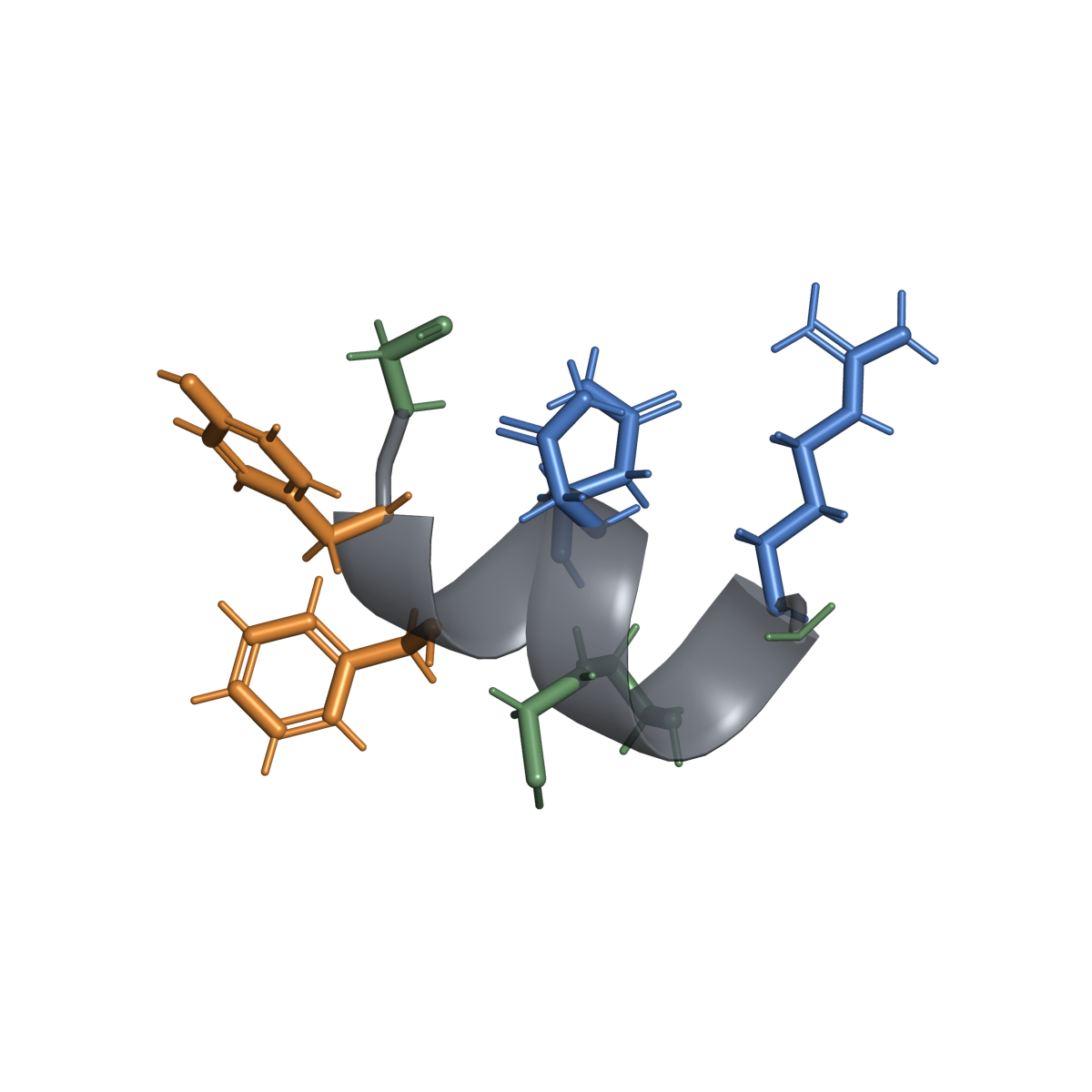
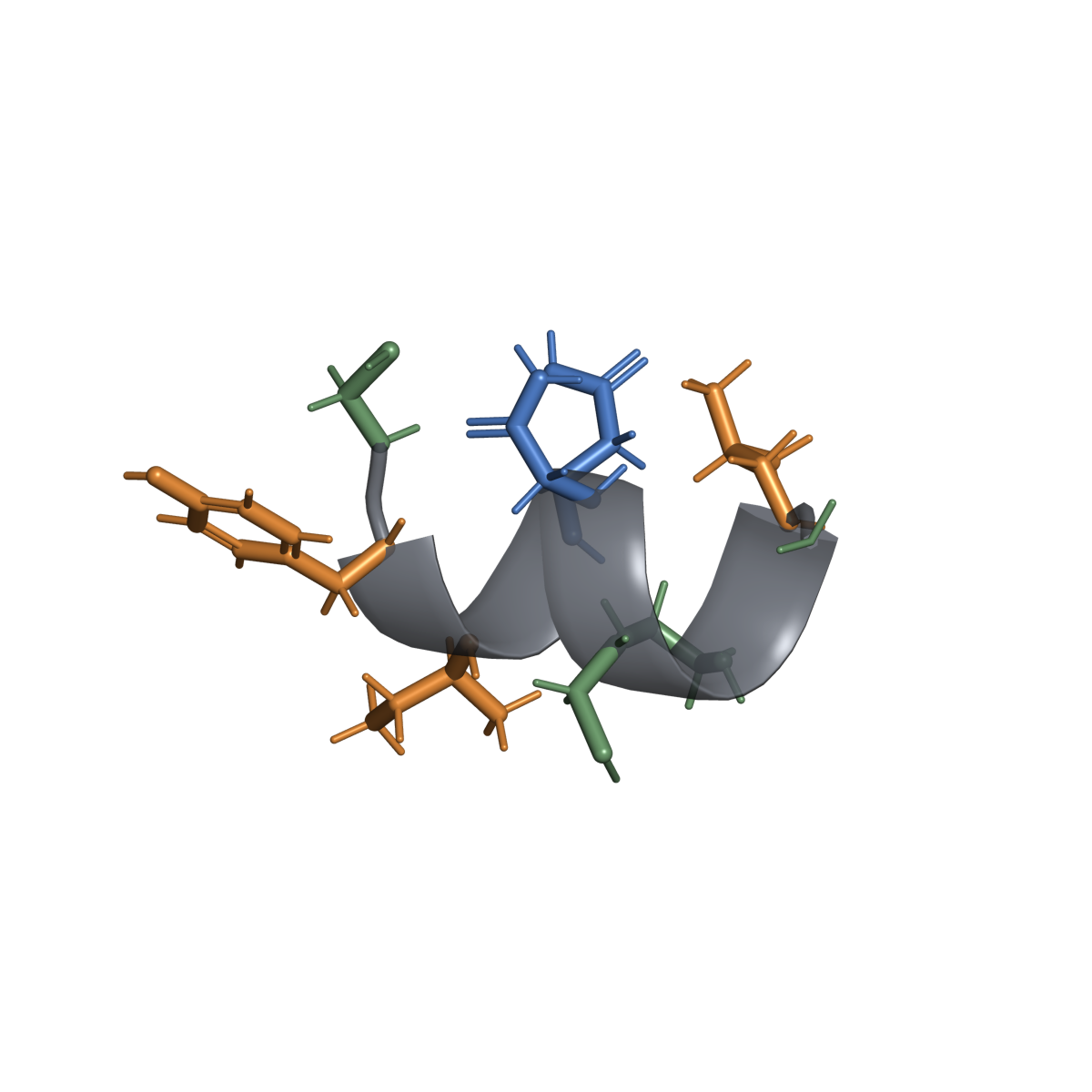
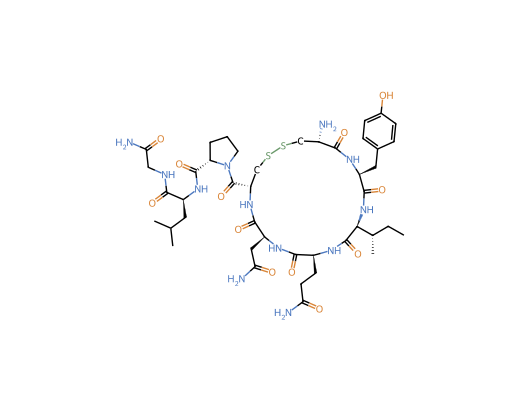
| Molecular/sequence identity | Cys-Tyr-Ile-Gln-Asn-Cys-Pro-Leu-Gly-NH₂ (cyclic nonapeptide; disulfide bridge Cys¹–Cys⁶) |
| Modifications/form | C-terminal amide; disulfide bridge between residues 1 and 6 |
| Stable identifiers | CAS 50-56-6; The record number of a compound in PubChem, the atlas's primary structure-asset source. A registry record or depiction does not authenticate a commercial sample. Quelle der Definition: Identity and structure assets methodology · Glossar 439302; DrugBank DB00107; UNII 1JQS135EYN; ATC H01BB02; ChEBI CHEBI:7872; KEGG D00089 |
| Identity caveats | An entry with substantial scientific visibility or identity value. Biological rationale and non-human evidence do not establish patient benefit. Quelle der Definition: Scope and selection methodology · Glossar hormone identical across most mammals; differs from vasopressin at positions 3 (Ile vs Phe) and 8 (Leu vs Arg) |
Development and approval status
| Jurisdiction | Status and indication | Product/source | As of |
|---|---|---|---|
| FDA (US) | Approved — labour induction/augmentation, postpartum haemorrhage, adjunct in incomplete/inevitable abortion | Pitocin (Par Pharmaceutical) | 1938+ (DESI) |
| EMA (EU) | Approved — same obstetric indications | Syntocinon (Novartis) | Approved |
| MHRA (UK) | Approved — same | Syntocinon | Approved |
| WHO | Listed — Essential Medicine for postpartum haemorrhage | Various | Current |
- UNITED STATES
- FDA (US): Approved — labour induction/augmentation, postpartum haemorrhage, adjunct in incomplete/inevitable abortion
- EU/EEA
- EMA (EU): Approved — same obstetric indications
- UNITED KINGDOM
- MHRA (UK): Approved — same
- OTHER DOCUMENTED
- WHO: Listed — Essential Medicine for postpartum haemorrhage
Sport status: WADA: not prohibited
Mechanism and pharmacology
Oxytocin is a full agonist at the oxytocin receptor (OTR), a rhodopsin-type GPCR. Activation triggers Gq/PLC → IP₃ → intracellular Ca²⁺ release from stores plus store-operated and voltage-operated Ca²⁺ entry, increasing sodium permeability of uterine myofibrils and causing smooth muscle contraction. Uterine sensitivity to oxytocin increases with gestational age. Oxytocin also triggers milk ejection by contracting mammary myoepithelial cells. The mechanism is well-characterised and high confidence.
Evidence by claim
| Claim/indication | Stage | Grade | Best human evidence | Main result | Important limitations |
|---|---|---|---|---|---|
| Labour induction/augmentation | Approved (global) | A | Multiple A study in which participants are assigned to the study material or a comparator by chance. Quelle der Definition: Neutral gloss; usage context: Evidence grading methodology · Glossar; FDA label | Effective for cervical ripening and uterine contraction | Requires continuous monitoring; hospital setting only |
| Postpartum haemorrhage prevention | Approved (global) | A | WHO recommendations; multiple RCTs | First-line uterotonic; reduces PPH risk | ~10% PPH rate persists with oxytocin alone |
| Autism spectrum disorder (social function) | A clinical-stage candidate with scientific or public relevance. Investigation is not approval, and a studied exposure is not a recommendation. Quelle der Definition: Scope and selection methodology · Glossar (off-label) | X | SOARS-B (NIH RCT) | No improvement in social function | Negative; large well-powered trial |
| Social cognition (healthy) | Investigational (off-label) | D | Mixed small studies | Inconsistent effects | Underpowered; varied tasks |
- AKlasse A: Für eine bestimmte gekennzeichnete Anwendung nachgewiesen
- BKlasse B: Mäßige Humanstudien
- CKlasse C: Vorläufige Humanstudien
- DKlasse D: Nur präklinisch
- EKlasse E: Anekdotisch/Vermarktungsbehauptung
- XKlasse X: Die Evidenz widerspricht der Behauptung oder stützt sie nicht
Text alternative for the claim-evidence diagram. Each grade is defined below:
- A — Established for a specific labeled use
- 2 claims: Labour induction/augmentation; Postpartum haemorrhage prevention
- B — Moderate human evidence
- 0 claims
- C — Preliminary human evidence
- 0 claims
- D — Preclinical only
- 1 claim: Social cognition (healthy)
- E — Anecdotal/marketing claim
- 0 claims
- X — Evidence contradicts or does not support the claim
- 1 claim: Autism spectrum disorder (social function)
Key studies
| Study | Design/population | Exposure studied | Endpoints and result | Limitations |
|---|---|---|---|---|
| SOARS-B (NCT01944046) | A study in which participants are assigned to the study material or a comparator by chance. Quelle der Definition: Neutral gloss; usage context: Evidence grading methodology · Glossar autism in children (n≈290) | Intranasal oxytocin vs An inactive comparator used in a controlled study. Quelle der Definition: Neutral gloss; usage context: Evidence grading methodology · Glossar | No improvement in social functioning | Definitive negative trial |
| WHO PPH guideline | Systematic review | Various oxytocin regimens | Recommended as first-line uterotonic | Evidence well-established |
| StatPearls (NCBI) | Comprehensive review | — | Complete safety/efficacy summary | Review; PMID 29939625 |
Dose and administration evidence
Approved labeled regimen
The label summary below is product-, indication-, and jurisdiction-specific; consult the full current label and a licensed clinician/pharmacist.
FDA-approved regimens (Pitocin):
Labour induction/augmentation: Administered into a vein. Quelle der Definition: Neutral gloss; usage context: Routes, devices, and absorption primer · Glossar infusion, initial 0.5–2 mU/min, titrated every 15–40 min; maximum typically 20 mU/min
Postpartum haemorrhage: 10–40 U in IV infusion or 10 U Administered into a muscle. Quelle der Definition: Neutral gloss; usage context: Routes, devices, and absorption primer · Glossar after placental delivery
Incomplete/inevitable abortion: IV infusion 10 U in 500 mL at 10–20 mU/min
Studied regimens (not recommendations)
Intranasal oxytocin has been studied for off-label psychiatric indications at doses of 8–40 IU per dose, with no established efficacy.
What is not established
Safe or effective dose for any non-obstetric indication
Long-term safety of chronic intranasal use
Optimal regimen for postpartum haemorrhage in resource-limited settings
Safety
Established label risks
FDA boxed warning: Not indicated for elective induction of labour. Available data are inadequate to evaluate benefits-to-risks for elective induction.
Major warnings:
Uterine hyperstimulation → fetal distress, hypoxia, uterine rupture
Water intoxication (antidiuretic effect with high-dose prolonged infusion)
Maternal hypotension (rapid Administered into a vein. Quelle der Definition: Neutral gloss; usage context: Routes, devices, and absorption primer · Glossar bolus)
Fetal bradycardia, hyperbilirubinemia, neonatal jaundice
Contraindications: Significant cephalopelvic disproportion, unfavourable fetal positions, fetal distress, hyperactive uterus, conditions contraindicating vaginal delivery (invasive cervical carcinoma, active herpes genitalis, total placenta previa, vasa previa, cord prolapse), hypersensitivity.
Human-study signals
Well-characterised in obstetric populations. For intranasal off-label use in psychiatric conditions, the SOARS-B trial and other large A study in which participants are assigned to the study material or a comparator by chance. Quelle der Definition: Neutral gloss; usage context: Evidence grading methodology · Glossar have not shown safety concerns distinct from An inactive comparator used in a controlled study. Quelle der Definition: Neutral gloss; usage context: Evidence grading methodology · Glossar.
Unknowns and product-quality risks
Extemporaneously compounded intranasal oxytocin for non-obstetric use lacks standardisation
Chronic use effects on An entry with substantial scientific visibility or identity value. Biological rationale and non-human evidence do not establish patient benefit. Quelle der Definition: Scope and selection methodology · Glossar oxytocin system unknown
Reproductive safety in first-trimester non-obstetric use not evaluated
Research-chemical oxytocin products lack sterility and potency assurance
Interactions and special populations
Potentiated by prostaglandins; combination may cause uterine hyperstimulation
Cyclopropane anaesthesia: possible maternal bradycardia/hypotension
Caution in severe pre-eclampsia, cardiovascular disease, cervical surgery
Not for use in first trimester except for abortion
Regulatory, compounding, and sport notes
The World Anti-Doping Agency; its Prohibited List classifies many peptides as prohibited substances in sport. Quelle der Definition: WADA and sport regulation brief · Glossar: not prohibited
US DEA: not scheduled
Reviewed obstetric products are prescription medicines in the cited jurisdictions; historical intranasal lactation-aid products and current scheduling vary by market and must be checked product by product
Compounded intranasal oxytocin for off-label psychiatric use is not FDA-reviewed
Evidence gaps
The obstetric evidence base is substantial but not “complete”; important product-, population-, and outcome-specific gaps remain. Off-label neuropsychiatric efficacy is a major unresolved area
Intranasal oxytocin dose-response and central penetration are poorly characterised after decades of study
Sex differences in response not systematically addressed
Long-term effects of synthetic oxytocin on An entry with substantial scientific visibility or identity value. Biological rationale and non-human evidence do not establish patient benefit. Quelle der Definition: Scope and selection methodology · Glossar oxytocin system unknown
Conflicting small studies on social cognition have not resolved whether meaningful effects exist in any subpopulation
Search notes
Databases and registries: PubMed, FDA Drugs@FDA, DailyMed, WHO EML, ClinicalTrials.gov
Search terms: Oxytocin, Pitocin, Syntocinon, 50-56-6, labour induction, SOARS-B, postpartum haemorrhage
Last searched: 2026-08-06
Inclusion emphasis: regulatory labels, large A study in which participants are assigned to the study material or a comparator by chance. Quelle der Definition: Neutral gloss; usage context: Evidence grading methodology · Glossar, systematic reviews
Sources
FDA label: Pitocin (oxytocin injection). Drugs@FDA.
PubChem CID 439302. https://pubchem.ncbi.nlm.nih.gov/compound/439302
DrugBank DB00107. https://go.drugbank.com/drugs/DB00107
SOARS-B Trial. NIH. ClinicalTrials.gov NCT01944046.
WHO Model List of Essential Medicines. https://www.who.int/groups/expert-committee-on-selection-and-use-of-essential-medicines
StatPearls (NCBI). Oxytocin. PMID 29939625