Bottom line
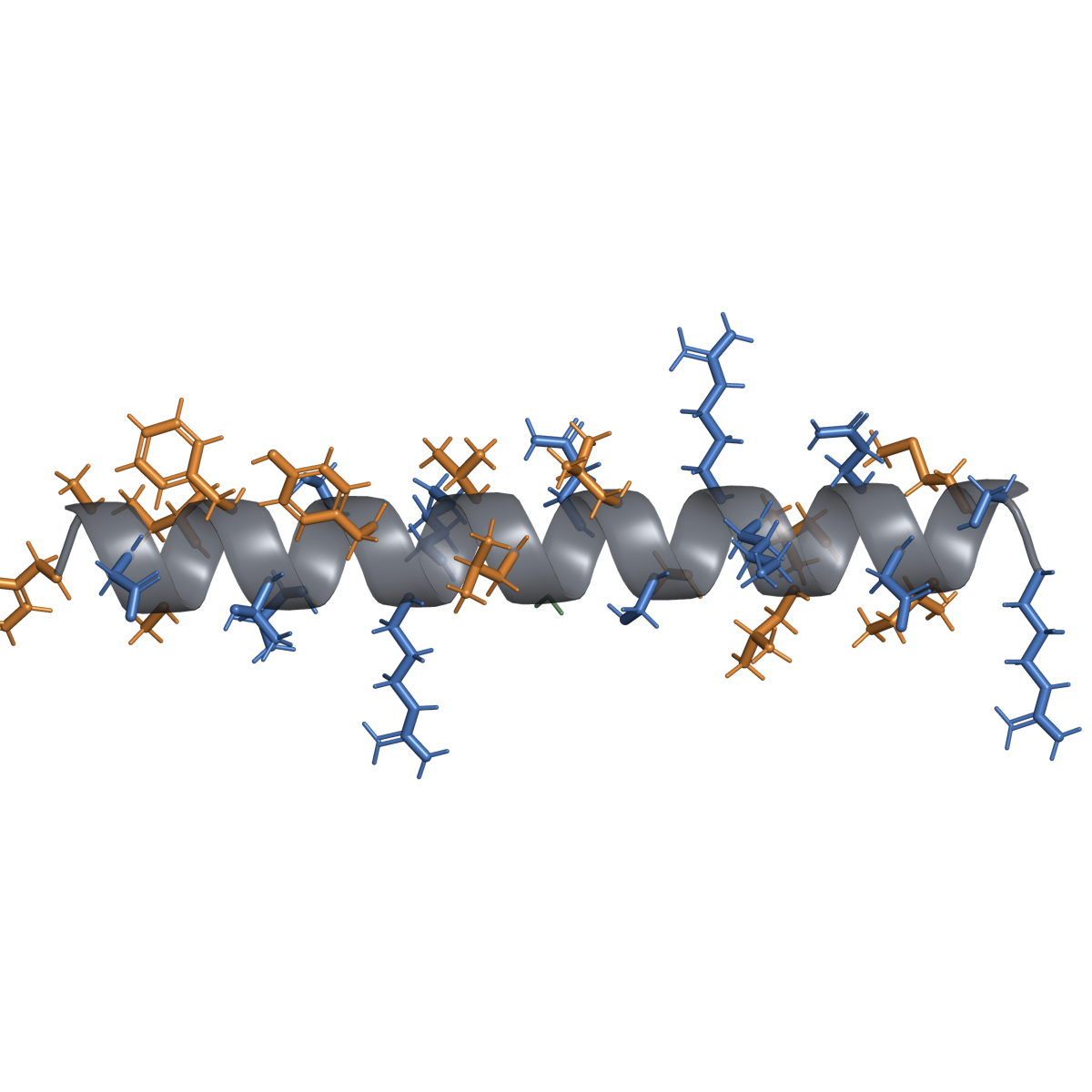
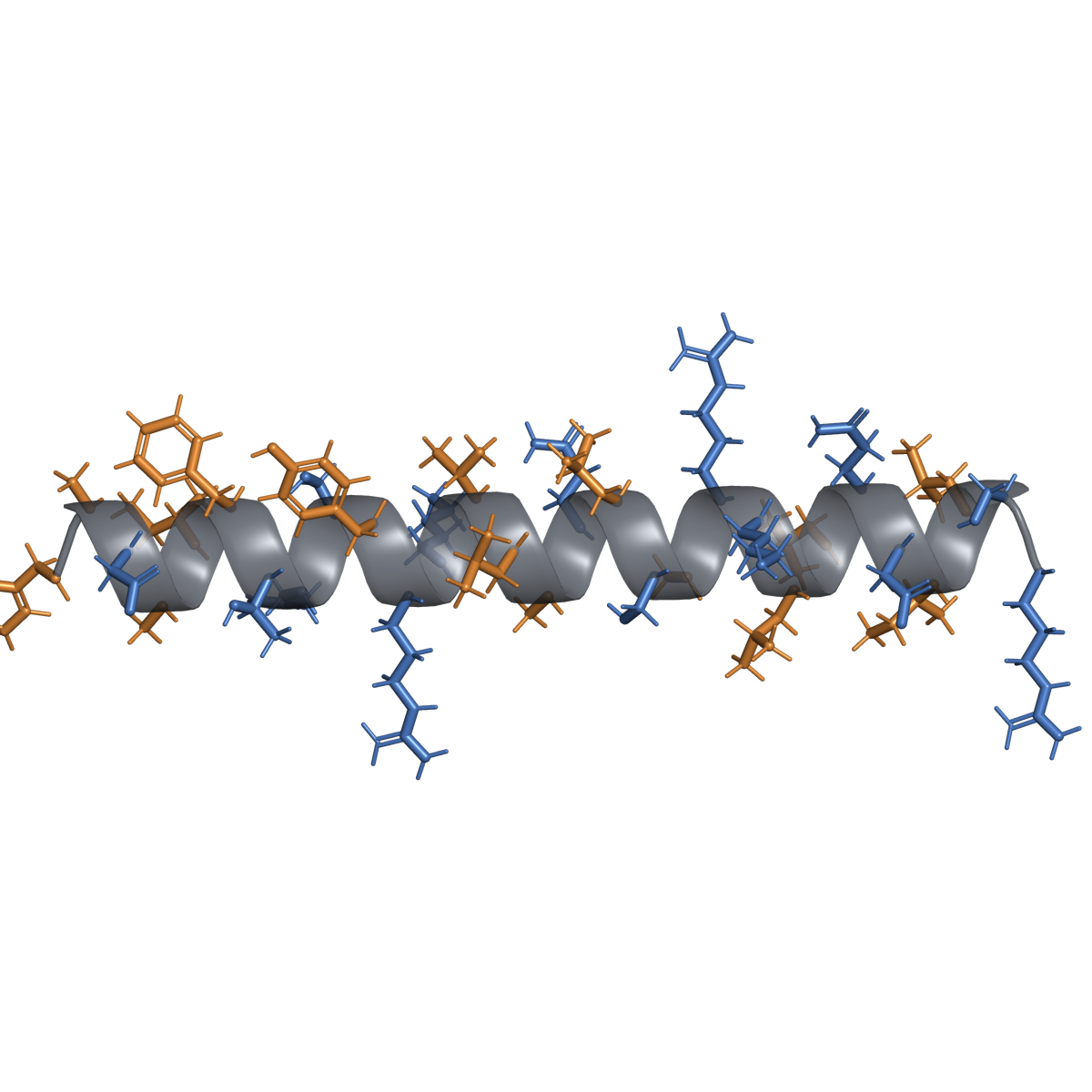
CJC-1295 is a synthetic analogue of GHRH(1-29) with four amino-acid substitutions and a C-terminal Drug Affinity Complex (DAC) moiety that binds covalently to serum albumin, extending plasma The time for the amount of a substance in the body to fall by half. Quelle der Definition: Neutral gloss; usage context: Routes, devices, and absorption primer · Glossar to approximately 6–8 days. Teichman et al. reported two randomized, An inactive comparator used in a controlled study. Quelle der Definition: Neutral gloss; usage context: Evidence grading methodology · Glossar-controlled, Neither participants nor investigators know who receives the study material or the comparator. Quelle der Definition: Neutral gloss; usage context: Evidence grading methodology · Glossar human pharmacology trials in healthy adults; Ionescu and Frohman separately reported preserved GH pulsatility in 12 healthy men. These studies measured How a substance is absorbed, distributed, metabolized, and eliminated by the body; atlas pages report pharmacokinetic data such as half-life, metabolism, and clearance. Quelle der Definition: Neutral gloss; usage context: Routes, devices, and absorption primer · Glossar and endocrine biomarkers, not therapeutic efficacy. No FDA-, EMA-, or Health Canada-approved CJC-1295 product was identified. The term "CJC-1295" is used ambiguously in commerce to refer to both the DAC-conjugated form and the non-DAC tetrasubstituted GRF backbone (Modified GRF[1-29]), which are pharmacologically distinct.
Identity and composition
| Field | Verified information |
|---|---|
| Preferred name | CJC-1295 (with DAC) |
| Key aliases | DAC:GRF, ConjuChem CJC-1295, CJC-1295 with Drug Affinity Complex |
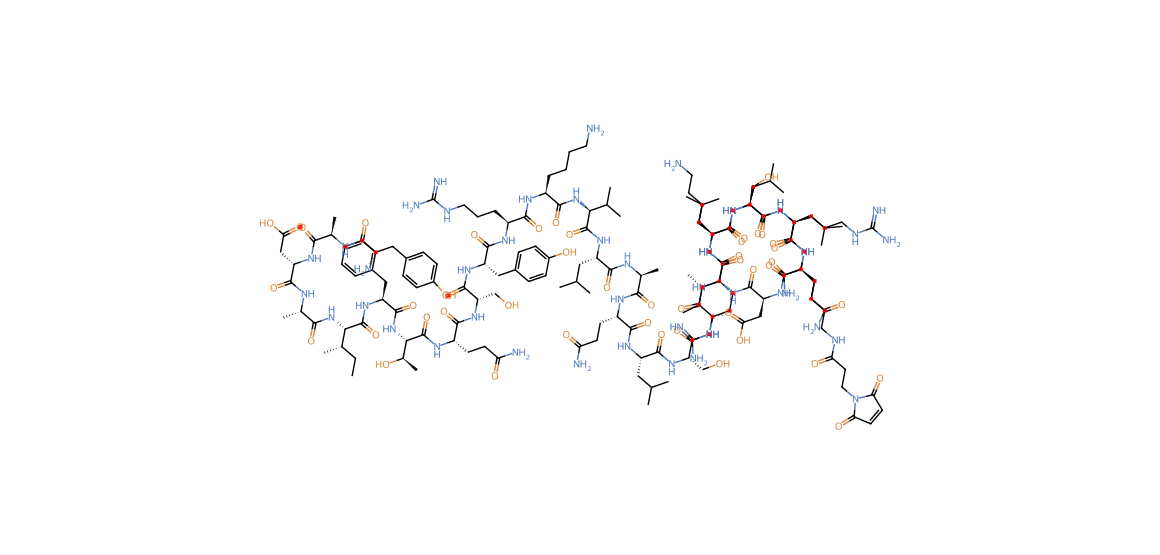
| Molecular/sequence identity | Tetrasubstituted GHRH(1-29) backbone (D-Ala², Gln⁸, Ala¹⁵, Leu²⁷) with C-terminal Lys-maleimidopropionamide (DAC) for albumin conjugation; 30 residues |
| Modifications/form | DAC moiety (maleimide linker) covalently bonds to Cys-34 of serum albumin; The time for the amount of a substance in the body to fall by half. Quelle der Definition: Neutral gloss; usage context: Routes, devices, and absorption primer · Glossar extended from ~30 min to ~6–8 days |
| Stable identifiers | The record number of a compound in PubChem, the atlas's primary structure-asset source. A registry record or depiction does not authenticate a commercial sample. Quelle der Definition: Identity and structure assets methodology · Glossar: 91971820 (DAC conjugate variant); CAS: not consistently assigned across variants |
| Identity caveats | Critical ambiguity. The term "CJC-1295" in the research chemical market may refer to the DAC conjugate (30 residues, ~3647 Da) or the non-DAC tetrasubstituted backbone (29 residues, ~3368 Da, also sold as "CJC-1295 without DAC" or "Modified GRF[1-29]"). The Teichman et al. PK data (6–8 day half-life) apply only to the DAC form. Vendor "CJC-1295" without explicit DAC specification cannot be assumed to match the studied compound. The cited PubChem CID 91971820 corresponds to the DAC conjugate only; no single-compound structure asset is maintained for this heterogeneous entry. |
Development and approval status
| Jurisdiction | Status and indication | Product/source | As of |
|---|---|---|---|
| US (FDA) | No approved drug product identified | Drugs@FDA; FDA PCAC review | 2026-08-06 |
| EU (EMA) | No centrally authorized medicine identified | EMA medicines register | 2026-08-06 |
| Canada | No authorized product identified | Health Canada Drug Product Database | 2026-08-06 |
- UNITED STATES
- US (FDA): No approved drug product identified
- EU/EEA
- EU (EMA): No centrally authorized medicine identified
- UNITED KINGDOM
- No UNITED KINGDOM row is present in the source status table
- OTHER DOCUMENTED
- Canada: No authorized product identified
Sport status: CJC-1295 is prohibited at all times under WADA S2.2.4 as a growth-hormone-releasing factor. Analytical research has described LC-MS/MS targets for CJC-1295 variants and in-vitro metabolites, but detectability depends on the exact molecular form, specimen, timing, and validated laboratory method.
Mechanism and pharmacology
CJC-1295 with DAC activates the GHRH receptor on pituitary somatotroph cells, stimulating GH synthesis and release. Its four backbone substitutions were designed to resist DPP-IV cleavage, deamidation, and oxidation. The maleimide-containing DAC moiety forms a covalent bond with albumin, and albumin conjugation was demonstrated in Evidence from in vitro or animal studies with no adequate human efficacy evidence — the atlas Grade D lane. Quelle der Definition: Evidence grading methodology · Glossar experiments. The estimated The time for the amount of a substance in the body to fall by half. Quelle der Definition: Neutral gloss; usage context: Routes, devices, and absorption primer · Glossar in the human single-dose trial was 5.8–8.1 days. GH pulsatility was preserved one week after a single injection in a 12-man human study, although trough and mean GH concentrations increased.
Evidence by claim
| Claim/indication | Stage | Grade | Best human evidence | Main result | Important limitations |
|---|---|---|---|---|---|
| GH/IGF-1 elevation in healthy adults | Human pharmacology [1] | C | Teichman et al., J Clin Endocrinol Metab 2006; two randomized, An inactive comparator used in a controlled study. Quelle der Definition: Neutral gloss; usage context: Evidence grading methodology · Glossar-controlled, Neither participants nor investigators know who receives the study material or the comparator. Quelle der Definition: Neutral gloss; usage context: Evidence grading methodology · Glossar ascending-dose trials | After a single injection, mean GH rose 2- to 10-fold for at least 6 days and mean IGF-I rose 1.5- to 3-fold for 9–11 days | Biomarker/PK study in healthy adults; no therapeutic efficacy endpoint or long-term safety assessment |
| GH deficiency treatment | A clinical-stage candidate with scientific or public relevance. Investigation is not approval, and a studied exposure is not a recommendation. Quelle der Definition: Scope and selection methodology · Glossar | X | No published efficacy trial in GHD | No adequate human efficacy evidence identified | Healthy-volunteer biomarker effects cannot establish treatment benefit in partial or complete GHD |
| Body composition / muscle | Marketing | E | No controlled human trials | No adequate evidence | Claims extrapolated from GH elevation alone |
- AKlasse A: Für eine bestimmte gekennzeichnete Anwendung nachgewiesen
- BKlasse B: Mäßige Humanstudien
- CKlasse C: Vorläufige Humanstudien
- DKlasse D: Nur präklinisch
- EKlasse E: Anekdotisch/Vermarktungsbehauptung
- XKlasse X: Die Evidenz widerspricht der Behauptung oder stützt sie nicht
Text alternative for the claim-evidence diagram. Each grade is defined below:
- A — Established for a specific labeled use
- 0 claims
- B — Moderate human evidence
- 0 claims
- C — Preliminary human evidence
- 1 claim: GH/IGF-1 elevation in healthy adults
- D — Preclinical only
- 0 claims
- E — Anecdotal/marketing claim
- 1 claim: Body composition / muscle
- X — Evidence contradicts or does not support the claim
- 1 claim: GH deficiency treatment
Key studies
| Study | Design/population | Exposure studied | Endpoints and result | Limitations |
|---|---|---|---|---|
| Teichman et al., J Clin Endocrinol Metab 2006; PMID: 16352683 | Two randomized, An inactive comparator used in a controlled study. Quelle der Definition: Neutral gloss; usage context: Evidence grading methodology · Glossar-controlled, Neither participants nor investigators know who receives the study material or the comparator. Quelle der Definition: Neutral gloss; usage context: Evidence grading methodology · Glossar ascending-dose trials; healthy adults aged 21–61 years [1] | Study 1: one Administered into the tissue layer under the skin. Quelle der Definition: Neutral gloss; usage context: Routes, devices, and absorption primer · Glossar dose at 30, 60, 125, or 250 mcg/kg; study 2: two or three SC doses at 20, 30, or 60 mcg/kg, weekly or every 2 weeks | Single-dose mean GH rose 2–10× for at least 6 days; mean IGF-I rose 1.5–3× for 9–11 days; estimated The time for the amount of a substance in the body to fall by half. Quelle der Definition: Neutral gloss; usage context: Routes, devices, and absorption primer · Glossar 5.8–8.1 days. In the repeat-dose study, mean IGF-I—not GH—remained above baseline through day 28 | Short pharmacology trials; no therapeutic efficacy endpoint; sponsor involvement; the exact salt was not specified |
| Ionescu & Frohman, J Clin Endocrinol Metab 2006; PMID: 17018654 | Before/after intensive sampling study in 12 healthy men aged 20–40 years [1] | One SC dose of 60 or 90 mcg/kg; 12-hour overnight sampling before and 1 week after exposure | Pulse frequency and magnitude were preserved; trough GH increased 7.5-fold, mean GH 46%, and IGF-I 44–45% | Small, non-randomized within-subject biomarker study; no efficacy endpoint |
| Alba et al., Am J Physiol Endocrinol Metab 2006; PMID: 16822960 | Animal (GHRH-knockout mice) [1] | 2 mcg/mouse every 24, 48, or 72 hours for 5 weeks | Daily exposure normalized body weight and length and altered body composition and pituitary measures | Mouse disease model only; not human efficacy evidence |
Dose and administration evidence
Approved labeled regimen
Not applicable. No FDA-approved, EMA-authorized, or Health Canada-authorized CJC-1295 product was identified in the registers reviewed.
Studied regimens (not recommendations)
No established or recommended human dose. Published human pharmacology studies examined single Administered into the tissue layer under the skin. Quelle der Definition: Neutral gloss; usage context: Routes, devices, and absorption primer · Glossar exposures of 30–250 mcg/kg and limited repeat exposures of 20–60 mcg/kg given two or three times at weekly or 2-week intervals. These were experimental exposures in healthy volunteers, not dose-finding for a therapeutic indication.
What is not established
No effective therapeutic dose has been determined
No therapeutic regimen, duration, or maintenance schedule has been established
No published long-term human exposure data
No dose for the non-DAC ("without DAC") variant has been studied in humans
Safety
Established label risks
No approved label exists.
Human-study signals
No serious adverse reactions were reported in the two published Teichman trials, but adverse events were common and the exposure was brief. FDA's 2024 PCAC review reports adverse events in 33/35 active-treated versus 2/7 An inactive comparator used in a controlled study. Quelle der Definition: Neutral gloss; usage context: Evidence grading methodology · Glossar participants in study 1. Reported events included injection-site reactions, headache, diarrhea, flushing/warmth or transient hypotension, and transient local urticaria; several events were more frequent at the higher studied exposures. Study 2 also reported injection-site reactions, flushing, headache, gastrointestinal symptoms, and isolated transient neurologic or hypotensive events. These small trials cannot establish long-term safety.
FDA also summarized anecdotal reports of an unpublished randomized Phase 2 trial in 192 people with HIV lipodystrophy. The trial was reportedly terminated after a participant died from an acute myocardial infarction following the 11th weekly dose. The attending physician reportedly considered underlying asymptomatic coronary disease with plaque rupture the most likely explanation; the unpublished information cannot establish or exclude drug causality, and no results for the other participants were available.
Unknowns and product-quality risks
No long-term safety data exist. FDA's review identified nonclinical injection-site injury and genotoxicity signals and noted that pituitary hyperplasia or tumor risk from prolonged somatotroph stimulation cannot be ruled out. Other class-related uncertainties include glucose intolerance, fluid retention, and consequences of sustained GH/IGF-I elevation. Research-grade material cannot be assumed to have the identity, salt form, purity, sterility, potency, aggregation control, or endotoxin control of the compounds used in published studies.
Interactions and special populations
No human data exist on drug interactions. Contraindications would theoretically include active malignancy, pregnancy, and known hypersensitivity to peptide preparations.
Regulatory, compounding, and sport notes
CJC-1295 is prohibited at all times under The World Anti-Doping Agency; its Prohibited List classifies many peptides as prohibited substances in sport. Quelle der Definition: WADA and sport regulation brief · Glossar S2.2.4 as a growth-hormone-releasing factor. Analytical research has described LC-MS/MS targets for CJC-1295 variants and in-vitro metabolites, but detectability depends on the exact molecular form, specimen, timing, and validated laboratory method.
Evidence gaps
No published Phase II efficacy results and no Phase III trial identified
No long-term safety data in humans
No How a substance is absorbed, distributed, metabolized, and eliminated by the body; atlas pages report pharmacokinetic data such as half-life, metabolism, and clearance. Quelle der Definition: Neutral gloss; usage context: Routes, devices, and absorption primer · Glossar study in females or special populations
No published human data for the non-DAC variant
No comparative study against approved GH or GHRH analogs
No reproductive toxicity or carcinogenicity data
Search notes
Databases and registries: PubMed, ClinicalTrials.gov, FDA Drugs@FDA, PubChem, Google Patents
Search terms: "CJC-1295", "DAC:GRF", "ConjuChem", "Teichman CJC-1295", "modified GRF 1-29", "tetrasubstituted GRF"
Last searched: 2026-08-06
Inclusion emphasis: Primary peer-reviewed human data; regulatory documents; foundational pharmacology
Sources
Teichman SL et al. Prolonged stimulation of GH and IGF-I secretion by CJC-1295. J Clin Endocrinol Metab. 2006;91(3):799-805. https://pubmed.ncbi.nlm.nih.gov/16352683/
Ionescu M, Frohman LA. Pulsatile secretion of growth hormone persists during continuous stimulation by CJC-1295. J Clin Endocrinol Metab. 2006;91(12):4792-4797. https://pubmed.ncbi.nlm.nih.gov/17018654/
Alba M et al. Once-daily administration of CJC-1295 normalizes growth in the GHRH knockout mouse. Am J Physiol Endocrinol Metab. 2006;291(6):E1290-E1294. https://pubmed.ncbi.nlm.nih.gov/16822960/
Jetté L et al. Identification of CJC-1295 as a long-lasting GRF analogue. Endocrinology. 2005. https://pubmed.ncbi.nlm.nih.gov/15817669/
WADA Prohibited List 2026. https://www.wada-ama.org/en/prohibited-list
FDA. Drugs@FDA. No listing for CJC-1295. Accessed 2026-08-06. https://www.accessdata.fda.gov/scripts/cder/daf/
FDA. Pharmacy Compounding Advisory Committee briefing document: CJC-1295-related bulk drug substances. 2024. https://www.fda.gov/media/183819/download