Bottom line
Lanreotide is a synthetic octapeptide somatostatin analog with SSTR2 and SSTR5 affinity comparable to octreotide but formulated as a ready-to-use deep Administered into the tissue layer under the skin. مصدر التعريف: Neutral gloss; usage context: Routes, devices, and absorption primer · المسرد depot (Autogel) that requires no The product-specific pharmaceutical process by which a lyophilized (freeze-dried) solid returns to a liquid dispersion. It is not evidence that the resulting material is suitable for administration. مصدر التعريف: What reconstitution means primer · المسرد. Approved for acromegaly, gastroenteropancreatic neuroendocrine tumors (Gastroenteropancreatic neuroendocrine tumor. مصدر التعريف: Lanreotide monograph (abbreviation expansion) · المسرد), and carcinoid syndrome. The CLARINET study demonstrated tumor growth control in non-functioning enteropancreatic NETs.
Identity and composition
| Field | Verified information |
|---|---|
| Preferred name | Lanreotide |
| Key aliases | Somatuline Autogel (deep Administered into the tissue layer under the skin. مصدر التعريف: Neutral gloss; usage context: Routes, devices, and absorption primer · المسرد), Somatuline Depot (deep SC in US; Administered into a muscle. مصدر التعريف: Neutral gloss; usage context: Routes, devices, and absorption primer · المسرد in some non-US markets), BIM-23014 |
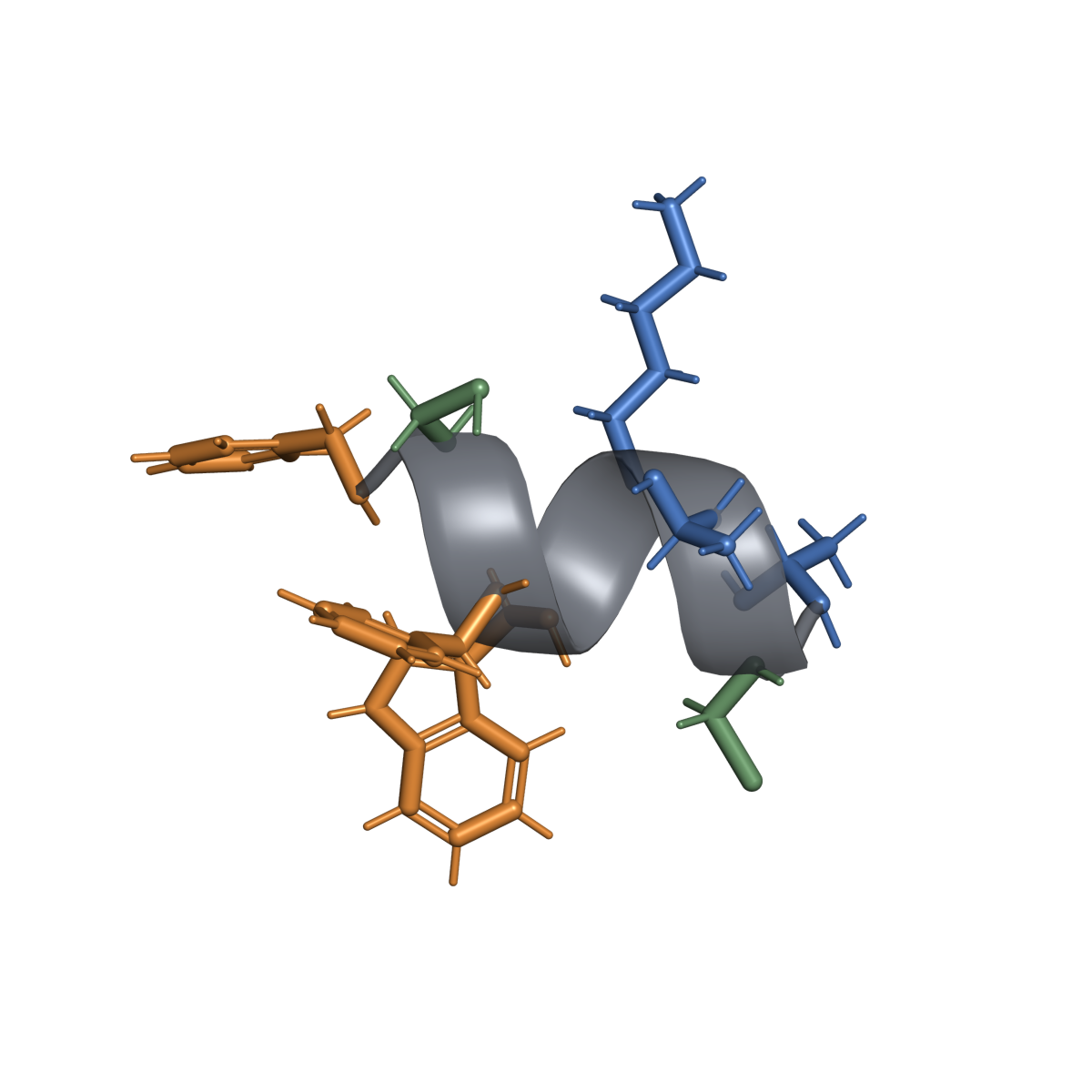
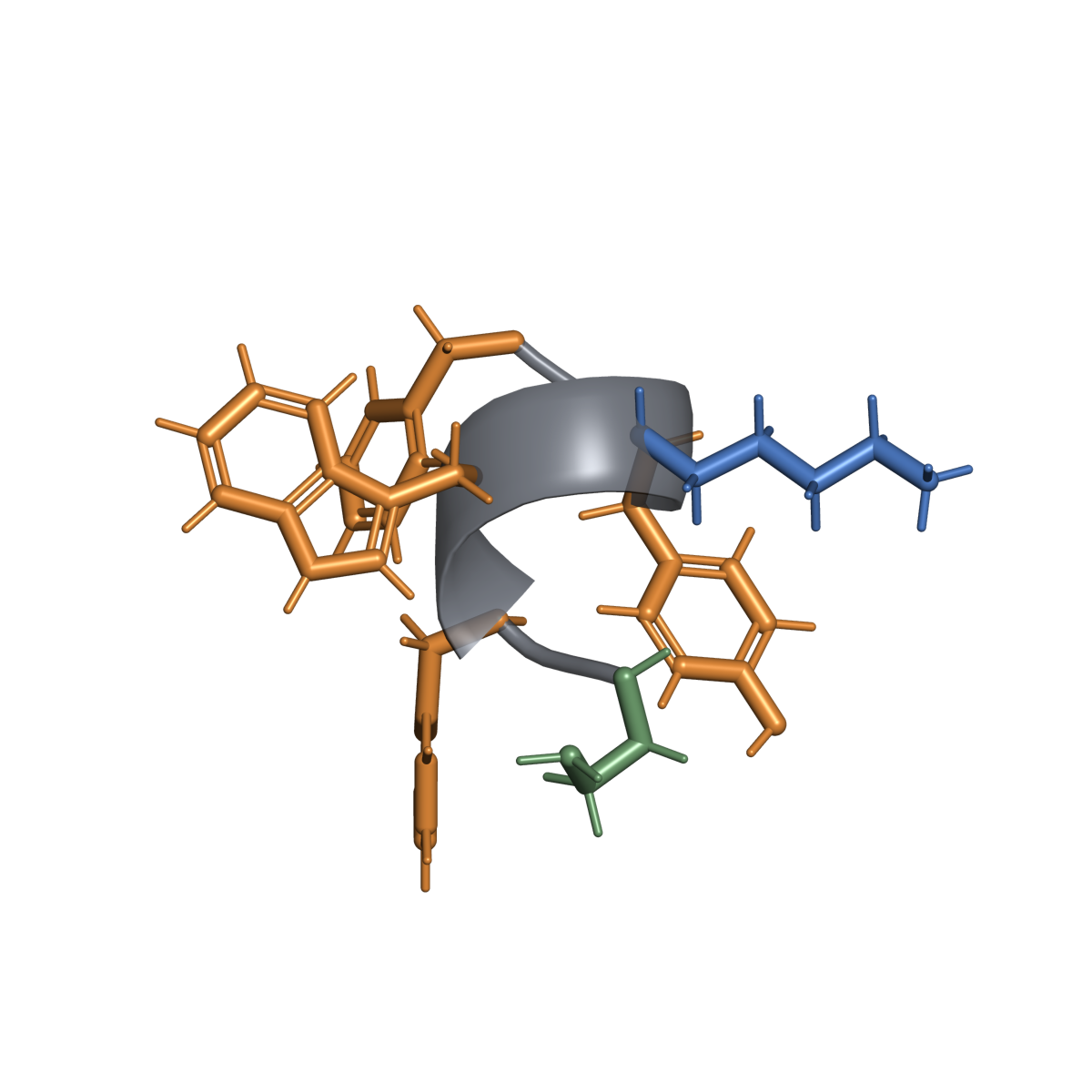
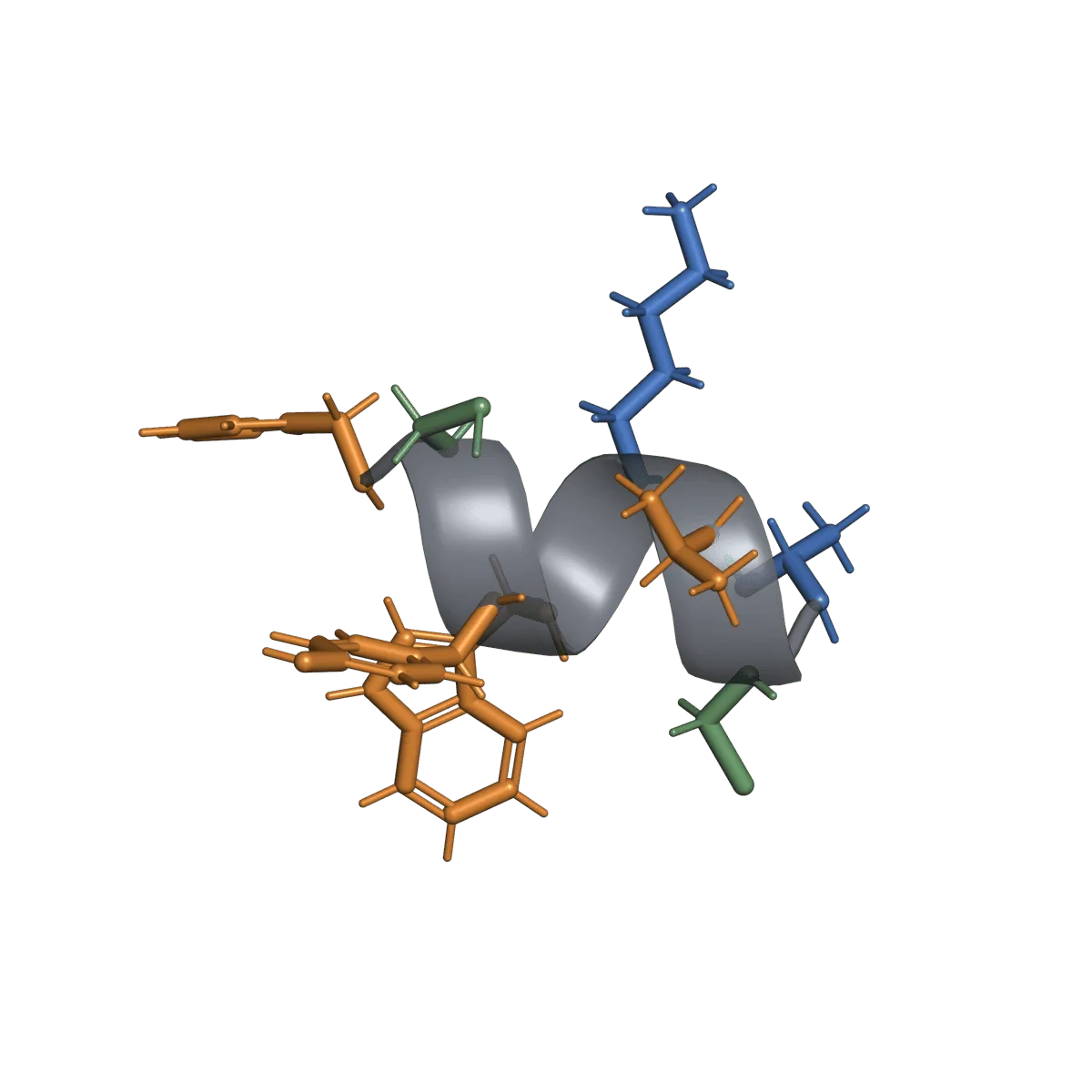
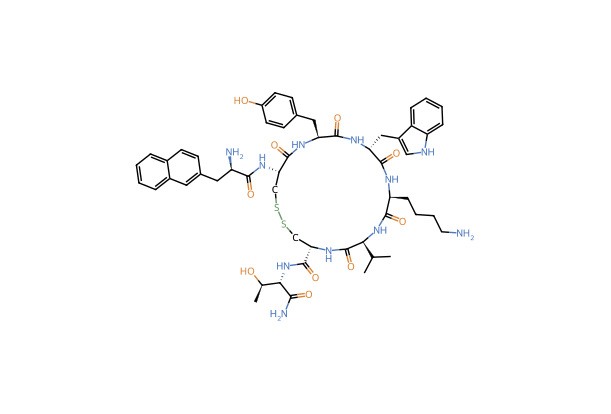
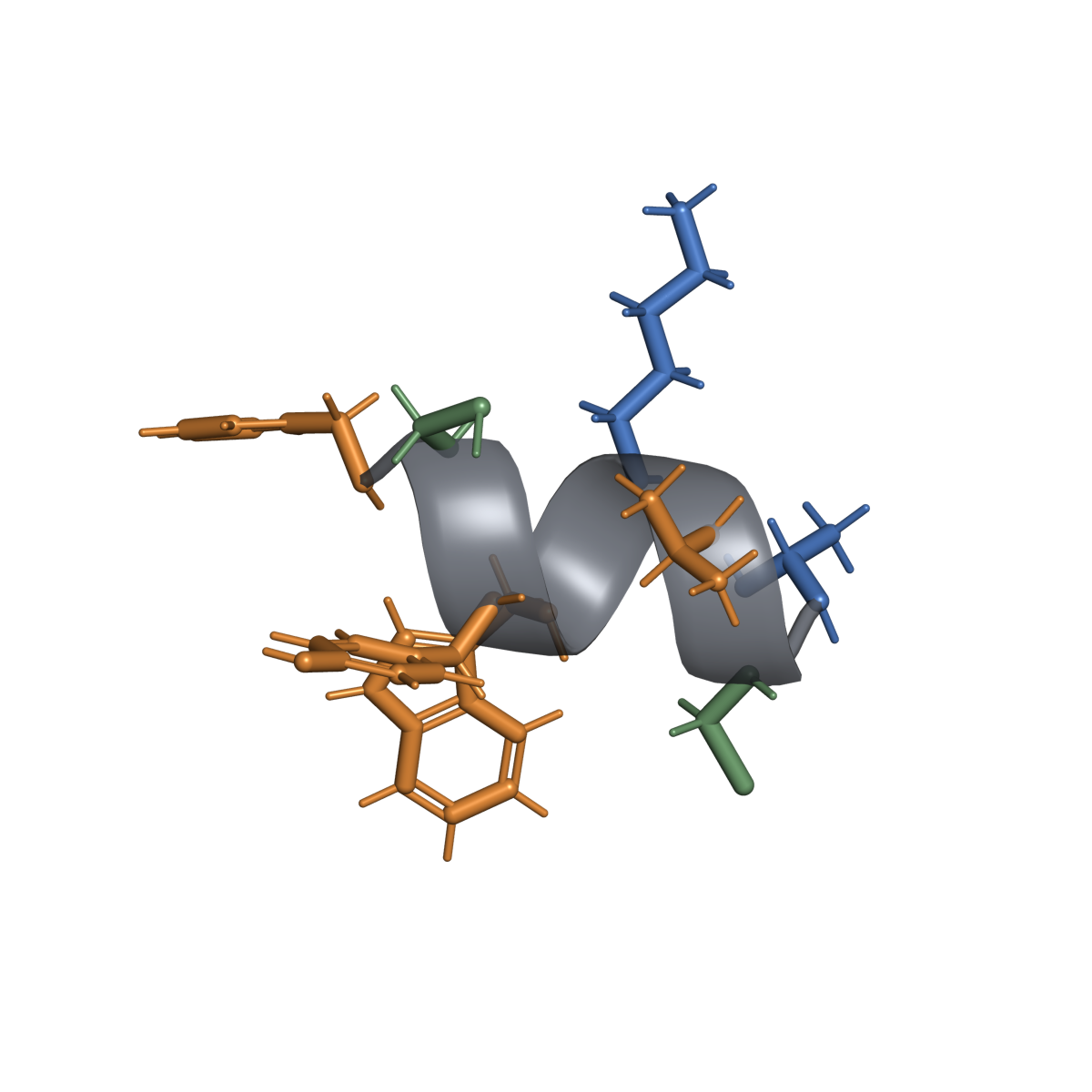
| Molecular/sequence identity | D-Nal-Cys-Tyr-D-Trp-Lys-Val-Cys-Thr-NH2 (octapeptide amide); disulfide bridge Cys2–Cys7; D-Nal = D-3-(2-naphthyl)alanyl |
| Modifications/form | Acetate salt; deep SC depot injection (Autogel, prefilled syringe) and IM microparticle formulation (Depot) |
| Stable identifiers | UNII: 0G3DE8943Y; The record number of a compound in PubChem, the atlas's primary structure-asset source. A registry record or depiction does not authenticate a commercial sample. مصدر التعريف: Identity and structure assets methodology · المسرد: 6918011; CAS: 108736-35-2 (base); DrugBank: DB09079 |
| Identity caveats | Distinct octapeptide from octreotide — uses D-Nal and Val substitutions. Sequence does not match native somatostatin. |
Development and approval status
| Jurisdiction | Status and indication | Product/source | As of |
|---|---|---|---|
| US (FDA) | Approved: acromegaly, Gastroenteropancreatic neuroendocrine tumor. مصدر التعريف: Lanreotide monograph (abbreviation expansion) · المسرد (unresectable, well- or moderately differentiated, locally advanced or metastatic), carcinoid syndrome | Somatuline Depot (Ipsen) — deep Administered into the tissue layer under the skin. مصدر التعريف: Neutral gloss; usage context: Routes, devices, and absorption primer · المسرد injection | Aug 2007; NET indication Dec 2014; carcinoid syndrome indication |
| EU/EEA (EMA) | Approved: acromegaly, GEP-NETs, TSH-secreting pituitary tumors | Somatuline Autogel | 2001 |
| UK (MHRA) | Approved: same indications | Somatuline Autogel | 2001 |
- UNITED STATES
- US (FDA): Approved: acromegaly, GEP-NETs (unresectable, well- or moderately differentiated, locally advanced or metastatic), carcinoid syndrome
- EU/EEA
- EU/EEA (EMA): Approved: acromegaly, GEP-NETs, TSH-secreting pituitary tumors
- UNITED KINGDOM
- UK (MHRA): Approved: same indications
- OTHER DOCUMENTED
- No OTHER DOCUMENTED row is present in the source status table
Sport status: WADA: Not prohibited.
Mechanism and pharmacology
Somatostatin receptor agonist with high affinity for SSTR2 (Kᵢ ~0.5–1.0 nM) and SSTR5 (Kᵢ ~0.5–1.0 nM); lower affinity for SSTR3. Inhibits GH and IGF-1 secretion, gastrointestinal peptide release, and tumor growth signaling. Suppresses TSH in TSH-secreting adenomas.
Evidence by claim
| Claim/indication | Stage | Grade | Best human evidence | Main result | Important limitations |
|---|---|---|---|---|---|
| Acromegaly | Approved | A | Phase 3 A study in which participants and investigators know what is administered. مصدر التعريف: Neutral gloss; usage context: Evidence grading methodology · المسرد and comparative studies | GH <2.5 ng/mL and normalized IGF-1 in ~60% | Not An inactive comparator used in a controlled study. مصدر التعريف: Neutral gloss; usage context: Evidence grading methodology · المسرد-controlled in registration |
| Gastroenteropancreatic neuroendocrine tumor. مصدر التعريف: Lanreotide monograph (abbreviation expansion) · المسرد (disease control) | Approved | A | CLARINET (Caplin M, et al. N Engl J Med. 2014;371:224–33. PMID: 25014687) | Median PFS not reached vs 18 mo placebo (HR 0.47) | Non-functioning tumors; Ki-67 <10%; placebo crossover permitted |
| Carcinoid syndrome | Approved (US) | A | ELECT (Vinik AI, et al. Endocr Relat Cancer. 2016;23(4):291–302. PMID: 26884601) | 49% reduction in octreotide rescue use (p=0.02) | Rescue medication design limits interpretation |
| TSH-secreting pituitary tumors | Approved (EU) | B | Case series | TSH suppression and tumor shrinkage reported | No randomized trial |
- Aالدرجة A: مثبت لاستخدام محدد مصرح به
- Bالدرجة B: أدلة بشرية معتدلة
- Cالدرجة C: أدلة بشرية أولية
- Dالدرجة D: ما قبل السريرية فقط
- Eالدرجة E: ادعاء قصصي/تسويقي
- Xالدرجة X: الأدلة تتعارض مع الادعاء أو لا تدعمه
Text alternative for the claim-evidence diagram. Each grade is defined below:
- A — Established for a specific labeled use
- 3 claims: Acromegaly; GEP-NET (disease control); Carcinoid syndrome
- B — Moderate human evidence
- 1 claim: TSH-secreting pituitary tumors
- C — Preliminary human evidence
- 0 claims
- D — Preclinical only
- 0 claims
- E — Anecdotal/marketing claim
- 0 claims
- X — Evidence contradicts or does not support the claim
- 0 claims
Key studies
| Study | Design/population | Exposure studied | Endpoints and result | Limitations |
|---|---|---|---|---|
| CLARINET | A study in which participants are assigned to the study material or a comparator by chance. مصدر التعريف: Neutral gloss; usage context: Evidence grading methodology · المسرد, N=204, non-functioning Gastroenteropancreatic neuroendocrine tumor. مصدر التعريف: Lanreotide monograph (abbreviation expansion) · المسرد (Ki-67 <10%) | Lanreotide Autogel 120 mg deep Administered into the tissue layer under the skin. مصدر التعريف: Neutral gloss; usage context: Routes, devices, and absorption primer · المسرد q4wk vs An inactive comparator used in a controlled study. مصدر التعريف: Neutral gloss; usage context: Evidence grading methodology · المسرد | Median PFS not reached vs 18 mo (HR 0.47, p=0.001) | Few pancreatic NETs; no active comparator |
| ELECT | RCT, N=115, carcinoid syndrome | Lanreotide Depot 120 mg deep SC q4wk vs placebo | 49% reduction in octreotide rescue use (p=0.02) | Rescue medication design limits interpretation |
Dose and administration evidence
Approved labeled regimen
The label summary below is product-, indication-, and jurisdiction-specific; consult the full current label and a licensed clinician/pharmacist.
Acromegaly — 90 mg deep Administered into the tissue layer under the skin. مصدر التعريف: Neutral gloss; usage context: Routes, devices, and absorption primer · المسرد q4wk initially, titrated based on GH/IGF-1 (range 60–120 mg). The labeled starting dose is 90 mg; the 60–120 mg range reflects dose adjustments, not the full approved range. Gastroenteropancreatic neuroendocrine tumor. مصدر التعريف: Lanreotide monograph (abbreviation expansion) · المسرد — 120 mg deep SC q4wk. Carcinoid syndrome — 120 mg deep SC q4wk. Administered into the superior external gluteal area by a healthcare professional.
Studied regimens (not recommendations)
CLARINET: lanreotide Autogel 120 mg deep SC q4wk.
ELECT: lanreotide Depot 120 mg deep SC q4wk.
What is not established
Efficacy in high-grade (Ki-67 >20%) or poorly differentiated NET.
Benefit in functioning pancreatic NET not evaluated in CLARINET.
No established role outside approved indications.
Safety
Established label risks
Gallbladder: Cholelithiasis (class effect). Monitoring recommended.
Metabolic: Hyper-/hypoglycemia.
Cardiovascular: Sinus bradycardia, QT prolongation risk.
GI: Diarrhea, nausea, steatorrhea.
Injection site: Pain, granuloma, abscess.
Other: Vitamin B12 decrease; mild TSH suppression.
Human-study signals
CLARINET: diarrhea 26%, cholelithiasis 10%, abdominal pain 14%.
Unknowns and product-quality risks
Long-term safety >2 years in NETs from controlled data.
No pediatric safety established.
Research-grade vials may not replicate Autogel formulation.
Interactions and special populations
Additive bradycardia with beta-blockers, CCBs.
May alter glucose control medications requirements.
No dose adjustment needed in renal impairment; hepatic impairment data limited.
Regulatory, compounding, and sport notes
The World Anti-Doping Agency; its Prohibited List classifies many peptides as prohibited substances in sport. مصدر التعريف: WADA and sport regulation brief · المسرد: Not prohibited.
Not scheduled under US CSA.
Autogel formulation unique — cannot be replicated by compounding.
Evidence gaps
Head-to-head comparison with octreotide LAR for NET disease control.
Efficacy in high-grade NETs.
Long-term safety and tolerability beyond 2 years.
Search notes
Databases and registries: DailyMed, PubMed, ClinicalTrials.gov, EMA EPAR
Search terms: lanreotide, Somatuline, CLARINET, acromegaly, neuroendocrine tumor
Last searched: 2026-08-06
Inclusion emphasis: Label, pivotal A study in which participants are assigned to the study material or a comparator by chance. مصدر التعريف: Neutral gloss; usage context: Evidence grading methodology · المسرد
Sources
Somatuline Depot (lanreotide) prescribing information. DailyMed. https://dailymed.nlm.nih.gov/dailymed/drugInfo.cfm?setid=6e4a41fd-a753-4362-87ee-8cc56ed3660d
Caplin ME, et al. Lanreotide in metastatic enteropancreatic neuroendocrine tumors (CLARINET). N Engl J Med. 2014;371(3):224–33. PMID: 25014687.
Electronic Medicines Compendium (UK). Somatuline Autogel 60 mg, 90 mg, 120 mg solution for injection in a pre-filled syringe (SmPC). https://www.medicines.org.uk/emc/product/8258/smpc
PubChem. Lanreotide. https://pubchem.ncbi.nlm.nih.gov/compound/6918011
Vinik AI, et al. ELECT study: lanreotide for carcinoid syndrome. Endocr Relat Cancer. 2016;23(4):291–302. PMID: 26884601.