Bottom line
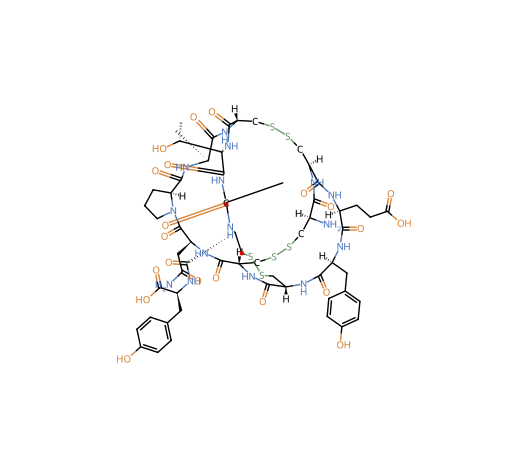
Linaclotide is a 14-amino-acid peptide guanylate cyclase-C (GC-C) agonist that acts locally in the gut without measurable oral absorption. Approved for irritable bowel syndrome with constipation (IBS-C) and chronic idiopathic constipation (CIC) in adults and pediatric patients. Three disulfide bridges confer stability in the GI tract. Approved for pediatric FC from age 2 and pediatric IBS-C from age 7. Contraindicated under age 2 (deaths from dehydration in neonatal mouse studies).
Identity and composition
| Field | Verified information |
|---|---|
| Preferred name | Linaclotide |
| Key aliases | Linzess (US), Constella (EU), MD-1100 |
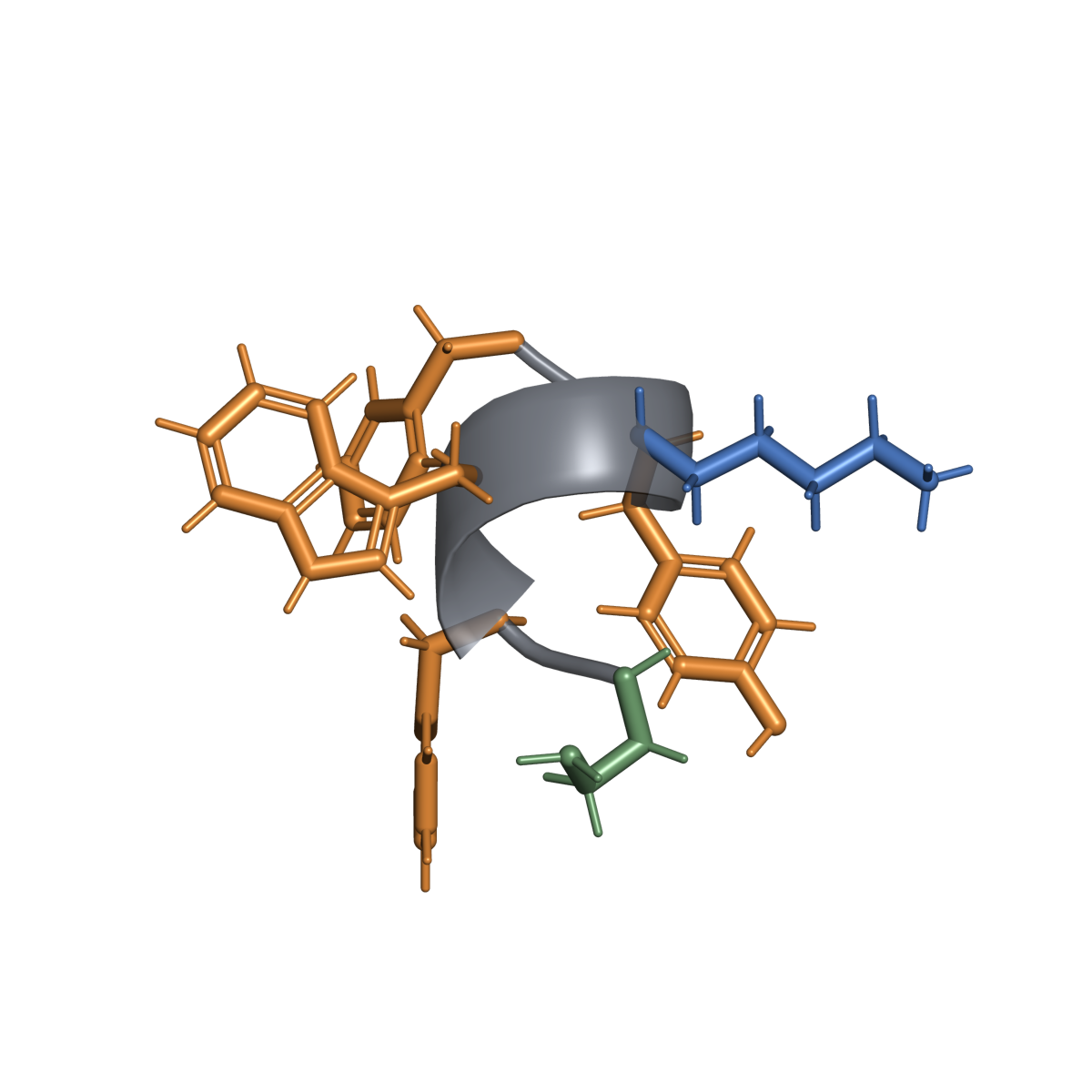
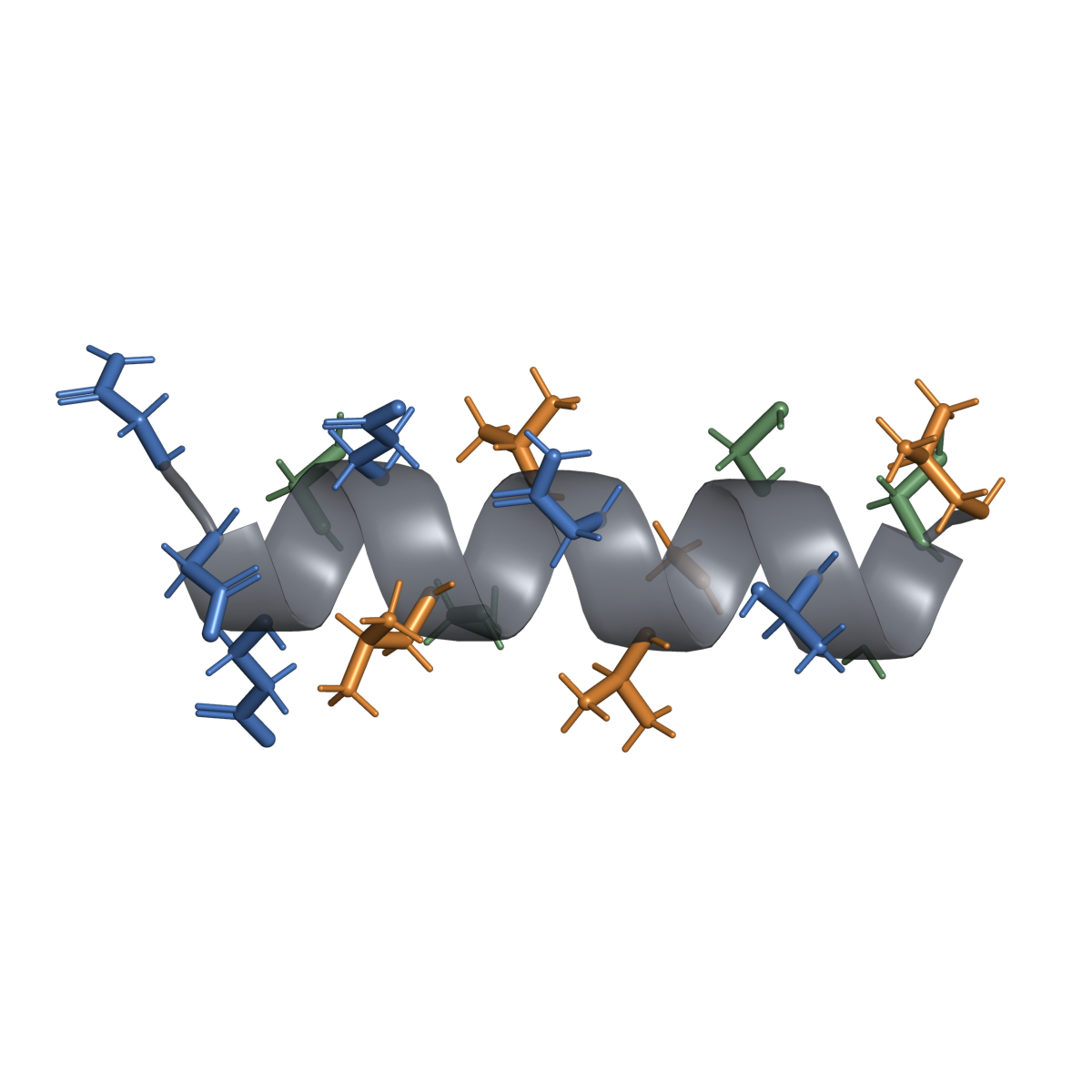
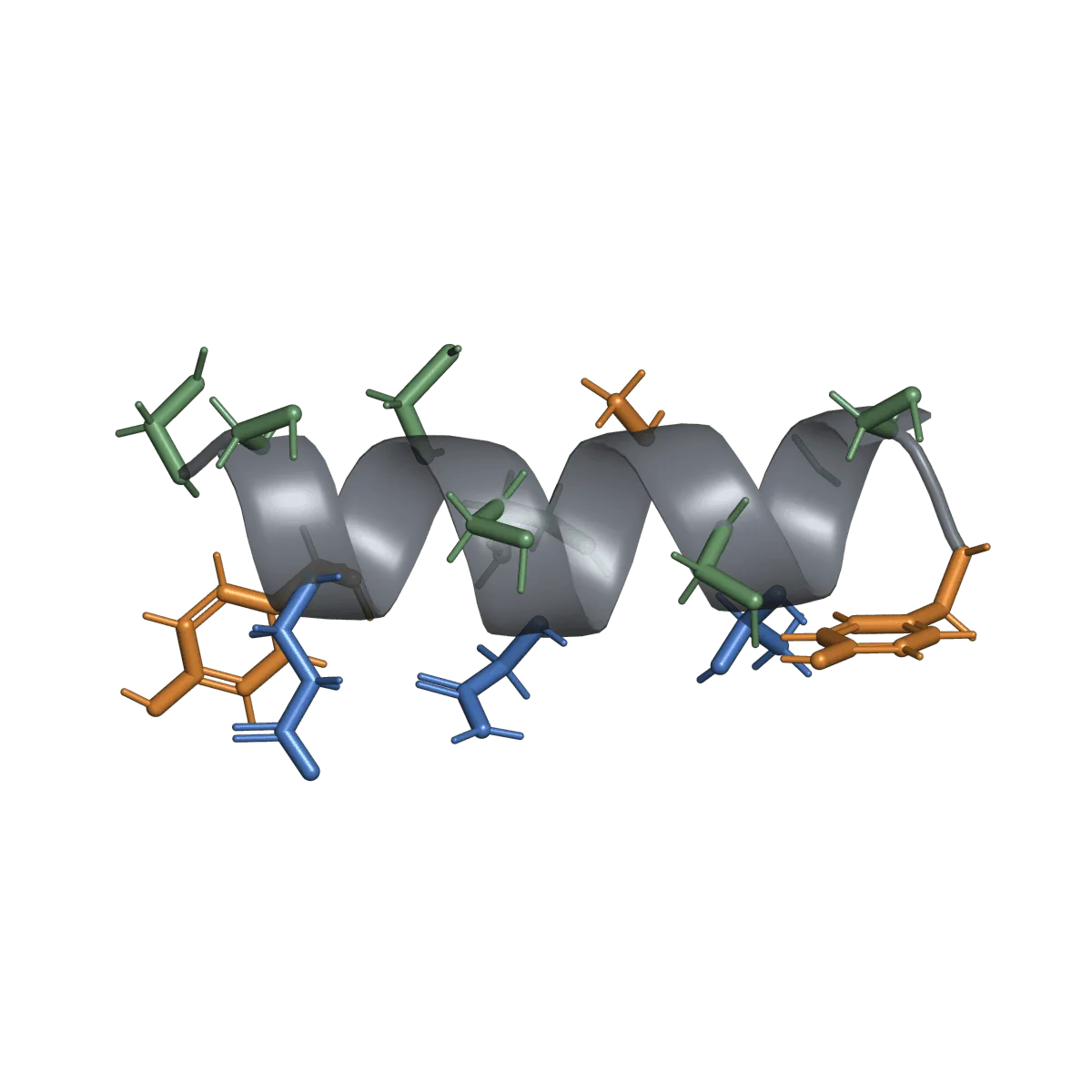
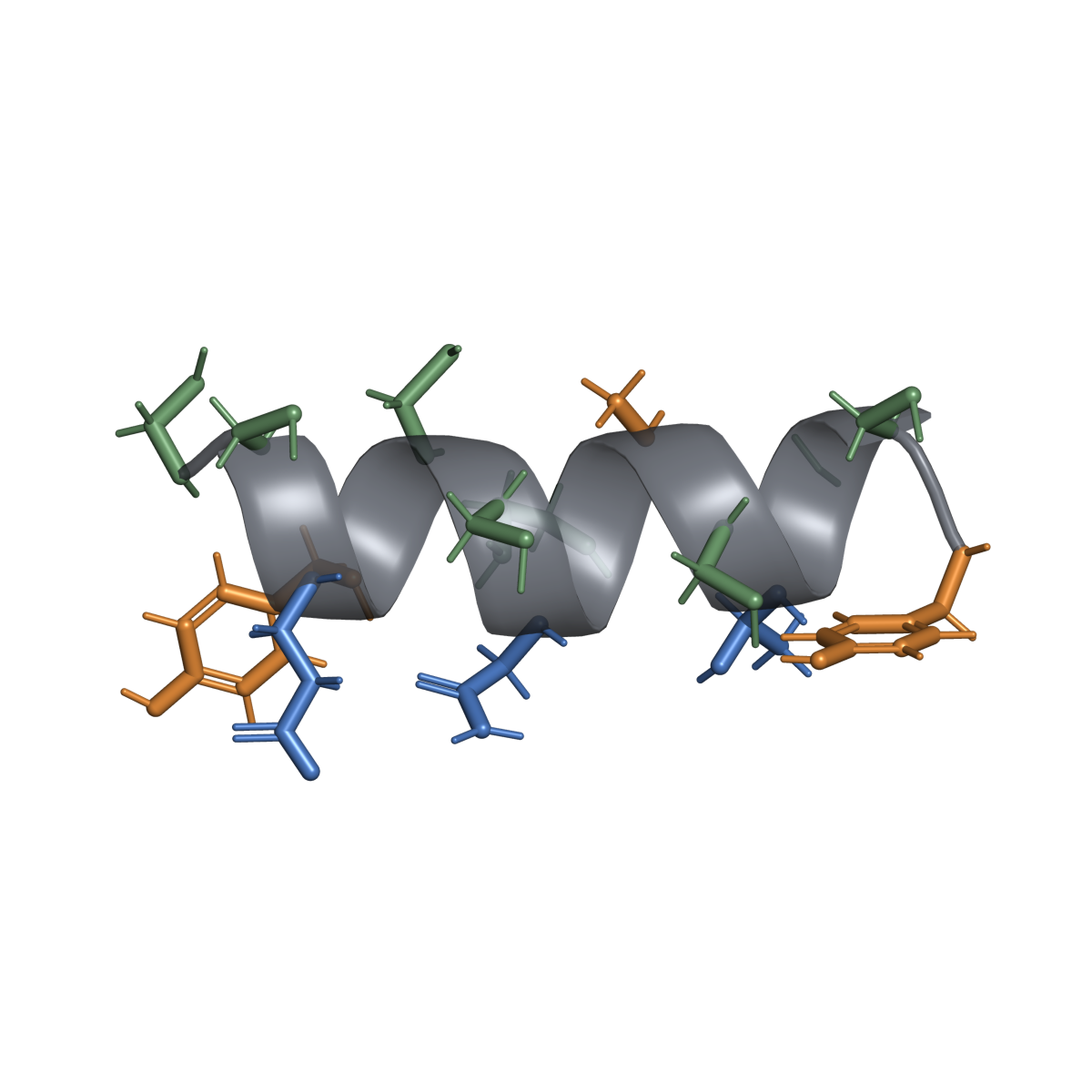
| Molecular/sequence identity | Cys-Cys-Glu-Tyr-Cys-Cys-Asn-Pro-Ala-Cys-Thr-Gly-Cys-Tyr (14 aa); three disulfide bridges (Cys1–Cys6, Cys2–Cys10, Cys5–Cys13) |
| Modifications/form | Acetate salt; oral capsules (coated beads) |
| Stable identifiers | UNII: N0TXR0XR5X; The record number of a compound in PubChem, the atlas's primary structure-asset source. A registry record or depiction does not authenticate a commercial sample. 定义来源: Identity and structure assets methodology · 术语表: 16158208; CAS: 851199-59-2 (base); DrugBank: DB08890 |
| Identity caveats | Structurally similar to heat-stable enterotoxin (STa) of E. coli; analog of An entry with substantial scientific visibility or identity value. Biological rationale and non-human evidence do not establish patient benefit. 定义来源: Scope and selection methodology · 术语表 guanylin. |
Development and approval status
| Jurisdiction | Status and indication | Product/source | As of |
|---|---|---|---|
| US (FDA) | Approved: IBS-C (adults 290 mcg, pediatric 145 mcg from age 7); CIC/FC (adults 145/72 mcg, pediatric FC 72 mcg from age 2) | Linzess (Ironwood/AbbVie) | Aug 2012; pediatric FC age 2+ 2023; pediatric IBS-C age 7+ 2024 |
| EU/EEA (EMA) | Approved: IBS-C (290 mcg) | Constella (Allergan) | Nov 2012 |
| UK (MHRA) | Approved: IBS-C (290 mcg) | Constella | 2012 |
- UNITED STATES
- US (FDA): Approved: IBS-C (adults 290 mcg, pediatric 145 mcg from age 7); CIC/FC (adults 145/72 mcg, pediatric FC 72 mcg from age 2)
- EU/EEA
- EU/EEA (EMA): Approved: IBS-C (290 mcg)
- UNITED KINGDOM
- UK (MHRA): Approved: IBS-C (290 mcg)
- OTHER DOCUMENTED
- No OTHER DOCUMENTED row is present in the source status table
Sport status: WADA: Not prohibited.
Mechanism and pharmacology
Guanylate cyclase-C (GC-C) agonist. Binds to the extracellular domain of GC-C on intestinal epithelial cells, increasing intracellular and extracellular cGMP. Intracellular cGMP activates CFTR, leading to chloride and bicarbonate secretion into the lumen. Accelerates colonic transit, increases intestinal fluid, and reduces visceral pain signals via cGMP-mediated nociceptor desensitization. Negligible oral absorption (<0.1% of administered dose).
Evidence by claim
| Claim/indication | Stage | Grade | Best human evidence | Main result | Important limitations |
|---|---|---|---|---|---|
| IBS-C (adults) | Approved | A | Phase 3 trials 31 and 302 (Quigley EM, et al. Aliment Pharmacol Ther. 2013;37:49–61. PMID: 23116208) | 290 mcg QD: composite responder 33–34% vs 14–21% An inactive comparator used in a controlled study. 定义来源: Neutral gloss; usage context: Evidence grading methodology · 术语表 (p<0.001) | Modest placebo-adjusted response ~12% |
| CIC (adults) | Approved | A | Phase 3 trials 01, 303 | 145 mcg: ≥3 CSBM/week increase in 16–21% vs 6–7% placebo | Diarrhea-related discontinuation |
| Pediatric FC (2–17 yr) | Approved | A | Phase 3 (NCT04026113, NCT05088573) | 72 mcg improved stool frequency vs placebo in FC from age 2 | Safety and efficacy established from age 2 |
| Pediatric IBS-C (7–17 yr) | Approved | B | Phase 3 (NCT05167058) | 145 mcg improved abdominal pain and stool frequency vs placebo | Approved from age 7; limited published data |
Text alternative for the claim-evidence diagram. Each grade is defined below:
- A — Established for a specific labeled use
- 3 claims: IBS-C (adults); CIC (adults); Pediatric FC (2–17 yr)
- B — Moderate human evidence
- 1 claim: Pediatric IBS-C (7–17 yr)
- C — Preliminary human evidence
- 0 claims
- D — Preclinical only
- 0 claims
- E — Anecdotal/marketing claim
- 0 claims
- X — Evidence contradicts or does not support the claim
- 0 claims
Key studies
| Study | Design/population | Exposure studied | Endpoints and result | Limitations |
|---|---|---|---|---|
| Trial 31 (NCT00948818) | A study in which participants are assigned to the study material or a comparator by chance. 定义来源: Neutral gloss; usage context: Evidence grading methodology · 术语表, N=803, IBS-C (Rome III), 12 wk | Linaclotide 290 mcg QD vs An inactive comparator used in a controlled study. 定义来源: Neutral gloss; usage context: Evidence grading methodology · 术语表 | Composite responder 33% vs 14% (p<0.001) | Abdominal response primary; no Rome Administered into a vein. 定义来源: Neutral gloss; usage context: Routes, devices, and absorption primer · 术语表 criteria |
| Trial 302 (NCT00938717) | RCT, N=805, IBS-C (Rome III), 26 wk | Linaclotide 290 mcg QD vs placebo | Composite responder 34% vs 21% (p<0.001) | 26-wk maintenance; high placebo response |
| Trial 01 (NCT00765882) | RCT, N=630, CIC, 12 wk | Linaclotide 145, 290 mcg vs placebo | 12-wk CSBM: 16–21% vs 6% (p<0.001) | Dose not separated for CIC |
Dose and administration evidence
Approved labeled regimen
The label summary below is product-, indication-, and jurisdiction-specific; consult the full current label and a licensed clinician/pharmacist.
IBS-C (adults): 290 mcg PO once daily on empty stomach (US, EU). CIC (adults): 145 mcg PO once daily (US, 72 mcg available for tolerability). Pediatric FC (2–17 yr): 72 mcg PO once daily (US) — approved since 2023 for functional constipation from age 2. Pediatric IBS-C (7–17 yr): 145 mcg PO once daily (US) — approved since 2024 from age 7. Capsules may be opened and mixed with applesauce or liquid for administration.
Studied regimens (not recommendations)
290 mcg dose studied for both IBS-C and CIC (higher diarrhea rate in CIC studies).
What is not established
Use in opioid-induced constipation.
Long-term efficacy >1 year in controlled settings.
No established or recommended human dose for any other indication.
Safety
Established label risks
Contraindicated in pediatric patients under 2 years (deaths from dehydration occurred in neonatal mice).
Children 2–6 years: Approved for FC from age 2; not recommended for IBS-C (safety not established in this age group).
Children 6–17 years: Approved for FC (age 2+) and IBS-C (age 7+) in US.
Diarrhea: Most common AE (~20%); severe diarrhea reported (~2%); suspend and rehydrate.
GI obstruction: Contraindicated in mechanical obstruction.
Human-study signals
IBS-C trials: diarrhea 20% linaclotide vs 3% An inactive comparator used in a controlled study. 定义来源: Neutral gloss; usage context: Evidence grading methodology · 术语表; 5% discontinued due to diarrhea.
Unknowns and product-quality risks
Long-term malignancy risk with chronic cGMP modulation (theoretical).
No data in pregnancy or breastfeeding.
Interactions and special populations
No clinically relevant drug-drug interactions (minimal absorption).
NSAIDs may reduce efficacy (Evidence from in vitro or animal studies with no adequate human efficacy evidence — the atlas Grade D lane. 定义来源: Evidence grading methodology · 术语表 data).
Pregnancy: no adequate human data; animal studies no harm at clinical exposures.
Regulatory, compounding, and sport notes
The World Anti-Doping Agency; its Prohibited List classifies many peptides as prohibited substances in sport. 定义来源: WADA and sport regulation brief · 术语表: Not prohibited.
Not scheduled under US CSA.
Contraindicated in pediatric patients under 2 years (not a boxed warning, but a contraindication in the label).
Research peptide vials are not equivalent to the encapsulated formulation.
Evidence gaps
Head-to-head comparison with plecanatide or lubiprostone.
Mechanism of visceral pain reduction in humans.
Long-term pediatric safety data.
Search notes
Databases and registries: DailyMed, PubMed, ClinicalTrials.gov, EMA EPAR
Search terms: linaclotide, Linzess, Constella, IBS-C, chronic constipation, GC-C agonist
Last searched: 2026-08-06
Inclusion emphasis: Regulatory labels, pivotal phase 3 trials
Sources
Linzess (linaclotide) prescribing information. DailyMed. https://dailymed.nlm.nih.gov/dailymed/drugInfo.cfm?setid=09beda19-56d6-4a56-afdc-9a77b70b2ef3
Quigley EM, et al. Linaclotide for IBS-C: Phase 3 trials. Aliment Pharmacol Ther. 2013;37(1):49–61. PMID: 23116208.
Lembo AJ, et al. Linaclotide for CIC: Phase 3. N Engl J Med. 2011;365(6):527–36. PMID: 21830967.
EMA. Constella EPAR. https://www.ema.europa.eu/en/medicines/human/EPAR/constella
PubChem. Linaclotide. https://pubchem.ncbi.nlm.nih.gov/compound/16158208