Bottom line
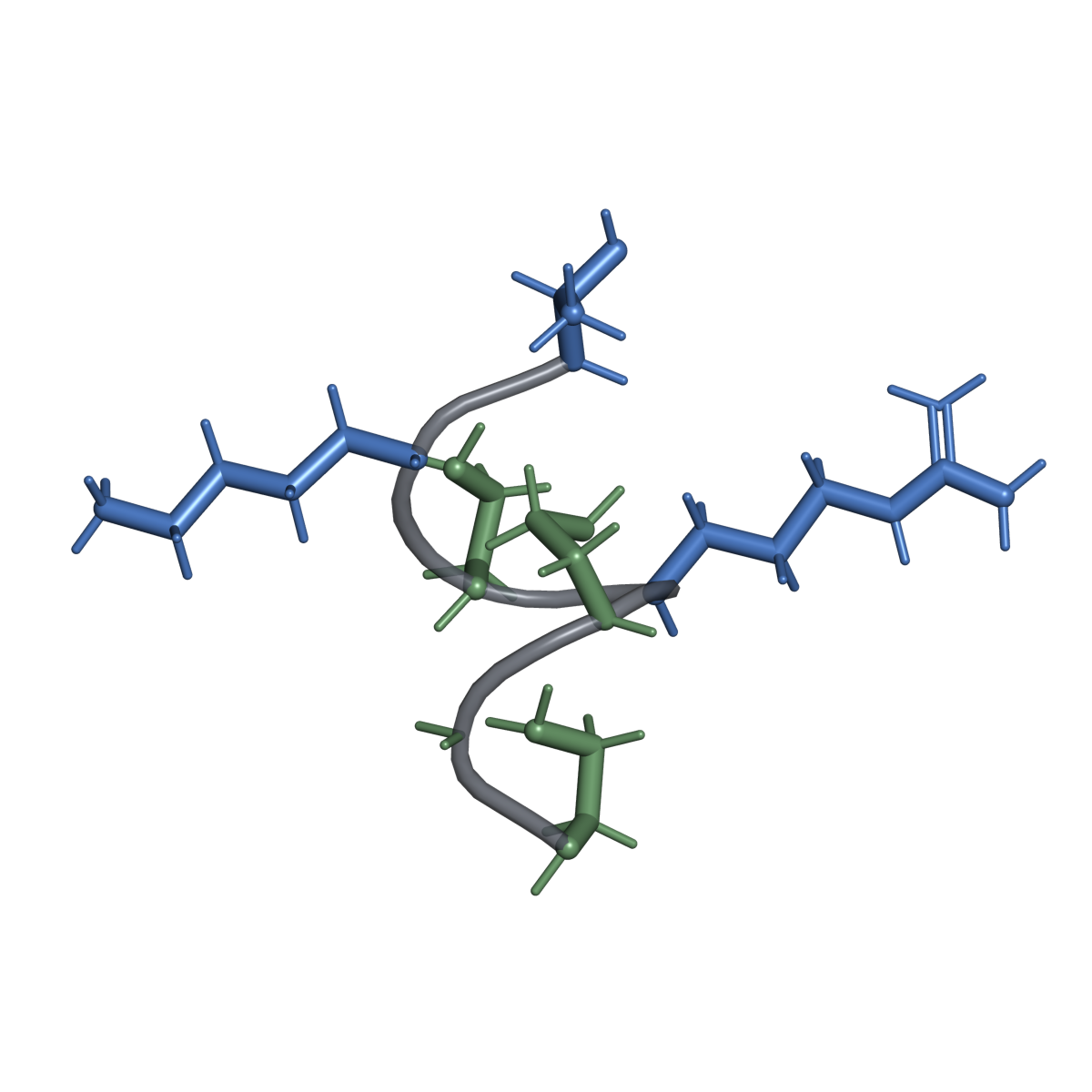
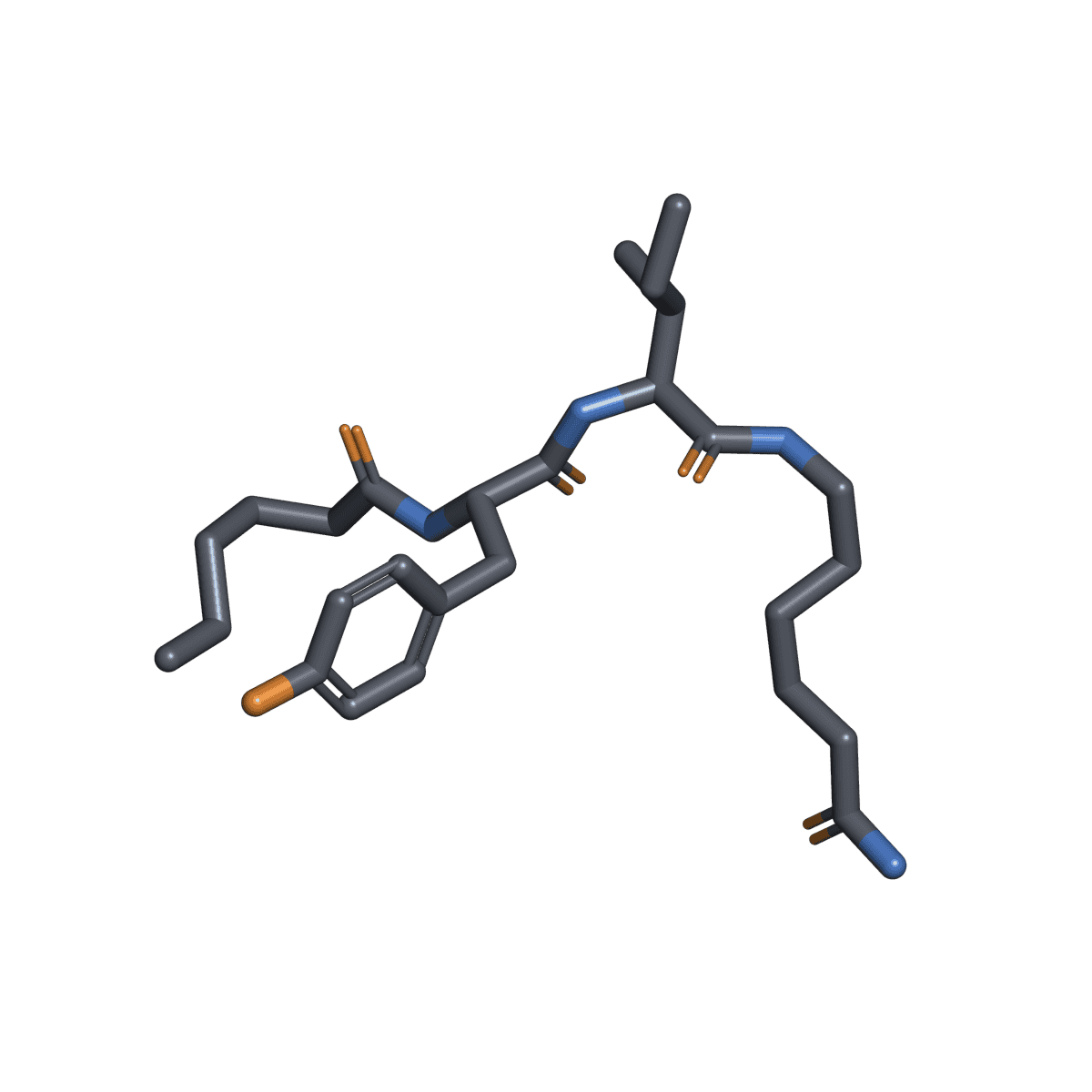
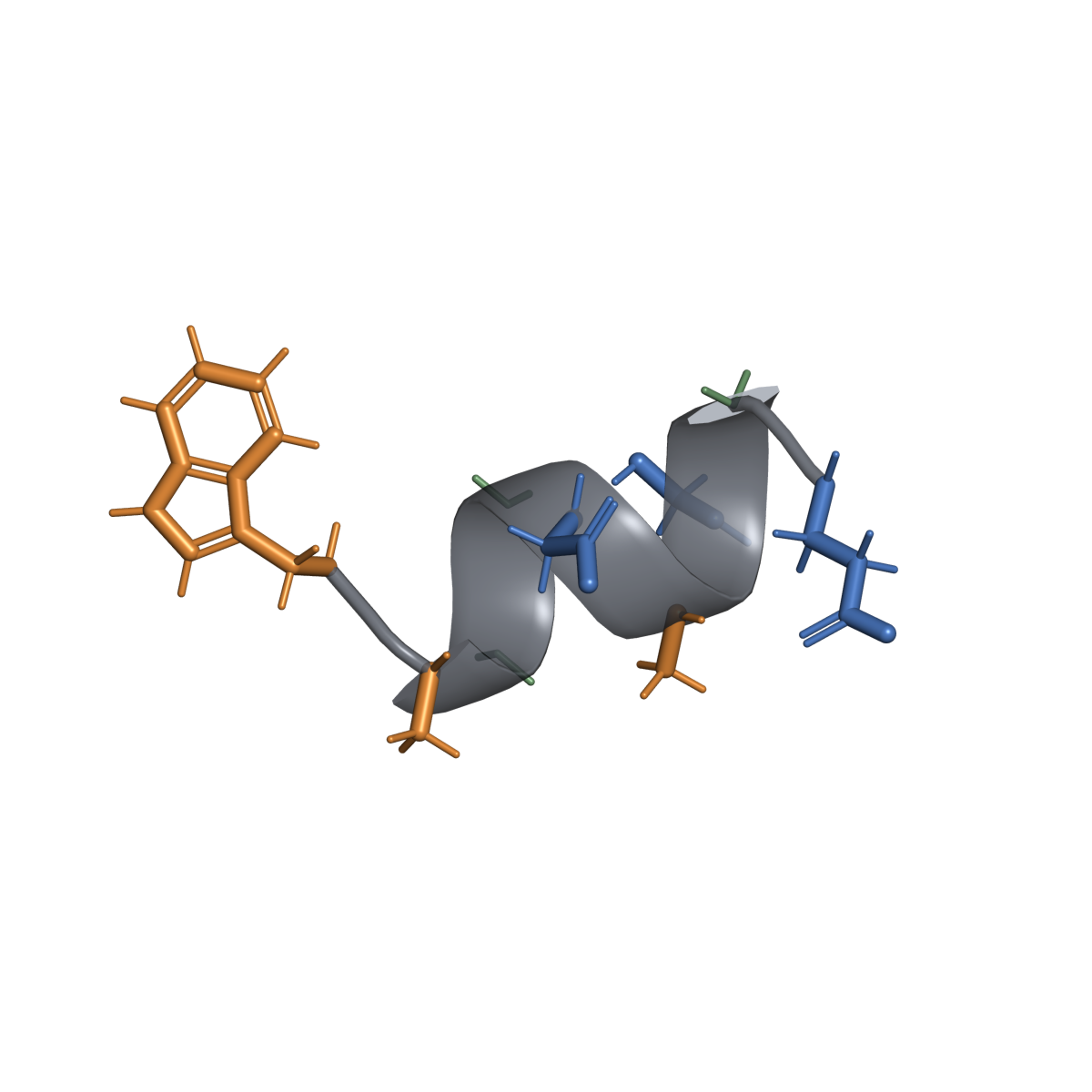
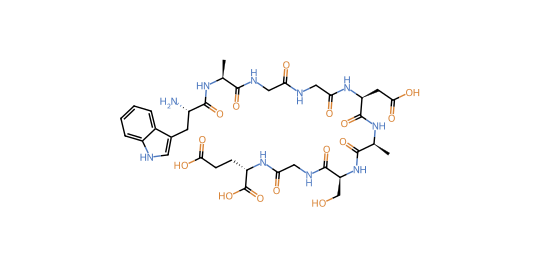
DSIP (Trp-Ala-Gly-Gly-Asp-Ala-Ser-Gly-Glu) is a nonapeptide first isolated from rabbit brain in the 1970s and reported to promote delta-wave EEG sleep. Despite decades of study, no gene encoding the peptide has been identified, no receptor has been cloned, and modern evidence for its An entry with substantial scientific visibility or identity value. Biological rationale and non-human evidence do not establish patient benefit. Источник определения: Scope and selection methodology · Глоссарий occurrence is weak. Small human studies from the 1980s showed mixed results with no convincing therapeutic benefit. No FDA-approved product or EMA-authorized medicine was identified as of 2026-08-06; status elsewhere requires a current national-register check.
Identity and composition
| Field | Verified information |
|---|---|
| Preferred name | Delta sleep-inducing peptide |
| Key aliases | DSIP, Emideltide (INN), delta-sleep peptide, WAGGDASGE |
| Molecular/sequence identity | H-L-Trp-L-Ala-L-Gly-L-Gly-L-Asp-L-Ala-L-Ser-L-Gly-L-Glu-OH (nonapeptide) |
| Modifications/form | Linear peptide; C-terminal free acid; no disulfide bridges |
| Stable identifiers | CAS 62568-57-4; The record number of a compound in PubChem, the atlas's primary structure-asset source. A registry record or depiction does not authenticate a commercial sample. Источник определения: Identity and structure assets methodology · Глоссарий 68816; UNII YN28Z5YZ73; ChEMBL CHEMBL2104403; MeSH D003701 |
| Identity caveats | An entry with substantial scientific visibility or identity value. Biological rationale and non-human evidence do not establish patient benefit. Источник определения: Scope and selection methodology · Глоссарий status is disputed — no gene identified, no receptor cloned; reported DSIP-like immunoreactivity in brain/plasma may represent precursor-bound or structurally related peptides rather than the exact nonapeptide sequence; the 2006 review by Kovalzon & Mendius found "no strong evidence of the natural occurrence of DSIP" |
Development and approval status
| Jurisdiction | Status and indication | Product/source | As of |
|---|---|---|---|
| FDA (US) | No approved product identified; public sources do not establish whether a confidential IND was filed | — | 2026-08 |
| EMA (EU) | Not approved | — | 2026-08 |
| Other jurisdictions | Status requires a current national-register check | — | 2026-08 |
- UNITED STATES
- FDA (US): No approved product identified; public sources do not establish whether a confidential IND was filed
- EU/EEA
- EMA (EU): Not approved
- UNITED KINGDOM
- No UNITED KINGDOM row is present in the source status table
- OTHER DOCUMENTED
- Other jurisdictions: Status requires a current national-register check
Sport status: WADA: DSIP/emideltide is not explicitly named in the 2026 List. S0 would prohibit it at all times only if both conditions in S0 are met: the substance is not addressed by a later section of the List and it has no current approval by any governmental regulatory health authority for human therapeutic use.
Mechanism and pharmacology
The mechanism of DSIP is unknown as no receptor has been identified. Early studies proposed modulation of MAO-A, interaction with opiate receptors, and effects on neurotransmitter levels, circadian regulation, and stress response. The 2006 review notes that "the link between DSIP and sleep has never been further characterised, in part because of the lack of isolation of the DSIP gene and protein and a possibly related receptor." Metabolically stabilised analogues (with D-amino acid substitutions) show stronger sleep-promoting activity than native DSIP, suggesting rapid N-terminal Trp cleavage by aminopeptidases is the primary inactivation route in vivo.
Evidence by claim
| Claim/indication | Stage | Grade | Best human evidence | Main result | Important limitations |
|---|---|---|---|---|---|
| An entry with substantial scientific visibility or identity value. Biological rationale and non-human evidence do not establish patient benefit. Источник определения: Scope and selection methodology · Глоссарий peptide | Discovery | D | None | No gene or receptor identified; DSIP-like IR detected by antibody | Antibody cross-reactivity possible; Kovalzon 2006 review |
| Sleep induction (human) | Research | C | Schneider-Helmert 1983 (n=16) | No "major therapeutic benefit" concluded | Underpowered; mixed results |
| Insomnia treatment | Research | E | Single Neither participants nor investigators know who receives the study material or the comparator. Источник определения: Neutral gloss; usage context: Evidence grading methodology · Глоссарий (n=16) | Weak, inconclusive | No replication; PMID 1299794 |
| Opioid withdrawal | Research | E | A study in which participants and investigators know what is administered. Источник определения: Neutral gloss; usage context: Evidence grading methodology · Глоссарий (n=49, 1984) | 48/49 reported benefit per investigator | No control group; PMID 6328354 |
- AУровень A: Установлен для конкретного зарегистрированного применения
- BУровень B: Умеренные данные на людях
- CУровень C: Предварительные данные на людях
- DУровень D: Только доклинические
- EУровень E: Анекдотическое/маркетинговое утверждение
- XУровень X: Данные противоречат утверждению или не подтверждают его
Text alternative for the claim-evidence diagram. Each grade is defined below:
- A — Established for a specific labeled use
- 0 claims
- B — Moderate human evidence
- 0 claims
- C — Preliminary human evidence
- 1 claim: Sleep induction (human)
- D — Preclinical only
- 1 claim: Endogenous peptide
- E — Anecdotal/marketing claim
- 2 claims: Insomnia treatment; Opioid withdrawal
- X — Evidence contradicts or does not support the claim
- 0 claims
Key studies
| Study | Design/population | Exposure studied | Endpoints and result | Limitations |
|---|---|---|---|---|
| Schneider-Helmert & Schoenenberger 1983 | Neither participants nor investigators know who receives the study material or the comparator. Источник определения: Neutral gloss; usage context: Evidence grading methodology · Глоссарий chronic insomnia (n=16) | 25 nmol/kg Administered into a vein. Источник определения: Neutral gloss; usage context: Routes, devices, and absorption primer · Глоссарий | No convincing sleep benefit; "not likely major therapeutic benefit" | Small; PMID 1299794 |
| Schneider-Helmert 1984 | A study in which participants and investigators know what is administered. Источник определения: Neutral gloss; usage context: Evidence grading methodology · Глоссарий withdrawal (n=49) | — | 48/49 claimed improvement | No control; unblinded; PMID 6328354 |
| Kovalzon & Mendius 2006 | Comprehensive review | — | An entry with substantial scientific visibility or identity value. Biological rationale and non-human evidence do not establish patient benefit. Источник определения: Scope and selection methodology · Глоссарий status and mechanism not supported | Review article; PMID 16899082 |
Dose and administration evidence
Approved labeled regimen
No established or recommended human dose.
Studied regimens (not recommendations)
1980s studies used 25 nmol/kg Administered into a vein. Источник определения: Neutral gloss; usage context: Routes, devices, and absorption primer · Глоссарий. No How a substance is absorbed, distributed, metabolized, and eliminated by the body; atlas pages report pharmacokinetic data such as half-life, metabolism, and clearance. Источник определения: Neutral gloss; usage context: Routes, devices, and absorption primer · Глоссарий data support extrapolation to any other route or dose.
What is not established
Any safe or effective human dose
Oral The fraction of an administered amount that reaches systemic circulation; for the intravenous route the atlas notes bioavailability is defined as complete. Источник определения: Neutral gloss; usage context: Routes, devices, and absorption primer · Глоссарий (not studied)
Intranasal or Administered into the tissue layer under the skin. Источник определения: Neutral gloss; usage context: Routes, devices, and absorption primer · Глоссарий pharmacokinetics
Duration of effect
Safety
Established label risks
No regulatory safety assessment exists.
Human-study signals
No significant adverse events reported in the small 1980s-era studies. FDA flagged theoretical immunogenicity risk for certain routes based on the PCAC review process.
Unknowns and product-quality risks
All standard toxicology dimensions are absent: no acute, chronic, reproductive, or mutagenicity studies meeting current standards. Research-chemical products lack identity verification, purity standards, sterility assurance, and batch consistency. On July 24, 2026, PCAC separately voted 7-6 against recommending emideltide free base and emideltide acetate for inclusion on the Sections of the US Food, Drug, and Cosmetic Act covering traditional compounding exemptions (503A) and outsourcing-facility compounding (503B). Under 503A, qualification conditions include a patient-specific prescription requirement; under 503B, conditions cover facility registration and bulk-substance eligibility. Источник определения: United States regulation brief · Глоссарий Bulks List. The advisory votes were nonbinding and were not a final FDA determination.
Interactions and special populations
No data exist. All dimensions are unknown.
Regulatory, compounding, and sport notes
The World Anti-Doping Agency; its Prohibited List classifies many peptides as prohibited substances in sport. Источник определения: WADA and sport regulation brief · Глоссарий: DSIP/emideltide is not explicitly named in the 2026 List. WADA Prohibited List class S0 (non-approved substances): pharmacological substances not addressed elsewhere in the list and with no current approval by any governmental regulatory health authority for human therapeutic use. Источник определения: WADA and sport regulation brief · Глоссарий would prohibit it at all times only if both conditions in S0 are met: the substance is not addressed by a later section of the List and it has no current approval by any governmental regulatory health authority for human therapeutic use.
US DEA: not scheduled
PCAC July 24, 2026: separate 7-6 advisory votes against recommending emideltide free base and emideltide acetate for the Sections of the US Food, Drug, and Cosmetic Act covering traditional compounding exemptions (503A) and outsourcing-facility compounding (503B). Under 503A, qualification conditions include a patient-specific prescription requirement; under 503B, conditions cover facility registration and bulk-substance eligibility. Источник определения: United States regulation brief · Глоссарий Bulks List; these were not final FDA determinations
No FDA-approved product or EMA-authorized medicine was identified as of 2026-08-06. Approval status in all other jurisdictions was not exhaustively established; athletes should check current national registers and seek a substance-specific determination from the relevant anti-doping organization.
Evidence gaps
No gene or receptor identified after 50+ years of research
No modern How a substance is absorbed, distributed, metabolized, and eliminated by the body; atlas pages report pharmacokinetic data such as half-life, metabolism, and clearance. Источник определения: Neutral gloss; usage context: Routes, devices, and absorption primer · Глоссарий or pharmacodynamic studies
No An inactive comparator used in a controlled study. Источник определения: Neutral gloss; usage context: Evidence grading methodology · Глоссарий-controlled trials meeting current clinical trial standards
No publicly documented formal development pathway was identified
An entry with substantial scientific visibility or identity value. Biological rationale and non-human evidence do not establish patient benefit. Источник определения: Scope and selection methodology · Глоссарий identity remains unconfirmed
No independent replication of 1980s human studies
Search notes
Databases and registries: PubMed, PubChem, MeSH, NCATS Inxight, FDA PCAC docket
Search terms: DSIP, delta sleep inducing peptide, emideltide, 62568-57-4, Kovalzon
Last searched: 2026-08-06
Inclusion emphasis: human studies, systematic reviews, identity databases, regulatory proceedings
Sources
PubChem CID 68816. https://pubchem.ncbi.nlm.nih.gov/compound/68816
Kovalzon VM, Mendius ML (2006) J Neurochem. PMID 16899082
Schneider-Helmert D, Schoenenberger GA (1983) Eur Neurol. PMID 1299794
Schneider-Helmert D (1984) Pharmacopsychiatry. PMID 6328354
FDA Substance Registration System. UNII YN28Z5YZ73. https://precision.fda.gov/uniisearch/srs/unii/YN28Z5YZ73
FDA. July 23-24, 2026 Pharmacy Compounding Advisory Committee meeting page, agenda, materials, and official webcast links. https://www.fda.gov/advisory-committees/advisory-committee-calendar/july-23-24-2026-meeting-pharmacy-compounding-advisory-committee-07232026 Official July 24 webcast: https://www.youtube.com/watch?v=xXM5ecHxlMU
WADA. 2026 Prohibited List, section S0. https://www.wada-ama.org/sites/default/files/2025-09/2026list_en_final_clean_september_2025.pdf