Bottom line
Bivalirudin is a synthetic 20-amino-acid bivalent direct thrombin inhibitor that binds reversibly to both the active site and exosite 1 of thrombin. FDA-approved for PCI with provisional use of GPI and for patients with heparin-induced thrombocytopenia (HIT/HITTS) undergoing PCI. In the EU, the Angiox marketing authorization was withdrawn in 2018 at the MAH's request. Compared with heparin+GPI in the REPLACE-2 trial, bivalirudin+GPI-provisional showed similar ischemic outcomes with less major bleeding.
Identity and composition
| Field | Verified information |
|---|---|
| Preferred name | Bivalirudin |
| Key aliases | Angiomax, Angiox, bivalirudin trifluoroacetate |
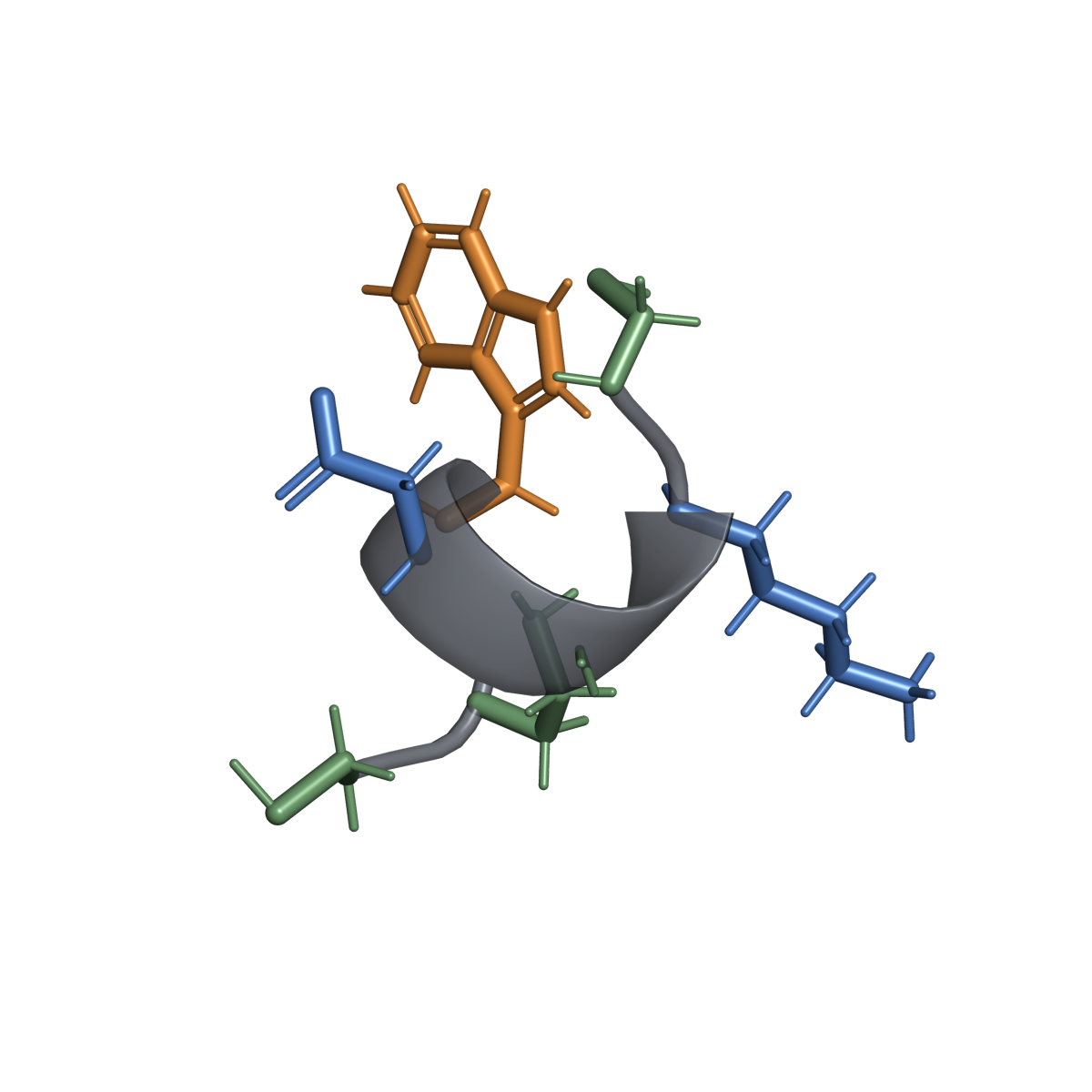
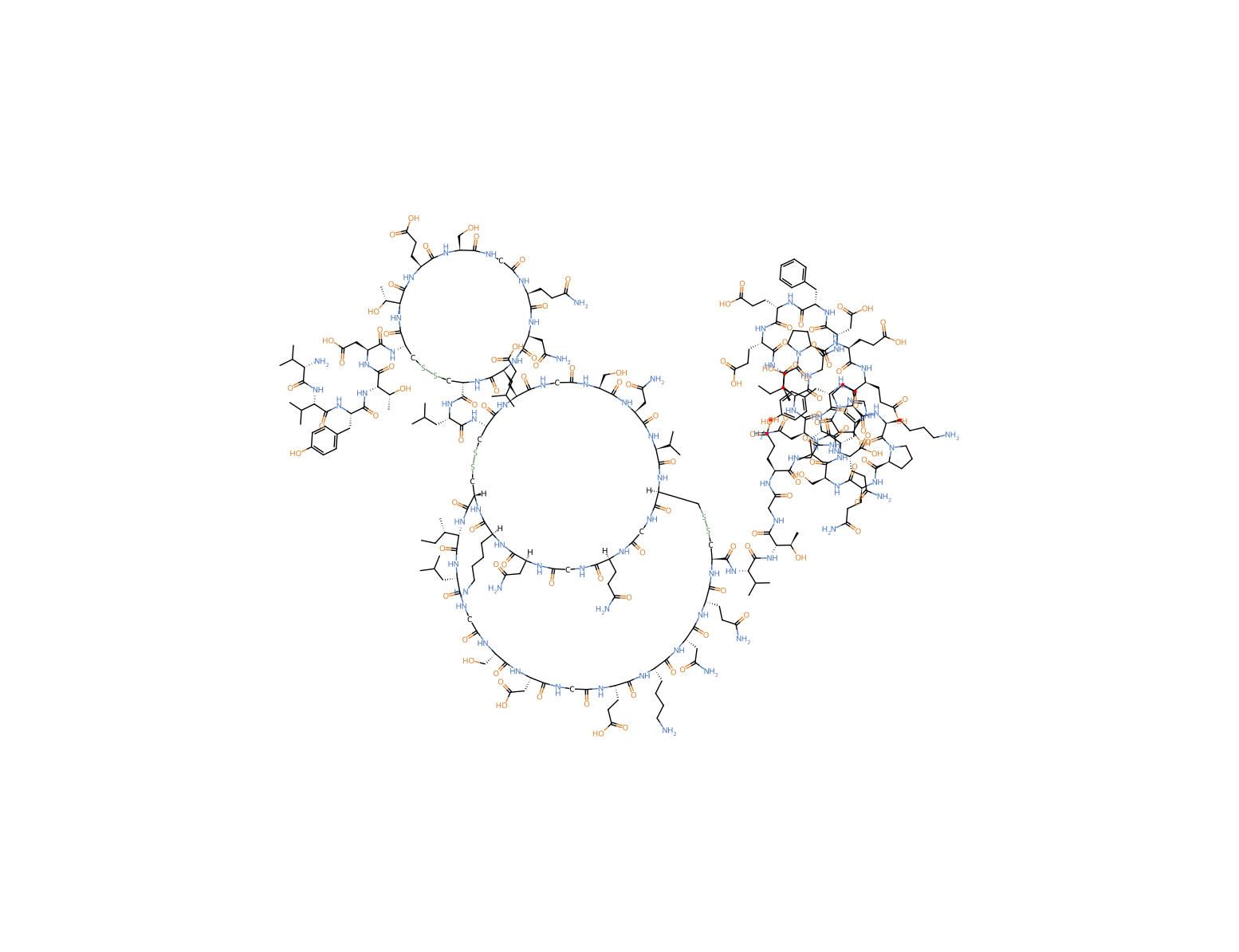
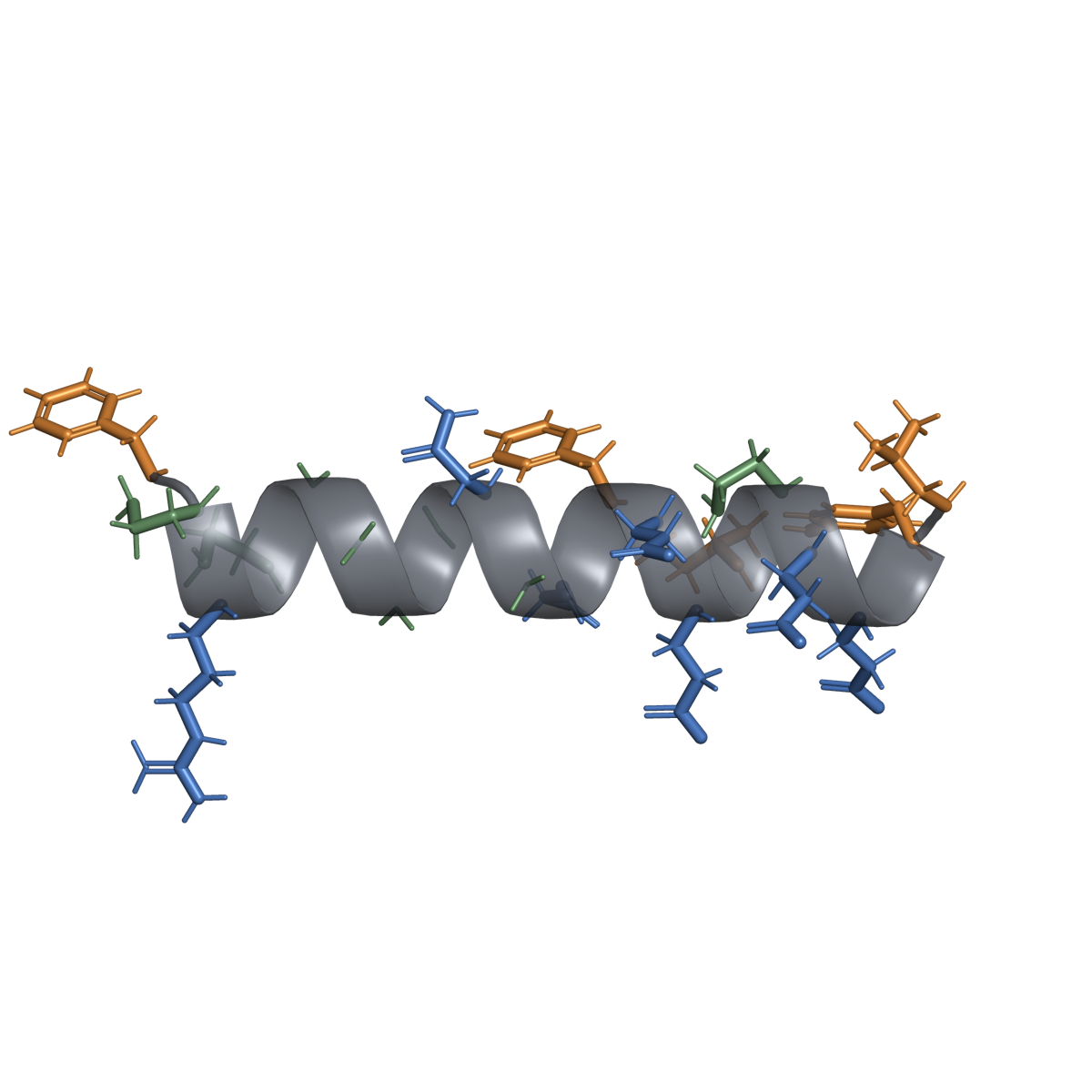
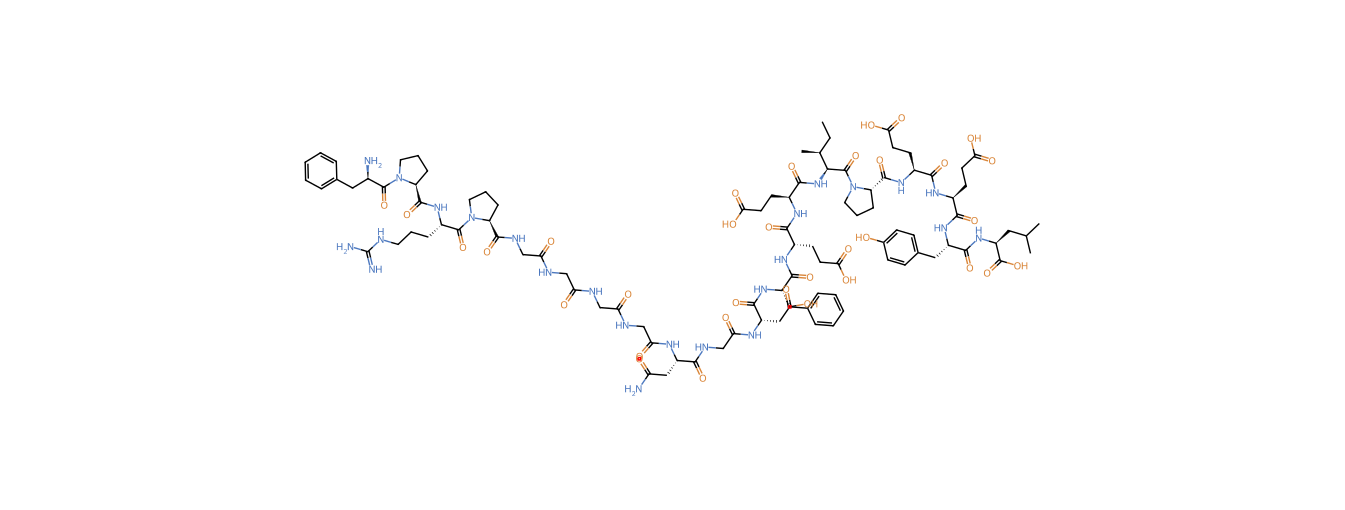
| Molecular/sequence identity | 20-amino-acid synthetic linear peptide; sequence: D-Phe-Pro-Arg-Pro-Gly-Gly-Gly-Gly-Asn-Gly-Asp-Phe-Glu-Glu-Ile-Pro-Glu-Glu-Tyr-Leu (amino to carboxy). Approximates the N-terminal fragment of hirudin. |
| Modifications/form | D-Phe at N-terminus; trifluoroacetate salt; Freeze-drying: water is removed by sublimation under reduced pressure, which can improve the stability of peptides and yield a porous dry matrix. Water removal does not sterilize a product, prove its quality, or define how it should later be handled. Fonte da definição: Lyophilization, formulation, and stability primer · Glossário powder for Administered into a vein. Fonte da definição: Neutral gloss; usage context: Routes, devices, and absorption primer · Glossário administration after The product-specific pharmaceutical process by which a lyophilized (freeze-dried) solid returns to a liquid dispersion. It is not evidence that the resulting material is suitable for administration. Fonte da definição: What reconstitution means primer · Glossário |
| Stable identifiers | The record number of a compound in PubChem, the atlas's primary structure-asset source. A registry record or depiction does not authenticate a commercial sample. Fonte da definição: Identity and structure assets methodology · Glossário: 16129704 (bivalirudin); DrugBank: DB00006; ChEBI: CHEBI:59156; CAS: 128270-60-0 |
| Identity caveats | A synthetic analogue of the hirudin C-terminal and N-terminal domains; not identical to natural hirudin |
Development and approval status
| Jurisdiction | Status and indication | Product/source | As of |
|---|---|---|---|
| USA (FDA) | Approved — anticoagulant in PCI (with provisional GPI), including HIT/HITTS patients | Angiomax (The Medicines Company) | 2000 |
| EU (EMA) | Approved 2004; marketing authorization withdrawn 2018 | Angiox (Nycomed/Medicines Company) | 2004–2018 |
| UK (MHRA) | Approved historically; marketing authorization withdrawn 2018 | Angiox | 2004–2018 |
- UNITED STATES
- USA (FDA): Approved — anticoagulant in PCI (with provisional GPI), including HIT/HITTS patients
- EU/EEA
- EU (EMA): Approved 2004; marketing authorization withdrawn 2018
- UNITED KINGDOM
- UK (MHRA): Approved historically; marketing authorization withdrawn 2018
- OTHER DOCUMENTED
- No OTHER DOCUMENTED row is present in the source status table
Sport status: WADA status: not prohibited. No US federal CSA scheduling was identified as of 2026-08-06; state law and other jurisdictions were not assessed. Generic and ready-to-use product availability is product- and jurisdiction-specific.
Mechanism and pharmacology
Bivalirudin directly and reversibly inhibits thrombin by binding to both the catalytic (active) site and the fibrinogen-binding exosite (anion-binding exosite 1) on circulating and clot-bound thrombin. Unlike heparin, bivalirudin does not require antithrombin III as a cofactor and is not neutralized by platelet factor 4 (no HIT risk).
How a substance is absorbed, distributed, metabolized, and eliminated by the body; atlas pages report pharmacokinetic data such as half-life, metabolism, and clearance. Fonte da definição: Neutral gloss; usage context: Routes, devices, and absorption primer · Glossário: Administered into a vein. Fonte da definição: Neutral gloss; usage context: Routes, devices, and absorption primer · Glossário bolus onset immediate; The time for the amount of a substance in the body to fall by half. Fonte da definição: Neutral gloss; usage context: Routes, devices, and absorption primer · Glossário ~25 min; primarily proteolytic cleavage (not renal for clearance of activity, though renal excretion of intact peptide occurs); 20-25% unchanged in urine. Dose adjustment for severe renal impairment on contemporary labels.
Evidence by claim
| Claim/indication | Stage | Grade | Best human evidence | Main result | Important limitations |
|---|---|---|---|---|---|
| PCI (with provisional GPI) | Approved | A | REPLACE-2 (N=6,002; DB, A study in which participants are assigned to the study material or a comparator by chance. Fonte da definição: Neutral gloss; usage context: Evidence grading methodology · Glossário) | Composite death/MI/urgent revascularization at 30 d: 7.6% (bivalirudin+provisional GPI) vs 7.1% (heparin+GPI); major bleeding: 2.4% vs 4.1% (p less than 0.001) | Non-inferiority design; 7.2% of bivalirudin arm received GPI provisionally |
| Unstable angina/PTCA | Approved (original) | A | BAT (2 identical trials; N=4,312; DB, RCT) | Procedural failure: 7.9% (bivalirudin) vs 9.3% (heparin); major hemorrhage: 3.5% vs 9.3% | Did not demonstrate statistical superiority for ischemic endpoints; bleeding benefit was significant |
| HIT/HITTS undergoing PCI | Approved | B | AT-BAT (N=51; A study without a separate comparison group. Fonte da definição: Neutral gloss; usage context: Evidence grading methodology · Glossário, A study in which participants and investigators know what is administered. Fonte da definição: Neutral gloss; usage context: Evidence grading methodology · Glossário) | Adequate ACT achieved; no major bleeding; 2/51 developed thrombocytopenia | Small, uncontrolled; no active comparator |
- AGrau A: Estabelecido para um uso rotulado específico
- BGrau B: Evidência humana moderada
- CGrau C: Evidência humana preliminar
- DGrau D: Apenas pré-clínico
- EGrau E: Alegação anedótica/de marketing
- XGrau X: A evidência contradiz ou não apoia a alegação
Text alternative for the claim-evidence diagram. Each grade is defined below:
- A — Established for a specific labeled use
- 2 claims: PCI (with provisional GPI); Unstable angina/PTCA
- B — Moderate human evidence
- 1 claim: HIT/HITTS undergoing PCI
- C — Preliminary human evidence
- 0 claims
- D — Preclinical only
- 0 claims
- E — Anecdotal/marketing claim
- 0 claims
- X — Evidence contradicts or does not support the claim
- 0 claims
Key studies
| Study | Design/population | Exposure studied | Endpoints and result | Limitations |
|---|---|---|---|---|
| REPLACE-2 | DB, A study in which participants are assigned to the study material or a comparator by chance. Fonte da definição: Neutral gloss; usage context: Evidence grading methodology · Glossário; N=6,002; PCI patients | Bivalirudin 0.75 mg/kg bolus + 1.75 mg/kg/h infusion vs heparin 65 IU/kg + planned GPI | 30-d death/MI/urgent revascularization: 7.6% vs 7.1% (non-inferior); major bleeding: 2.4% vs 4.1% (p less than 0.001) | Provisional GPI rate higher than some subsequent practice |
| BAT (combined) | DB, RCT; N=4,312; unstable angina/PTCA | Bivalirudin 1 mg/kg bolus + 2.5 mg/kg/h × 4 h + 0.2 mg/kg/h × 14-20 h vs heparin | 7-d composite: similar between groups; major hemorrhage: 3.5% vs 9.3% (p less than 0.001) | Dosing differs from current PCI regimen |
| AT-BAT | A study without a separate comparison group. Fonte da definição: Neutral gloss; usage context: Evidence grading methodology · Glossário, A study in which participants and investigators know what is administered. Fonte da definição: Neutral gloss; usage context: Evidence grading methodology · Glossário; N=51; HIT/HITTS patients | Bivalirudin 1 mg/kg + 2.5 mg/kg/h or 0.75 mg/kg + 1.75 mg/kg/h | No major bleeding; adequate anticoagulation | Uncontrolled; small sample |
Dose and administration evidence
Approved labeled regimen
The label summary below is product-, indication-, and jurisdiction-specific; consult the full current label and a licensed clinician/pharmacist.
PCI: 0.75 mg/kg Administered into a vein. Fonte da definição: Neutral gloss; usage context: Routes, devices, and absorption primer · Glossário bolus, immediately followed by 1.75 mg/kg/h IV infusion for the procedure duration and up to 4 h post-procedure. Continue at 0.2 mg/kg/h for up to 20 h if needed. Reduce infusion to 1.0 mg/kg/h in severe renal impairment (CrCl less than 30 mL/min). Use with aspirin 300-325 mg daily.
Studied regimens (not recommendations)
BAT regimen (1 mg/kg bolus + 2.5/0.2 mg/kg/h infusion) is not the current PCI-recommended dose.
What is not established
ACS patients not undergoing PCI (limitation of use per label).
Coronary artery bypass grafting (studied but not labeled; associated with higher rates of bypass-graft occlusion in some studies).
Pediatric use: not established.
Safety
Established label risks
Bleeding (most common adverse event). Major bleeding 4.0% (Angiomax vs heparin+GPIIb/IIIa) in REPLACE-2; similar to comparator. Intracranial, retroperitoneal, hemoglobin drop >3 g/dL, or transfusion ≥2 units.
Hemorrhage risk increased with concurrent antiplatelet agents, other anticoagulants, thrombolytics.
Allergic reactions: rare; anaphylaxis and hypersensitivity have been reported including urticaria, hypotension, dyspnea.
Thrombocytopenia: reported but incidence similar to comparator. No direct HIT risk (does not interact with platelet factor 4).
Thrombosis (catheter-associated, coronary).
Coronary artery dissection, vessel perforation, pseudoaneurysm.
No boxed warning for neuraxial hematoma — bivalirudin's short The time for the amount of a substance in the body to fall by half. Fonte da definição: Neutral gloss; usage context: Routes, devices, and absorption primer · Glossário and mechanism do not carry the same neuraxial anesthesia warning as LMWH/factor Xa inhibitors.
Human-study signals
Increased ischemic events (death, MI) in patients with STEMI undergoing primary PCI treated with bivalirudin vs heparin in contemporary trials (HEAT-PPCI, MATRIX) — attributable to trial design differences (operator blinding, concurrent antiplatelet use) rather than the drug itself.
Unknowns and product-quality risks
One-hour stability after The product-specific pharmaceutical process by which a lyophilized (freeze-dried) solid returns to a liquid dispersion. It is not evidence that the resulting material is suitable for administration. Fonte da definição: What reconstitution means primer · Glossário for the Freeze-drying: water is removed by sublimation under reduced pressure, which can improve the stability of peptides and yield a porous dry matrix. Water removal does not sterilize a product, prove its quality, or define how it should later be handled. Fonte da definição: Lyophilization, formulation, and stability primer · Glossário product; ready-to-use (RTU) solution also available.
Must not be mixed with other drugs in the Administered into a vein. Fonte da definição: Neutral gloss; usage context: Routes, devices, and absorption primer · Glossário line.
Interactions and special populations
Increased bleeding with anticoagulants (heparin, warfarin, GPIs), antiplatelet agents. No CYP metabolism. Renal clearance: reduce dose when CrCl <30 mL/min. Elderly: increased bleeding risk due to age-related renal decline. Geriatric and renally impaired patients should be monitored closely.
Regulatory, compounding, and sport notes
The World Anti-Doping Agency; its Prohibited List classifies many peptides as prohibited substances in sport. Fonte da definição: WADA and sport regulation brief · Glossário status: not prohibited. No US federal CSA scheduling was identified as of 2026-08-06; state law and other jurisdictions were not assessed. Generic and ready-to-use product availability is product- and jurisdiction-specific.
Evidence gaps
Comparative effectiveness vs unfractionated heparin alone (without GPI) in contemporary PCI practice with potent P2Y12 inhibitors.
Optimal use in ACS patients not undergoing PCI (labeled limitation).
Long-term safety beyond procedural use.
Search notes
Databases and registries: FDA label (accessdata.fda.gov), DailyMed, ClinicalTrials.gov, PubMed
Search terms: bivalirudin, Angiomax, Angiox, REPLACE-2, BAT, PCI, HIT
Last searched: 2026-08-06
Inclusion emphasis: FDA/EMA labels, phase 3 A study in which participants are assigned to the study material or a comparator by chance. Fonte da definição: Neutral gloss; usage context: Evidence grading methodology · Glossário
Sources
FDA prescribing information: ANGIOMAX (bivalirudin) for injection. Available at: https://www.accessdata.fda.gov/drugsatfda_docs/label/2016/020873s036lbl.pdf (accessed 2026-08-06).
Lincoff AM, et al. Bivalirudin and provisional glycoprotein IIb/IIIa blockade compared with heparin and planned glycoprotein IIb/IIIa blockade during percutaneous coronary intervention: REPLACE-2 randomized trial. JAMA. 2003;289(7):853-63. DOI: 10.1001/jama.289.7.853.
Bittl JA, et al. Bivalirudin versus heparin during coronary angioplasty for unstable or post-infarction angina: final report reanalysis of the Bivalirudin Angioplasty Study. Am Heart J. 2001;142(6):952-8. DOI: 10.1067/mhj.2001.119378.
DailyMed: Bivalirudin injection. Available at: https://dailymed.nlm.nih.gov/dailymed/drugInfo.cfm?setid=c20969cb-72d4-469b-9bd8-332250d896c3 (accessed 2026-08-06).