Bottom line
Thymosin alpha-1 (thymalfasin), marketed as Zadaxin, is a 28-amino-acid synthetic peptide identical to the An entry with substantial scientific visibility or identity value. Biological rationale and non-human evidence do not establish patient benefit. Definition source: Scope and selection methodology · Glossary thymic peptide. Authorizations outside the United States, including in China and Italy, are reported in the reviewed sources, but this atlas did not independently confirm a current count across all national registers. It has been studied in hepatitis C, cancer immunotherapy, and as a vaccine adjuvant. No FDA-approved product was identified. FDA review concluded insufficient evidence of effectiveness for hepatitis B, noting that available studies showed mixed results and that FDA-approved therapies with established efficacy exist.
Identity and composition
| Field | Verified information |
|---|---|
| Preferred name | Thymosin alpha-1 |
| Key aliases | Thymalfasin, Zadaxin, TA1, Tα1 |
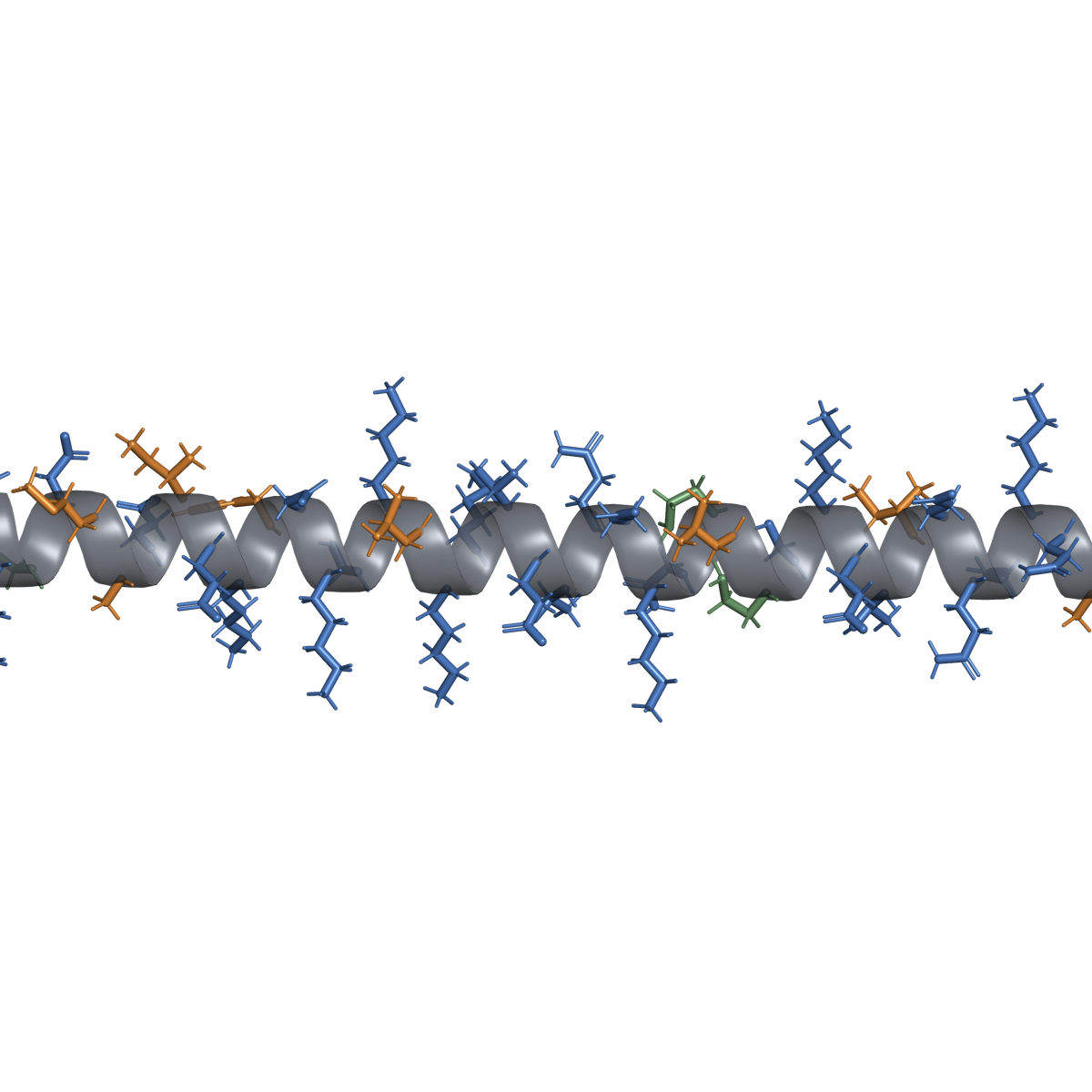
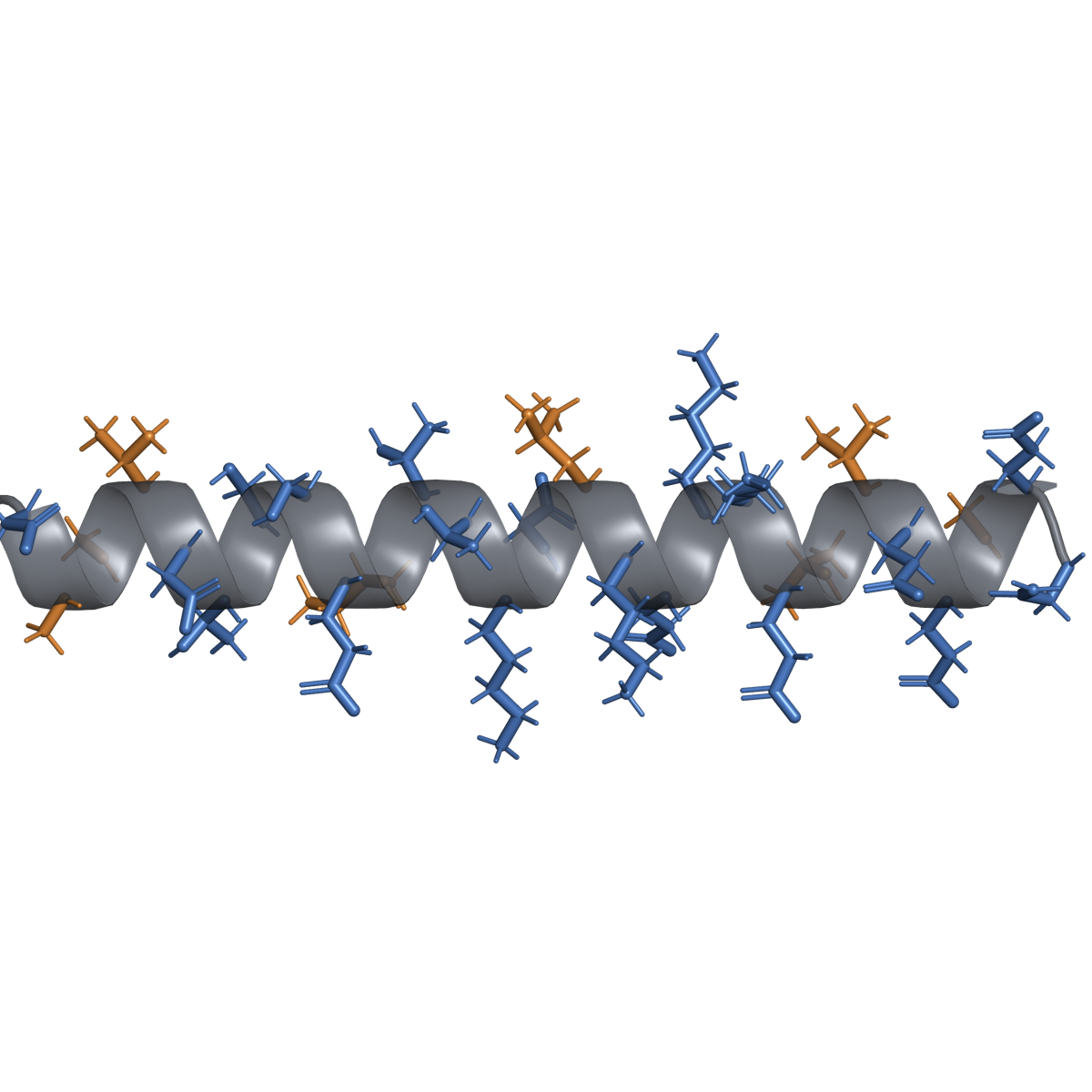
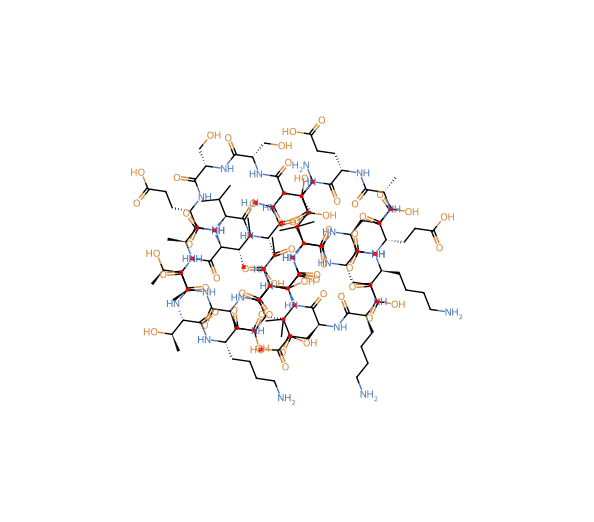
| Molecular/sequence identity | 28-amino-acid N-acetylated peptide: Ac-Ser-Asp-Ala-Ala-Val-Asp-Thr-Ser-Ser-Glu-Ile-Thr-Thr-Lys-Asp-Leu-Lys-Glu-Lys-Lys-Glu-Val-Val-Glu-Glu-Ala-Glu-Asn-OH |
| Modifications/form | N-terminally acetylated; MW 3,108 Da; supplied as Freeze-drying: water is removed by sublimation under reduced pressure, which can improve the stability of peptides and yield a porous dry matrix. Water removal does not sterilize a product, prove its quality, or define how it should later be handled. Definition source: Lyophilization, formulation, and stability primer · Glossary powder for Administered into the tissue layer under the skin. Definition source: Neutral gloss; usage context: Routes, devices, and absorption primer · Glossary injection |
| Stable identifiers | FDA UNII W0B22ISQ1C (thymalfasin); CAS 62304-98-7; ATC code L03AX; The record number of a compound in PubChem, the atlas's primary structure-asset source. A registry record or depiction does not authenticate a commercial sample. Definition source: Identity and structure assets methodology · Glossary: 16130571 |
| Identity caveats | Distinct from thymosin beta-4 and thymic extract products (Thymalin). Synthetic copy of An entry with substantial scientific visibility or identity value. Biological rationale and non-human evidence do not establish patient benefit. Definition source: Scope and selection methodology · Glossary peptide; identical primary structure. |
Development and approval status
| Jurisdiction | Status and indication | Product/source | As of |
|---|---|---|---|
| United States (FDA) | Not approved for any indication. SciClone submitted clinical data but did not complete additional Phase III trials required | N/A | 2026-08-06 |
| China (NMPA) | Approved since 1996 for chronic hepatitis B | Zadaxin (SciClone/Sorrento) | 2026-08-06 |
| Italy (AIFA) | Approved nationally for chronic hepatitis B adjunct therapy | Zadaxin | 2026-08-06 |
| Singapore (HSA) | Approved for chronic hepatitis B (monotherapy or combination with interferon) | Zadaxin | 2026-08-06 |
| 35+ other countries | Approved for hepatitis B and related indications | Zadaxin | 2026-08-06 |
| European Union (EMA) | No centralized marketing authorization | N/A | 2026-08-06 |
- UNITED STATES
- United States (FDA): Not approved for any indication. SciClone submitted clinical data but did not complete additional Phase III trials required
- EU/EEA
- European Union (EMA): No centralized marketing authorization
- UNITED KINGDOM
- No UNITED KINGDOM row is present in the source status table
- OTHER DOCUMENTED
- China (NMPA): Approved since 1996 for chronic hepatitis B; Italy (AIFA): Approved nationally for chronic hepatitis B adjunct therapy; Singapore (HSA): Approved for chronic hepatitis B (monotherapy or combination with interferon); 35+ other countries: Approved for hepatitis B and related indications
Sport status: WADA: not identified by exact name in the 2026 List. Because this page records governmental human-use approvals outside the US, S0 cannot be inferred merely from lack of FDA approval. Athletes should obtain a current case-specific classification.
Mechanism and pharmacology
Thymosin alpha-1 is an immunomodulator that acts through Toll-like receptors (TLR9 and TLR2) on dendritic cells and precursor T-cells. It enhances MHC class I and II expression, promotes T-cell differentiation and NK cell cytotoxicity, and modulates cytokine production. It has been shown to prevent pro-inflammatory cytokine storm and reduce apoptosis in Evidence from in vitro or animal studies with no adequate human efficacy evidence — the atlas Grade D lane. Definition source: Evidence grading methodology · Glossary models. Its The time for the amount of a substance in the body to fall by half. Definition source: Neutral gloss; usage context: Routes, devices, and absorption primer · Glossary after Administered into the tissue layer under the skin. Definition source: Neutral gloss; usage context: Routes, devices, and absorption primer · Glossary administration is approximately 2 hours, with renal clearance.
Evidence by claim
| Claim/indication | Stage | Grade | Best human evidence | Main result | Important limitations |
|---|---|---|---|---|---|
| Chronic hepatitis B (approved indication) | Approved (in 35+ countries) | B | Pooled analysis of 3 A study in which participants are assigned to the study material or a comparator by chance. Definition source: Neutral gloss; usage context: Evidence grading methodology · Glossary (n=223): TA1 1.6 mg Administered into the tissue layer under the skin. Definition source: Neutral gloss; usage context: Routes, devices, and absorption primer · Glossary BIW × 6 months | Pooled response rate (HBV DNA- and HBeAg-negative at 12-month follow-up): 36% TA1 vs 19% An inactive comparator used in a controlled study. Definition source: Neutral gloss; usage context: Evidence grading methodology · Glossary | US Phase 3 (n=99) failed to meet primary endpoint; older HBV DNA assays used; modest effect size vs current therapies |
| Chronic hepatitis C (adjunct to interferon) | A clinical-stage candidate with scientific or public relevance. Investigation is not approval, and a studied exposure is not a recommendation. Definition source: Scope and selection methodology · Glossary | C | RCT: TA1 + PEG-IFN/RBV vs PEG-IFN/RBV (n=~100) | SVR: 12.7% vs 10.5%; no significant difference | Obsolete standard-of-care; DAA therapies achieve >90% SVR |
| Cancer (melanoma, HCC, NSCLC) | Investigational | C | Multiple Phase 2 studies | Mixed results; trends toward improved survival in some subgroups | Small studies; no Phase 3 confirmation |
| COVID-19 | Investigational | C | Retrospective cohort (n=334 Wuhan): TA1 + standard care | Reduced 28-day mortality: 17.2% vs 30.4% (p=0.006) | Observational; significant confounding; requires RCT confirmation |
| Sepsis/immunodeficiency | Investigational | C | Multiple small studies | Improved immune markers | No adequately powered efficacy trial |
- AGrade A: Established for a specific labeled use
- BGrade B: Moderate human evidence
- CGrade C: Preliminary human evidence
- DGrade D: Preclinical only
- EGrade E: Anecdotal/marketing claim
- XGrade X: Evidence contradicts or does not support the claim
Text alternative for the claim-evidence diagram. Each grade is defined below:
- A — Established for a specific labeled use
- 0 claims
- B — Moderate human evidence
- 1 claim: Chronic hepatitis B (approved indication)
- C — Preliminary human evidence
- 4 claims: Chronic hepatitis C (adjunct to interferon); Cancer (melanoma, HCC, NSCLC); COVID-19; Sepsis/immunodeficiency
- D — Preclinical only
- 0 claims
- E — Anecdotal/marketing claim
- 0 claims
- X — Evidence contradicts or does not support the claim
- 0 claims
Key studies
| Study | Design/population | Exposure studied | Endpoints and result | Limitations |
|---|---|---|---|---|
| Mutchnick et al. 1999 | A study in which participants are assigned to the study material or a comparator by chance. Definition source: Neutral gloss; usage context: Evidence grading methodology · Glossary, DBPC, US multicenter, n=99 CHB patients | TA1 1.6 mg Administered into the tissue layer under the skin. Definition source: Neutral gloss; usage context: Routes, devices, and absorption primer · Glossary BIW × 6 months | HBV DNA negative at 6 months post-treatment: TA1 20% vs An inactive comparator used in a controlled study. Definition source: Neutral gloss; usage context: Evidence grading methodology · Glossary 21% (NS) | Failed primary endpoint; underpowered; older HBV DNA assay |
| Chien et al. 1998 | RCT, Taiwan, n=104 HBeAg+ CHB patients | TA1 1.6 mg SC BIW × 6 months | HBeAg seroconversion at 12 months: 37% TA1 vs 25% no treatment | A study in which participants and investigators know what is administered. Definition source: Neutral gloss; usage context: Evidence grading methodology · Glossary control |
| Ciancio et al. 2012 | RCT, DBPC, n=CHC patients | TA1 + PEG-IFN/RBV vs placebo + PEG-IFN/RBV | SVR: 12.7% vs 10.5% (NS) | DAA era makes this obsolete |
| Retrospective Wuhan cohort 2021 | Observational, n=334 severe COVID-19 | TA1 + standard care | 28-day mortality: 17.2% vs 30.4% (p=0.006) | Confounding by indication; not randomized |
Dose and administration evidence
Approved labeled regimen
In approved jurisdictions (e.g., Singapore label): Zadaxin 1.6 mg (900 mcg/m²) administered subcutaneously twice weekly for 6-12 months for chronic hepatitis B. For patients under 40 kg: 40 mcg/kg.
The label summary below is product-, indication-, and jurisdiction-specific; consult the full current label and a licensed clinician/pharmacist.
Studied regimens (not recommendations)
Chronic hepatitis C: 1.6 mg Administered into the tissue layer under the skin. Definition source: Neutral gloss; usage context: Routes, devices, and absorption primer · Glossary twice weekly for 6-12 months (in combination with interferon-based therapy).
Cancer/immune adjuvant: 1.6 mg SC, variable schedules.
COVID-19/sepsis: 1.6 mg SC daily or twice weekly in published observational studies.
What is not established
No FDA-approved dosing exists. This atlas did not verify a current, product-specific approved label for the other studied uses; authorization must be checked by product, indication, and jurisdiction.
Safety
Established label risks
In approved markets: generally well tolerated. Injection-site reactions are the most common adverse event. Transient ALT flare can occur during hepatitis B treatment (TA1 should be continued unless signs of liver failure emerge). Contraindicated in known hypersensitivity.
Human-study signals
Across over 4,400 patients studied in clinical trials internationally, thymalfasin has been associated with a favorable safety profile. The most common AEs are injection-site reactions, mild fever, and transient ALT elevation. This atlas did not compare current warning formats across every approving jurisdiction.
Unknowns and product-quality risks
Immunogenicity risk identified by FDA as a concern due to insufficient characterization.
US compounding pharmacies operate outside FDA-approved manufacturing; product quality and consistency are not guaranteed by regulatory oversight.
FDA review noted insufficient evidence of effectiveness across all 12 evaluated uses.
Interactions and special populations
No clinically significant drug interactions identified in labeling. No adequate data in pregnancy or lactation. Use in pediatric patients under 18 years for hepatitis B is based on limited data.
Regulatory, compounding, and sport notes
FDA status: no approved product was identified. SciClone submitted NDA data for hepatitis B in the early 2000s, and FDA requested additional Phase III data that were not pursued. Public sources do not establish whether a confidential IND or NDA remains active.
US compounding: the July 2026 PCAC meeting is a dated advisory event, not by itself a final eligibility or availability determination. Current access requires a substance-, facility-, prescription-, and product-specific assessment under sections Sections of the US Food, Drug, and Cosmetic Act covering traditional compounding exemptions (503A) and outsourcing-facility compounding (503B). Under 503A, qualification conditions include a patient-specific prescription requirement; under 503B, conditions cover facility registration and bulk-substance eligibility. Definition source: United States regulation brief · Glossary and 503B.
The World Anti-Doping Agency; its Prohibited List classifies many peptides as prohibited substances in sport. Definition source: WADA and sport regulation brief · Glossary: not identified by exact name in the 2026 List. Because this page records governmental human-use approvals outside the US, WADA Prohibited List class S0 (non-approved substances): pharmacological substances not addressed elsewhere in the list and with no current approval by any governmental regulatory health authority for human therapeutic use. Definition source: WADA and sport regulation brief · Glossary cannot be inferred merely from lack of FDA approval. Athletes should obtain a current case-specific classification.
International: authorizations in China and Italy are reported in the reviewed sources; current status elsewhere requires national-register verification.
Evidence gaps
US FDA approval has never been obtained; two Phase III programs failed to meet efficacy endpoints.
No adequately powered A study in which participants are assigned to the study material or a comparator by chance. Definition source: Neutral gloss; usage context: Evidence grading methodology · Glossary has confirmed benefit for any indication beyond hepatitis B.
FDA review concluded: "insufficient evidence to determine effectiveness" for hepatitis B.
Current standard-of-care for hepatitis B (entecavir, tenofovir) is more effective than TA1.
No head-to-head trials against modern antiviral agents exist.
Search notes
Databases and registries: PubMed, ClinicalTrials.gov, FDA Drugs@FDA, FDA PCAC documents, Singapore HDA label
Search terms: thymosin alpha-1, thymalfasin, Zadaxin, hepatitis B
Last searched: 2026-08-06
Inclusion emphasis: FDA review documents, approved-label data, controlled trials
Sources
https://www.fda.gov/media/183892/download (FDA PCAC review materials — thymosin alpha-1)
https://pubmed.ncbi.nlm.nih.gov/18078676/ (Yang et al. 2008 — meta-analysis TA1 vs interferon for CHB)
https://www.ndf.gov.sg/about-drugs/product-information/sin07483p/ (Singapore HDA label — Zadaxin)
https://precision.fda.gov/uniisearch/srs/unii/W0B22ISQ1C (FDA Substance Registration System — thymalfasin)
https://pubmed.ncbi.nlm.nih.gov/15992078/ (Rost et al. 2005 — Zadaxin for viral hepatitis review)
https://pubmed.ncbi.nlm.nih.gov/11381492/ (Ancell et al. 2001 — thymosin alpha-1 clinical review)
https://pmc.ncbi.nlm.nih.gov/articles/PMC4688733/ (You et al. 2015 — RCT TA1 vs interferon for CHB)