Bottom line
Thymalin is a polypeptide complex extracted from calf thymus, developed in the 1970s at the Military Medical Academy in Leningrad. The cited research group reports Russian registration, but a current primary regulator record and label were not independently retrieved for this atlas. It is not a single defined molecule but a biological extract. Evidence comes predominantly from the Khavinson group. A small 2021 randomized, single-blind COVID-19 trial reported lower in-hospital mortality, but it used now-obsolete background treatment and requires independent confirmation.
Identity and composition
| Field | Verified information |
|---|---|
| Preferred name | Thymalin |
| Key aliases | Timalin, Thymic polypeptide complex, Thymus peptide bioregulator, Vladonix (oral capsule form) |
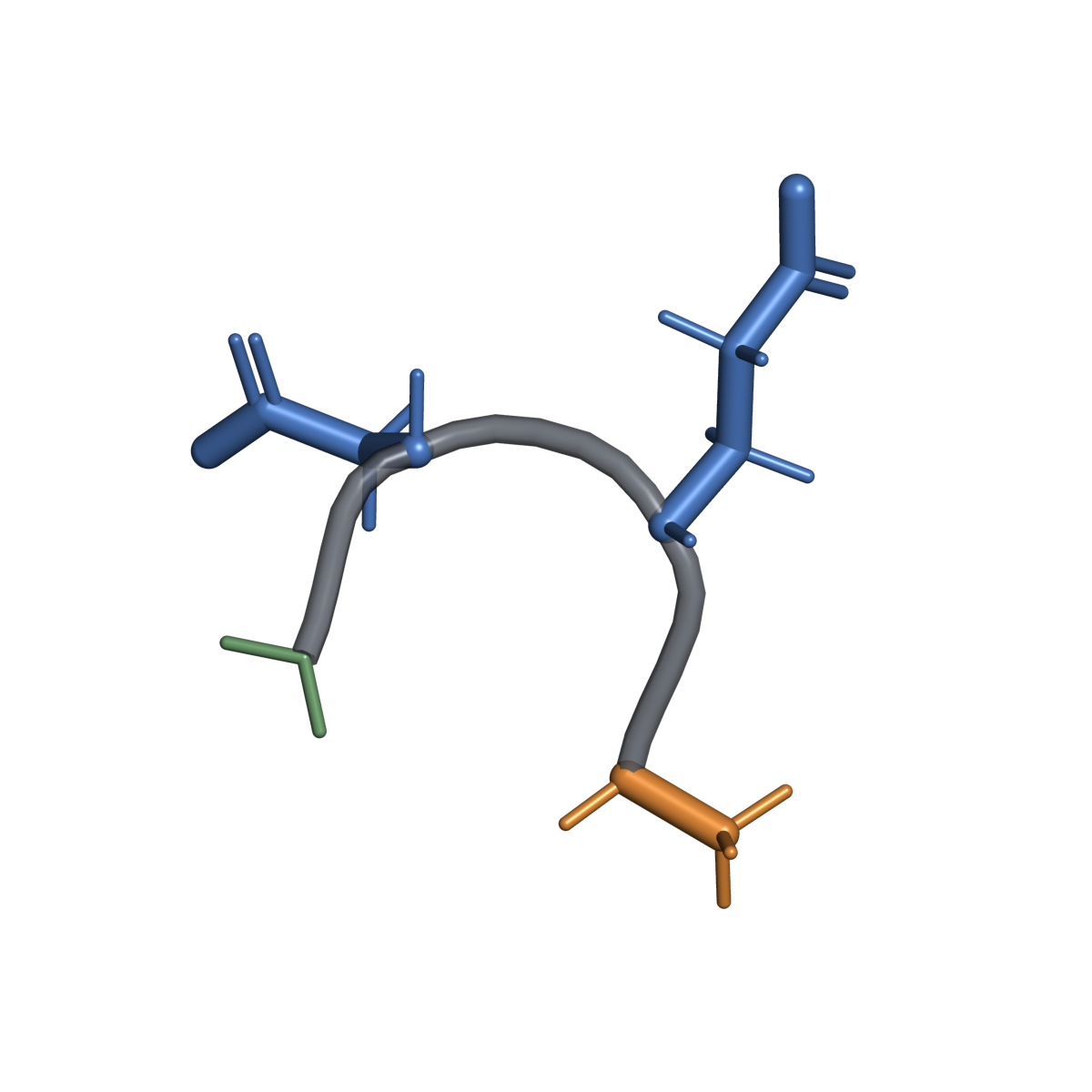
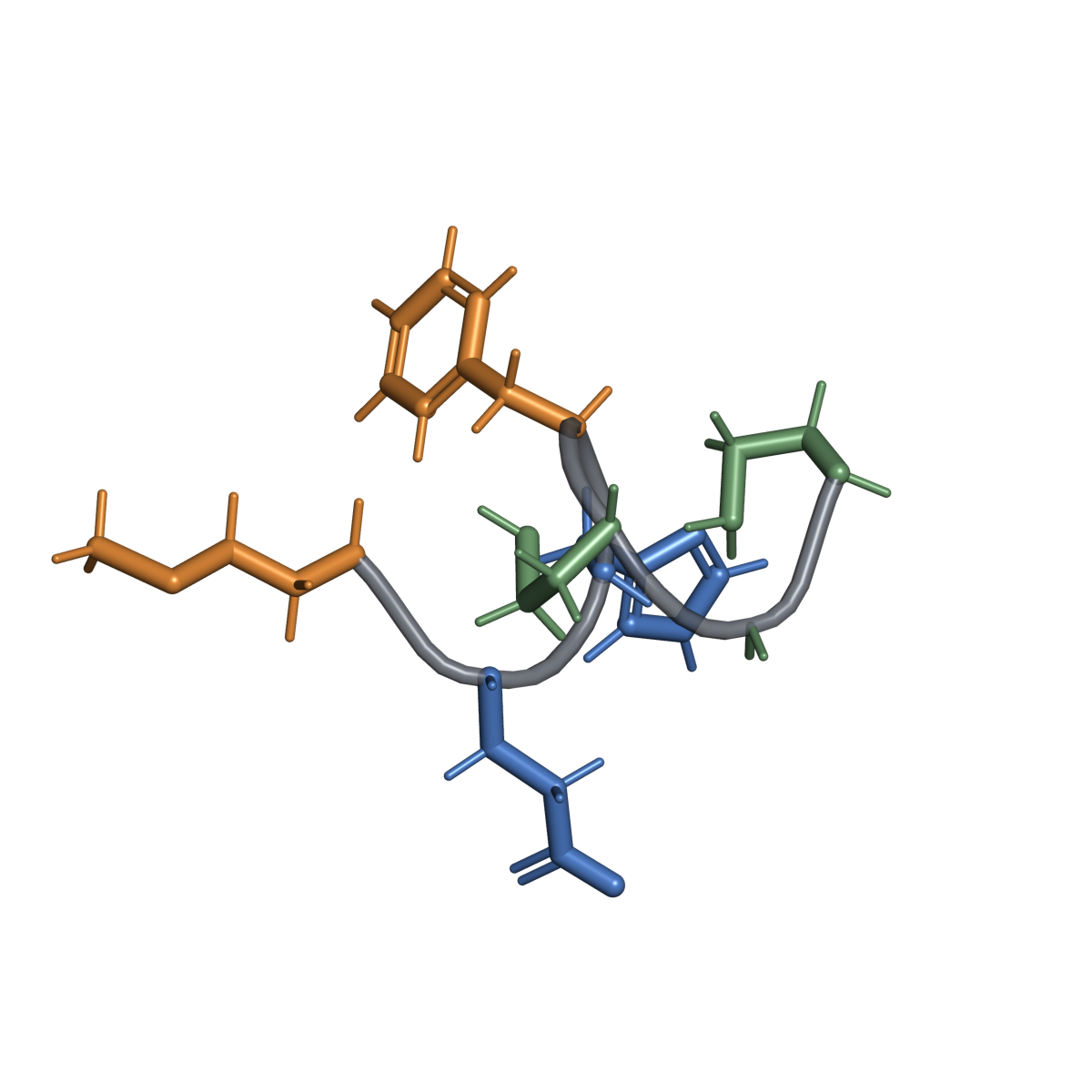
| Molecular/sequence identity | Heterogeneous mixture of low-molecular-weight peptides (MW <10 kDa) from bovine thymus. Identified active components: EW (Glu-Trp, later synthesized as Thymogen), KE (Lys-Glu, Vilon), EDP (Glu-Asp-Pro, Crystagen) |
| Modifications/form | Freeze-drying: water is removed by sublimation under reduced pressure, which can improve the stability of peptides and yield a porous dry matrix. Water removal does not sterilize a product, prove its quality, or define how it should later be handled. Definition source: Lyophilization, formulation, and stability primer · Glossary polypeptide fraction; not a single defined entity; biological extract |
| Stable identifiers | Russian registration LS-000267; CAS 79621-14-0 |
| Identity caveats | Not a single chemical entity. Not interchangeable with thymosin alpha-1 (Zadaxin). Composition varies by batch since it is a biological extract. The food supplement Vladonix is a capsule form of similar composition. |
Development and approval status
| Jurisdiction | Status and indication | Product/source | As of |
|---|---|---|---|
| Russia | Registration since 1982 and record LS-000267 are reported in the cited research literature; current indication wording and label were not independently verified in a regulator database | Thymalin; manufacturer reported as Samson-Med | 2026-08-06 |
| United States (FDA) | No approved product identified. Public sources do not establish whether a confidential IND, NDA, or BLA was filed; compounding status requires a current sections Sections of the US Food, Drug, and Cosmetic Act covering traditional compounding exemptions (503A) and outsourcing-facility compounding (503B). Under 503A, qualification conditions include a patient-specific prescription requirement; under 503B, conditions cover facility registration and bulk-substance eligibility. Definition source: United States regulation brief · Glossary/503B assessment | N/A | 2026-08-06 |
| European Union (EMA) | No marketing authorization | N/A | 2026-08-06 |
| Other post-Soviet markets | Availability and authorization require country-specific registry verification | Various | 2026-08-06 |
- UNITED STATES
- United States (FDA): No approved product identified. Public sources do not establish whether a confidential IND, NDA, or BLA was filed; compounding status requires a current sections 503A/503B assessment
- EU/EEA
- European Union (EMA): No marketing authorization
- UNITED KINGDOM
- No UNITED KINGDOM row is present in the source status table
- OTHER DOCUMENTED
- Russia: Registration since 1982 and record LS-000267 are reported in the cited research literature; current indication wording and label were not independently verified in a regulator database; Other post-Soviet markets: Availability and authorization require country-specific registry verification
Sport status: WADA: not identified by exact name in the 2026 List. This page has not independently established whether a claimed Russian governmental approval remains current, so S0 cannot be resolved from exact-name absence alone; athletes should obtain a current case-specific classification.
Mechanism and pharmacology
The constituent peptides (EW, KE, EDP) are proposed to penetrate the cell nucleus and bind complementary to specific DNA sequences and histone proteins, thereby regulating gene expression related to immune function, heat-shock proteins, cytokine production, and cell differentiation. Reported effects include: promotion of hematopoietic stem cell differentiation into T-lymphocytes (via CD44, CD117, CD28 modulation), suppression of pro-inflammatory cytokines (IL-1β, IL-6, TNF-α) via NF-κB pathway inhibition, normalization of T/B lymphocyte ratios, and enhancement of NK cell activity. The precise molecular receptor(s) have not been definitively identified.
Evidence by claim
| Claim/indication | Stage | Grade | Best human evidence | Main result | Important limitations |
|---|---|---|---|---|---|
| Immunodeficiency (approved in Russia) | Approved (Russia) | C | Russian clinical use since 1982; observational studies | Improved immune parameters per Russian literature | No Western regulatory review; primarily Russian publications |
| COVID-19 severe pneumonia | Phase 2 (Russia) | C | A study in which participants are assigned to the study material or a comparator by chance. Definition source: Neutral gloss; usage context: Evidence grading methodology · Glossary (n=80): Thymalin 10 mg Administered into a muscle. Definition source: Neutral gloss; usage context: Routes, devices, and absorption primer · Glossary × 10 days + standard vs An inactive comparator used in a controlled study. Definition source: Neutral gloss; usage context: Evidence grading methodology · Glossary + standard | Hospital mortality 19.4% vs 40.9% (p<0.05); faster lymphocyte recovery | Single center; single-blind; modest sample size |
| Geroprotection/longevity | Observational | D | Two cohorts totaling 266 older participants, 6-8 year follow-up | Authors reported lower mortality; the often-cited 4.1-fold comparison came from a separate 20-person annual Thymalin-plus-Epithalamin cohort | Small subgroups; annual cohort not described as randomized; single research group; Epithalamin is a pineal extract, not Epitalon |
| Infectious disease (hepatitis, respiratory) | Approved (Russia) | C | Russian clinical reports | Faster recovery, reduced relapse | Predominantly Russian-language; pre-modern reporting standards |
- AGrade A: Established for a specific labeled use
- BGrade B: Moderate human evidence
- CGrade C: Preliminary human evidence
- DGrade D: Preclinical only
- EGrade E: Anecdotal/marketing claim
- XGrade X: Evidence contradicts or does not support the claim
Text alternative for the claim-evidence diagram. Each grade is defined below:
- A — Established for a specific labeled use
- 0 claims
- B — Moderate human evidence
- 0 claims
- C — Preliminary human evidence
- 3 claims: Immunodeficiency (approved in Russia); COVID-19 severe pneumonia; Infectious disease (hepatitis, respiratory)
- D — Preclinical only
- 1 claim: Geroprotection/longevity
- E — Anecdotal/marketing claim
- 0 claims
- X — Evidence contradicts or does not support the claim
- 0 claims
Key studies
| Study | Design/population | Exposure studied | Endpoints and result | Limitations |
|---|---|---|---|---|
| Khavinson & Morozov 2003 (PMID 14523363) | Two older-person cohorts totaling 266; 6-8 year follow-up [1] | Protocol-specific Thymalin and/or Epithalamin courses | In the St. Petersburg mortality table, control n=22, two-year combination n=24, and separate annual combination n=20 had reported six-year mortality of 81.8%, 33.3%, and 20.0% | Small groups; annual cohort not described as randomized; single research group; combination used Epithalamin, not synthetic Epitalon |
| Kuznik, Khavinson et al. 2021 (PMC8654498) | A study in which participants are assigned to the study material or a comparator by chance. Definition source: Neutral gloss; usage context: Evidence grading methodology · Glossary, single-blind, n=80 severe COVID-19 elderly | Thymalin 10 mg Administered into a muscle. Definition source: Neutral gloss; usage context: Routes, devices, and absorption primer · Glossary daily × 10 days | Mortality 19.4% vs 40.9%; IL-6 ↓ 6.5-fold; faster lymphocyte recovery | Single center; modest N; no comparison to modern immunomodulators |
| Molecular studies (Khavinson group) | In vitro, human cell cultures | EW, KE, EDP peptides | DNA binding; gene expression modulation; HSC differentiation markers | Predominantly Khavinson-lab data |
Dose and administration evidence
Approved labeled regimen
No current primary Russian regulator label was retrieved for this atlas, so a Russian labeled regimen is not reproduced. Historical or secondary summaries must not substitute for current product information.
Studied regimens (not recommendations)
The COVID-19 and gerontology studies in the table above used protocol-specific exposures under research oversight. They do not establish an interchangeable regimen for Thymalin products or any synthetic component peptide.
What is not established
No established or recommended human dose. Country-specific registration or historical study exposure does not establish a general regimen.
Safety
Established label risks
No current primary Russian label was retrieved, and there is no FDA or EMA label. Therefore this atlas does not present a generalized label-risk or contraindication list.
Human-study signals
In the COVID-19 A study in which participants are assigned to the study material or a comparator by chance. Definition source: Neutral gloss; usage context: Evidence grading methodology · Glossary (n=80) and the geroprotection study (n=266), no significant adverse events attributable to Thymalin were reported. Russian clinical literature describes it as well tolerated.
Unknowns and product-quality risks
Biological extract: batch-to-batch consistency is difficult to standardize.
Bovine-derived: theoretical TSE/BSE risk, though manufacturing controls are claimed.
No Western regulatory review of safety.
Not a single defined molecule; quality control is less straightforward than for synthetic peptides.
US compounding status cannot be inferred solely from the material being an extract; it requires a current substance-, facility-, and product-specific assessment under sections Sections of the US Food, Drug, and Cosmetic Act covering traditional compounding exemptions (503A) and outsourcing-facility compounding (503B). Under 503A, qualification conditions include a patient-specific prescription requirement; under 503B, conditions cover facility registration and bulk-substance eligibility. Definition source: United States regulation brief · Glossary and 503B.
Interactions and special populations
No adequate interaction, pregnancy, or lactation evidence was identified in a current primary regulator label accessible to this atlas.
Regulatory, compounding, and sport notes
FDA: no approved Thymalin product was identified. Compounding status requires a current substance- and facility-specific assessment under sections Sections of the US Food, Drug, and Cosmetic Act covering traditional compounding exemptions (503A) and outsourcing-facility compounding (503B). Under 503A, qualification conditions include a patient-specific prescription requirement; under 503B, conditions cover facility registration and bulk-substance eligibility. Definition source: United States regulation brief · Glossary and 503B; this page does not infer eligibility from market availability.
Russian registration: LS-000267 and a 2010 re-registration are reported in the cited research literature; the current regulator record was not independently retrieved here.
The World Anti-Doping Agency; its Prohibited List classifies many peptides as prohibited substances in sport. Definition source: WADA and sport regulation brief · Glossary: not identified by exact name in the 2026 List. This page has not independently established whether a claimed Russian governmental approval remains current, so WADA Prohibited List class S0 (non-approved substances): pharmacological substances not addressed elsewhere in the list and with no current approval by any governmental regulatory health authority for human therapeutic use. Definition source: WADA and sport regulation brief · Glossary cannot be resolved from exact-name absence alone; athletes should obtain a current case-specific classification.
Raw material is bovine-derived; this creates regulatory barriers in many jurisdictions.
Evidence gaps
Virtually all clinical evidence originates from Khavinson and affiliated Russian institutions.
No large-scale, multicenter, Neither participants nor investigators know who receives the study material or the comparator. Definition source: Neutral gloss; usage context: Evidence grading methodology · Glossary Phase III trials conducted by independent groups.
No Western regulatory review has been performed.
The COVID-19 trial is the only modern A study in which participants are assigned to the study material or a comparator by chance. Definition source: Neutral gloss; usage context: Evidence grading methodology · Glossary; it has modest sample size and methodological limitations.
The geroprotection study was observational and not blinded.
Active component(s) are not fully characterized; the relative contribution of EW, KE, EDP is unclear.
No How a substance is absorbed, distributed, metabolized, and eliminated by the body; atlas pages report pharmacokinetic data such as half-life, metabolism, and clearance. Definition source: Neutral gloss; usage context: Routes, devices, and absorption primer · Glossary data published in Western journals.
Search notes
Databases and registries: PubMed, ClinicalTrials.gov, Russian Ministry of Health registry, PMC
Search terms: Thymalin, Timalin, thymus polypeptide, Khavinson, peptide bioregulator
Last searched: 2026-08-06
Inclusion emphasis: Clinical data; distinction from thymosin alpha-1; Western vs Russian evidence
Sources
https://pmc.ncbi.nlm.nih.gov/articles/PMC8654498/ (Khavinson et al. 2021 — Thymalin RCT for severe COVID-19)
https://pubmed.ncbi.nlm.nih.gov/14523363/ (Khavinson & Morozov 2003 — geroprotection study)
https://pmc.ncbi.nlm.nih.gov/articles/PMC7877506/ (Khavinson et al. 2021 — Thymalin in COVID-19 complex therapy)
https://pmc.ncbi.nlm.nih.gov/articles/PMC10488166/ (Linkova et al. 2023 — KE/EW dipeptides in Thymalin, COVID-19)
https://europepmc.org/article/med/33575961 (Khavinson et al. 2021 — HSC differentiation in COVID-19)
https://pubmed.ncbi.nlm.nih.gov/36169363/ (Khavinson et al. 2022 — Tocilizumab vs Thymalin in COVID-19)
https://pubmed.ncbi.nlm.nih.gov/9637345/ (Morozov & Khavinson 1997 — natural peptide bioregulators review)