Bottom line
Survodutide (BI 456906) is an A clinical-stage candidate with scientific or public relevance. Investigation is not approval, and a studied exposure is not a recommendation. Definition source: Scope and selection methodology · Glossary dual GLP-1/glucagon receptor agonist developed by Boehringer Ingelheim and Zealand Pharma. Phase 2 data showed up to 18.7% mean weight loss at 46 weeks. In MASH, MASH resolution without fibrosis worsening occurred in 47%, 62%, and 43% across survodutide doses versus 14% An inactive comparator used in a controlled study. Definition source: Neutral gloss; usage context: Evidence grading methodology · Glossary (NEJM 2024). FDA granted Breakthrough Therapy designation for MASH (Sep 2024) and EMA granted PRIME designation. Phase 3 SYNCHRONIZE-1 (peer-reviewed June 2026; n=725) reported treatment-regimen estimand changes in body weight of -12.2% with 3.6 mg and -13.0% with 6.0 mg, versus -5.4% with placebo, at 76 weeks. Not approved for any indication.
Identity and composition
| Field | Verified information |
|---|---|
| Preferred name | Survodutide |
| Key aliases | BI 456906 |
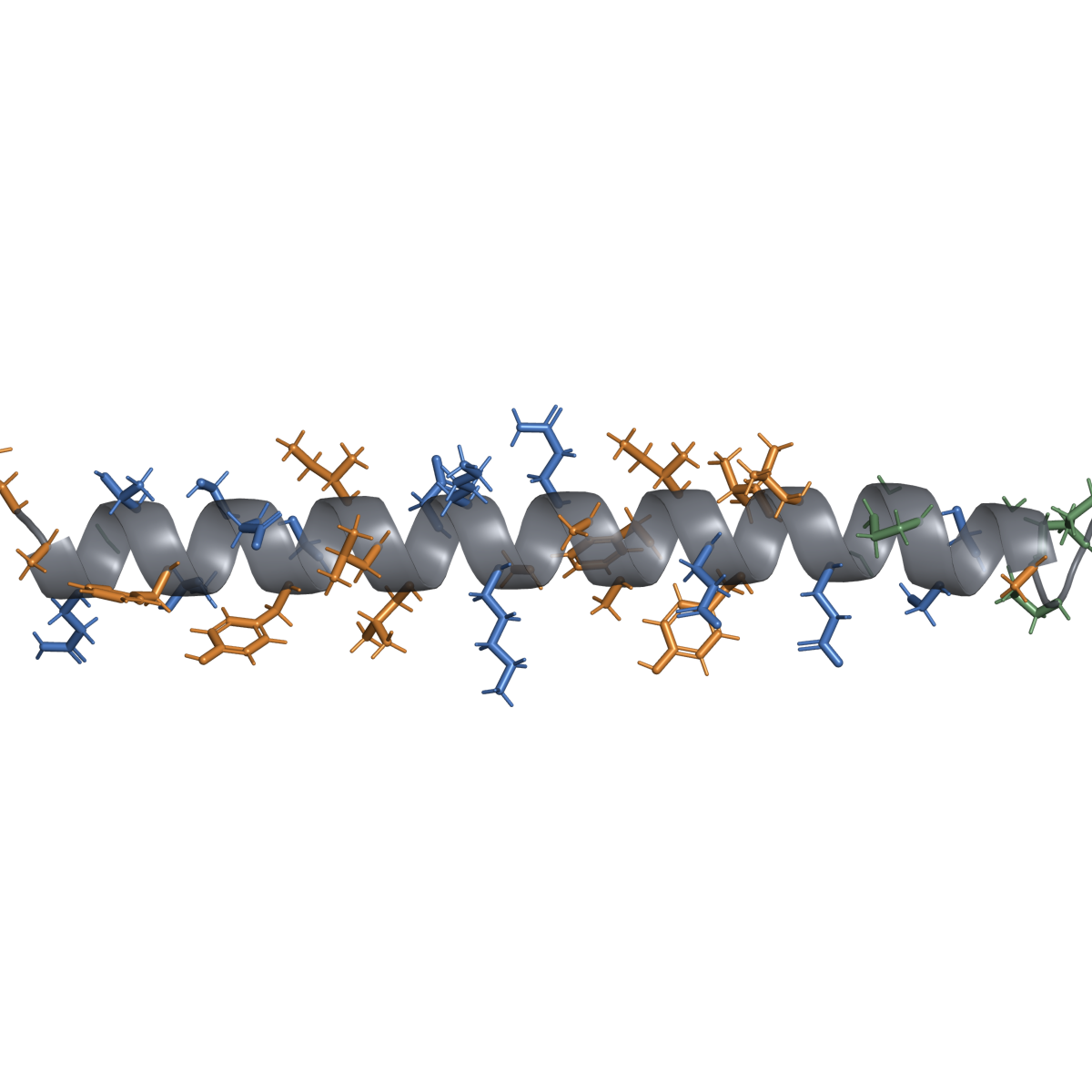
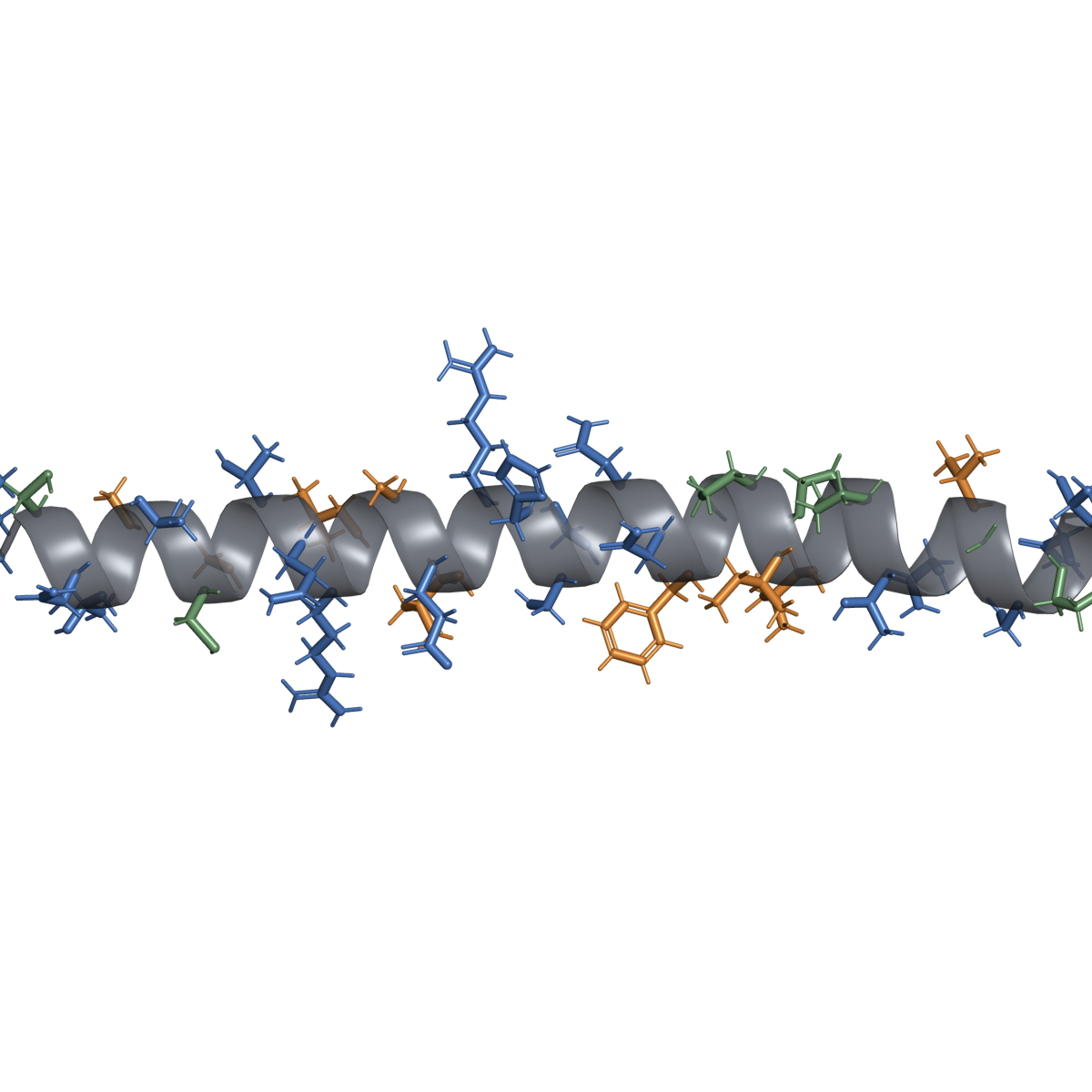
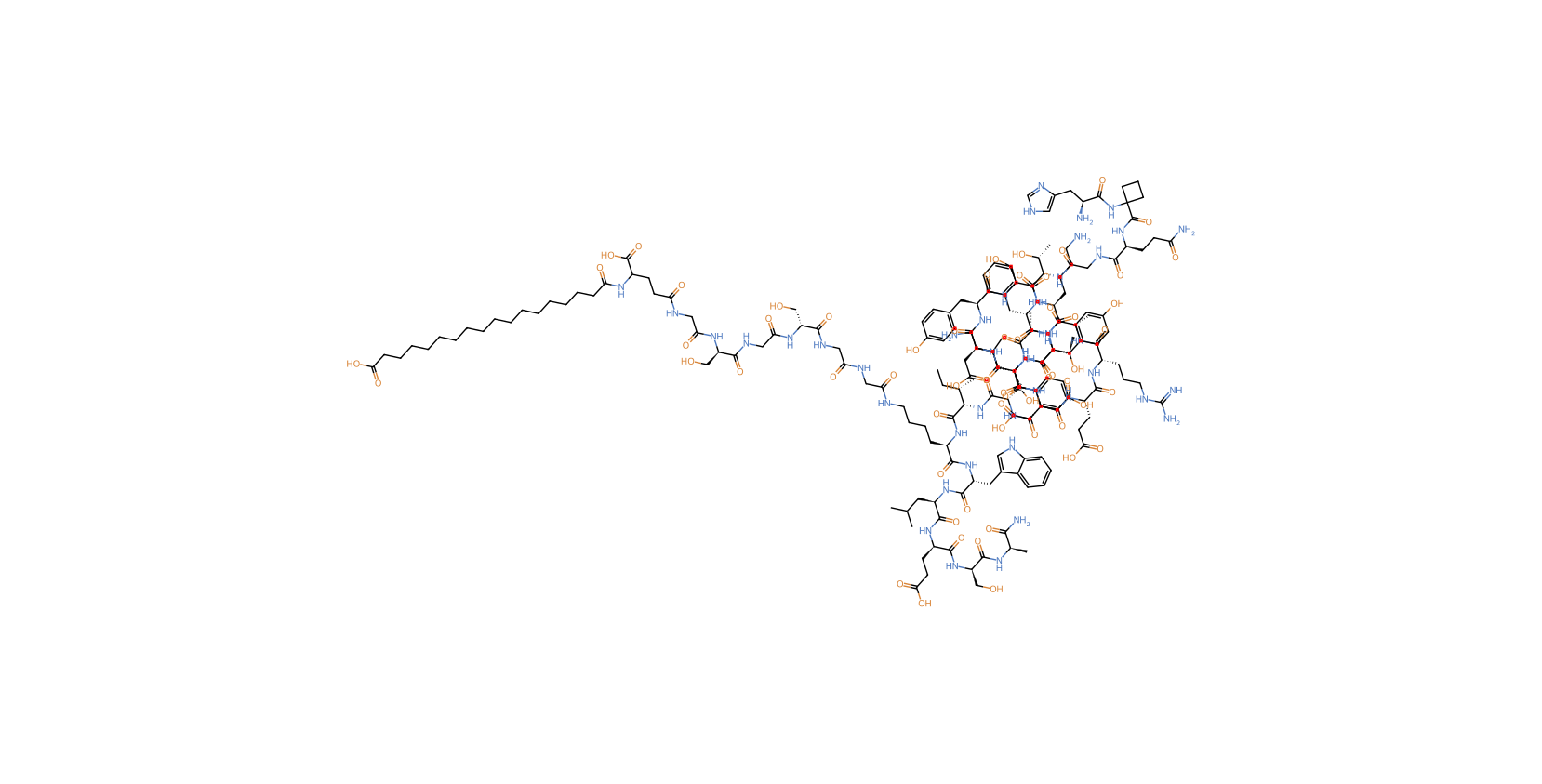
| Molecular/sequence identity | 29-amino-acid synthetic peptide; dual agonist at GLP-1 and glucagon receptors |
| Modifications/form | Solution for Administered into the tissue layer under the skin. Definition source: Neutral gloss; usage context: Routes, devices, and absorption primer · Glossary injection; once-weekly administration |
| Stable identifiers | WHO INN: survodutide; CAS: pending; The record number of a compound in PubChem, the atlas's primary structure-asset source. A registry record or depiction does not authenticate a commercial sample. Definition source: Identity and structure assets methodology · Glossary: 168429725 |
| Identity caveats | Full amino acid sequence has not been published in open-source or peer-reviewed form. Structure is known from patent filings and INN documentation. |
Development and approval status
| Jurisdiction | Status and indication | Product/source | As of |
|---|---|---|---|
| US (FDA) | Not approved; Breakthrough Therapy designation for MASH | Boehringer Ingelheim / Zealand Pharma | Sep 2024 |
| EU (EMA) | Not approved; PRIME designation for MASH | Boehringer Ingelheim / Zealand Pharma | 2024 |
| Clinical development | Phase 3 SYNCHRONIZE program (obesity); LIVERAGE program (MASH); ongoing | Boehringer Ingelheim | Aug 2026 |
- UNITED STATES
- US (FDA): Not approved; Breakthrough Therapy designation for MASH
- EU/EEA
- EU (EMA): Not approved; PRIME designation for MASH
- UNITED KINGDOM
- No UNITED KINGDOM row is present in the source status table
- OTHER DOCUMENTED
- Clinical development: Phase 3 SYNCHRONIZE program (obesity); LIVERAGE program (MASH); ongoing
Sport status: WADA: S0 — non-approved pharmacological substance. As an unapproved dual GLP-1/glucagon receptor agonist, it falls under WADA S0 (any pharmacological substance not addressed by other sections and not approved by any governmental regulatory authority for human therapeutic use).
Mechanism and pharmacology
Survodutide is a 29-amino-acid dual agonist at the GLP-1 and glucagon receptors. GLP-1 agonism promotes insulin secretion and appetite suppression; glucagon receptor agonism increases hepatic energy expenditure and lipid oxidation. The dual mechanism is hypothesized to produce weight loss and improve liver histology in MASH by reducing steatosis, inflammation, and ballooning. The glucagon component distinguishes survodutide from pure GLP-1 agonists and from GIP-containing dual/triple agonists.
Evidence by claim
| Claim/indication | Stage | Grade | Best human evidence | Main result | Important limitations |
|---|---|---|---|---|---|
| Chronic weight management | Phase 3 [1] | B | Phase 2 (Lancet Diabetes Endocrinol 2024; n=387, 46 wk); SYNCHRONIZE-1 (NEJM 2026; n=725, 76 wk) | Phase 2: up to 18.7% weight loss; SYNCHRONIZE-1 treatment-regimen estimand: -12.2% (3.6 mg) and -13.0% (6.0 mg) vs -5.4% An inactive comparator used in a controlled study. Definition source: Neutral gloss; usage context: Evidence grading methodology · Glossary | GI adverse events were common; percentages must be interpreted using the prespecified estimand |
| MASH (NASH) with fibrosis | Phase 3 | B | Phase 2 (NEJM 2024; n=295, 48 wk) | MASH resolution without worsening fibrosis: 47% (2.4 mg), 62% (4.8 mg), 43% (6.0 mg) vs 14% placebo; fibrosis improvement ≥1 stage: 34%, 36%, 34% vs 22% | Histological endpoints with central reading; no clinical outcomes (cirrhosis, decompensation, mortality) |
| Weight management without T2D | Phase 3 [1] | B | SYNCHRONIZE-1 (n=725) | Treatment-regimen estimand at week 76: -12.2% (3.6 mg) and -13.0% (6.0 mg) vs -5.4% placebo; at least 5% loss in 72.6%, 71.9%, and 46.3%, respectively | Peer-reviewed 2026; estimand-specific interpretation required |
- AGrade A: Established for a specific labeled use
- BGrade B: Moderate human evidence
- CGrade C: Preliminary human evidence
- DGrade D: Preclinical only
- EGrade E: Anecdotal/marketing claim
- XGrade X: Evidence contradicts or does not support the claim
Text alternative for the claim-evidence diagram. Each grade is defined below:
- A — Established for a specific labeled use
- 0 claims
- B — Moderate human evidence
- 3 claims: Chronic weight management; MASH (NASH) with fibrosis; Weight management without T2D
- C — Preliminary human evidence
- 0 claims
- D — Preclinical only
- 0 claims
- E — Anecdotal/marketing claim
- 0 claims
- X — Evidence contradicts or does not support the claim
- 0 claims
Key studies
| Study | Design/population | Exposure studied | Endpoints and result | Limitations |
|---|---|---|---|---|
| Phase 2 obesity (NCT04667377) | Phase 2, A study in which participants are assigned to the study material or a comparator by chance. Definition source: Neutral gloss; usage context: Evidence grading methodology · Glossary, 46 wk; adults with obesity or overweight + comorbidity (n=387) | Survodutide 0.6–4.8 mg Administered into the tissue layer under the skin. Definition source: Neutral gloss; usage context: Routes, devices, and absorption primer · Glossary qwk (escalating doses) | Mean weight loss up to 18.7% (4.8 mg); discontinuation ~4% due to GI AEs | High attrition (~13%); active An inactive comparator used in a controlled study. Definition source: Neutral gloss; usage context: Evidence grading methodology · Glossary run-in; published in Lancet Diabetes Endocrinol (not Lancet) |
| Phase 2 MASH (NEJM 2024; NCT04771273) | Phase 2, RCT, 48 wk; biopsy-confirmed MASH, F1–F3 fibrosis (n=295) | Survodutide 2.4–6.0 mg SC qwk vs placebo | MASH resolution without fibrosis worsening: 47% (2.4 mg), 62% (4.8 mg), 43% (6.0 mg) vs 14% placebo; fibrosis improvement ≥1 stage: 34%, 36%, 34% vs 22%; liver fat reduction ≥30%: 67% (4.8 mg) vs 14% placebo | No clinical outcome data; short duration for fibrosis trial |
| SYNCHRONIZE-1 (NCT06066515) | Phase 3, RCT, 76 wk; obesity without T2D (n=725) [1] | Survodutide adjusted up to 3.6 mg or 6.0 mg SC once weekly vs placebo | Treatment-regimen estimand: -12.2% (3.6 mg) and -13.0% (6.0 mg) vs -5.4% placebo; at least 5% loss in 72.6%, 71.9%, and 46.3%, respectively | Peer-reviewed 2026 (PMID 42253238); no deaths reported; estimand-specific interpretation required |
Dose and administration evidence
Approved labeled regimen
Not applicable — no marketing authorization was identified in the major regulator databases reviewed as of the verification date.
Studied regimens (not recommendations)
No established or recommended human dose.
Phase 2 trials used once-weekly Administered into the tissue layer under the skin. Definition source: Neutral gloss; usage context: Routes, devices, and absorption primer · Glossary administration with forced dose escalation over multiple weeks. Highest studied weekly doses: 4.8 mg (obesity Phase 2), 6.0 mg (MASH Phase 2). SYNCHRONIZE-1 studied doses adjusted up to 3.6 mg or 6.0 mg once weekly. These trial exposures are descriptive, not recommended regimens.
What is not established
No safe or effective dose has been confirmed by regulatory review. Optimal dose-escalation protocol, maximum tolerated dose, durability of effect beyond 76 weeks, and long-term safety are not established.
Safety
Established label risks
Not applicable — no approved label exists.
Human-study signals
GI adverse events (nausea, vomiting, diarrhea) are the most common AE and the primary cause of discontinuation (~4% in Phase 2 obesity trial).
Heart rate increase (dose-dependent) observed.
Injection-site reactions reported.
No pancreatitis or biliary event signal identified in available data.
Unknowns and product-quality risks
No long-term safety data beyond 76 weeks.
Cardiovascular safety not evaluated in dedicated CVOT.
Carcinogenicity not characterized.
Thyroid C-cell risk extrapolated from GLP-1 class; no rodent bioassay published.
A clinical-stage candidate with scientific or public relevance. Investigation is not approval, and a studied exposure is not a recommendation. Definition source: Scope and selection methodology · Glossary material; any substance sold as "survodutide" may not match the clinical trial material in identity, purity, or strength.
Interactions and special populations
Drug–drug: Likely delays gastric emptying (GLP-1 class effect); no formal interaction studies.
Pregnancy/lactation: No data.
Pediatric: Not studied.
Renal/hepatic impairment: No dedicated studies.
Regulatory, compounding, and sport notes
Regulatory status: No marketing authorization was identified in the major regulator databases reviewed. FDA Breakthrough Therapy (MASH, Sep 2024). EMA PRIME (MASH). Phase 3 ongoing.
The World Anti-Doping Agency; its Prohibited List classifies many peptides as prohibited substances in sport. Definition source: WADA and sport regulation brief · Glossary: WADA Prohibited List class S0 (non-approved substances): pharmacological substances not addressed elsewhere in the list and with no current approval by any governmental regulatory health authority for human therapeutic use. Definition source: WADA and sport regulation brief · Glossary — non-approved pharmacological substance. As an unapproved dual GLP-1/glucagon receptor agonist, it falls under WADA S0 (any pharmacological substance not addressed by other sections and not approved by any governmental regulatory authority for human therapeutic use).
Compounding: No FDA-approved product or EMA-authorized medicine was identified. This page does not establish compounding eligibility or legality; those questions are jurisdiction-, facility-, and fact-specific.
Drug shortages: Not applicable.
Evidence gaps
Full amino acid sequence not publicly available. No CVOT data. No direct comparison against semaglutide, tirzepatide, or retatrutide. No long-term (≥5-year) safety or efficacy data. MASH Phase 3 results not yet reported. No data on the identity or quality of unapproved supply.
Search notes
Databases and registries: ClinicalTrials.gov, PubMed, FDA, EMA.
Search terms: "survodutide", "BI 456906", "SYNCHRONIZE", "LIVERAGE", "MASH", "NASH", "NCT04667377", "NCT04771273".
Last searched: 2026-08-06.
Inclusion emphasis: Published Phase 2 trials, regulatory designations, Phase 3 trial registries, and sponsor press releases.
Sources
Boehringer Ingelheim. Survodutide (BI 456906) FDA Breakthrough Therapy designation for MASH. News release. Sep 2024. Accessed 2026-08-06. https://www.boehringer-ingelheim.com/us/press-releases
le Roux CW, Steen O, Lucas KJ, Startseva E, Unseld A, Hennige AM. Glucagon and GLP-1 receptor dual agonist survodutide for obesity: a randomised, double-blind, placebo-controlled, dose-finding phase 2 trial. Lancet Diabetes Endocrinol. 2024;12(3):179–191. DOI: 10.1016/S2213-8587(23)00356-X. PMID: 38330987. https://doi.org/10.1016/S2213-8587(23)00356-X
Sanyal AJ, Bedossa P, Fourman LT, et al. A Phase 2 randomized trial of survodutide in MASH and fibrosis. N Engl J Med. 2024;391(22):2119–2129. DOI: 10.1056/NEJMoa2401755. PMID: 38847460. https://doi.org/10.1056/NEJMoa2401755
ClinicalTrials.gov. SYNCHRONIZE-1 (NCT06066515). Boehringer Ingelheim. Updated Mar 2026. Accessed 2026-08-06. https://clinicaltrials.gov/ct2/show/NCT06066515
ClinicalTrials.gov. LIVERAGE MASH Phase 3 program (multiple protocols). Updated 2025–2026. Accessed 2026-08-06. https://clinicaltrials.gov/ct2/show/NCT06526819
le Roux CW, Wharton S, Startseva E, et al.; SYNCHRONIZE-1 Investigators. Survodutide Once Weekly for the Treatment of Adults with Obesity. N Engl J Med. 2026. DOI: 10.1056/NEJMoa2600751. PMID: 42253238. https://pubmed.ncbi.nlm.nih.gov/42253238/
Boehringer Ingelheim. SYNCHRONIZE-1 topline results. News release. Apr
Accessed 2026-08-06. https://www.boehringer-ingelheim.com/us/press-releases
Boehringer Ingelheim. Survodutide (BI 456906) receives EMA PRIME designation for MASH. News release. 2024. Accessed 2026-08-06. https://www.boehringer-ingelheim.com/us/press-releases