Bottom line
Synthetic amylin analog approved as an adjunct to mealtime insulin for type 1 and type 2 diabetes. Modest HbA1c reduction (0.3–0.7%) and weight loss (1.8–3.6 kg). FDA approval remains in place. The official DailyMed Structured Product Label (SPL) lists January 31, 2027 as the marketing end date for the two SymlinPen package records, but that administrative field does not establish real-time pharmacy stock or continued manufacturing. This atlas therefore does not make a claim about current point-of-care availability.
Identity and composition
| Field | Verified information |
|---|---|
| Preferred name | Pramlintide |
| Key aliases | Symlin, AC137 |
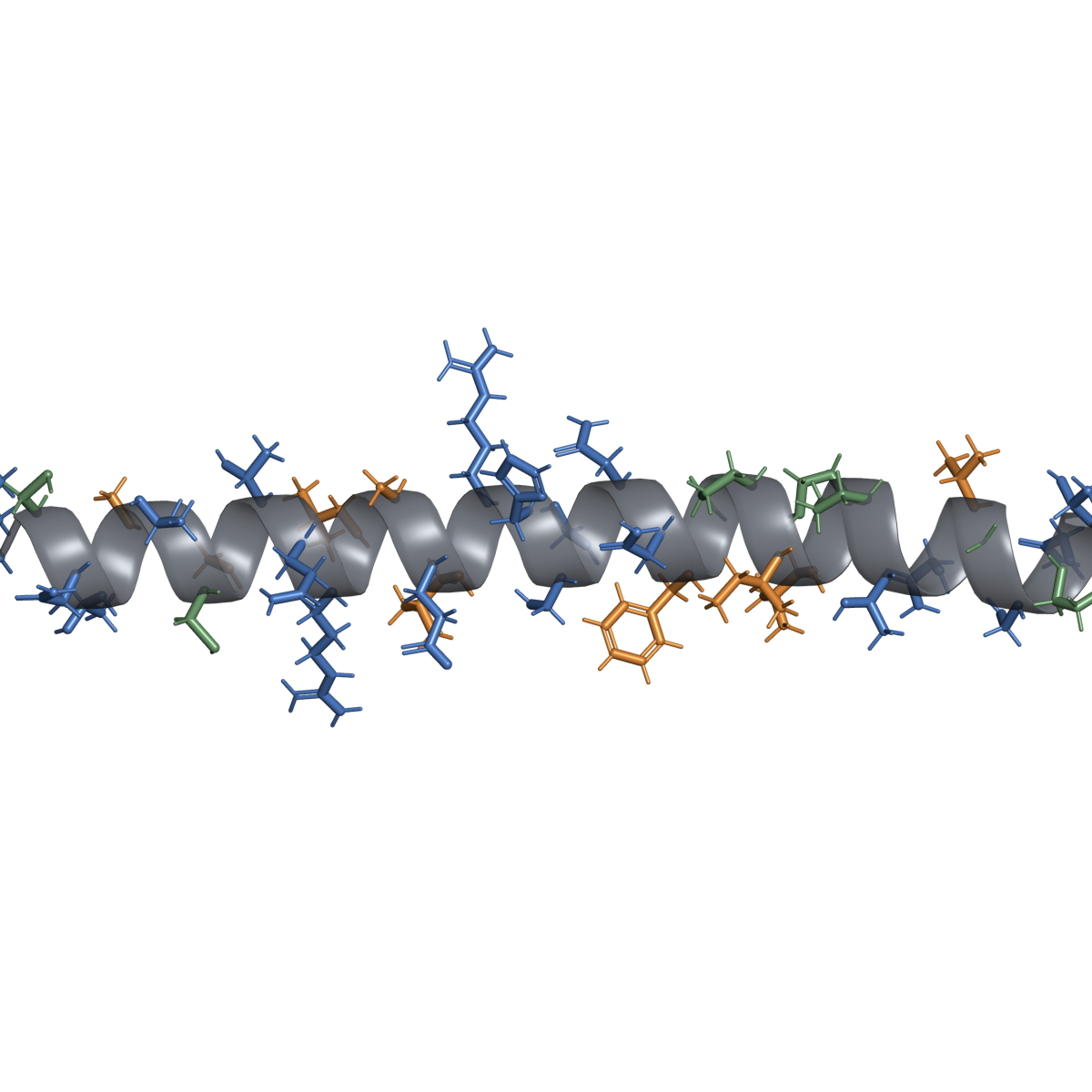
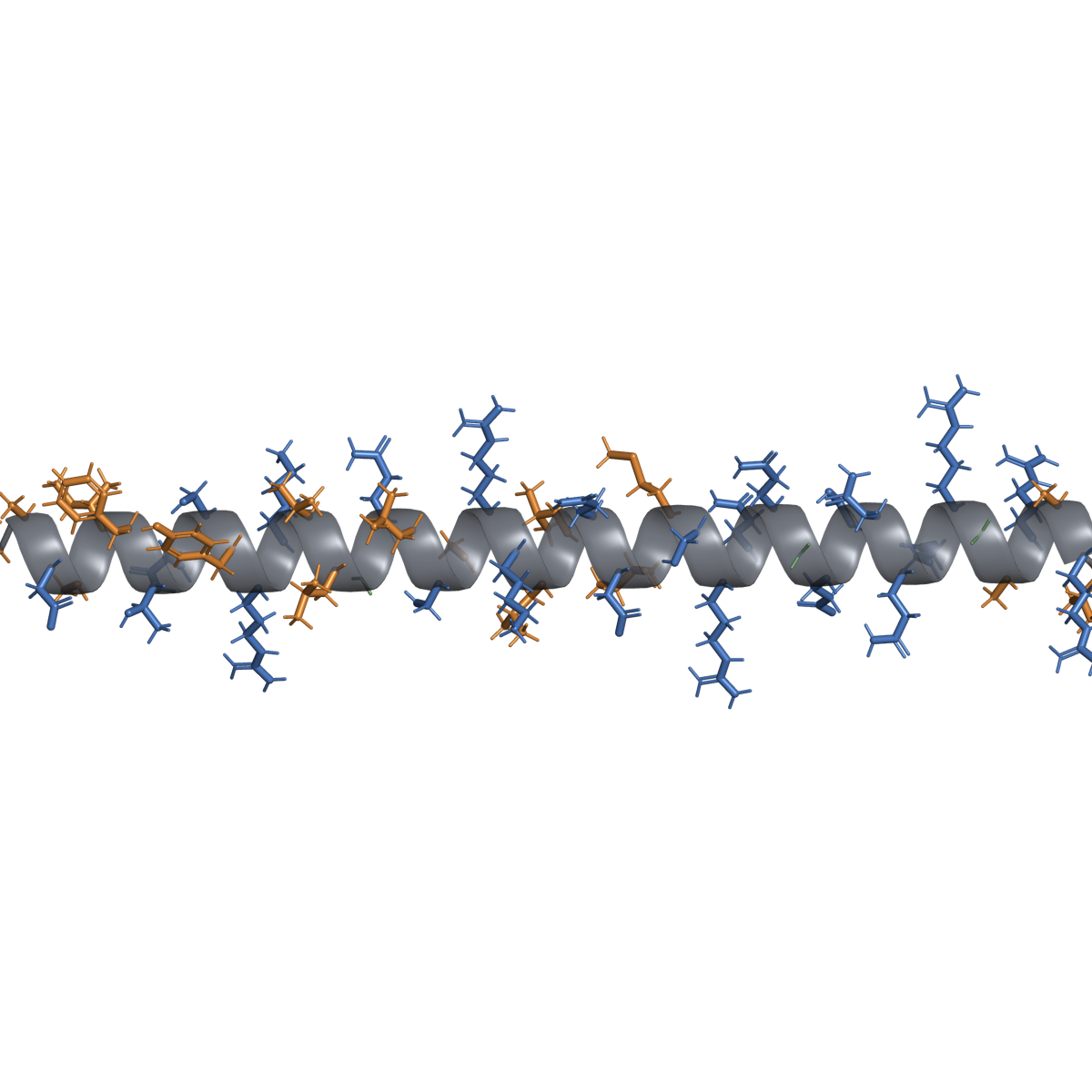
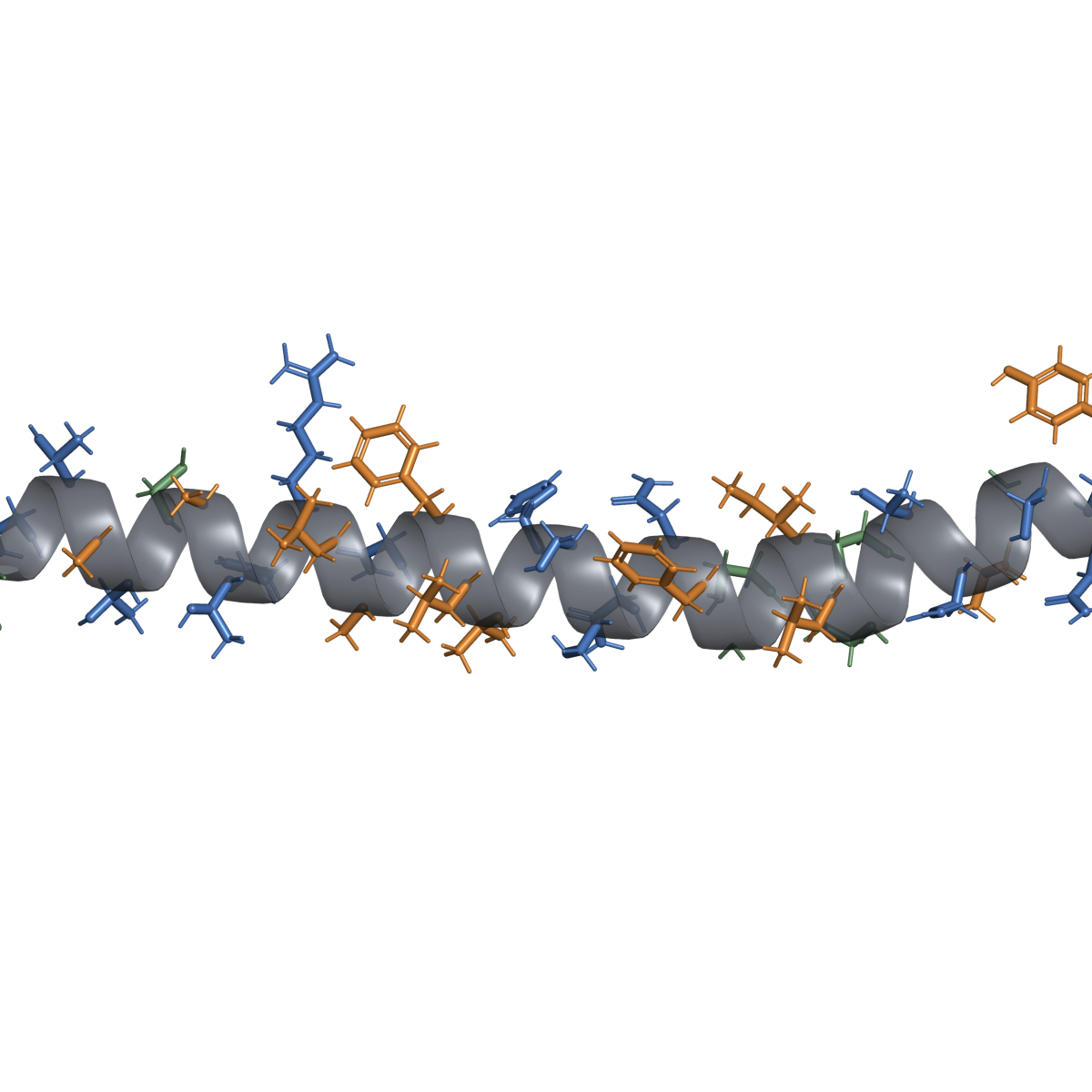
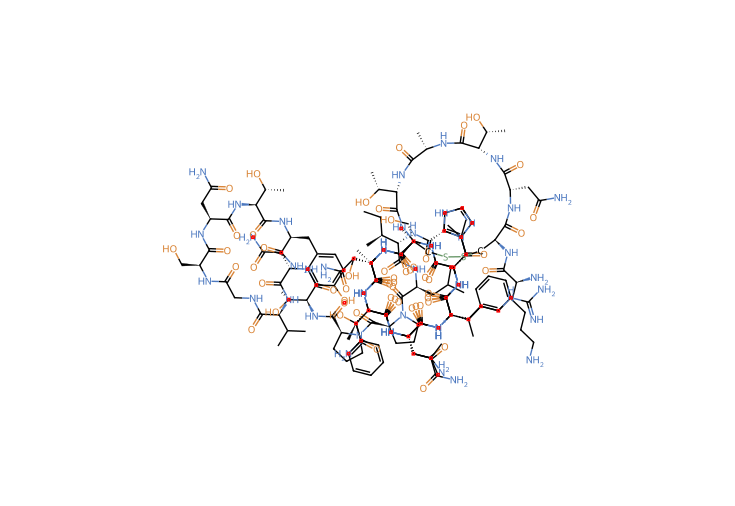
| Molecular/sequence identity | KCNTATCATQRLANFLVHSSNNFGPILPPTNVGSNTY-NH2 (37 amino acids; human amylin with Pro substitutions at positions 25, 28, 29) |
| Modifications/form | C-terminal amide; acetate salt |
| Stable identifiers | The record number of a compound in PubChem, the atlas's primary structure-asset source. A registry record or depiction does not authenticate a commercial sample. Definition source: Identity and structure assets methodology · Glossary: 70691388; CAS 151126-32-8; WHO ATC A10BX08; DrugBank DB01302 |
| Identity caveats | The Pro25, Pro28, Pro29 substitutions reduce aggregation while preserving receptor activity. The current DailyMed SPL describes 1.5 mL SymlinPen 60 and 2.7 mL SymlinPen 120 presentations, both containing 1000 mcg/mL pramlintide. Earlier FDA labeling also described a 5 mL vial containing 600 mcg/mL; presentations and concentrations must not be conflated. |
Development and approval status
| Jurisdiction | Status and indication | Product/source | As of |
|---|---|---|---|
| US (FDA) | NDA 021332 remains FDA-approved — adjunct to mealtime insulin for T1D and T2D | Symlin/SymlinPen; DailyMed package records list a January 31, 2027 marketing end date, which is not proof of current stock or manufacturing | Aug 2026 |
| EU (EMA) | Not approved | — | Aug 2026 |
- UNITED STATES
- US (FDA): NDA 021332 remains FDA-approved — adjunct to mealtime insulin for T1D and T2D
- EU/EEA
- EU (EMA): Not approved
- UNITED KINGDOM
- No UNITED KINGDOM row is present in the source status table
- OTHER DOCUMENTED
- No OTHER DOCUMENTED row is present in the source status table
Sport status: WADA status: not prohibited.
Mechanism and pharmacology
Pramlintide is an amylin receptor agonist that mimics the physiological actions of An entry with substantial scientific visibility or identity value. Biological rationale and non-human evidence do not establish patient benefit. Definition source: Scope and selection methodology · Glossary amylin co-secreted with insulin by pancreatic beta cells. It slows gastric emptying, suppresses postprandial glucagon secretion, and increases satiety via central (area postrema) signaling. Unlike native amylin, the Pro substitutions prevent aggregation and fibril formation in solution.
Evidence by claim
| Claim/indication | Stage | Grade | Best human evidence | Main result | Important limitations |
|---|---|---|---|---|---|
| Adjunct to insulin in T1D — glycemic control | Approved | A | Pooled Phase 3 A study in which participants are assigned to the study material or a comparator by chance. Definition source: Neutral gloss; usage context: Evidence grading methodology · Glossary (n>2,300, 26–52 wk) | HbA1c reduction 0.3–0.4% vs An inactive comparator used in a controlled study. Definition source: Neutral gloss; usage context: Evidence grading methodology · Glossary; weight loss ~1.8 kg | Modest magnitude; all on insulin background; injection burden increased |
| Adjunct to insulin in T2D — glycemic control | Approved | A | Phase 3 RCTs (n~1,200, 26–52 wk) | HbA1c reduction 0.5–0.68%; weight loss 2.5–3.6 kg | Modest; no independent CV outcomes |
| Weight loss in T1D/T2D (secondary endpoint) | Approved adjunct | A | Pooled Phase 3 data | Weight loss 1.8–3.6 kg across trials | Not primary indication; modest |
- AGrade A: Established for a specific labeled use
- BGrade B: Moderate human evidence
- CGrade C: Preliminary human evidence
- DGrade D: Preclinical only
- EGrade E: Anecdotal/marketing claim
- XGrade X: Evidence contradicts or does not support the claim
Text alternative for the claim-evidence diagram. Each grade is defined below:
- A — Established for a specific labeled use
- 3 claims: Adjunct to insulin in T1D — glycemic control; Adjunct to insulin in T2D — glycemic control; Weight loss in T1D/T2D (secondary endpoint)
- B — Moderate human evidence
- 0 claims
- C — Preliminary human evidence
- 0 claims
- D — Preclinical only
- 0 claims
- E — Anecdotal/marketing claim
- 0 claims
- X — Evidence contradicts or does not support the claim
- 0 claims
Key studies
| Study | Design/population | Exposure studied | Endpoints and result | Limitations |
|---|---|---|---|---|
| Symlin Postprandial Glucose Control in T1D (multiple Phase 3 trials) | A study in which participants are assigned to the study material or a comparator by chance. Definition source: Neutral gloss; usage context: Evidence grading methodology · Glossary, T1D on mealtime insulin, 26–52 wk | Pramlintide 30–60 mcg Administered into the tissue layer under the skin. Definition source: Neutral gloss; usage context: Routes, devices, and absorption primer · Glossary before meals | HbA1c –0.3 to –0.4%; weight –1.8 kg; postprandial glucose excursion reduced | Modest effect size; increased nausea and hypoglycemia |
| Symlin Postprandial Glucose Control in T2D (multiple Phase 3 trials) | RCT, T2D on insulin ± OADs, 26–52 wk | Pramlintide 120 mcg SC before meals | HbA1c –0.5 to –0.68%; weight –2.5 to –3.6 kg | Modest; no CV outcome trial required by approval |
| Ratner RE, et al. (Diabet Med 2004) | 52-wk RCT (n=651), insulin + pramlintide vs insulin + An inactive comparator used in a controlled study. Definition source: Neutral gloss; usage context: Evidence grading methodology · Glossary | Pramlintide 30–60 mcg SC before meals | HbA1c –0.39% vs –0.13%; weight –2.0 kg vs +0.5 kg | Nausea 48% vs 18%; severe hypoglycemia ~2× placebo |
Dose and administration evidence
Approved labeled regimen
The label summary below is product-, indication-, and jurisdiction-specific; consult the full current label and a licensed clinician/pharmacist.
The entries summarize the cited US FDA Symlin label for its approved adjunctive uses with mealtime insulin.
T1D: Initial 15 mcg Administered into the tissue layer under the skin. Definition source: Neutral gloss; usage context: Routes, devices, and absorption primer · Glossary before each major meal; titrate in 15-mcg increments every 3–7 days to maintenance 60 mcg if tolerated.
T2D: Initial 60 mcg SC before each major meal; titrate in 60-mcg increments to maintenance 120 mcg.
Concurrent mealtime insulin dose must be reduced by 50% at initiation.
Studied regimens (not recommendations)
Higher doses (up to 180 mcg) studied but not labeled.
No sustained-release or long-acting formulation has been approved.
What is not established
No data for use without concurrent mealtime insulin.
Safety and efficacy in pediatric patients younger than 18 years not established.
Available human pregnancy data are insufficient to determine a drug-associated risk; the current FDA label does not use the former pregnancy letter-category system.
Safety
Established label risks
Boxed warning: Severe hypoglycemia, particularly within 3 hours of injection in T1D patients.
Nausea (~50% in T1D, ~30% in T2D) — generally diminishes over 4 weeks.
Anorexia, vomiting, dizziness.
Human-study signals
No evidence of pancreatitis or C-cell hyperplasia/hypertension signal in clinical trials.
No CVOT required or completed; CV safety inferred from absence of signal in pooled data.
Unknowns and product-quality risks
If an approved product is unavailable at a particular point of care, compounded, foreign-sourced, or An entry with frequent visibility in the research-peptide ecosystem. Visibility is not endorsement, and marketed material is not assumed safe, sterile, authentic, or suitable for humans. Definition source: Scope and selection methodology · Glossary material should not be assumed equivalent in identity, quality, sterility, or delivery performance.
Long-term label claims (beyond 1 year) limited.
Interactions and special populations
Additive hypoglycemia with insulin (label-mandated 50% insulin dose reduction at initiation).
No interaction studies reported with oral antidiabetic agents, but no additive hypoglycemia observed with metformin or TZDs.
Contraindicated in gastroparesis and in patients with hypoglycemia unawareness.
No dose adjustment in mild–moderate renal impairment; not studied in dialysis.
Regulatory, compounding, and sport notes
FDA-approved Symlin (NDA 021332). The DailyMed SPL lists January 31, 2027 marketing end dates for the SymlinPen package records. FDA approval, an SPL marketing-end field, manufacturer production, wholesaler distribution, and pharmacy stock are different facts; the latter three are not established here.
The World Anti-Doping Agency; its Prohibited List classifies many peptides as prohibited substances in sport. Definition source: WADA and sport regulation brief · Glossary status: not prohibited.
Evidence gaps
Real-time US manufacturing, distribution, and pharmacy availability were not established from the primary regulatory sources reviewed here.
No approved generic identified in the sources reviewed.
No long-term (exceeding 52 week) controlled data.
No CVOT.
Safety in pregnancy categorically not established.
No pediatric approval.
Search notes
Databases and registries: DailyMed (Symlin label), ClinicalTrials.gov, PubMed, FDA Orange Book.
Search terms: "pramlintide" OR "Symlin" OR "AC137".
Last searched: 2026-08-06.
Inclusion emphasis: FDA-approved label, pivotal Phase 3 trials, systematic reviews.
Sources
DailyMed. SymlinPen (pramlintide acetate) injection, NDA 021332; official SPL including package marketing dates. https://dailymed.nlm.nih.gov/dailymed/drugInfo.cfm?setid=4aea30ff-eb0d-45c1-b114-3127966328ff
Ratner RE, et al. Amylin replacement with pramlintide as an adjunct to insulin therapy improves long-term glycaemic and weight control in type 1 diabetes: a 1-year, randomized controlled trial. Diabet Med. 2004;21(11):1204–1212. DOI: 10.1111/j.1464-5491.2004.01319.x. PMID: 15498087. https://doi.org/10.1111/j.1464-5491.2004.01319.x
Whitehouse F, et al. Effect of pramlintide on postprandial glycemic excursions and weight in type 2 diabetes. Diabetes Care. 2002;25(4):724–730. https://doi.org/10.2337/diacare.25.4.724
Hollander P, et al. Pramlintide as an adjunct to insulin therapy improves long-term glycemic and weight control in patients with type 2 diabetes: a 1-year randomized controlled trial. Diabetes Care. 2003;26(3):784–790. DOI: 10.2337/diacare.26.3.784. PMID: 12610038. https://doi.org/10.2337/diacare.26.3.784
DrugBank DB01278 — Pramlintide. https://go.drugbank.com/drugs/DB01278. Accessed 2026-08-06.
FDA. Symlin (pramlintide acetate) prescribing information, revised December 2019. https://www.accessdata.fda.gov/drugsatfda_docs/label/2019/021332s028lbl.pdf