Bottom line
Nafarelin (Synarel) is a synthetic decapeptide GnRH agonist delivered as an intranasal spray — the only GnRH agonist with this route in the US. Approved for central precocious puberty (CPP) in children and management of endometriosis in women ≥18 years. The intranasal route avoids injection but requires strict twice-daily compliance. Dosing differs substantially between the two indications. Initial transient stimulation of sex steroids occurs before gonadotropin suppression.
Identity and composition
| Field | Verified information |
|---|---|
| Preferred name | Nafarelin |
| Key aliases | Synarel; nafarelin acetate |
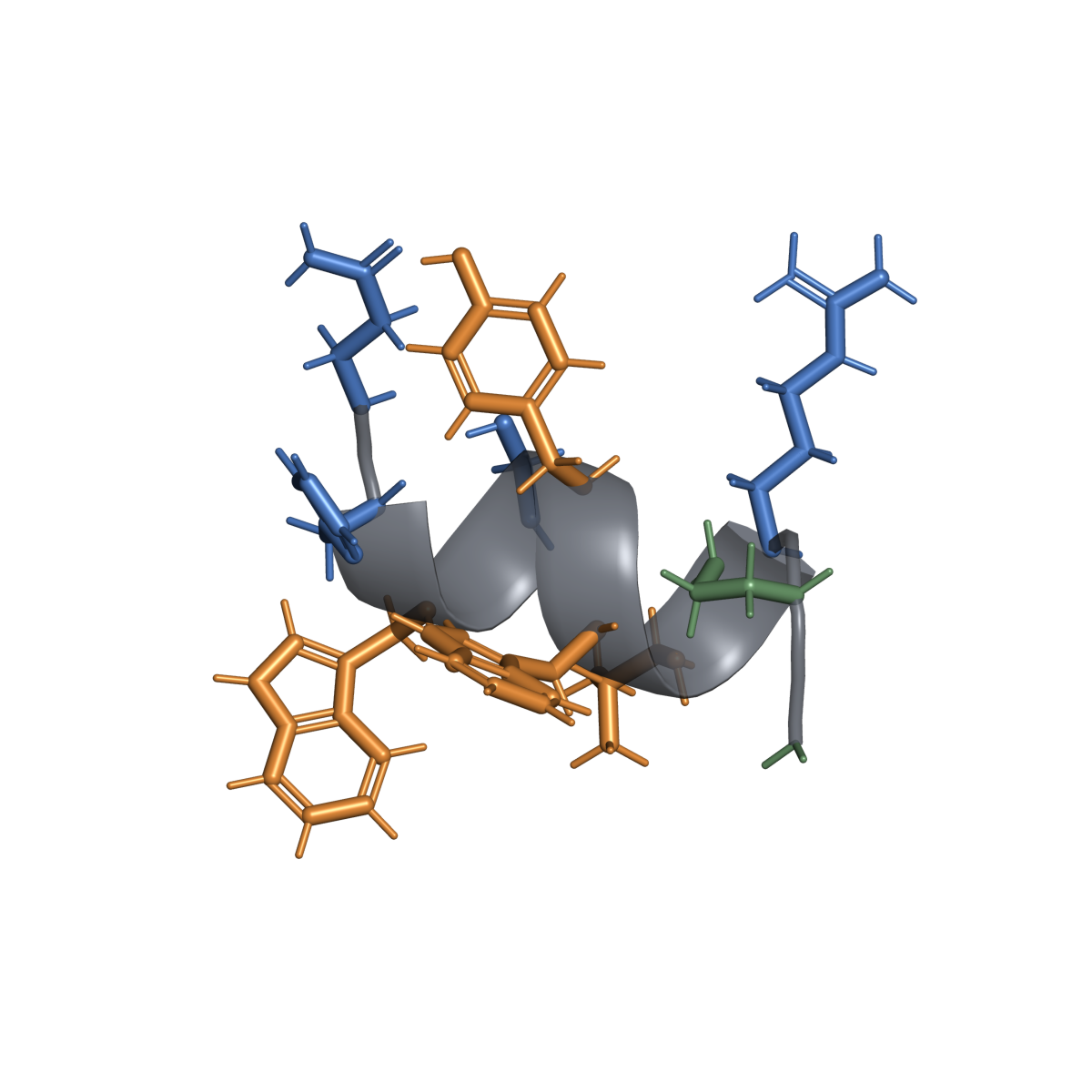
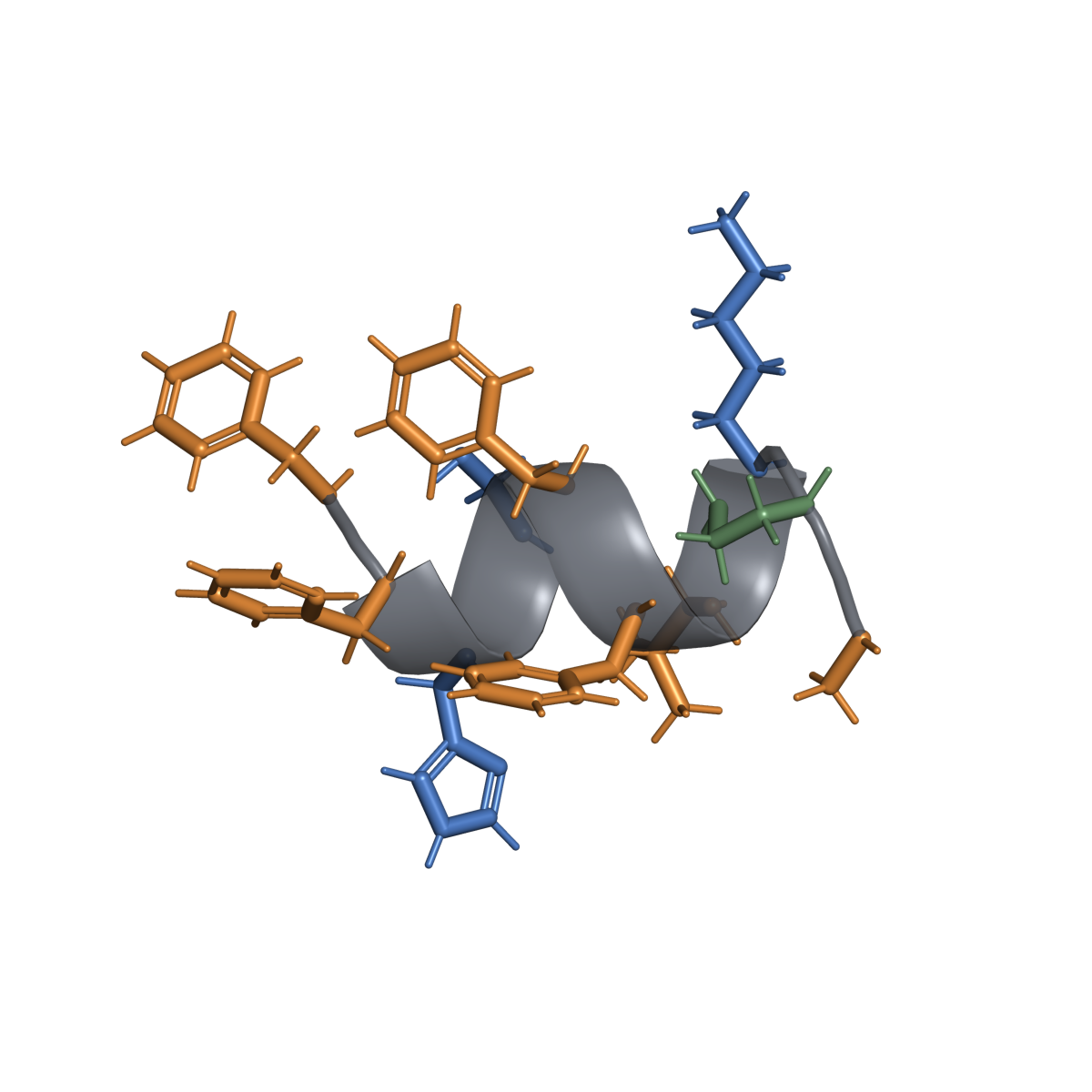
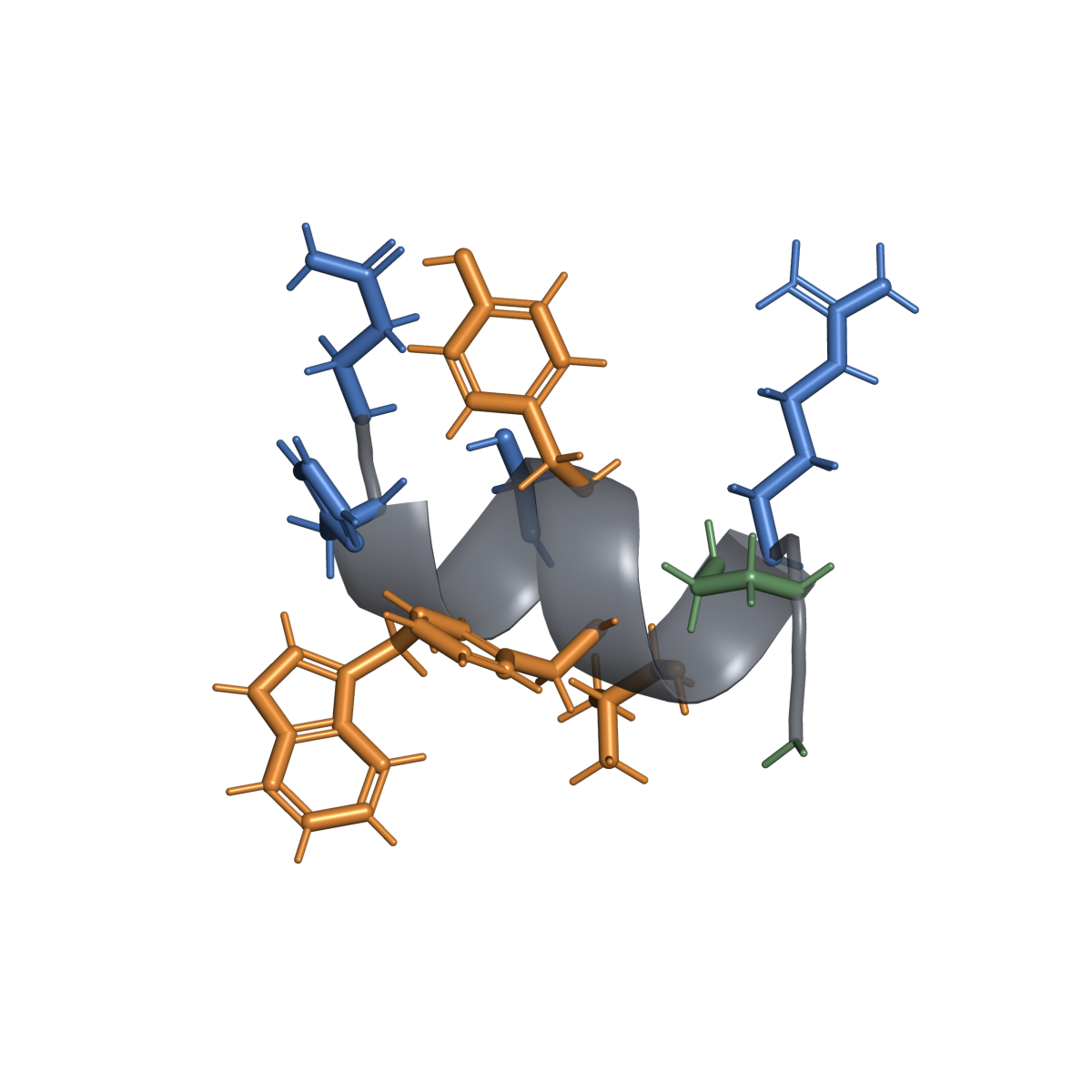
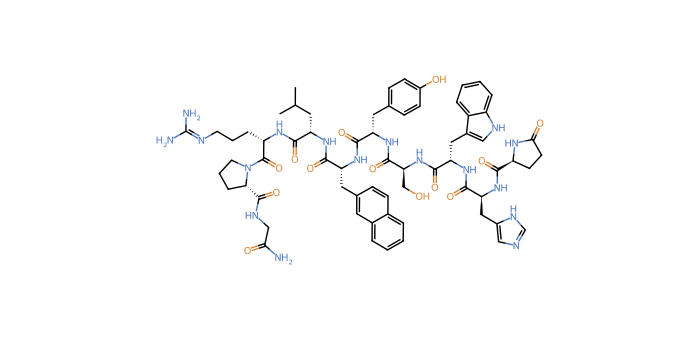
| Molecular/sequence identity | pGlu-His-Trp-Ser-Tyr-3-(2-naphthyl)-D-Ala-Leu-Arg-Pro-Gly-NH2 (decapeptide) |
| Modifications/form | D-3-(2-naphthyl)alanine at position 6; acetate salt; nasal spray (2 mg/mL) |
| Stable identifiers | The record number of a compound in PubChem, the atlas's primary structure-asset source. A registry record or depiction does not authenticate a commercial sample. Definition source: Identity and structure assets methodology · Glossary 25077405; UNII 1X0094V6JV |
| Identity caveats | Distinct from other GnRH agonists in structure and route. The 200 µg/spray concentration is specific to Synarel; not interchangeable |
Development and approval status
| Jurisdiction | Status and indication | Product/source | As of |
|---|---|---|---|
| US (FDA) | Approved: CPP and endometriosis | Synarel (Pfizer) | Original: 1990; label updates through 2012 |
| EU (EMA) | Approved in some member states | Synarel | Ongoing (limited availability in some countries) |
| UK (MHRA) | Approved | Synarel | Ongoing |
- UNITED STATES
- US (FDA): Approved: CPP and endometriosis
- EU/EEA
- EU (EMA): Approved in some member states
- UNITED KINGDOM
- UK (MHRA): Approved
- OTHER DOCUMENTED
- No OTHER DOCUMENTED row is present in the source status table
Sport status: WADA: Nafarelin is explicitly prohibited at all times in males under S2.2.1 as a GnRH agonist analogue. GnRH analogues are monitored, not prohibited on that basis, in female athletes under 18 in 2026.
Mechanism and pharmacology
GnRH agonist. Continuous intranasal administration desensitises pituitary GnRH receptors, suppressing LH/FSH and sex steroid production. The 3-(2-naphthyl)-D-alanine substitution at position 6 confers high potency. Intranasal The fraction of an administered amount that reaches systemic circulation; for the intravenous route the atlas notes bioavailability is defined as complete. Definition source: Neutral gloss; usage context: Routes, devices, and absorption primer · Glossary ~3-4% relative to Administered into a vein. Definition source: Neutral gloss; usage context: Routes, devices, and absorption primer · Glossary. Twice-daily dosing maintains suppression. Initial transient stimulation (first month) causes temporary increase in pubertal signs (CPP) or vaginal bleeding (endometriosis).
Evidence by claim
| Claim/indication | Stage | Grade | Best human evidence | Main result | Important limitations |
|---|---|---|---|---|---|
| Central precocious puberty | Approved | A | Controlled studies in CPP children | LH/sex steroid suppression to prepubertal levels; arrested bone age advancement; improved adult height | Strict compliance needed; nasal irritation |
| Endometriosis (pain relief) | Approved | A | Controlled studies; 6-month duration | Significant pain and lesion reduction vs An inactive comparator used in a controlled study. Definition source: Neutral gloss; usage context: Evidence grading methodology · Glossary; comparable to other GnRH agonists | 6-month limit; BMD loss; not for retreatment |
- AGrade A: Established for a specific labeled use
- BGrade B: Moderate human evidence
- CGrade C: Preliminary human evidence
- DGrade D: Preclinical only
- EGrade E: Anecdotal/marketing claim
- XGrade X: Evidence contradicts or does not support the claim
Text alternative for the claim-evidence diagram. Each grade is defined below:
- A — Established for a specific labeled use
- 2 claims: Central precocious puberty; Endometriosis (pain relief)
- B — Moderate human evidence
- 0 claims
- C — Preliminary human evidence
- 0 claims
- D — Preclinical only
- 0 claims
- E — Anecdotal/marketing claim
- 0 claims
- X — Evidence contradicts or does not support the claim
- 0 claims
Key studies
| Study | Design/population | Exposure studied | Endpoints and result | Limitations |
|---|---|---|---|---|
| CPP pivotal studies | A study in which participants and investigators know what is administered. Definition source: Neutral gloss; usage context: Evidence grading methodology · Glossary; children with CPP | Synarel 1600-1800 µg/day IN | LH suppression; bone age velocity decreased | Limited comparative data |
| Endometriosis A study in which participants are assigned to the study material or a comparator by chance. Definition source: Neutral gloss; usage context: Evidence grading methodology · Glossary | An inactive comparator used in a controlled study. Definition source: Neutral gloss; usage context: Evidence grading methodology · Glossary-controlled; women ≥18 y | Synarel 400 µg/day IN × 6 months | Pain reduction; laparoscopic improvement | BMD loss; not studied >6 months; retreatment not recommended |
Dose and administration evidence
Approved labeled regimen
The label summary below is product-, indication-, and jurisdiction-specific; consult the full current label and a licensed clinician/pharmacist.
CPP (children):
1600 µg/day (2 sprays [400 µg] into each nostril AM + 2 sprays each nostril PM = 8 sprays/day)
May increase to 1800 µg/day if inadequate suppression
Continue until resumption of puberty desired
Endometriosis (women ≥18 y):
400 µg/day (1 spray [200 µg] into one nostril AM + 1 spray into other nostril PM)
Maximum 6 months; retreatment not recommended
Start between cycle days 2-4
Route: Intranasal spray only
What is not established
No established or recommended dose for any other indication.
Safety
Established label risks
Estrogen suppression effects: Hot flashes, vaginal dryness, decreased libido, headache, mood changes, emotional lability.
Bone mineral density loss — primarily with endometriosis use; partially reversible after discontinuation.
Initial stimulation (first 2 months): menstrual bleeding, transient CPP symptom increase.
Nasal irritation.
Acne, muscle pain, reduced breast size (in endometriosis patients).
Hypersensitivity to GnRH, GnRH agonists, or excipients.
Contraindicated in pregnancy, undiagnosed vaginal bleeding.
Unknowns and product-quality risks
Nasal absorption affected by nasal congestion/decongestant use (separate by ≥2 hours).
Sneezing after administration may reduce absorption.
Interactions and special populations
Nasal decongestants: Use ≥2 hours after Synarel.
Contraception: Non-hormonal methods required during endometriosis treatment; birth control pills not recommended.
Pregnancy: Contraindicated; may cause fetal harm.
Bone density risk factors: Alcohol, smoking, family osteoporosis history, other bone-depleting medications.
Regulatory, compounding, and sport notes
US FDA: Prescription only.
The World Anti-Doping Agency; its Prohibited List classifies many peptides as prohibited substances in sport. Definition source: WADA and sport regulation brief · Glossary: Nafarelin is explicitly prohibited at all times in males under S2.2.1 as a GnRH agonist analogue. GnRH analogues are monitored, not prohibited on that basis, in female athletes under 18 in 2026.
Compounding: Not typically compounded; nasally administered product is pharmaceutical grade.
Not interchangeable with injectable GnRH agonists.
Evidence gaps
Comparative effectiveness vs depot GnRH agonists for endometriosis.
Optimal retreatment strategy if symptoms recur.
Long-term bone density recovery after single 6-month course.
Bioequivalence of compounded intranasal nafarelin.
Search notes
Databases and registries: DailyMed, Drugs@FDA, PubMed, ClinicalTrials.gov
Search terms: nafarelin, Synarel, CPP, central precocious puberty, endometriosis
Last searched: 2026-08-06
Inclusion emphasis: FDA label, pivotal studies
Sources
Synarel (nafarelin acetate) Prescribing Information (Pfizer). https://www.accessdata.fda.gov/drugsatfda_docs/label/2012/019886s030lbl.pdf
DailyMed – SYNAREL. https://dailymed.nlm.nih.gov/dailymed/drugInfo.cfm?setid=d0aa57cb-d2f4-46d7-af43-7c8b06aa81a6
Pfizer Medical – SYNAREL. https://www.pfizermedical.com/synarel
Drugs.com – Synarel. https://www.drugs.com/pro/synarel.html
PubChem CID 25077915 (nafarelin).