Bottom line
Glepaglutide (ZP1848) is a long-acting GLP-2 receptor agonist modified with a C-terminal hexa-lysine tail for extended The time for the amount of a substance in the body to fall by half. Definition source: Neutral gloss; usage context: Routes, devices, and absorption primer · Glossary, enabling twice-weekly Administered into the tissue layer under the skin. Definition source: Neutral gloss; usage context: Routes, devices, and absorption primer · Glossary dosing. Developed by Zealand Pharma, it is in phase 3 development (EASE program) for short bowel syndrome with intestinal failure (SBS-IF). The EASE-1 trial (NCT03690206) met its primary endpoint, showing a statistically significant reduction in parenteral support volume (−5.13 L/wk vs −2.85 L/wk An inactive comparator used in a controlled study. Definition source: Neutral gloss; usage context: Evidence grading methodology · Glossary, p=0.0039). A marketing-authorisation application was submitted to the EMA in June 2025. Not yet approved by FDA or EMA. The EASE-5 confirmatory trial and long-term extension study are ongoing or recently completed.
Identity and composition
| Field | Verified information |
|---|---|
| Preferred name | Glepaglutide |
| Key aliases | ZP1848 |
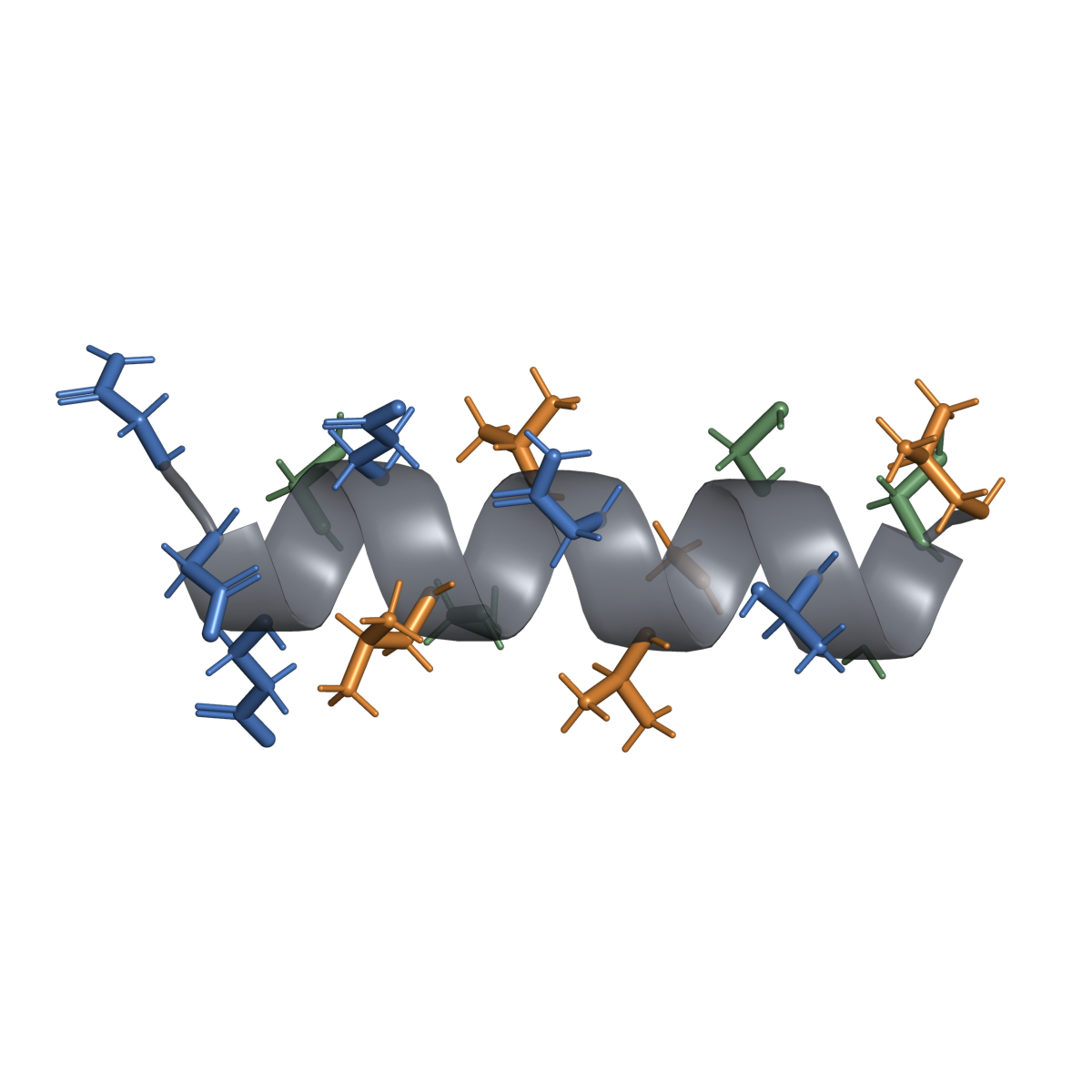
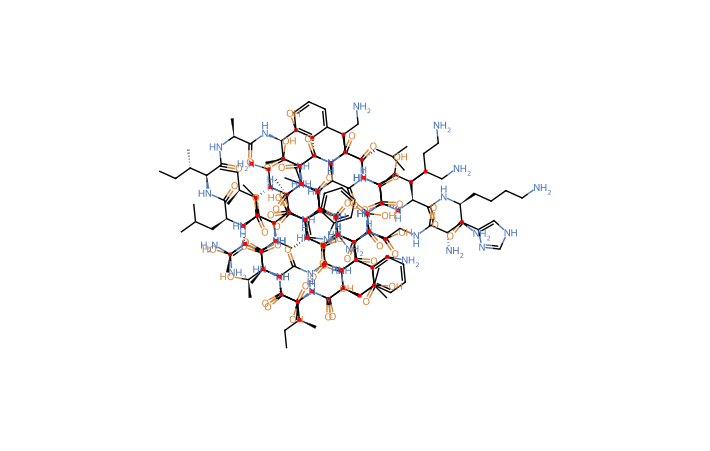
| Molecular/sequence identity | 33-mer GLP-2 analog: N-terminal His, C-terminal hexa-lysine tail with multiple substitutions (A2G, D3E, S5T, D8S, M10L, N11A, N16A, N24A, Q28A); C-terminal amide |
| Modifications/form | Acetate salt; Administered into the tissue layer under the skin. Definition source: Neutral gloss; usage context: Routes, devices, and absorption primer · Glossary solution in autoinjector |
| Stable identifiers | UNII: 4M3C1913N6; The record number of a compound in PubChem, the atlas's primary structure-asset source. A registry record or depiction does not authenticate a commercial sample. Definition source: Identity and structure assets methodology · Glossary: 146170995; CAS: 914009-86-2; DrugBank: DB14794 |
| Identity caveats | Distinct from teduglutide (daily SC) and apraglutide (weekly SC) by amino acid substitutions and dosing frequency. Not the same as dasiglucagon (Zegalogue). |
Development and approval status
| Jurisdiction | Status and indication | Product/source | As of |
|---|---|---|---|
| US (FDA) | A clinical-stage candidate with scientific or public relevance. Investigation is not approval, and a studied exposure is not a recommendation. Definition source: Scope and selection methodology · Glossary; orphan drug designation for SBS | Zealand Pharma | 2026 |
| EU (EMA) | MAA submitted June 2025; orphan designation for SBS | Zealand Pharma | 2025–2026 |
| UK (MHRA) | No marketing authorization | — | 2026 |
- UNITED STATES
- US (FDA): Investigational; orphan drug designation for SBS
- EU/EEA
- EU (EMA): MAA submitted June 2025; orphan designation for SBS
- UNITED KINGDOM
- UK (MHRA): No marketing authorization
- OTHER DOCUMENTED
- No OTHER DOCUMENTED row is present in the source status table
Sport status: WADA: S0 — non-approved pharmacological substance. As an unapproved GLP-2 receptor agonist, glepaglutide falls under WADA S0 (any pharmacological substance not addressed by other sections of the Prohibited List and not approved by any governmental regulatory authority for human therapeutic use).
Mechanism and pharmacology
GLP-2 receptor agonist. Promotes intestinal mucosal growth and adaptation, enhances nutrient and fluid absorption, reduces gastric emptying and gastric acid secretion, increases intestinal blood flow. The C-terminal hexa-lysine sequence extends The time for the amount of a substance in the body to fall by half. Definition source: Neutral gloss; usage context: Routes, devices, and absorption primer · Glossary compared to native GLP-2, enabling less frequent dosing. In the EASE-1 trial, glepaglutide twice weekly showed improvement across major SBS anatomic subgroups (jejunostomy, jejunoileal anastomosis, and colon-in-continuity).
Evidence by claim
| Claim/indication | Stage | Grade | Best human evidence | Main result | Important limitations |
|---|---|---|---|---|---|
| SBS-IF (PS reduction) | Phase 3 [1] | B | EASE-1 (NCT03690206; Jeppesen PB, et al. Gastroenterology. 2025. PMID: 39708985) | Twice-weekly 10 mg: PS volume reduction −5.13 L/wk vs −2.85 L/wk An inactive comparator used in a controlled study. Definition source: Neutral gloss; usage context: Evidence grading methodology · Glossary (p=0.0039); enteral autonomy 14% vs 0% | Once-weekly did not meet primary endpoint; not yet replicated in confirmatory trial |
- AGrade A: Established for a specific labeled use
- BGrade B: Moderate human evidence
- CGrade C: Preliminary human evidence
- DGrade D: Preclinical only
- EGrade E: Anecdotal/marketing claim
- XGrade X: Evidence contradicts or does not support the claim
Text alternative for the claim-evidence diagram. Each grade is defined below:
- A — Established for a specific labeled use
- 0 claims
- B — Moderate human evidence
- 1 claim: SBS-IF (PS reduction)
- C — Preliminary human evidence
- 0 claims
- D — Preclinical only
- 0 claims
- E — Anecdotal/marketing claim
- 0 claims
- X — Evidence contradicts or does not support the claim
- 0 claims
Key studies
| Study | Design/population | Exposure studied | Endpoints and result | Limitations |
|---|---|---|---|---|
| EASE-1 (NCT03690206) | A study in which participants are assigned to the study material or a comparator by chance. Definition source: Neutral gloss; usage context: Evidence grading methodology · Glossary, N=106, SBS-IF, 24 wk, 27 centres in 11 countries [1] | Glepaglutide 10 mg Administered into the tissue layer under the skin. Definition source: Neutral gloss; usage context: Routes, devices, and absorption primer · Glossary twice weekly or once weekly vs An inactive comparator used in a controlled study. Definition source: Neutral gloss; usage context: Evidence grading methodology · Glossary | Twice-weekly PS reduction −5.13 vs −2.85 L/wk (p=0.0039); 65.7% achieved ≥20% PS reduction; 14% enteral autonomy | Once-weekly failed; single phase 3 trial; investigator-reported outcomes |
| EASE-5 (NCT05216809) | RCT, N=~60, SBS-IF, 52 wk [1] | Glepaglutide 10 mg SC twice weekly vs placebo | Confirmatory efficacy and long-term safety | Results pending publication |
| EASE-4 (NCT04514432) | A study in which participants and investigators know what is administered. Definition source: Neutral gloss; usage context: Evidence grading methodology · Glossary extension [1] | Continued glepaglutide | Long-term safety and durability | Ongoing |
| Microbiome substudy (PMID 41759957) | Exploratory microbiome analysis in SBS-IF patients from EASE-1 [1] | Glepaglutide 10 mg SC twice weekly vs placebo | Microbiome composition changes with treatment; low baseline diversity in SBS-IF | Exploratory; clinical significance of changes not established |
Dose and administration evidence
Approved labeled regimen
No established or recommended human dose.
Studied regimens (not recommendations)
EASE-1: 10 mg Administered into the tissue layer under the skin. Definition source: Neutral gloss; usage context: Routes, devices, and absorption primer · Glossary twice weekly (once-weekly arm did not meet primary endpoint).
Dosing self-administered via single-use autoinjector after training.
What is not established
Comparison to teduglutide (the only approved GLP-2 for SBS-IF in the US) or apraglutide
Optimal duration of therapy
Efficacy in SBS subtypes not represented in EASE-1
Use in paediatric SBS
Safety
Established label risks
Not applicable (A clinical-stage candidate with scientific or public relevance. Investigation is not approval, and a studied exposure is not a recommendation. Definition source: Scope and selection methodology · Glossary).
Human-study signals
Injection site reactions (most common AE)
GI events: abdominal pain, nausea, abdominal distension
Stoma enlargement / stoma complications
Binding anti-drug antibodies detected (non-neutralizing in EASE-1)
Unknowns and product-quality risks
Long-term safety and immunogenicity data limited to EASE-4 extension
Comparative safety vs teduglutide and apraglutide not established
Research-grade material not equivalent to pharmaceutical-grade product
Interactions and special populations
No established drug interactions
No dedicated data in renal or hepatic impairment
No pregnancy/lactation data
No paediatric studies
Regulatory, compounding, and sport notes
The World Anti-Doping Agency; its Prohibited List classifies many peptides as prohibited substances in sport. Definition source: WADA and sport regulation brief · Glossary: WADA Prohibited List class S0 (non-approved substances): pharmacological substances not addressed elsewhere in the list and with no current approval by any governmental regulatory health authority for human therapeutic use. Definition source: WADA and sport regulation brief · Glossary — non-approved pharmacological substance. As an unapproved GLP-2 receptor agonist, glepaglutide falls under WADA S0 (any pharmacological substance not addressed by other sections of the Prohibited List and not approved by any governmental regulatory authority for human therapeutic use).
Not scheduled
Orphan drug designation in US and EU
No approved product — any marketed vial is unapproved A clinical-stage candidate with scientific or public relevance. Investigation is not approval, and a studied exposure is not a recommendation. Definition source: Scope and selection methodology · Glossary material
Evidence gaps
Confirmatory phase 3 results (EASE-5) pending
Head-to-head comparison against teduglutide lacking
Long-term safety and durability of intestinal adaptation beyond 24–52 weeks
Immunogenicity impact on efficacy over chronic use
Patient-reported quality-of-life data limited
Search notes
Databases and registries: ClinicalTrials.gov, PubMed, EMA, Zealand Pharma pipeline
Search terms: glepaglutide, ZP1848, short bowel syndrome, GLP-2 analog, EASE-1
Last searched: 2026-08-06
Inclusion emphasis: Phase 3 trials, regulatory actions, safety data
Sources
Jeppesen PB, et al. Glepaglutide reduces parenteral support in SBS (EASE-1). Gastroenterology. 2025;168(4):701-713. PMID: 39708985. https://pubmed.ncbi.nlm.nih.gov/39708985/
ClinicalTrials.gov. EASE-1. https://clinicaltrials.gov/study/NCT03690206
ClinicalTrials.gov. EASE-5 confirmatory trial. https://clinicaltrials.gov/study/NCT05216809
ClinicalTrials.gov. EASE-4 open-label extension. https://clinicaltrials.gov/study/NCT04514432
PubChem. Glepaglutide (CID 146170995). https://pubchem.ncbi.nlm.nih.gov/compound/146170995
DrugBank. Glepaglutide (DB14794). https://go.drugbank.com/drugs/DB14794
EMA orphan designation for SBS (Zealand Pharma). European Medicines Agency.
Zealand Pharma pipeline (company site, accessed 2026). https://www.zealandpharma.com/pipeline/
Jeppesen PB et al. Microbiome substudy. Clin Nutr ESPEN. 2025. PMID 41759957. https://pubmed.ncbi.nlm.nih.gov/41759957/
Review: Beyond intestinal failure — GLP-2 therapeutic frontiers. World J Gastrointest Pharmacol Ther. 2026. PMID 42273249. https://pubmed.ncbi.nlm.nih.gov/42273249/