Bottom line
Cetrorelix (Cetrotide) is a synthetic decapeptide GnRH antagonist approved for use in controlled ovarian stimulation to prevent premature LH surges, reducing the risk of premature ovulation and cycle cancellation in IVF/ICSI. The current US regimen is the 0.25 mg daily presentation. The 3 mg single-dose regimen is described in the label's clinical-pharmacology and clinical-study history but is not the current US dosage instruction. Cetrorelix blocks the GnRH receptor without the initial flare associated with GnRH agonists.
Identity and composition
| Field | Verified information |
|---|---|
| Preferred name | Cetrorelix |
| Key aliases | Cetrotide; cetrorelix acetate |
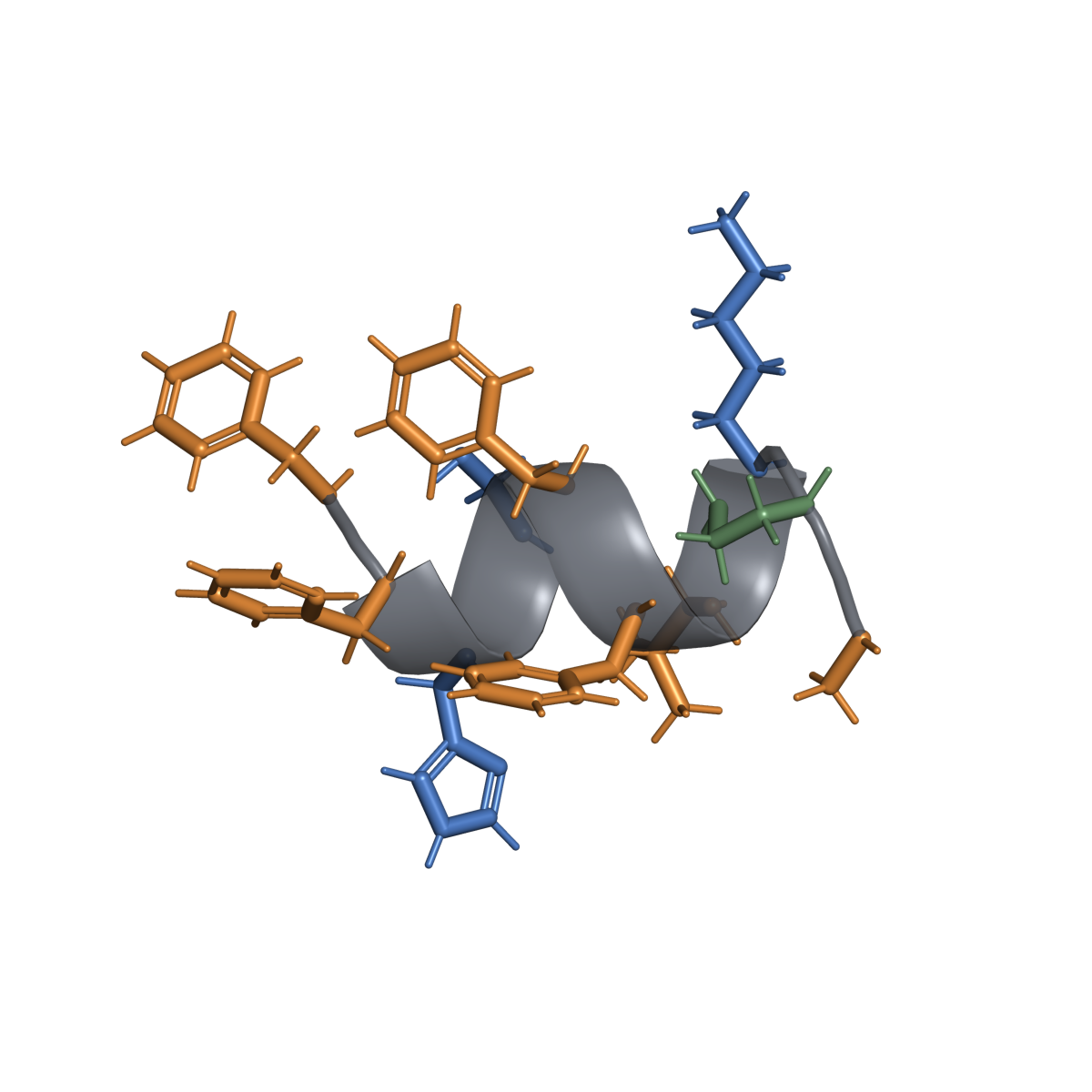
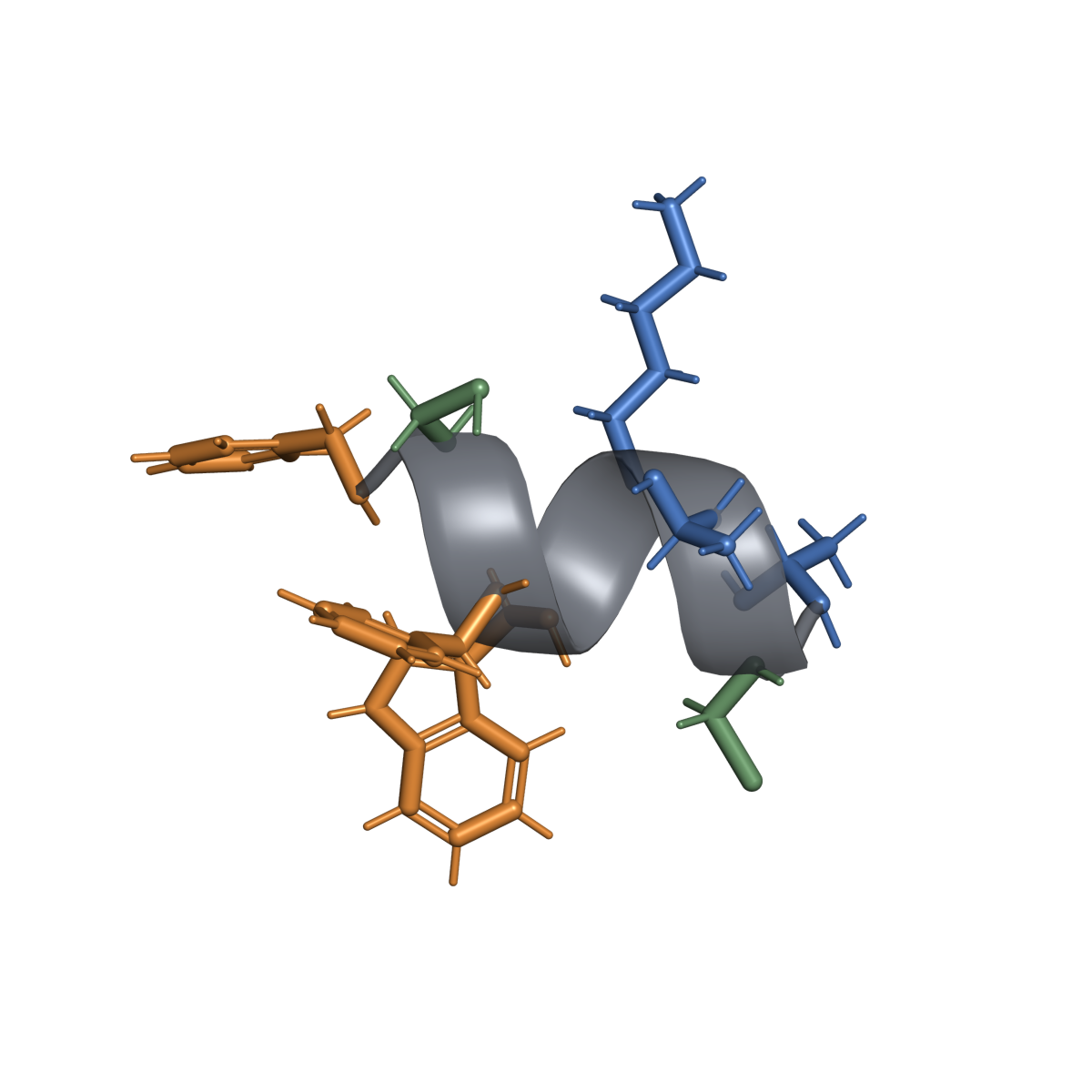
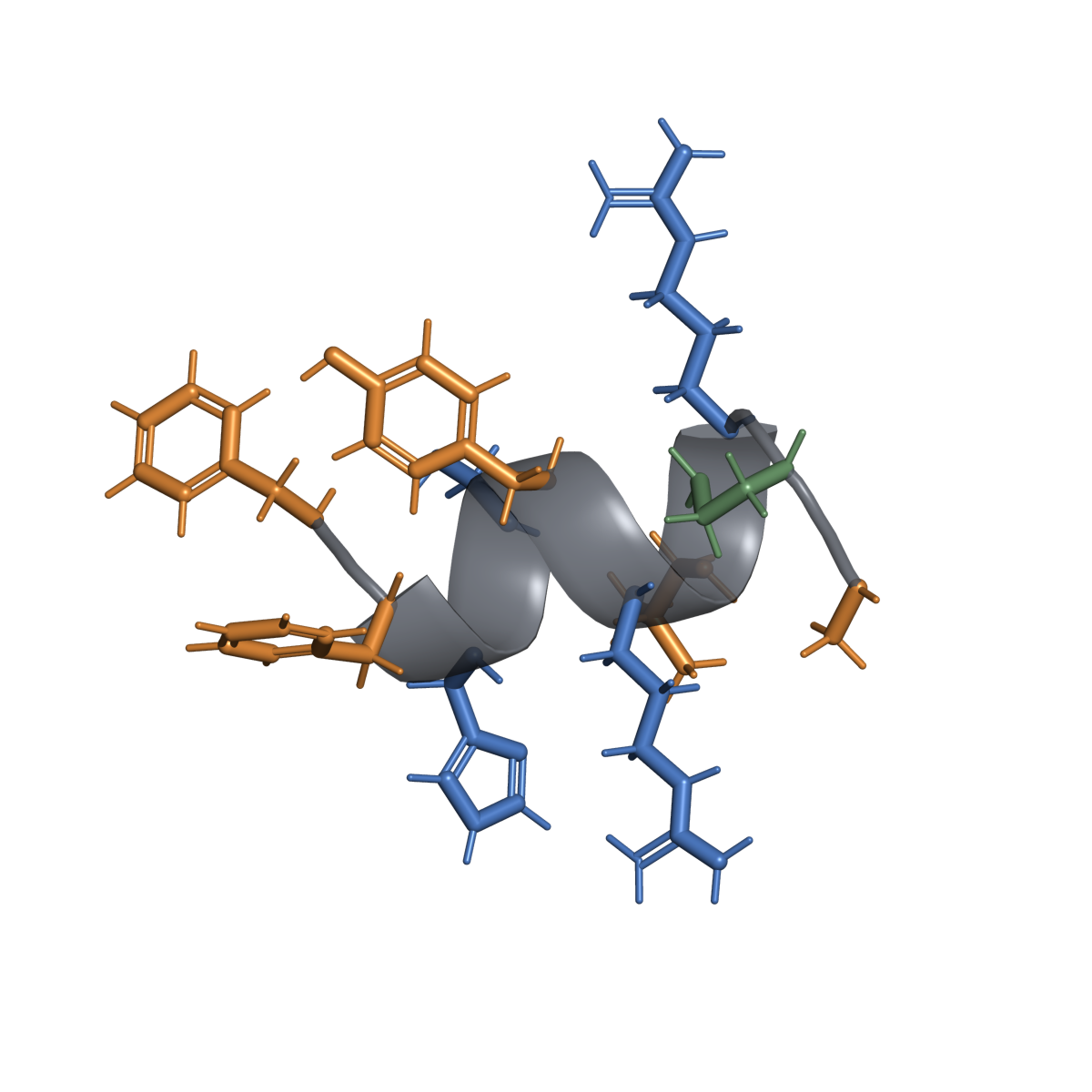
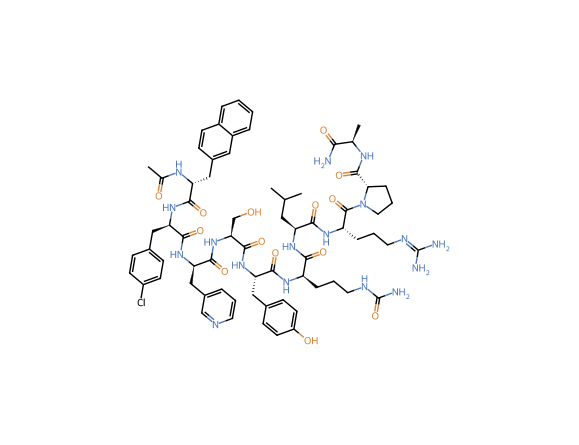
| Molecular/sequence identity | Ac-D-2Nal-D-4Cpa-D-3Pal-Ser-Tyr-D-Cit-Leu-Arg-Pro-D-Ala-NH2 (decapeptide) |
| Modifications/form | Acetylated N-terminus; D-Cit at position 6; D-Ala at position 10; acetate salt |
| Stable identifiers | The record number of a compound in PubChem, the atlas's primary structure-asset source. A registry record or depiction does not authenticate a commercial sample. Definition source: Identity and structure assets methodology · Glossary 25074887; UNII OON1HFZ4BA |
| Identity caveats | Not a GnRH agonist; mechanism is receptor antagonist. Distinct from degarelix (which is also a GnRH antagonist but with a different sequence and indication). Do not confuse with cetirizine (antihistamine) |
Development and approval status
| Jurisdiction | Status and indication | Product/source | As of |
|---|---|---|---|
| US (FDA) | Approved: inhibition of premature LH surges in women undergoing COS | Cetrotide (EMD Serono) NDA 021197 | 2000; label updated 2024 |
| EU (EMA) | Approved for same indication | Cetrotide (Merck) | Ongoing |
| UK (MHRA) | Approved | Cetrotide | Ongoing |
- UNITED STATES
- US (FDA): Approved: inhibition of premature LH surges in women undergoing COS
- EU/EEA
- EU (EMA): Approved for same indication
- UNITED KINGDOM
- UK (MHRA): Approved
- OTHER DOCUMENTED
- No OTHER DOCUMENTED row is present in the source status table
Sport status: WADA: Cetrorelix was not identified by exact name in the 2026 Prohibited List. S2.2.1 names GnRH and its agonist analogues in males; cetrorelix is a GnRH antagonist. This review therefore does not classify it as covered by that agonist wording in either sex, but athletes should seek a current, case-specific determination. The separate 2026 Monitoring Program uses the broad phrase “GnRH analogues in female athletes under 18”; this page does not infer that the phrase includes this antagonist. Monitoring is not prohibition.
Mechanism and pharmacology
GnRH receptor antagonist. Competitively blocks GnRH receptors on pituitary gonadotrophs, suppressing LH secretion without the initial stimulatory phase (flare) of GnRH agonists. The 2024 US label reports onset of LH suppression at approximately two hours after 0.25 mg and one hour after 3 mg. In healthy female subjects, median elimination The time for the amount of a substance in the body to fall by half. Definition source: Neutral gloss; usage context: Routes, devices, and absorption primer · Glossary was 5.0 hours after a single 0.25 mg dose, 20.6 hours after repeated 0.25 mg dosing, and 62.8 hours after a single 3 mg dose, with wide ranges. The historical 3 mg regimen provided at least four days of protection; the current US dosage instruction uses the 0.25 mg presentation.
Evidence by claim
| Claim/indication | Stage | Grade | Best human evidence | Main result | Important limitations |
|---|---|---|---|---|---|
| Inhibition of premature LH surges in COS | Approved | A | Phase 3 A study in which participants are assigned to the study material or a comparator by chance. Definition source: Neutral gloss; usage context: Evidence grading methodology · Glossary | Comparable pregnancy rates to GnRH agonist protocols; reduced incidence of premature LH surges; fewer cycle cancellations | Requires strict daily administration; injection site reactions |
- AGrade A: Established for a specific labeled use
- BGrade B: Moderate human evidence
- CGrade C: Preliminary human evidence
- DGrade D: Preclinical only
- EGrade E: Anecdotal/marketing claim
- XGrade X: Evidence contradicts or does not support the claim
Text alternative for the claim-evidence diagram. Each grade is defined below:
- A — Established for a specific labeled use
- 1 claim: Inhibition of premature LH surges in COS
- B — Moderate human evidence
- 0 claims
- C — Preliminary human evidence
- 0 claims
- D — Preclinical only
- 0 claims
- E — Anecdotal/marketing claim
- 0 claims
- X — Evidence contradicts or does not support the claim
- 0 claims
Key studies
| Study | Design/population | Exposure studied | Endpoints and result | Limitations |
|---|---|---|---|---|
| Phase 3 A study in which participants are assigned to the study material or a comparator by chance. Definition source: Neutral gloss; usage context: Evidence grading methodology · Glossary (multiple) | RCT; women undergoing COS for IVF/ICSI | Cetrorelix 0.25 mg daily (single-use vial) or 3 mg single dose vs GnRH agonist protocols | Comparable number of oocytes retrieved, fertilisation rates, clinical pregnancy rates; effective LH surge suppression | A study in which participants and investigators know what is administered. Definition source: Neutral gloss; usage context: Evidence grading methodology · Glossary for comparator; different protocols across centres |
Dose and administration evidence
Approved labeled regimen
The label summary below is product-, indication-, and jurisdiction-specific; consult the full current label and a licensed clinician/pharmacist.
Current US regimen (single-use vial): Cetrotide 0.25 mg Administered into the tissue layer under the skin. Definition source: Neutral gloss; usage context: Routes, devices, and absorption primer · Glossary once daily starting on stimulation day 5 or 6 (flexible), continuing daily until hCG administration.
Historical single-dose regimen: Cetrotide 3 mg SC once (previously used as a single-day alternative; no longer the current US standard). If hCG not given within 4 days, 0.25 mg daily from 96 h post-3 mg injection.
Route: Subcutaneous in lower abdominal area.
May be self-administered after training.
What is not established
No established or recommended human dose for any indication other than inhibition of premature LH surges in COS.
Safety
Established label risks
Injection site reactions (mild, self-limited).
Hypersensitivity reactions including anaphylactoid (rare, post-marketing surveillance).
Nausea, headache reported.
Ovarian hyperstimulation syndrome (OHSS) risk from gonadotropin component of COS, not specifically from cetrorelix.
Contraindicated: Severe renal impairment, hypersensitivity, pregnancy, lactation.
Human-study signals
Well-tolerated; no SAEs attributable to cetrorelix in phase 3.
Single doses up to 120 mg studied in other indications without SAEs.
Unknowns and product-quality risks
Safety in non-IVF contexts (studied for prostate cancer but not approved).
Long-term fetal/neonatal outcomes not specifically attributed to cetrorelix (vs. overall IVF risk).
Interactions and special populations
Renal impairment: Contraindicated if severe (no data).
Hepatic impairment: Not studied.
Pregnancy: Contraindicated.
Lactation: Contraindicated.
Allergic predisposition: Caution in active allergies.
Regulatory, compounding, and sport notes
US FDA: Prescription only.
The World Anti-Doping Agency; its Prohibited List classifies many peptides as prohibited substances in sport. Definition source: WADA and sport regulation brief · Glossary: Cetrorelix was not identified by exact name in the 2026 Prohibited List. S2.2.1 names GnRH and its agonist analogues in males; cetrorelix is a GnRH antagonist. This review therefore does not classify it as covered by that agonist wording in either sex, but athletes should seek a current, case-specific determination. The separate 2026 Monitoring Program uses the broad phrase “GnRH analogues in female athletes under 18”; this page does not infer that the phrase includes this antagonist. Monitoring is not prohibition.
Compounding: Not interchangeable with approved product; stability, sterility, and dose accuracy of compounded cetrorelix cannot be assured.
Evidence gaps
Direct head-to-head comparison with GnRH antagonist ganirelix for live birth rate.
Optimal algorithm for cetrorelix initiation timing (fixed day vs. flexible/estradiol-triggered).
Safety in oocyte donation cycles and fertility preservation.
Effect on endometrial receptivity compared to GnRH agonist protocols.
Search notes
Databases and registries: DailyMed, Drugs@FDA, PubMed, ClinicalTrials.gov, EMA
Search terms: cetrorelix, Cetrotide, GnRH antagonist, IVF, COS, LH surge
Last searched: 2026-08-06
Inclusion emphasis: FDA label, phase 3 A study in which participants are assigned to the study material or a comparator by chance. Definition source: Neutral gloss; usage context: Evidence grading methodology · Glossary
Sources
Cetrotide (cetrorelix acetate) Prescribing Information (EMD Serono, revised 2024). https://www.accessdata.fda.gov/drugsatfda_docs/label/2024/021197s030lbl.pdf
DailyMed – CETROTIDE. https://dailymed.nlm.nih.gov/dailymed/drugInfo.cfm?setid=aca7768e-28a7-4027-b1d8-e66247665f79
DailyMed – Cetrorelix Acetate for Injection (generic). https://dailymed.nlm.nih.gov/dailymed/lookup.cfm?setid=f91c971b-89d7-4306-966d-8ecc1afc16d1
EMD Serono – Cetrotide PI. https://www.emdserono.com/us-en/pi/cetrotide-pi.pdf
PubChem CID 25074887 (cetrorelix). https://pubchem.ncbi.nlm.nih.gov/compound/25074887
WADA. 2026 Prohibited List. https://www.wada-ama.org/en/resources/world-anti-doping-program/prohibited-list