Bottom line
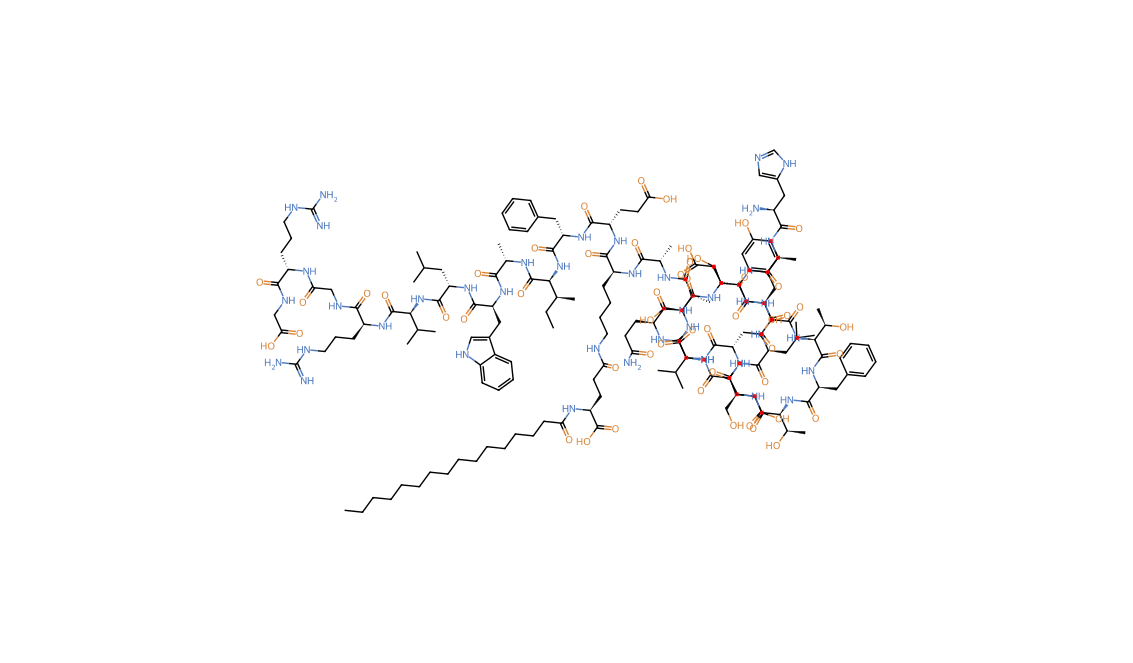
Liraglutide is a once-daily Expansion of the abbreviation used in the monographs: glucagon-like peptide-1 receptor agonist. The atlas does not define the pharmacology of this class; see the monograph for what is documented about a specific compound. Sumber definisi: Neutral gloss; the abbreviation is printed on the tirzepatide monograph but the atlas does not define the class pharmacology · Glosarium with a C16 palmitoyl fatty acid side chain for non-covalent albumin binding. Approved as Victoza for T2D (2010) and Saxenda for chronic weight management (2014), it was the first GLP-1 RA to demonstrate cardiovascular benefit in a dedicated outcomes trial. The LEADER trial (N=9,340) showed a 13% reduction in 3-point MACE. The first generic liraglutide was approved in 2024. It also holds the distinction of being the first GLP-1 RA approved for adolescent weight management (2020).
Identity and composition
| Field | Verified information |
|---|---|
| Preferred name | Liraglutide |
| Key aliases | Victoza, Saxenda, NN 2211 |
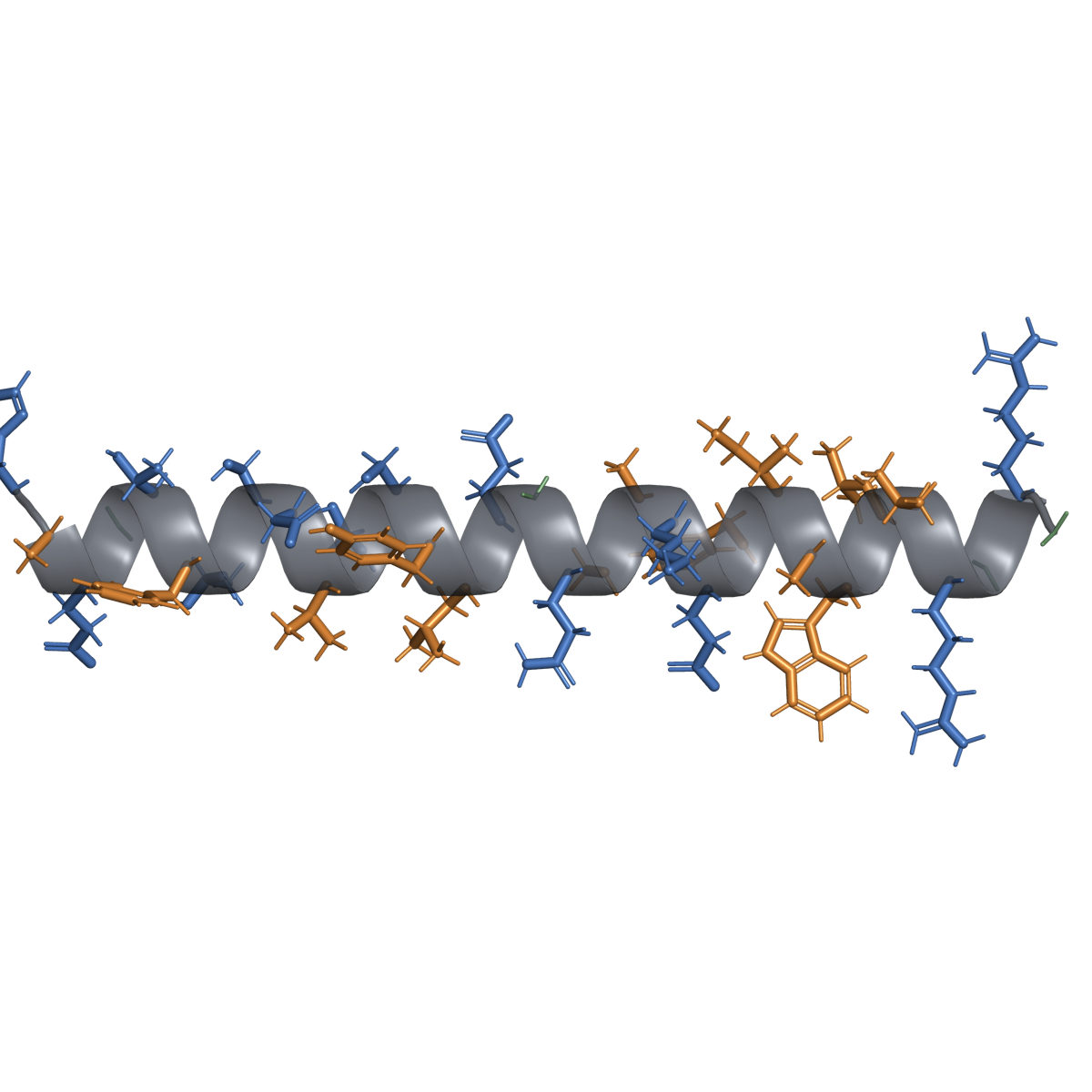
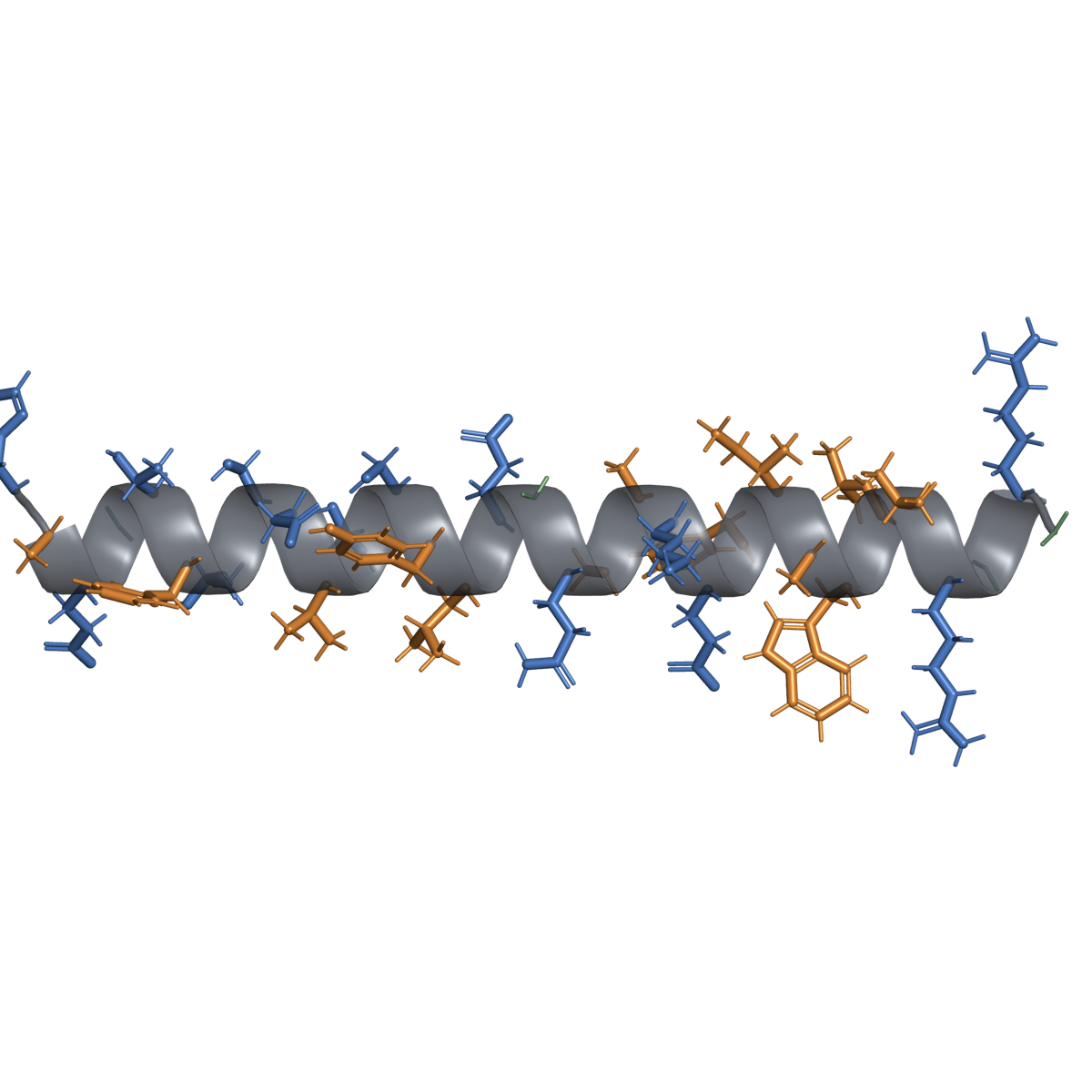
| Molecular/sequence identity | 31-amino-acid human GLP-1 analog with a palmitoyl side chain: H-His-Ala-Glu-Gly-Thr-Phe-Thr-Ser-Asp-Val-Ser-Ser-Tyr-Leu-Glu-Gly-Gln-Ala-Ala-Lys(γ-Glu-palmitoyl)-Glu-Phe-Ile-Ala-Trp-Leu-Val-Arg-Gly-Arg-Gly-OH |
| Modifications/form | Arg³⁴→Lys substitution; a palmitoyl (C16) fatty acid linked via a γ-glutamyl spacer to the Lys²⁶ side chain; DPP-IV resistant through its albumin-binding self-assembly rather than sequence modification |
| Stable identifiers | The record number of a compound in PubChem, the atlas's primary structure-asset source. A registry record or depiction does not authenticate a commercial sample. Sumber definisi: Identity and structure assets methodology · Glosarium: 16134956; CAS: 204656-20-2; DrugBank: DB06655; UNII: 839I73S42A |
| Identity caveats | Distinguish from semaglutide (C18 fatty diacid, once-weekly); the molecular weight (3,751 Da) and fatty acid length differ |
Development and approval status
| Jurisdiction | Status and indication | Product/source | As of |
|---|---|---|---|
| US (FDA) | Approved Jan 2010 for T2D glycemic control | Victoza (NDA 022341) | 2026-08-06 |
| US (FDA) | Approved Dec 2014 for chronic weight management (BMI ≥30 or ≥27 + comorbidity) | Saxenda (NDA 206321) | 2026-08-06 |
| US (FDA) | CV risk reduction label expansion Aug 2017 (adults with T2D + established CVD) | Victoza label update (based on LEADER) | 2026-08-06 |
| US (FDA) | Approved for adolescent weight management (12–17 yr) Dec 2020 | Saxenda | 2026-08-06 |
| US (FDA) | First generic liraglutide approved Feb 2024 | Multiple manufacturers | 2026-08-06 |
| EU (EMA) | Approved Jul 2009 (Victoza), Mar 2015 (Saxenda) | Victoza, Saxenda | 2026-08-06 |
- UNITED STATES
- US (FDA): Approved Jan 2010 for T2D glycemic control; US (FDA): Approved Dec 2014 for chronic weight management (BMI ≥30 or ≥27 + comorbidity); US (FDA): CV risk reduction label expansion Aug 2017 (adults with T2D + established CVD); US (FDA): Approved for adolescent weight management (12–17 yr) Dec 2020; US (FDA): First generic liraglutide approved Feb 2024
- EU/EEA
- EU (EMA): Approved Jul 2009 (Victoza), Mar 2015 (Saxenda)
- UNITED KINGDOM
- No UNITED KINGDOM row is present in the source status table
- OTHER DOCUMENTED
- No OTHER DOCUMENTED row is present in the source status table
Sport status: WADA: GLP-1 receptor agonists are not prohibited. Not on the WADA Prohibited List.
Mechanism and pharmacology
Liraglutide is a human GLP-1 analog with 97% sequence homology to native GLP-1. The addition of a C16 palmitoyl fatty acid chain covalently bound via a γ-glutamyl spacer at Lys²⁶ promotes non-covalent albumin binding and self-association into heptamers, slowing absorption from the Administered into the tissue layer under the skin. Sumber definisi: Neutral gloss; usage context: Routes, devices, and absorption primer · Glosarium depot and reducing renal clearance. The plasma The time for the amount of a substance in the body to fall by half. Sumber definisi: Neutral gloss; usage context: Routes, devices, and absorption primer · Glosarium is approximately 13 hours, enabling once-daily SC dosing. Liraglutide activates the GLP-1 receptor with similar potency to native GLP-1, increasing glucose-dependent insulin secretion, suppressing glucagon, slowing gastric emptying, and reducing appetite via central hypothalamic GLP-1 receptors (Drucker, Cell Metab 2018).
Evidence by claim
| Claim/indication | Stage | Grade | Best human evidence | Main result | Important limitations |
|---|---|---|---|---|---|
| Glycemic control (T2D) | Approved | A | LEAD program (6 trials, >4,000 pts) | HbA1c reduction 1.0–1.5%; 40–50% achieved HbA1c <7% | Comparator-dependent; vs An inactive comparator used in a controlled study. Sumber definisi: Neutral gloss; usage context: Evidence grading methodology · Glosarium, sulfonylureas, insulin |
| CV risk reduction (T2D+CVD) | Approved [1] | A | LEADER (N=9,340; median 3.8 yr) | 3-point MACE HR 0.87 (0.78–0.97); CV death HR 0.78 | Required established CVD/high risk; generalizability to lower-risk patients unclear |
| Chronic weight management (adults) | Approved | A | SCALE program (obesity, prediabetes, OSA) | Mean weight loss 8.0–9.2% vs 2.6% placebo; 63% achieved ≥5% loss | GI dropouts; Saxenda label only for ≥1 weight-related comorbidity |
| Adolescent weight management | Approved | A | SCALE Teens (N=251, 12–17 yr) | BMI reduction 4.6% vs 0.6%; −1.66 BMI unit difference | Small N; no long-term safety data in adolescents |
| Prediabetes prevention | Not approved | B | SCALE prediabetes (3-yr extension) | 66% reduction in progression to T2D vs 2.6% placebo | Secondary analysis; not an approved indication |
- AKelas A: Mapan untuk penggunaan berlabel tertentu
- BKelas B: Bukti manusia moderat
- CKelas C: Bukti manusia awal
- DKelas D: Hanya praklinis
- EKelas E: Klaim anekdot/pemasaran
- XKelas X: Bukti bertentangan atau tidak mendukung klaim
Text alternative for the claim-evidence diagram. Each grade is defined below:
- A — Established for a specific labeled use
- 4 claims: Glycemic control (T2D); CV risk reduction (T2D+CVD); Chronic weight management (adults); Adolescent weight management
- B — Moderate human evidence
- 1 claim: Prediabetes prevention
- C — Preliminary human evidence
- 0 claims
- D — Preclinical only
- 0 claims
- E — Anecdotal/marketing claim
- 0 claims
- X — Evidence contradicts or does not support the claim
- 0 claims
Key studies
| Study | Design/population | Exposure studied | Endpoints and result | Limitations |
|---|---|---|---|---|
| LEADER; Marso et al., NEJM 2016; PMID: 27295427 | CVOT; N=9,340 T2D + high CV risk; median 3.8 yr [1] | Liraglutide 1.8 mg Administered into the tissue layer under the skin. Sumber definisi: Neutral gloss; usage context: Routes, devices, and absorption primer · Glosarium daily (Victoza) vs An inactive comparator used in a controlled study. Sumber definisi: Neutral gloss; usage context: Evidence grading methodology · Glosarium | 3-point MACE HR 0.87 (0.78–0.97); CV death HR 0.78 (0.66–0.93); all-cause death HR 0.85 (0.74–0.97) | A study in which participants and investigators know what is administered. Sumber definisi: Neutral gloss; usage context: Evidence grading methodology · Glosarium; on top of standard care; very high comparator use of statins and antiplatelet agents |
| SCALE Obesity; Pi-Sunyer et al., NEJM 2015; PMID: 26132939 | A study in which participants are assigned to the study material or a comparator by chance. Sumber definisi: Neutral gloss; usage context: Evidence grading methodology · Glosarium; N=3,731 adults with BMI ≥30 or ≥27 + comorbidity; 56 wk [1] | Liraglutide 3.0 mg SC daily (Saxenda) vs placebo | Mean weight loss −8.4% vs −2.8%; 63.2% vs 27.1% achieved ≥5%; 33.1% vs 10.6% achieved ≥10% | High discontinuation rate (35% liraglutide, 40% placebo); lifestyle modification in both arms |
| SCALE Prediabetes; le Roux et al., Lancet 2017; PMID: 28126352 | RCT with 3-yr extension; N=2,254 with prediabetes [1] | Liraglutide 3.0 mg daily vs placebo | 66% reduction in T2D onset (HR 0.34, 0.22–0.53); sustained weight loss at 3 yr | Open-label extension; high loss to follow-up |
| SCALE Teens; Kelly et al., NEJM 2020; PMID: 33147628 | RCT; N=251 adolescents 12–17 yr with obesity; 56 wk [1] | Liraglutide 3.0 mg vs placebo | BMI change −4.6% vs −0.6% (difference −4.4%); GI events 80% vs 54% | Small sample; no data on weight maintenance after discontinuation |
| ELIXA comparison | See lixisenatide monograph; liraglutide LEADER was 3rd Expansion of the abbreviation used in the monographs: glucagon-like peptide-1 receptor agonist. The atlas does not define the pharmacology of this class; see the monograph for what is documented about a specific compound. Sumber definisi: Neutral gloss; the abbreviation is printed on the tirzepatide monograph but the atlas does not define the class pharmacology · Glosarium CVOT after ELIXA (lixisenatide, neutral) and prior to SUSTAIN-6 (semaglutide, positive) | — | LEADER was the first positive GLP-1 RA CVOT | — |
Dose and administration evidence
Approved labeled regimen
The label summary below is product-, indication-, and jurisdiction-specific; consult the full current label and a licensed clinician/pharmacist.
The entries summarize the cited US FDA labels for the named products and their distinct approved indications.
Victoza: Initiate 0.6 mg Administered into the tissue layer under the skin. Sumber definisi: Neutral gloss; usage context: Routes, devices, and absorption primer · Glosarium daily × 1 wk, then 1.2 mg daily; may increase to 1.8 mg daily if additional glycemic control needed.
Saxenda: Initiate 0.6 mg SC daily, titrate weekly (0.6 mg increments) to 3.0 mg daily maintenance. Not interchangeable with Victoza.
Studied regimens (not recommendations)
Doses up to 3.0 mg daily in weight management trials (Saxenda).
No studied regimen exceeds 3.0 mg daily.
What is not established
Efficacy for weight management without lifestyle intervention.
Long-term (≥5 year) weight maintenance.
Effectiveness of generic liraglutide bioequivalence versus reference product in clinical outcomes (approved via ANDA pathway based on How a substance is absorbed, distributed, metabolized, and eliminated by the body; atlas pages report pharmacokinetic data such as half-life, metabolism, and clearance. Sumber definisi: Neutral gloss; usage context: Routes, devices, and absorption primer · Glosarium).
Safety
Established label risks
Boxed warning: Thyroid C-cell tumors. Rodent studies showed dose-dependent C-cell hyperplasia and carcinoma; human relevance uncertain. Contraindicated in patients with personal/family history of MTC or MEN 2.
Gastrointestinal: Nausea (40–50%), vomiting, diarrhea, constipation. Most events during titration.
Pancreatitis: Postmarketing cases of acute pancreatitis; discontinue if suspected.
Acute kidney injury: In context of severe GI effects causing volume depletion.
Cholelithiasis: Increased risk, especially with substantial weight loss.
Heart rate increase: Mean +2–3 bpm; clinical significance unclear.
Hypoglycemia: Low risk as monotherapy; increased with sulfonylurea or insulin.
Human-study signals
LEADER: liraglutide associated with 36% increase in gallbladder-related events (HR 1.36, 1.14–1.62).
LEADER: no increase in pancreatitis (0.4% vs 0.5%), pancreatic cancer (0.3% vs 0.3%).
Injection-site reactions reported in 0.5–1% across trials.
Unknowns and product-quality risks
Human thyroid C-cell tumor risk is not excluded despite no signal in LEADER (N=9,340, limited follow-up).
Birth defect risk: Animal studies show early embryonic death and structural abnormalities; the 2026 Saxenda label removed pregnancy from contraindications and says to discontinue when pregnancy is recognized.
Generic liraglutide (2024) requires post-marketing pharmacovigilance for equivalence in immunogenicity.
Interactions and special populations
Slows gastric emptying, which may affect absorption of oral medications.
Insulin or sulfonylurea coadministration increases hypoglycemia risk.
Renal impairment: No dose adjustment for mild/moderate; limited experience with severe (eGFR <30) or ESRD.
Hepatic impairment: No dose adjustment; limited data in severe impairment.
Pregnancy: May cause fetal harm. The 2026 Saxenda label removed pregnancy from contraindications; discontinue when pregnancy is recognized. The two-month washout recommendation belongs to semaglutide, not liraglutide.
Regulatory, compounding, and sport notes
FDA boxed warning for thyroid C-cell tumors across all Expansion of the abbreviation used in the monographs: glucagon-like peptide-1 receptor agonist. The atlas does not define the pharmacology of this class; see the monograph for what is documented about a specific compound. Sumber definisi: Neutral gloss; the abbreviation is printed on the tirzepatide monograph but the atlas does not define the class pharmacology · Glosarium.
First generic liraglutide approved Feb 2024 via ANDA pathway. Multiple manufacturers.
The World Anti-Doping Agency; its Prohibited List classifies many peptides as prohibited substances in sport. Sumber definisi: WADA and sport regulation brief · Glosarium: GLP-1 receptor agonists are not prohibited. Not on the WADA Prohibited List.
EU/EMA: No restrictions beyond product labeling.
Evidence gaps
Long-term (≥10 year) safety data for weight management
Comparative effectiveness vs semaglutide 2.4 mg and tirzepatide for obesity
CV outcomes in patients without T2D (LEADER included only T2D)
Pediatric safety data beyond 1 year
Data in patients with T2D and eGFR <30 mL/min
Immunogenicity profile of generic formulations vs reference product
Search notes
Databases and registries: PubMed, FDA Drugs@FDA, ClinicalTrials.gov, DailyMed, EMA EPAR
Search terms: "liraglutide", "Victoza", "Saxenda", "LEADER", "SCALE", "LEAD", "Expansion of the abbreviation used in the monographs: glucagon-like peptide-1 receptor agonist. The atlas does not define the pharmacology of this class; see the monograph for what is documented about a specific compound. Sumber definisi: Neutral gloss; the abbreviation is printed on the tirzepatide monograph but the atlas does not define the class pharmacology · Glosarium", "NN2211"
Last searched: 2026-08-06
Inclusion emphasis: Registration trials, CVOT publications, FDA label documents, pediatric extension
Sources
Marso SP et al. Liraglutide and cardiovascular outcomes in type 2 diabetes (LEADER). N Engl J Med. 2016;375(4):311-322. PMID: 27295427. https://doi.org/10.1056/NEJMoa1603827
Pi-Sunyer X et al. A randomized, controlled trial of 3.0 mg of liraglutide in weight management (SCALE). N Engl J Med. 2015;373(1):11-22. PMID: 26132939. https://doi.org/10.1056/NEJMoa1411892
Kelly AS et al. A randomized trial of liraglutide for obesity in adolescents (SCALE Teens). N Engl J Med. 2020;382(22):2117-2128. PMID: 33147628. https://doi.org/10.1056/NEJMoa1916038
FDA. Victoza (liraglutide) injection label. NDA 022341. DailyMed. Accessed 2026-08-06. https://dailymed.nlm.nih.gov/dailymed/drugInfo.cfm?setid=5a9ef4ea-c76a-4d34-a604-27c5b505f5a4
FDA. Saxenda (liraglutide) injection label. NDA 206321. DailyMed. Accessed 2026-08-06. https://dailymed.nlm.nih.gov/dailymed/drugInfo.cfm?setid=3946d389-0926-4f77-a708-0acb8153b143
Drucker DJ. Mechanisms of action and therapeutic application of GLP-1 and GIP receptor agonists. Cell Metab. 2018;27(4):740-756. PMID: 29617641. https://doi.org/10.1016/j.cmet.2018.03.001
le Roux CW et al. 3-year liraglutide effect on prediabetes progression (SCALE). Lancet. 2017;389(10077):1399-1409. PMID: 28126352. https://doi.org/10.1016/S0140-6736(17)30069-7