Bottom line
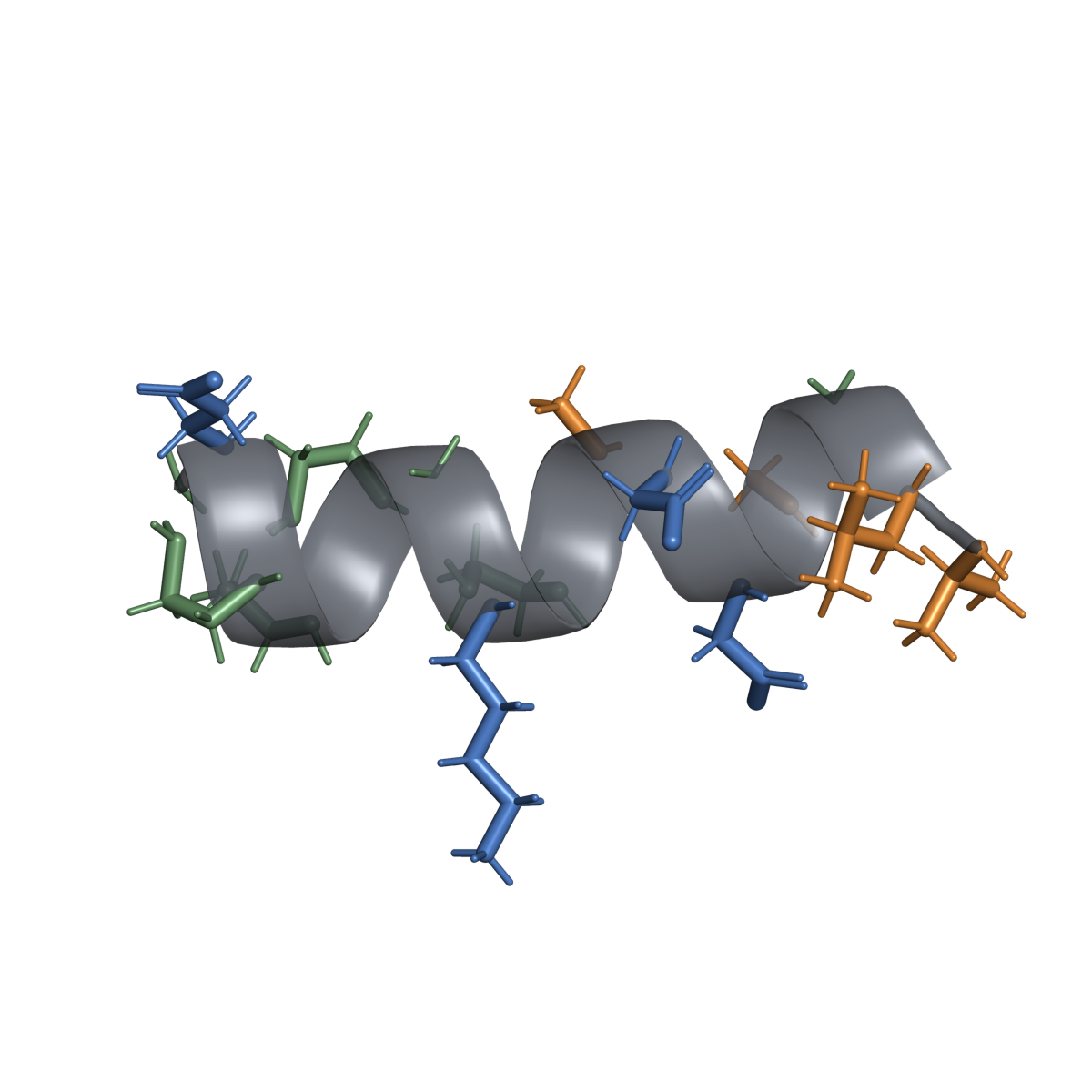
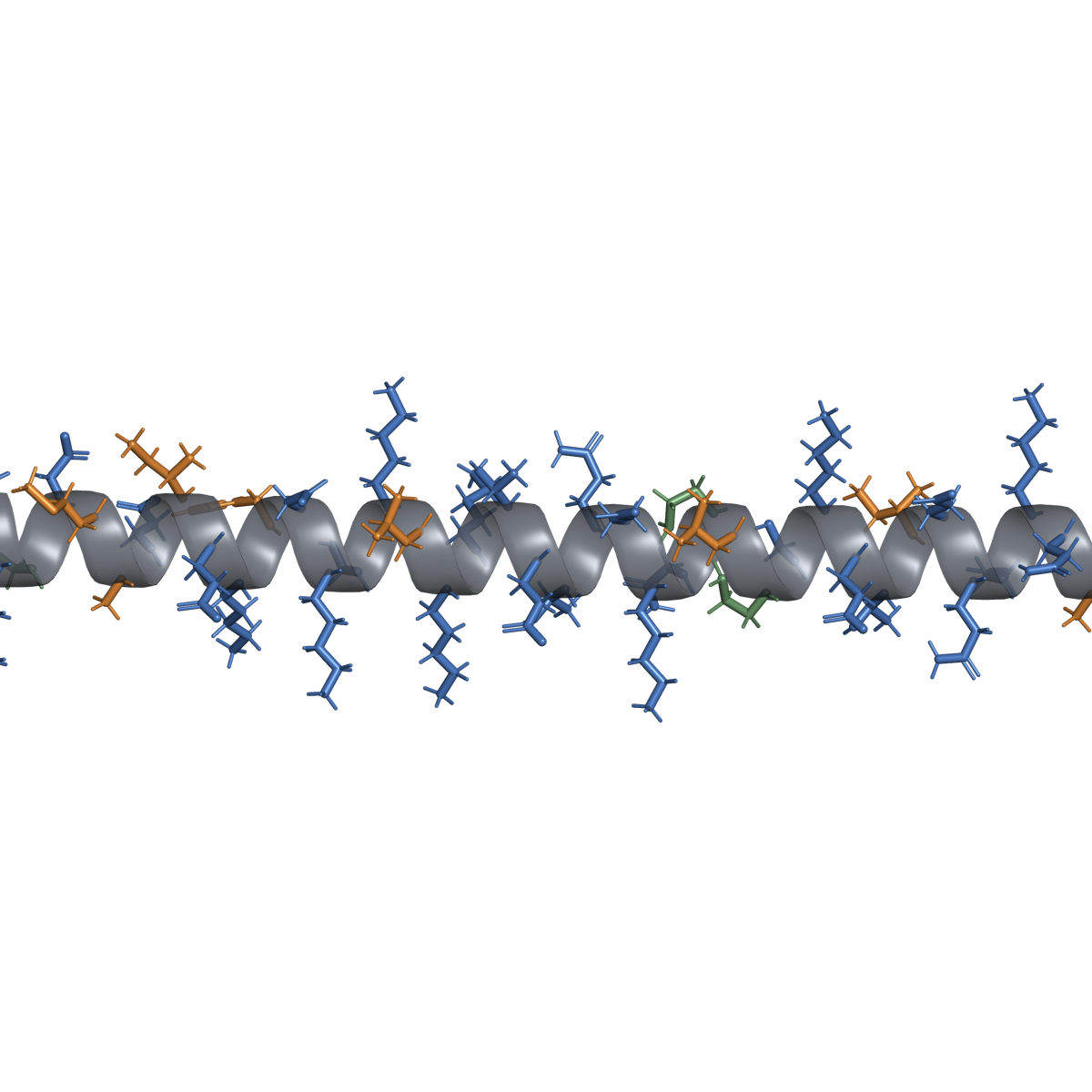
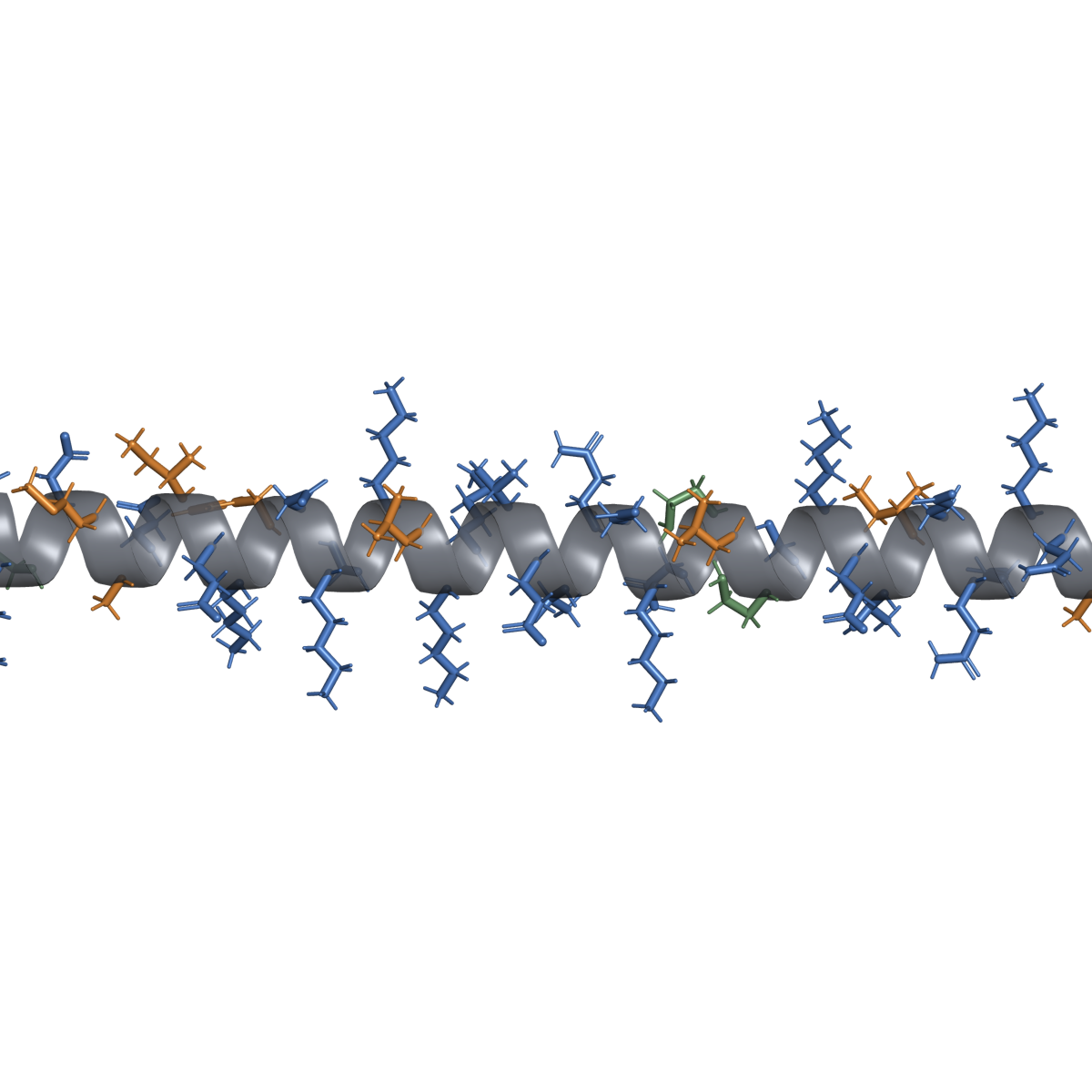
Thymosin beta-4 (Tβ4) is an An entry with substantial scientific visibility or identity value. Biological rationale and non-human evidence do not establish patient benefit. परिभाषा का स्रोत: Scope and selection methodology · शब्दावली 43-amino-acid protein and the principal intracellular G-actin-sequestering peptide in humans. A synthetic ophthalmic formulation (RGN-259, INN timbetasin) has completed Phase 3 trials for neurotrophic keratopathy (NK) and dry eye disease, with FDA orphan drug designation for NK. No systemic formulation is approved. The name is frequently conflated with TB-500, which may refer either to full-length Tβ4 or a synthetic 7-residue fragment — distinct chemical entities.
Identity and composition
| Field | Verified information |
|---|---|
| Preferred name | Thymosin beta-4 |
| Key aliases | TB4, Tβ4, Timbetasin (USAN), TMSB4X, FX gene product |
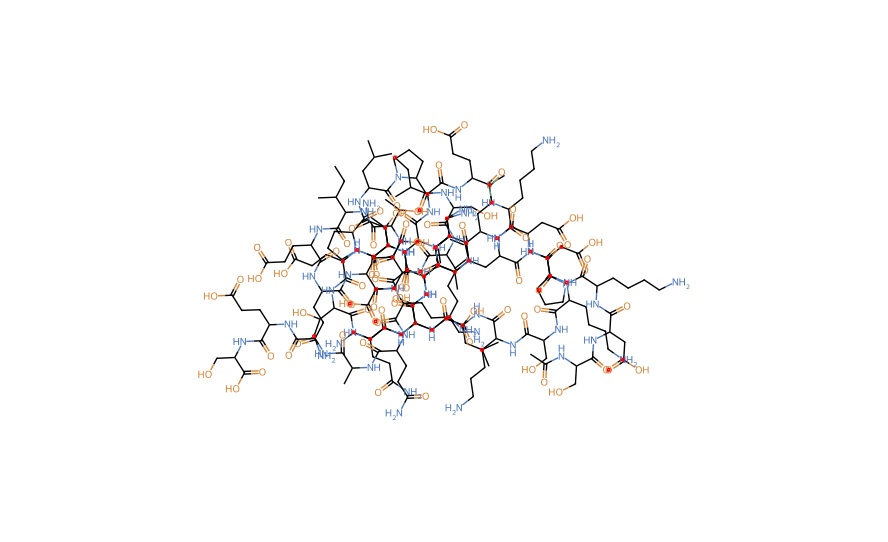
| Molecular/sequence identity | 43-amino-acid N-acetylated protein: Ac-SDKPDMAEIEKFDKSKLKKTETQEKNPLPSKETIEQEKQAGES |
| Modifications/form | N-terminally acetylated; no disulfide bonds; MW ~4,963 Da |
| Stable identifiers | UniProt P62328; The record number of a compound in PubChem, the atlas's primary structure-asset source. A registry record or depiction does not authenticate a commercial sample. परिभाषा का स्रोत: Identity and structure assets methodology · शब्दावली 45382195; CAS 77591-33-4; FDA UNII 549LM7U24W |
| Identity caveats | Not the same as TB-500 (which may be full-length Tβ4 or a 7-residue fragment Ac-LKKTETQ). Verify identity against certificate of analysis. |
Development and approval status
| Jurisdiction | Status and indication | Product/source | As of |
|---|---|---|---|
| United States (FDA) | Not approved for any indication; RGN-259 has orphan drug designation for NK | N/A (A clinical-stage candidate with scientific or public relevance. Investigation is not approval, and a studied exposure is not a recommendation. परिभाषा का स्रोत: Scope and selection methodology · शब्दावली) | 2026-08-06 |
| European Union (EMA) | No centralized marketing authorization | N/A | 2026-08-06 |
| Other jurisdictions | Status of synthetic versions requires current national-register review; An entry with substantial scientific visibility or identity value. Biological rationale and non-human evidence do not establish patient benefit. परिभाषा का स्रोत: Scope and selection methodology · शब्दावली status is not product authorization | — | 2026-08-06 |
- UNITED STATES
- United States (FDA): Not approved for any indication; RGN-259 has orphan drug designation for NK
- EU/EEA
- European Union (EMA): No centralized marketing authorization
- UNITED KINGDOM
- No UNITED KINGDOM row is present in the source status table
- OTHER DOCUMENTED
- Other jurisdictions: Status of synthetic versions requires current national-register review; endogenous status is not product authorization
Sport status: WADA: Prohibited under S2.3 (growth factors and growth-factor modulators), which explicitly names thymosin-β4 and derivatives such as TB-500 on the 2026 Prohibited List.
Mechanism and pharmacology
Tβ4 is the principal G-actin-sequestering protein in human cells. It binds monomeric actin and regulates actin polymerization dynamics. Beyond actin binding, Tβ4 promotes cell migration, angiogenesis (via VEGF and PI3K/Akt/eNOS signaling), stem cell recruitment, production of laminin-332, and cytoprotection through reduced oxidative stress and inflammation. The LKKTETQ motif (residues 17-23) constitutes the actin-binding domain. Tβ4 also releases Ac-SDKP on processing, which has anti-fibrotic and angiogenic activities.
Evidence by claim
| Claim/indication | Stage | Grade | Best human evidence | Main result | Important limitations |
|---|---|---|---|---|---|
| Neurotrophic keratopathy (NK) | Phase 3 | B | SEER-1 A study in which participants are assigned to the study material or a comparator by chance. परिभाषा का स्रोत: Neutral gloss; usage context: Evidence grading methodology · शब्दावली: n=18 NK patients; 0.1% RGN-259 vs An inactive comparator used in a controlled study. परिभाषा का स्रोत: Neutral gloss; usage context: Evidence grading methodology · शब्दावली × 28 days | Complete healing at 4 weeks: 6/10 vs 1/8 (p=0.0656); significant improvements in ocular discomfort | Small sample; primary endpoint missed statistical significance |
| Dry eye disease | Phase 3 | B | ARISE trials: >1600 patients across 3 Phase 3 RCTs | Pooled data showed significant improvement in signs and symptoms in subgroups | Results mixed across trials; full analysis pending |
| Wound healing/ophthalmic | Compassionate use | C | A study in which participants and investigators know what is administered. परिभाषा का स्रोत: Neutral gloss; usage context: Evidence grading methodology · शब्दावली n=6 NK patients | 4/6 complete healing at 28 days; 2/6 by days 55-60 | No control, small N |
| Systemic wound healing | Evidence from in vitro or animal studies with no adequate human efficacy evidence — the atlas Grade D lane. परिभाषा का स्रोत: Evidence grading methodology · शब्दावली | D | None | Rodent models only: dermal, cardiac, CNS | No controlled human trials for systemic use |
- Aग्रेड A: विशिष्ट लेबल वाले उपयोग के लिए स्थापित
- Bग्रेड B: मध्यम मानव साक्ष्य
- Cग्रेड C: प्रारंभिक मानव साक्ष्य
- Dग्रेड D: केवल प्रीक्लिनिकल
- Eग्रेड E: उपाख्यानात्मक/विपणन दावा
- Xग्रेड X: साक्ष्य दावे का खंडन करता है या समर्थन नहीं करता
Text alternative for the claim-evidence diagram. Each grade is defined below:
- A — Established for a specific labeled use
- 0 claims
- B — Moderate human evidence
- 2 claims: Neurotrophic keratopathy (NK); Dry eye disease
- C — Preliminary human evidence
- 1 claim: Wound healing/ophthalmic
- D — Preclinical only
- 1 claim: Systemic wound healing
- E — Anecdotal/marketing claim
- 0 claims
- X — Evidence contradicts or does not support the claim
- 0 claims
Key studies
| Study | Design/population | Exposure studied | Endpoints and result | Limitations |
|---|---|---|---|---|
| SEER-1 (NCT02600429) | Phase 3, DBPC, n=18 stages 2-3 NK | 0.1% RGN-259 ophthalmic solution 5×/day × 28 days | Complete healing at day 28: 6/10 vs 1/8 (p=0.0656); no recurrence in treated group; significant comfort improvements | Did not meet statistical significance on primary; small sample |
| ARISE-3 (NCT03937882) | Phase 3, DBPC, n>1600 DED patients [1] | 0.1% RGN-259 ophthalmic QID × 14 days | Statistically significant improvements in signs and symptoms in pooled subgroups | Mixed individual trial results; subgroup analyses |
| Sosne & Ousler 2015 | Phase 2, DBPC, n= DED patients | 0.1% RGN-259 BID × 28 days | Safety and preliminary efficacy established | Phase 2; not powered for efficacy |
Dose and administration evidence
Approved labeled regimen
None. No Tβ4-containing product has received FDA or EMA approval.
Studied regimens (not recommendations)
Ophthalmic: 0.1% RGN-259 (timbetasin acetate) eye drops, one drop per eye, 2-5× daily for 14-28 days in clinical trials.
Systemic: No established systemic regimen has been studied in controlled human trials.
What is not established
No established or recommended human dose. This applies to systemic use; the ophthalmic candidate and any marketed research material are not interchangeable.
Safety
Established label risks
None — no approved label.
Human-study signals
In ophthalmic trials (total >1600 patients), RGN-259 was well tolerated. Adverse events were generally mild and ocular (instillation-site reactions). No systemic safety concerns were identified. A Phase 2 DED study and SEER-1 NK study both confirmed the safety profile.
Unknowns and product-quality risks
Systemic safety in humans is unstudied.
Products sold outside the RGN-259 clinical program are not pharmaceutical-grade.
Market confusion with TB-500 fragment creates identity/quality risks.
The World Anti-Doping Agency; its Prohibited List classifies many peptides as prohibited substances in sport. परिभाषा का स्रोत: WADA and sport regulation brief · शब्दावली classifies Tβ4 and its derivatives as prohibited substances (2026 Prohibited List).
Interactions and special populations
No systemic drug-interaction studies exist. No data in pregnancy, lactation, or pediatric populations (except Barth syndrome, which involves Tβ4 investigation as exploratory).
Regulatory, compounding, and sport notes
FDA: Not approved. RGN-259 has orphan drug designation for NK. FDA-listed bulk drug substance "Thymosin beta-4, fragment (LKKTETQ), also known as TB-500" — distinct from full-length Tβ4.
The World Anti-Doping Agency; its Prohibited List classifies many peptides as prohibited substances in sport. परिभाषा का स्रोत: WADA and sport regulation brief · शब्दावली: Prohibited under S2.3 (growth factors and growth-factor modulators), which explicitly names thymosin-β4 and derivatives such as TB-500 on the 2026 Prohibited List.
The name "TB-500" is used for both full-length Tβ4 and a 7-residue fragment; regulatory records distinguish them.
ReGenTree LLC (US/EU joint venture) is developing RGN-259 through Phase 3.
Evidence gaps
No FDA-approved systemic formulation.
No How a substance is absorbed, distributed, metabolized, and eliminated by the body; atlas pages report pharmacokinetic data such as half-life, metabolism, and clearance. परिभाषा का स्रोत: Neutral gloss; usage context: Routes, devices, and absorption primer · शब्दावली or safety data for Administered into the tissue layer under the skin. परिभाषा का स्रोत: Neutral gloss; usage context: Routes, devices, and absorption primer · शब्दावली/Administered into a muscle. परिभाषा का स्रोत: Neutral gloss; usage context: Routes, devices, and absorption primer · शब्दावली/injectable routes in humans.
The NK Phase 3 SEER-1 trial did not meet its primary endpoint with statistical significance.
SEER-2 and SEER-3 Phase 3 NK trials are ongoing.
Most marketed claims for musculoskeletal/systemic healing are extrapolated from animal studies and do not reflect the human evidence base.
Search notes
Databases and registries: PubMed, ClinicalTrials.gov, FDA UNII, UniProt, The World Anti-Doping Agency; its Prohibited List classifies many peptides as prohibited substances in sport. परिभाषा का स्रोत: WADA and sport regulation brief · शब्दावली Prohibited List
Search terms: thymosin beta-4, timbetasin, RGN-259, TB4, neurotrophic keratopathy
Last searched: 2026-08-06
Inclusion emphasis: Controlled human trials prioritized; distinction from TB-500 maintained