Bottom line
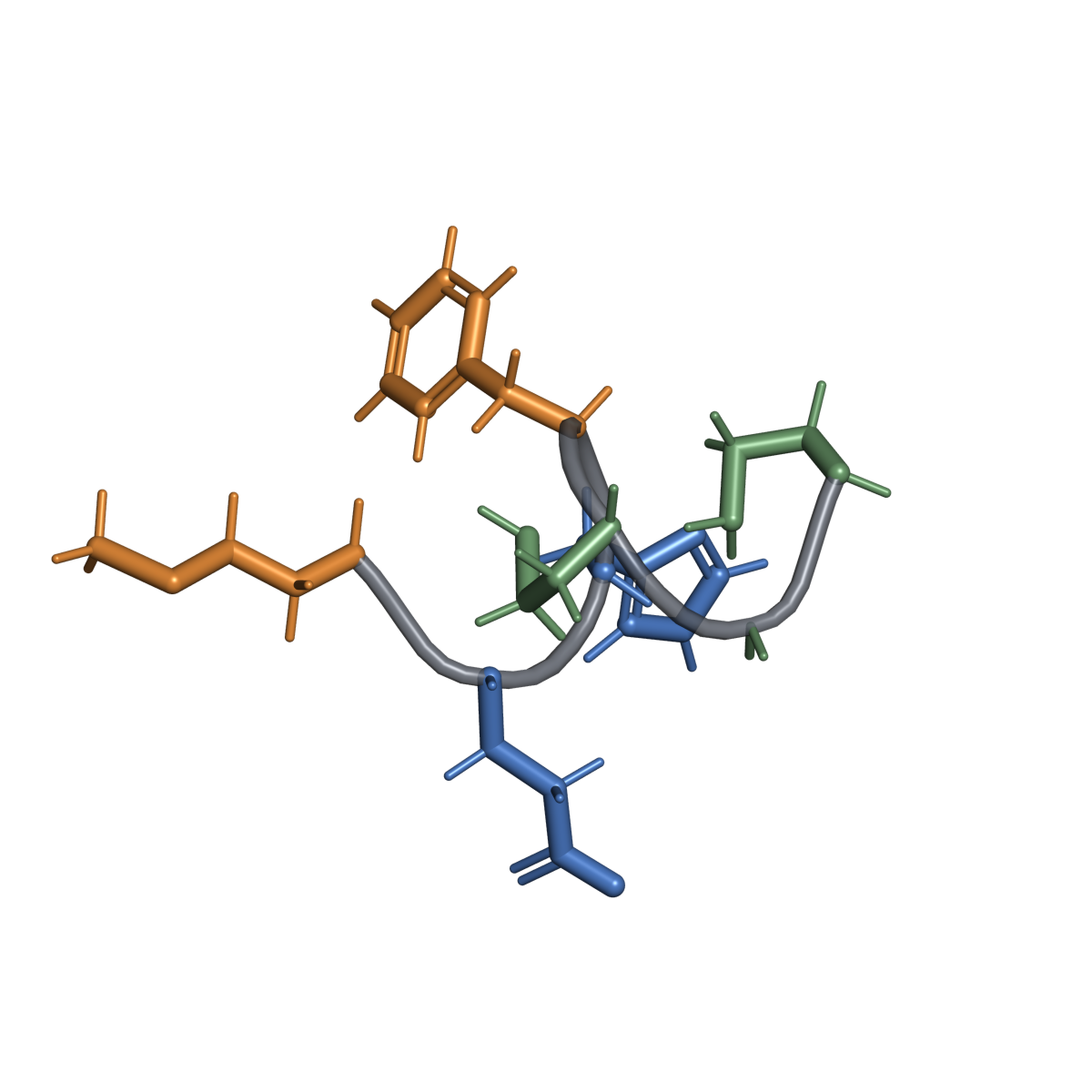
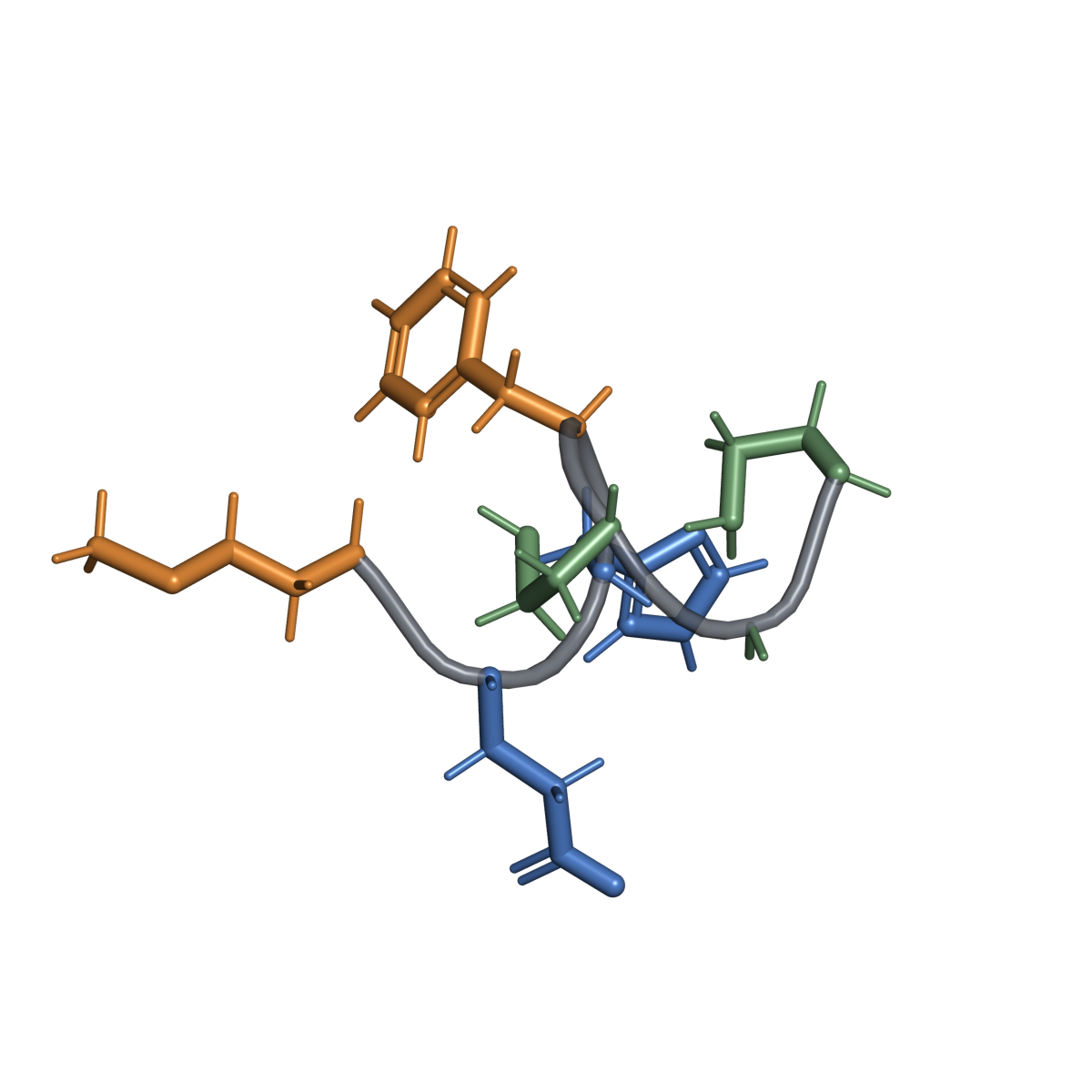
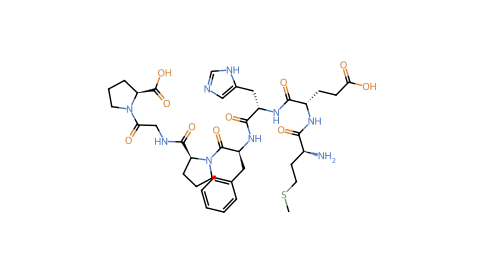
Semax is a synthetic heptapeptide (Met-Glu-His-Phe-Pro-Gly-Pro) derived from the ACTH(4-10) fragment by C-terminal extension with Pro-Gly-Pro for metabolic stability. It is a registered prescription medicine in Russia for acute ischemic stroke, cognitive impairment, and optic neuropathy, but has not undergone review by the FDA, EMA, or MHRA. The evidence base consists predominantly of Russian clinical studies; no large Western-standard multi-center A study in which participants are assigned to the study material or a comparator by chance. Source de la définition: Neutral gloss; usage context: Evidence grading methodology · Glossaire has been conducted.
Identity and composition
| Field | Verified information |
|---|---|
| Preferred name | Semax |
| Key aliases | ACTH(4-7)-Pro-Gly-Pro, Semax acetate |
| Molecular/sequence identity | L-Met-L-Glu-L-His-L-Phe-L-Pro-L-Gly-L-Pro (heptapeptide) |
| Modifications/form | C-terminal Pro-Gly-Pro stabilising extension added to ACTH(4-7); acetate salt common |
| Stable identifiers | CAS 80714-61-0; The record number of a compound in PubChem, the atlas's primary structure-asset source. A registry record or depiction does not authenticate a commercial sample. Source de la définition: Identity and structure assets methodology · Glossaire 9811102; UNII I5FAL2585H |
| Identity caveats | Distinct from native ACTH — sequence modification eliminates steroidogenic activity; PubChem lists a related entry under CID 155977617 |
Development and approval status
| Jurisdiction | Status and indication | Product/source | As of |
|---|---|---|---|
| Russia | Approved, Rx — acute ischemic stroke (0.1% nasal), cognitive impairment/asthenia (1% nasal), optic neuropathy | Semax (PEPTEK) | 1994 (initial); listed on Vital and Essential Drugs 2011 |
| Ukraine | Approved for similar neurological indications | Semax | — |
| FDA (US) | Not approved | — | 2026-08 |
| EMA (EU) | Not approved | — | 2026-08 |
| MHRA (UK) | Not approved | — | 2026-08 |
| Health Canada | Not approved | — | 2026-08 |
- UNITED STATES
- FDA (US): Not approved
- EU/EEA
- EMA (EU): Not approved
- UNITED KINGDOM
- MHRA (UK): Not approved
- OTHER DOCUMENTED
- Russia: Approved, Rx — acute ischemic stroke (0.1% nasal), cognitive impairment/asthenia (1% nasal), optic neuropathy; Ukraine: Approved for similar neurological indications; Health Canada: Not approved
Sport status: WADA: not identified by exact name in the 2026 List. This page records a current Russian governmental approval, so S0 cannot be inferred merely from lack of FDA/EMA approval. Athletes should obtain a current case-specific classification.
Mechanism and pharmacology
Semax acts as a melanocortin receptor modulator (MC3R, MC4R) without stimulating adrenal corticosterone production. It upregulates BDNF and NGF expression in the brain, modulates serotonergic and dopaminergic neurotransmission, and exerts anti-inflammatory effects in ischemia models through suppression of proinflammatory mRNA transcripts. The peptide crosses the blood-brain barrier efficiently via intranasal administration. Evidence for these mechanisms is predominantly from Evidence from in vitro or animal studies with no adequate human efficacy evidence — the atlas Grade D lane. Source de la définition: Evidence grading methodology · Glossaire studies and Russian clinical research.
Evidence by claim
| Claim/indication | Stage | Grade | Best human evidence | Main result | Important limitations |
|---|---|---|---|---|---|
| Acute ischemic stroke (adjunct) | Approved (Russia) | B | Gusev et al. 2005 (n=110+) | Improved Barthel index and motor scores vs standard care | Open or single-blind; no Western-standard multicentre A study in which participants are assigned to the study material or a comparator by chance. Source de la définition: Neutral gloss; usage context: Evidence grading methodology · Glossaire |
| Cognitive impairment (chronic cerebrovascular) | Approved (Russia) | C | Gusev et al. 2005 (n=187) | Reduced stroke/TIA risk, clinical improvement | Single-country; limited methodological detail in English |
| Nootropic in healthy adults | Unapproved off-label | E | — | No adequate An inactive comparator used in a controlled study. Source de la définition: Neutral gloss; usage context: Evidence grading methodology · Glossaire-controlled trials in English | Only marketing extrapolations available |
| Optic neuropathy | Approved (Russia) | C | Russian clinical series | Visual function improvement claimed | No controlled trial published in English |
- AGrade A: Établi pour une utilisation indiquée spécifique
- BGrade B: Preuve humaine modérée
- CGrade C: Preuve humaine préliminaire
- DGrade D: Préclinique uniquement
- EGrade E: Affirmation anecdotique/commerciale
- XGrade X: Les preuves contredisent ou ne soutiennent pas l'affirmation
Text alternative for the claim-evidence diagram. Each grade is defined below:
- A — Established for a specific labeled use
- 0 claims
- B — Moderate human evidence
- 1 claim: Acute ischemic stroke (adjunct)
- C — Preliminary human evidence
- 2 claims: Cognitive impairment (chronic cerebrovascular); Optic neuropathy
- D — Preclinical only
- 0 claims
- E — Anecdotal/marketing claim
- 1 claim: Nootropic in healthy adults
- X — Evidence contradicts or does not support the claim
- 0 claims
Key studies
| Study | Design/population | Exposure studied | Endpoints and result | Limitations |
|---|---|---|---|---|
| Gusev et al. 2005 | Acute stroke (n=110+); intranasal Semax vs standard care | 6–18 mg/day × 5–10 days | Improved Barthel index, MRC motor scores | Single-country; limited English-language methods; PMID 15792140 |
| Gusev et al. 1997 | Acute stroke (n=110+); phase 2/3 | 6–18 mg/day × 5–10 days | Neurological recovery improvement | Preliminary report; PMID 11517472 |
| Dergunova et al. 2021 | Rat ischemia model | Semax vs vehicle | Suppressed proinflammatory mRNA transcripts | Evidence from in vitro or animal studies with no adequate human efficacy evidence — the atlas Grade D lane. Source de la définition: Evidence grading methodology · Glossaire only; PMID 34107114 |
Dose and administration evidence
Approved labeled regimen
The label summary below is product-, indication-, and jurisdiction-specific; consult the full current label and a licensed clinician/pharmacist.
Russian-approved regimens (intranasal solution):
Acute ischemic stroke (moderate): 12 mg/day × 5–10 days
Acute ischemic stroke (severe): 18 mg/day × 5–10 days
Post-stroke recovery: 6 mg/day across two 10-day courses
Cognitive/nootropic: 0.1% nasal solution, typical course 10–14 days
Studied regimens (not recommendations)
Clinical studies used the approved intranasal doses above.
What is not established
Long-term or repeated-course safety and efficacy
Dose for any non-approved indication (cognitive enhancement in healthy adults, neurodegeneration)
Compatibility with any compounding formulation outside the registered product
Safety
Established label risks
No boxed warnings (not FDA-approved). Russian labeling lists: mild nasal irritation, occasional headache, mild insomnia with late-day dosing. Contraindications: acute psychosis, pregnancy/breastfeeding, seizure disorders (caution), hypersensitivity.
Human-study signals
Mild blood-glucose elevations reported in ~7.4% of diabetic patients in Russian post-marketing surveillance. No documented dependence, withdrawal syndrome, or HPA-axis suppression.
Unknowns and product-quality risks
No Western pharmacovigilance data exist. Long-term safety beyond 14–30 day courses has not been systematically studied. BDNF/NGF upregulation raises a theoretical concern for patients with neural tumours. No large reproductive toxicology study in English. Products sold as "research use only" outside Russia lack regulatory oversight, sterility assurance, and dose consistency.
Interactions and special populations
Russian labeling: caution in diabetes (monitor glucose); contraindicated in pregnancy and breastfeeding
Drug-drug interaction data with Western psychotropics are absent
No paediatric safety studies in English
No How a substance is absorbed, distributed, metabolized, and eliminated by the body; atlas pages report pharmacokinetic data such as half-life, metabolism, and clearance. Source de la définition: Neutral gloss; usage context: Routes, devices, and absorption primer · Glossaire interaction studies identified
Regulatory, compounding, and sport notes
The World Anti-Doping Agency; its Prohibited List classifies many peptides as prohibited substances in sport. Source de la définition: WADA and sport regulation brief · Glossaire: not identified by exact name in the 2026 List. This page records a current Russian governmental approval, so WADA Prohibited List class S0 (non-approved substances): pharmacological substances not addressed elsewhere in the list and with no current approval by any governmental regulatory health authority for human therapeutic use. Source de la définition: WADA and sport regulation brief · Glossaire cannot be inferred merely from lack of FDA/EMA approval. Athletes should obtain a current case-specific classification.
US DEA: not scheduled
Listed on Russian List of Vital and Essential Drugs
Semax was not found on the reviewed FDA Sections of the US Food, Drug, and Cosmetic Act covering traditional compounding exemptions (503A) and outsourcing-facility compounding (503B). Under 503A, qualification conditions include a patient-specific prescription requirement; under 503B, conditions cover facility registration and bulk-substance eligibility. Source de la définition: United States regulation brief · Glossaire bulks list. That absence does not by itself resolve whether a particular preparation satisfies sections 503A or 503B; a current fact-specific assessment is required.
Evidence gaps
No large multi-centre Neither participants nor investigators know who receives the study material or the comparator. Source de la définition: Neutral gloss; usage context: Evidence grading methodology · Glossaire A study in which participants are assigned to the study material or a comparator by chance. Source de la définition: Neutral gloss; usage context: Evidence grading methodology · Glossaire meeting Western regulatory standards
No independent Western replication of Russian stroke or cognition data
Most original literature is in Russian-language journals with limited methods reporting
Long-term and repeated-course safety uncharacterised
Cognitive enhancement in healthy adults lacks An inactive comparator used in a controlled study. Source de la définition: Neutral gloss; usage context: Evidence grading methodology · Glossaire-controlled trials
Search notes
Databases and registries: PubMed, PubChem, DailyMed/GSRS, ClinicalTrials.gov, Russian state register
Search terms: Semax, ACTH(4-10), 80714-61-0, Gusev, ischemic stroke
Last searched: 2026-08-06
Inclusion emphasis: human trials, regulatory records, systematic reviews, authoritative identity databases
Sources
PubChem CID 9811102. https://pubchem.ncbi.nlm.nih.gov/compound/9811102
GSRS UNII I5FAL2585H. https://gsrs.ncats.nih.gov/
Gusev EI et al. (2005) Zh Nevrol Psikhiatr Im S S Korsakova. PMID 15792140
Gusev EI et al. (1997) Zh Nevrol Psikhiatr Im S S Korsakova. PMID 11517472
Dergunova LV et al. (2021) Int J Mol Sci. PMID 34107114
Russian government decree No. 2139-r (2011) — List of Vital and Essential Drugs