Bottom line
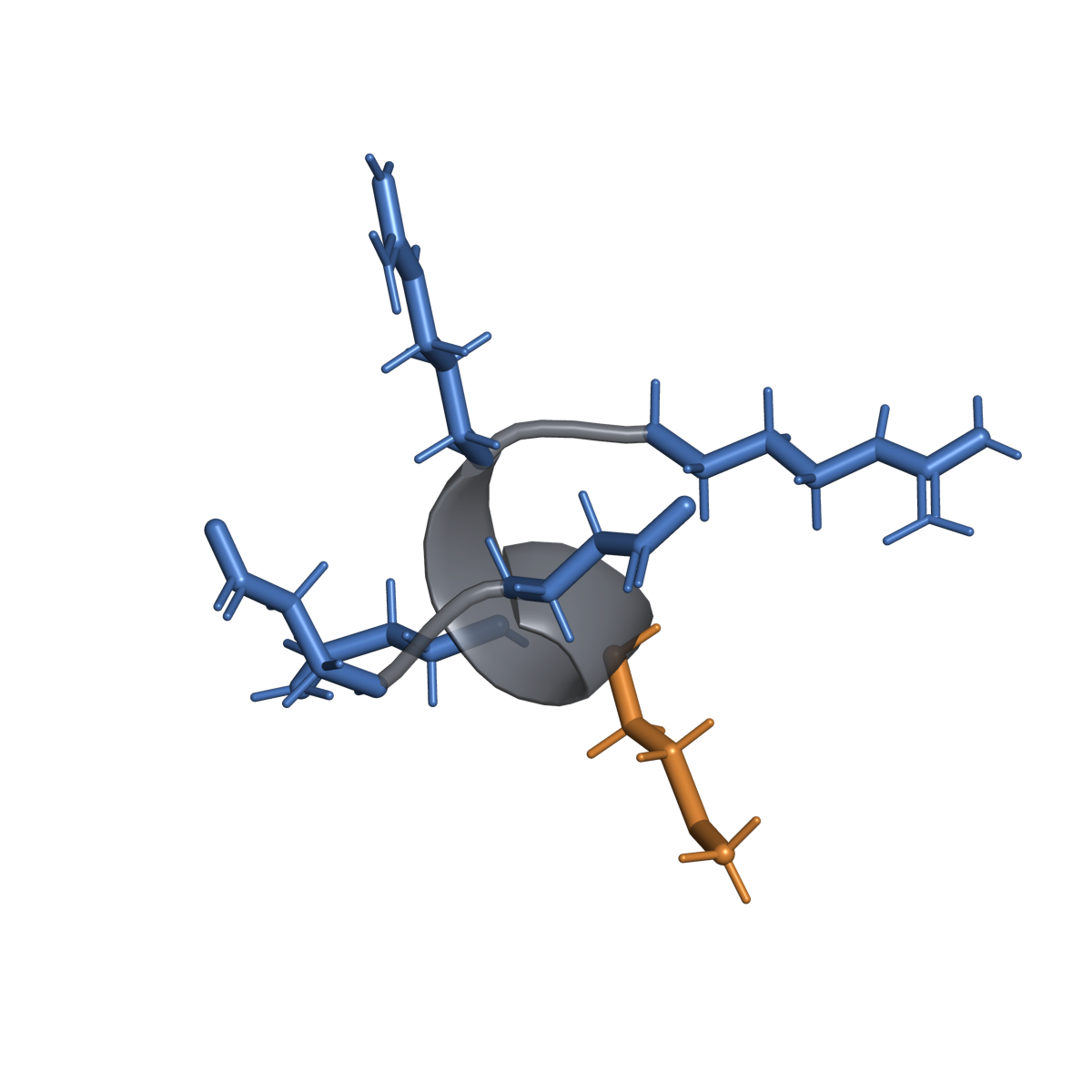
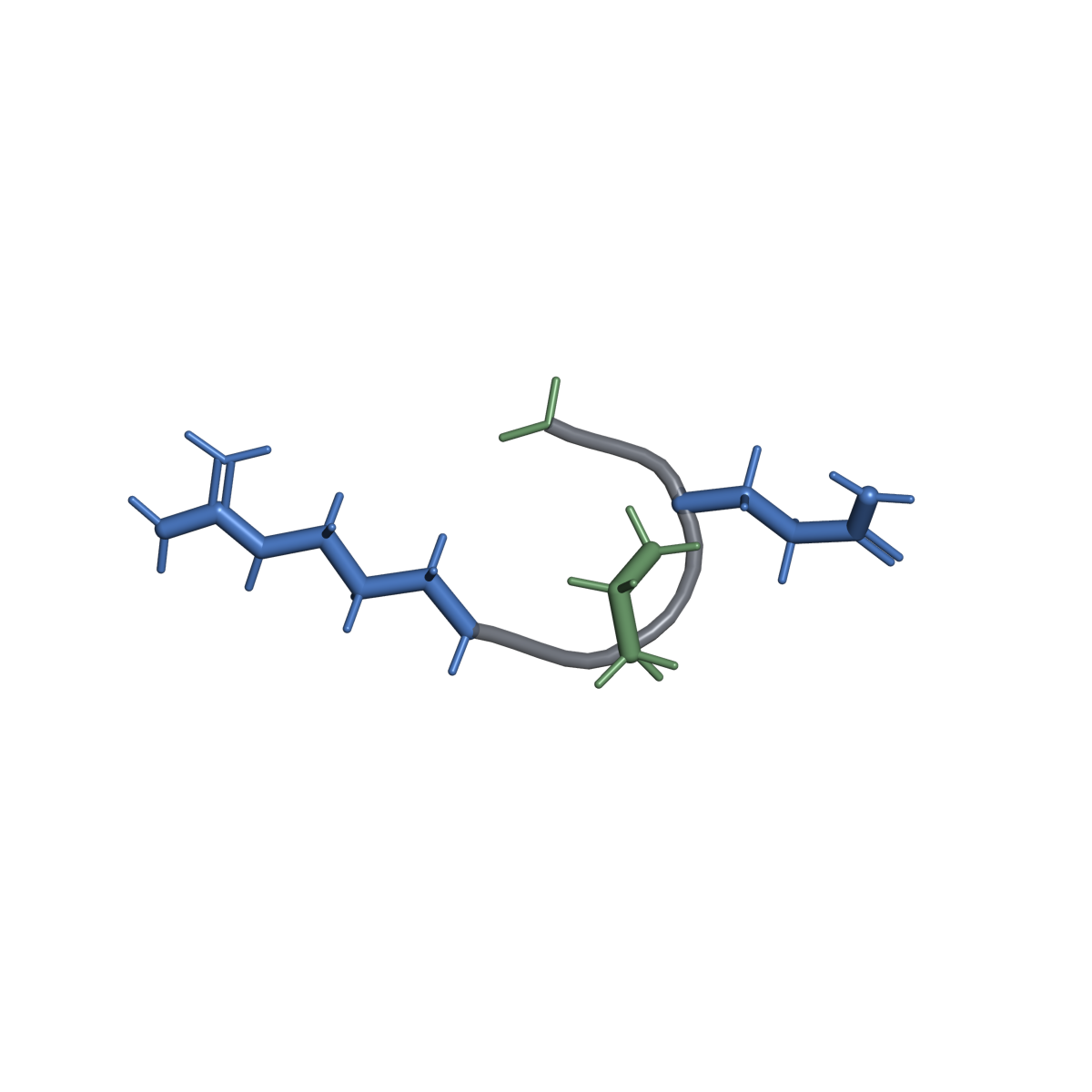
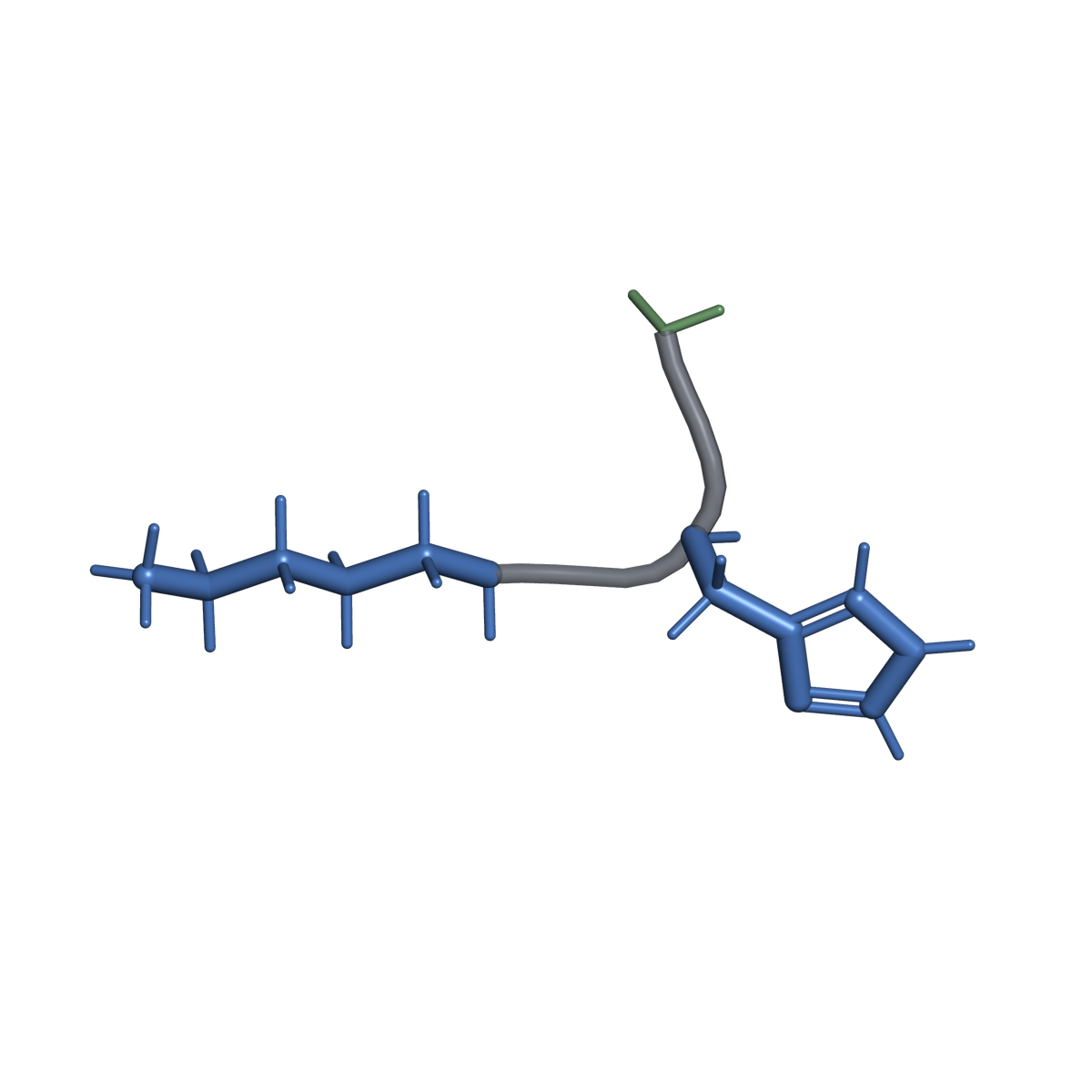
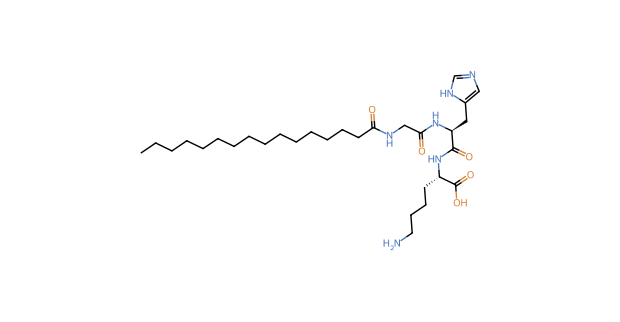
Palmitoyl tripeptide-1 (INCI name; Pal-GHK) is a synthetic lipopeptide consisting of the tripeptide glycyl-histidyl-lysine (GHK) conjugated to palmitic acid. It is marketed as a matrikine-mimetic that signals fibroblasts to produce collagen and other extracellular matrix components. It is widely used in anti-aging cosmetic formulations, often in combination with palmitoyl tetrapeptide-7 as the proprietary Matrixyl 3000 complex. In vitro studies support its proposed mechanism. Clinical evidence is limited to small, manufacturer-coordinated studies. It is classified as a cosmetic ingredient, not a drug.
Identity and composition
| Field | Verified information |
|---|---|
| Preferred name | Palmitoyl tripeptide-1 |
| Key aliases | Pal-GHK, Matrixyl 3000 (when combined with Pal-GQPR) |
| Molecular/sequence identity | N-palmitoyl-glycyl-L-histidyl-L-lysine (Pal-Gly-His-Lys) |
| Modifications/form | Palmitoylation of the tripeptide GHK; molecular formula C₃₀H₅₄N₆O₅ |
| Stable identifiers | CAS 147732-56-7; CosIng ref 56919; EC 680-607-0; The record number of a compound in PubChem, the atlas's primary structure-asset source. A registry record or depiction does not authenticate a commercial sample. Fuente de la definición: Identity and structure assets methodology · Glosario: 10231864 |
| Identity caveats | Previously covered under the retired INCI name "Palmitoyl Oligopeptide," which also described hexapeptide variants |
Development and approval status
| Jurisdiction | Status and indication | Product/source | As of |
|---|---|---|---|
| EU (CosIng) | Listed in the CosIng inventory; an INCI listing is an inventory entry, not a regulatory authorisation or safety approval | INCI name: Palmitoyl Tripeptide-1; skin conditioning function | 2026-08-06 |
| US (FDA) | Regulated as a cosmetic ingredient under the FD&C Act; not approved as a drug | FD&C Act | 2026-08-06 |
| US (CIR) | Safe as used in cosmetics at use levels ≤0.001% (the 0.002% figure in the CIR survey applies to palmitoyl hexapeptide-12, not to palmitoyl tripeptide-1) | 2018 final safety assessment (Int J Toxicol. 2018;37(3 suppl):20S-34S) | 2026-08-06 |
- UNITED STATES
- US (FDA): Regulated as a cosmetic ingredient under the FD&C Act; not approved as a drug; US (CIR): Safe as used in cosmetics at use levels ≤0.001% (the 0.002% figure in the CIR survey applies to palmitoyl hexapeptide-12, not to palmitoyl tripeptide-1)
- EU/EEA
- EU (CosIng): Listed in the CosIng inventory; an INCI listing is an inventory entry, not a regulatory authorisation or safety approval
- UNITED KINGDOM
- No UNITED KINGDOM row is present in the source status table
- OTHER DOCUMENTED
- No OTHER DOCUMENTED row is present in the source status table
Sport status: WADA: palmitoyl tripeptide-1 was not identified by exact name in the 2026 Prohibited List, and this review did not identify a matching prohibited class for the topical cosmetic use described here. Absence of an exact-name entry is not blanket permission; athletes should check the exact product, route, and current List with their anti-doping organisation.
Mechanism and pharmacology
Pal-GHK is proposed to act as a matrikine — a peptide fragment released during extracellular-matrix turnover that signals tissue repair. It binds to a yet-uncharacterized receptor on fibroblasts, upregulating synthesis of collagen I, collagen III, fibronectin, and elastin. The palmitoyl group improves lipophilicity and skin penetration. Evidence derives from in vitro fibroblast culture studies.
Evidence by claim
| Claim/indication | Stage | Grade | Best human evidence | Main result | Important limitations |
|---|---|---|---|---|---|
| Anti-aging / wrinkle reduction | Cosmetic | C | Small manufacturer-sponsored vehicle-controlled study of Matrixyl 3000 (Pal-GHK + Pal-GQPR) | Reduced wrinkle depth and improved skin firmness | Combination product; specific contribution of Pal-GHK cannot be isolated |
| Collagen synthesis | Cosmetic | D | In vitro only | Increased collagen I and III mRNA in fibroblast cultures | No adequate human confirmation |
- AGrado A: Establecido para un uso etiquetado específico
- BGrado B: Evidencia humana moderada
- CGrado C: Evidencia humana preliminar
- DGrado D: Solo preclínico
- EGrado E: Afirmación anecdótica/de marketing
- XGrado X: La evidencia contradice o no respalda la afirmación
Text alternative for the claim-evidence diagram. Each grade is defined below:
- A — Established for a specific labeled use
- 0 claims
- B — Moderate human evidence
- 0 claims
- C — Preliminary human evidence
- 1 claim: Anti-aging / wrinkle reduction
- D — Preclinical only
- 1 claim: Collagen synthesis
- E — Anecdotal/marketing claim
- 0 claims
- X — Evidence contradicts or does not support the claim
- 0 claims
Key studies
| Study | Design/population | Exposure studied | Endpoints and result | Limitations |
|---|---|---|---|---|
| CIR safety assessment (2018) | Review of toxicology data | ≤0.001% for palmitoyl tripeptide-1 in leave-on cosmetics (0.002% in CIR survey applies to palmitoyl hexapeptide-12) | No safety concerns identified | Industry-submitted data |
Dose and administration evidence
Approved labeled regimen
Palmitoyl tripeptide-1 is a cosmetic ingredient, not an approved drug. No established or recommended human dose.
Studied regimens (not recommendations)
Cosmetic use concentrations for palmitoyl tripeptide-1 reported up to ≤0.001% (10 ppm) in finished leave-on products. Applied once or twice daily.
What is not established
No established or recommended human dose.
Safety
Established label risks
Not applicable.
Human-study signals
Negative for irritation and sensitization in human repeat-insult patch tests.
Unknowns and product-quality risks
Penetration varies with formulation. "Research peptide" vials sold for injection are unregulated.
Interactions and special populations
No known interactions from topical use. Not studied in pregnancy or lactation.
Regulatory, compounding, and sport notes
EU CosIng: listed in the cosmetic ingredient inventory (INCI entry; does not constitute regulatory approval).
US: regulated as a cosmetic ingredient; no FDA drug approval.
The World Anti-Doping Agency; its Prohibited List classifies many peptides as prohibited substances in sport. Fuente de la definición: WADA and sport regulation brief · Glosario: palmitoyl tripeptide-1 was not identified by exact name in the 2026 Prohibited List, and this review did not identify a matching prohibited class for the topical cosmetic use described here. Absence of an exact-name entry is not blanket permission; athletes should check the exact product, route, and current List with their anti-doping organisation.
The INCI name "Palmitoyl Oligopeptide" (retired 2013) previously covered this ingredient.
Evidence gaps
No adequate independent clinical trials.
No studies isolating the effect of Pal-GHK from co-formulated ingredients.
Search notes
Databases and registries: PubMed, CosIng, CIR, FDA, PubChem
Search terms: "palmitoyl tripeptide-1", "Pal-GHK", "Matrixyl"
Last searched: 2026-08-06
Inclusion emphasis: primary sources, regulatory assessments
Sources
Cosmetic Ingredient Review. Safety assessment of tripeptide-1, hexapeptide-12, their metal salts and fatty acyl derivatives, and palmitoyl tetrapeptide-7. Int J Toxicol. 2018;37(3 suppl). https://www.cir-safety.org/
EU CosIng. Palmitoyl Tripeptide-1. https://ec.europa.eu/growth/tools-databases/cosing/
PubChem. Palmitoyl tripeptide-1 (CID 10231864). https://pubchem.ncbi.nlm.nih.gov/compound/10231864
CIR. Safety assessment of tripeptide-1, hexapeptide-12, their metal salts and fatty acyl derivatives, and palmitoyl tetrapeptide-7. Int J Toxicol. 2018;37(3 suppl). https://www.cir-safety.org/
World Anti-Doping Agency. 2026 Prohibited List. https://www.wada-ama.org/sites/default/files/2025-09/2026list_en_final_clean_september_2025.pdf