Bottom line
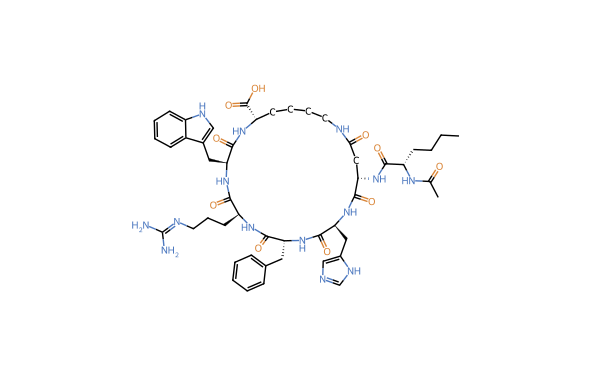
Bremelanotide is a synthetic cyclic heptapeptide melanocortin receptor agonist approved in the United States (Vyleesi) for on-demand treatment of acquired, generalized hypoactive sexual desire disorder (HSDD) in premenopausal women. It is not approved for men, postmenopausal women, or sexual performance enhancement. The non-proprietary name bremelanotide is distinct from the unapproved research peptide melanotan II; the two differ at the C-terminus (carboxylate vs. amide) and in receptor-selectivity profile.
Identity and composition
| Field | Verified information |
|---|---|
| Preferred name | Bremelanotide |
| Key aliases | PT-141; Vyleesi (brand) |
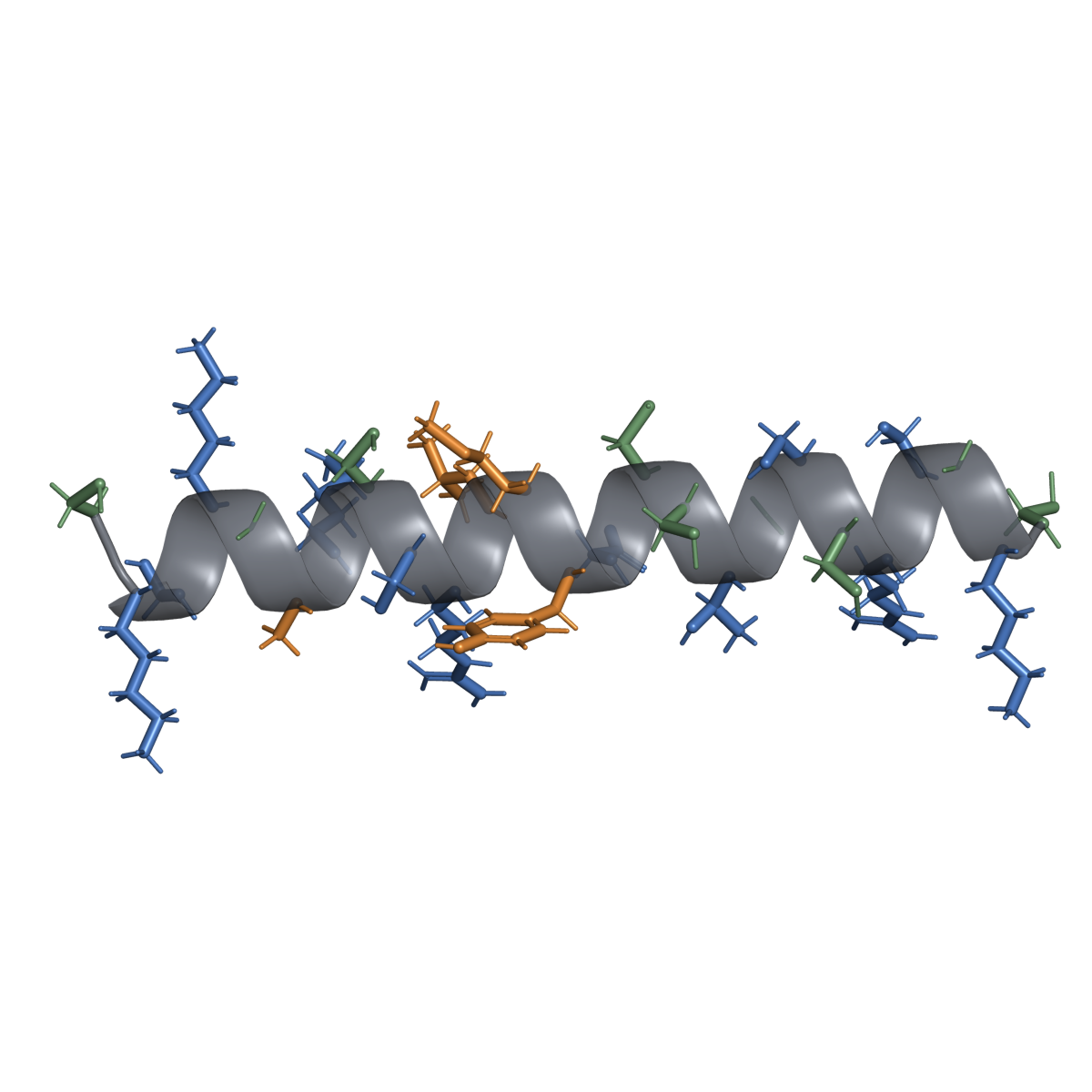
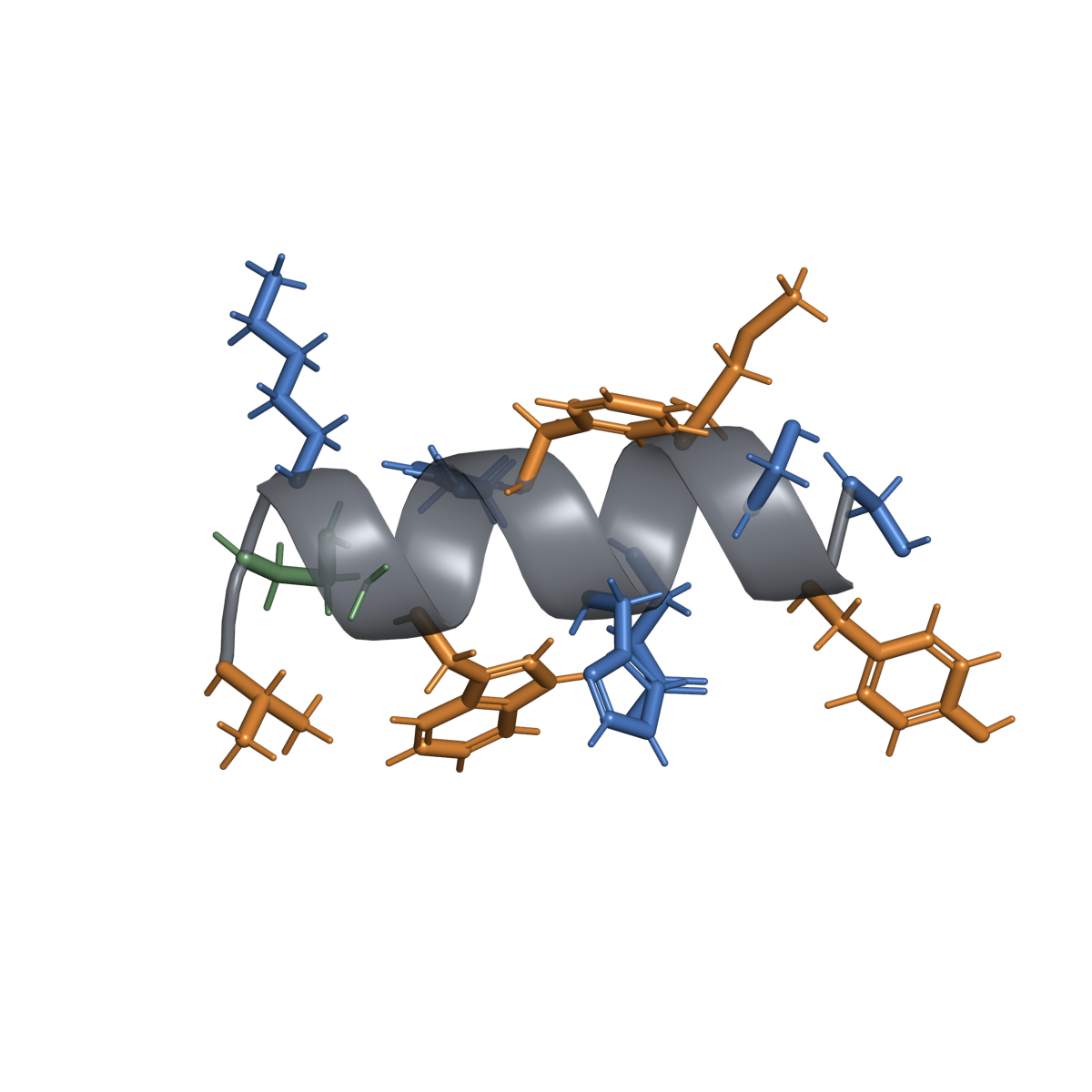
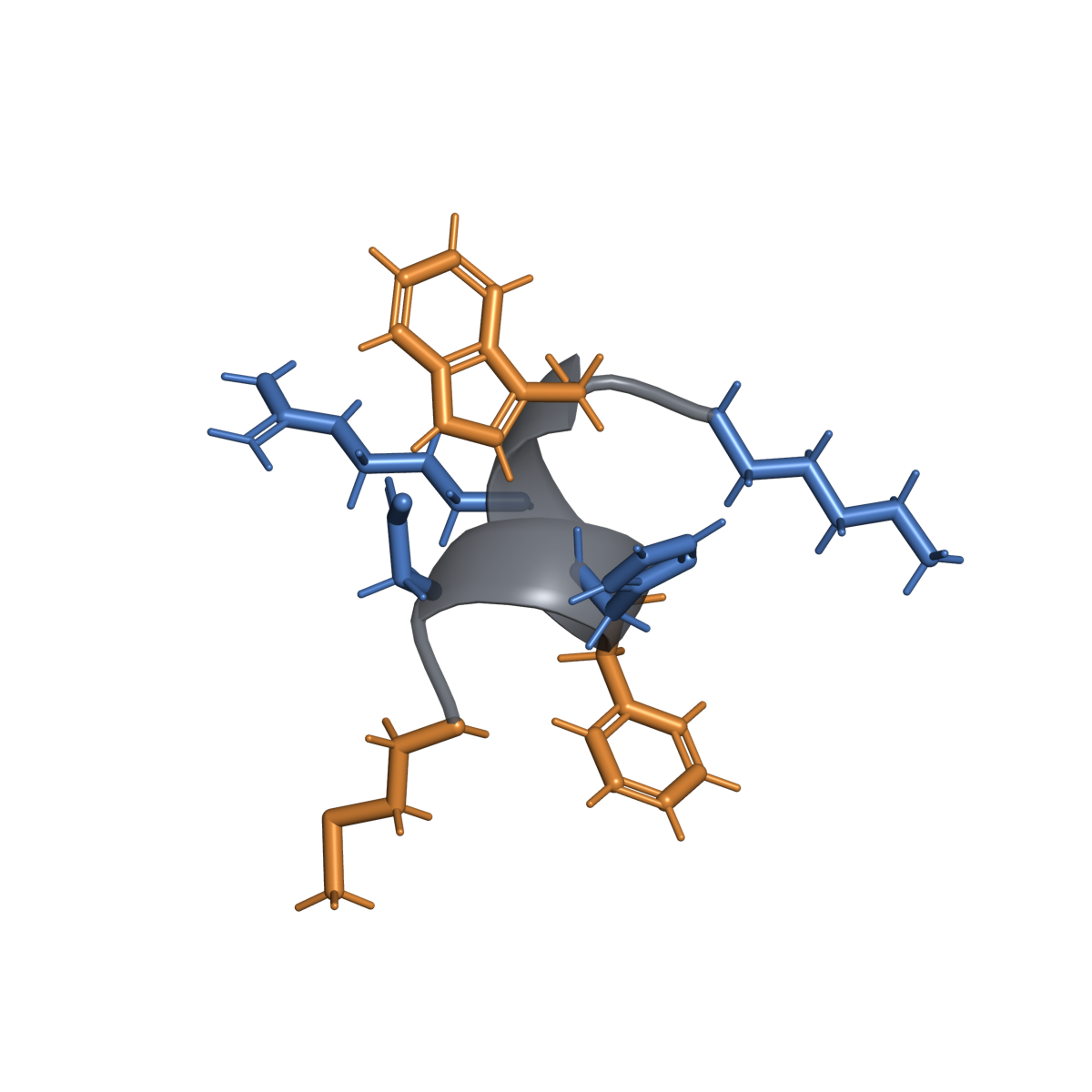
| Molecular/sequence identity | Ac-Nle-cyclo[Asp-His-D-Phe-Arg-Trp-Lys]-OH (cyclic heptapeptide) |
| Modifications/form | N-terminal acetylation; lactam bridge between Asp and Lys side chains |
| Stable identifiers | The record number of a compound in PubChem, the atlas's primary structure-asset source. A registry record or depiction does not authenticate a commercial sample. Fuente de la definición: Identity and structure assets methodology · Glosario 9941379; UNII 0J7J3T29QE |
| Identity caveats | Closely related to melanotan II (C-terminal amide vs. carboxylate); not interchangeable |
Development and approval status
| Jurisdiction | Status and indication | Product/source | As of |
|---|---|---|---|
| US (FDA) | Approved; premenopausal acquired generalized HSDD | Vyleesi (Cosette Pharmaceuticals) NDA 210557 | 2019, revised 03/2024 |
Bremelanotide has no current EMA, MHRA, Health Canada, or TGA marketing authorisation as of August 2026. A phase 2/3 study for HSDD was conducted but no application was submitted in the EU.
- UNITED STATES
- US (FDA): Approved; premenopausal acquired generalized HSDD
- EU/EEA
- No EU/EEA row is present in the source status table
- UNITED KINGDOM
- No UNITED KINGDOM row is present in the source status table
- OTHER DOCUMENTED
- No OTHER DOCUMENTED row is present in the source status table
Sport status: WADA: Bremelanotide was not identified by exact name in the 2026 Prohibited List. Because it is an FDA-approved medicine, S0 does not apply on the basis of non-approval, and this review did not identify another matching class. Athletes should still verify the exact product and current status with their anti-doping organisation.
Mechanism and pharmacology
Melanocortin receptor agonist with selectivity for MC3R and MC4R over MC1R and MC2R. Activates central melanocortin pathways involved in sexual desire and arousal. Residual MC1R agonism accounts for melanogenic effects (hyperpigmentation). Administered into the tissue layer under the skin. Fuente de la definición: Neutral gloss; usage context: Routes, devices, and absorption primer · Glosario absorption; peak plasma concentration at ~1 hour; elimination The time for the amount of a substance in the body to fall by half. Fuente de la definición: Neutral gloss; usage context: Routes, devices, and absorption primer · Glosario ~2.7 hours. Slows gastric emptying, affecting absorption of co-administered oral drugs.
Evidence by claim
| Claim/indication | Stage | Grade | Best human evidence | Main result | Important limitations |
|---|---|---|---|---|---|
| Premenopausal acquired generalized HSDD | Approved | A | Two phase 3 A study in which participants are assigned to the study material or a comparator by chance. Fuente de la definición: Neutral gloss; usage context: Evidence grading methodology · Glosario NCT02333071, NCT02338960 | Statistically significant increase in sexual desire score (FSFI-D) and reduction in distress (FSDS-R) vs. An inactive comparator used in a controlled study. Fuente de la definición: Neutral gloss; usage context: Evidence grading methodology · Glosario at 24 weeks | Women in stable relationships; required effective contraception; predominantly White; effect size modest; nausea leading to discontinuation in 8% |
| HSDD in postmenopausal women | No approval | X | Phase 2 data | Failed to meet primary endpoints | Not indicated per label |
| Sexual dysfunction in men | No approval | X | Phase 2 studies discontinued | Insufficient evidence of benefit | Program terminated; not indicated per label |
- AGrado A: Establecido para un uso etiquetado específico
- BGrado B: Evidencia humana moderada
- CGrado C: Evidencia humana preliminar
- DGrado D: Solo preclínico
- EGrado E: Afirmación anecdótica/de marketing
- XGrado X: La evidencia contradice o no respalda la afirmación
Text alternative for the claim-evidence diagram. Each grade is defined below:
- A — Established for a specific labeled use
- 1 claim: Premenopausal acquired generalized HSDD
- B — Moderate human evidence
- 0 claims
- C — Preliminary human evidence
- 0 claims
- D — Preclinical only
- 0 claims
- E — Anecdotal/marketing claim
- 0 claims
- X — Evidence contradicts or does not support the claim
- 2 claims: HSDD in postmenopausal women; Sexual dysfunction in men
Key studies
| Study | Design/population | Exposure studied | Endpoints and result | Limitations |
|---|---|---|---|---|
| RECONNECT (NCT02333071 + NCT02338960) | Two identical phase 3 A study in which participants are assigned to the study material or a comparator by chance. Fuente de la definición: Neutral gloss; usage context: Evidence grading methodology · Glosario, 24 weeks; premenopausal women 19-56 y with acquired generalized HSDD (n=1267) | Bremelanotide 1.75 mg Administered into the tissue layer under the skin. Fuente de la definición: Neutral gloss; usage context: Routes, devices, and absorption primer · Glosario as needed ~45 min before sexual activity vs. An inactive comparator used in a controlled study. Fuente de la definición: Neutral gloss; usage context: Evidence grading methodology · Glosario | FSFI-D score change (desire domain) and FSDS-R item 13 (distress): significant improvement vs. placebo; median 10 doses over 24 weeks | Modest effect sizes; high placebo response; nausea 40% in treatment arm; limited diversity |
Dose and administration evidence
Approved labeled regimen
The label summary below is product-, indication-, and jurisdiction-specific; consult the full current label and a licensed clinician/pharmacist.
Product: Vyleesi (bremelanotide injection) 1.75 mg/0.3 mL
Route: Administered into the tissue layer under the skin. Fuente de la definición: Neutral gloss; usage context: Routes, devices, and absorption primer · Glosario injection via autoinjector (abdomen or thigh)
Dosing: 1.75 mg as needed, ≥45 min before anticipated sexual activity
Maximum: 1 dose/24 hours; ≤8 doses/month
Discontinue if no symptom improvement after 8 weeks
Contraindicated in uncontrolled hypertension or known cardiovascular disease
Studied regimens (not recommendations)
None beyond the approved regimen in registered clinical trials.
What is not established
No established or recommended human dose for men, postmenopausal women, sexual performance enhancement, or any indication other than HSDD.
Safety
Established label risks
Transient blood pressure increase and heart rate decrease after each dose, resolving within ~12 hours; not recommended in patients at high cardiovascular risk.
Nausea (40%), requiring anti-emetic therapy in 13%, leading to discontinuation in 8%.
Focal hyperpigmentation (1%), including face, gingiva, breasts; higher risk with darker skin and daily dosing.
Injection site reactions, flushing, headache, vomiting, cough, nasal congestion (incidence >2%).
Drug interaction: May decrease systemic exposure of oral naltrexone; avoid co-administration with oral naltrexone-containing products.
Human-study signals
Vasodilatory effects (flushing, hot flush).
Unknowns and product-quality risks
Long-term cardiovascular safety and pigmentation outcomes not fully characterised.
Not studied beyond 24 weeks in phase 3; A study in which participants and investigators know what is administered. Fuente de la definición: Neutral gloss; usage context: Evidence grading methodology · Glosario extension to 52 weeks only.
Products sold online as "bremelanotide" or "PT-141" for research are unregulated and should not be assumed equivalent to Vyleesi.
Interactions and special populations
Oral drug absorption: May be reduced due to delayed gastric emptying.
Naltrexone: Avoid with oral naltrexone.
Pregnancy: Discontinue if pregnancy suspected; effective contraception advised.
Renal/hepatic impairment: Not studied in moderate-to-severe impairment.
Regulatory, compounding, and sport notes
US FDA: Prescription only (Vyleesi); no generic approved. NDA holder transferred from AMAG to Cosette Pharmaceuticals.
Not scheduled under US Controlled Substances Act.
The World Anti-Doping Agency; its Prohibited List classifies many peptides as prohibited substances in sport. Fuente de la definición: WADA and sport regulation brief · Glosario: Bremelanotide was not identified by exact name in the 2026 Prohibited List. Because it is an FDA-approved medicine, WADA Prohibited List class S0 (non-approved substances): pharmacological substances not addressed elsewhere in the list and with no current approval by any governmental regulatory health authority for human therapeutic use. Fuente de la definición: WADA and sport regulation brief · Glosario does not apply on the basis of non-approval, and this review did not identify another matching class. Athletes should still verify the exact product and current status with their anti-doping organisation.
Regulatory status: Not EMA/MHRA/Health Canada/TGA approved.
Compounding: US federal compounding status depends on the source, facility type, prescription and applicable statutory conditions; this page does not establish that a particular preparation is lawful.
Evidence gaps
Long-term safety beyond 1 year.
Efficacy/safety in more diverse populations.
Effects on sexual desire in women not in stable heterosexual relationships.
Direct comparisons with other HSDD treatments.
Mechanism of sustained benefit after discontinuation (if any).
Search notes
Databases and registries: DailyMed, Drugs@FDA, ClinicalTrials.gov, PubMed, EMA, The World Anti-Doping Agency; its Prohibited List classifies many peptides as prohibited substances in sport. Fuente de la definición: WADA and sport regulation brief · Glosario
Search terms: bremelanotide, PT-141, Vyleesi, HSDD, melanocortin agonist
Last searched: 2026-08-06
Inclusion emphasis: FDA label, phase 3 A study in which participants are assigned to the study material or a comparator by chance. Fuente de la definición: Neutral gloss; usage context: Evidence grading methodology · Glosario, systematic reviews
Sources
Vyleesi Full Prescribing Information (Cosette Pharmaceuticals, revised 03/2024). https://vyleesi.com/docs/Vyleesi-Full-Prescribing-Information.pdf
DailyMed – VYLEESI (bremelanotide injection). https://dailymed.nlm.nih.gov/dailymed/drugInfo.cfm?setid=f1d0c1b5-2f39-4bad-a6a4-0066e3ad5dcf
Kingsberg SA, et al. Bremelanotide for the treatment of hypoactive sexual desire disorder: two phase 3 trials (RECONNECT). J Sex Med. 2019;16(5):739-752. PMID 31003939.
ClinicalTrials.gov NCT02333071 and NCT02338960.
PubChem CID 9941379 (bremelanotide). https://pubchem.ncbi.nlm.nih.gov/compound/9941379
IUPHAR/BPS Guide to Pharmacology – bremelanotide ligand ID 10408. https://www.guidetopharmacology.org/GRAC/LigandDisplayForward?ligandId=10408
WADA. 2026 Prohibited List. https://www.wada-ama.org/en/resources/world-anti-doping-program/prohibited-list