Bottom line
GHK-Cu (glycyl-L-histidyl-L-lysine-copper(II)) is a naturally occurring tripeptide-copper complex reported in human biological fluids and used as a cosmetic ingredient.
Small, mostly manufacturer-associated topical studies report cosmetic skin endpoints, but the evidence base is not sufficient to establish therapeutic benefit. Systemic administration has not been studied in adequate human trials.
A recruiting Phase 2 trial (NCT07437586) is evaluating topical GHK-Cu for acute wound healing. See the getting-started guide for context on cosmetic-ingredient peptides.
Identity and composition
| Field | Verified information |
|---|---|
| Preferred name | GHK-Cu |
| Key aliases | Copper peptide GHK, Copper tripeptide-1, GHK, Kollaren, Liver cell growth factor, Glycyl-L-histidyl-L-lysine |
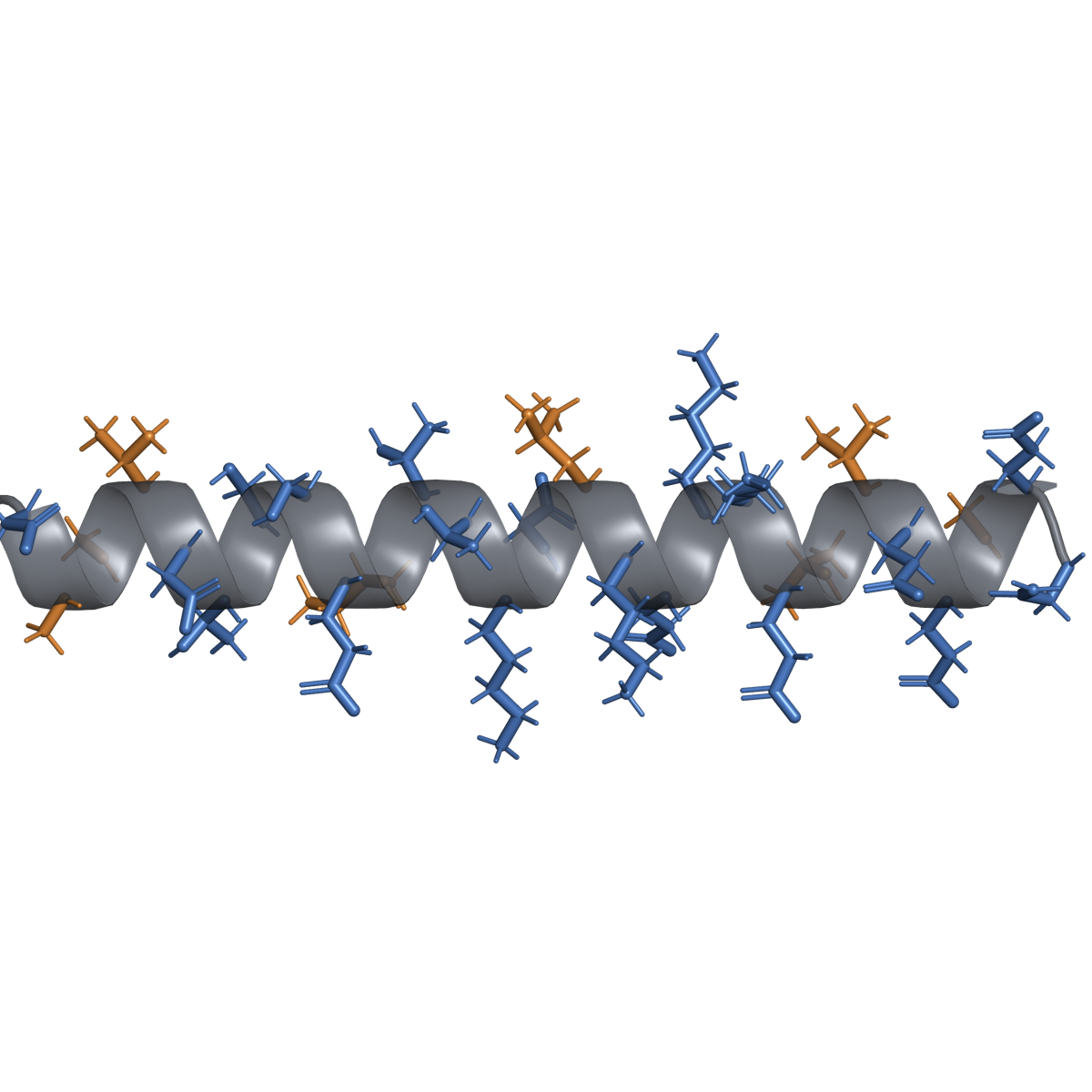
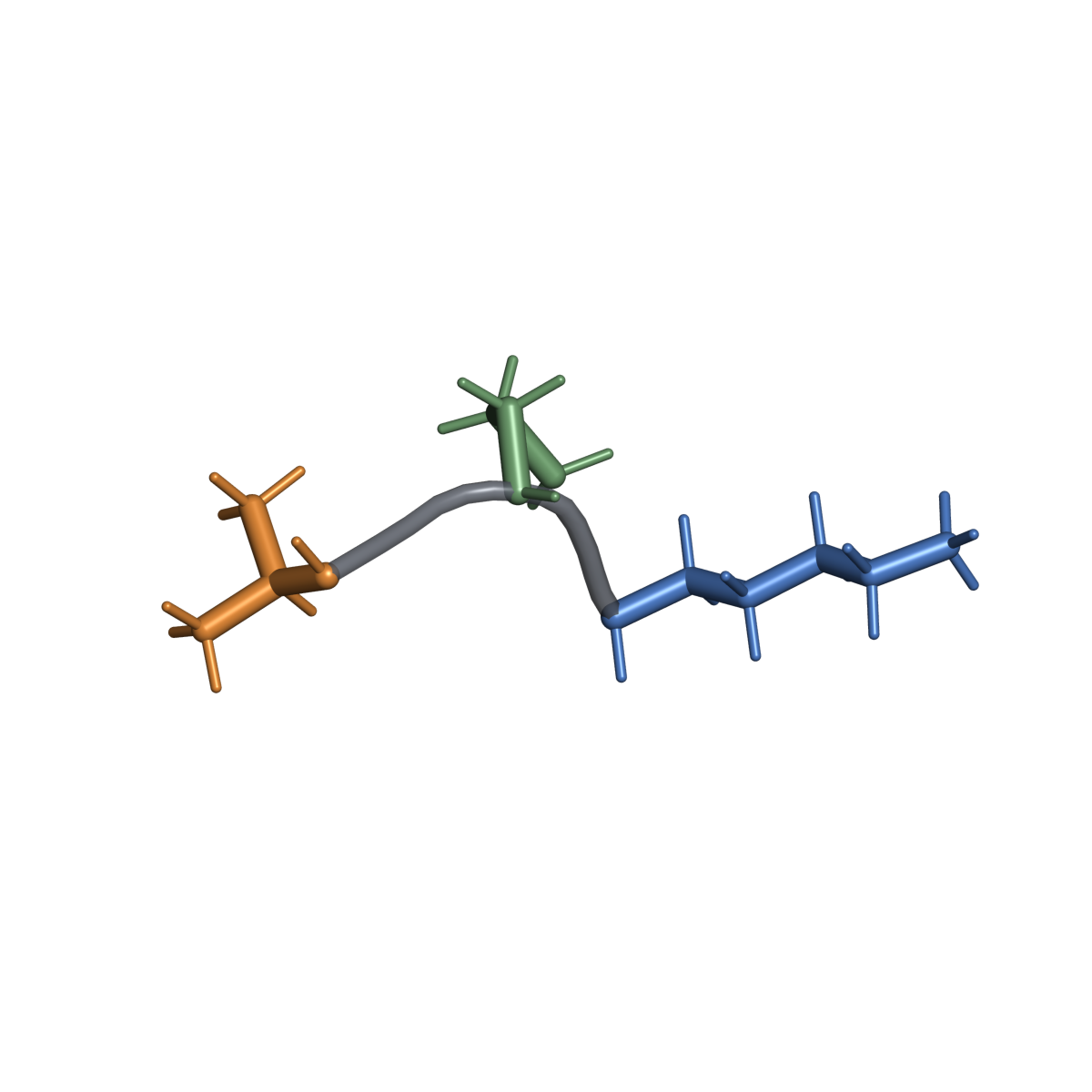
| Molecular/sequence identity | Tripeptide: Gly-His-Lys (GHK); forms stable complex with Cu²⁺ as GHK-Cu |
| Modifications/form | Linear tripeptide; exists as copper(II) complex; MW free peptide ~403 Da; copper complex ~464 Da |
| Stable identifiers | The record number of a compound in PubChem, the atlas's primary structure-asset source. A registry record or depiction does not authenticate a commercial sample. Quelle der Definition: Identity and structure assets methodology · Glossar 133697840 (registry record — corresponds to a bis(GHK)-copper species, MW ~744 Da, not the 1:1 complex); CAS 49557-75-7 applies to uncomplexed GHK; UNIIs vary by chemical form |
| Identity caveats | GHK (the free peptide) and GHK-Cu (the copper complex) are distinct entities. Most biological activity requires copper complexation. GHK without copper has different properties. Cosmetic ingredient names include Copper Tripeptide-1 and Copper PCA. CID 133697840 represents a 2:1 (GHK)₂-Cu species with MW ~744.3 Da, not the commonly cited 1:1 complex (~464 Da). No PubChem 2D depiction is available that corresponds unambiguously to the 1:1 GHK-Cu structure. Use of this CID for structure-rendering purposes is deferred pending stoichiometric resolution or a dedicated registry entry for the 1:1 complex. |
Development and approval status
| Jurisdiction | Status and indication | Product/source | As of |
|---|---|---|---|
| United States (FDA) | Not approved as a drug. Regulated as a cosmetic ingredient when marketed for topical cosmetic use | Various cosmetic products | 2026-08-06 |
| European Union | Listed in CosIng inventory (inventory entry, not a regulatory approval or safety determination) | Various cosmetic products | 2026-08-06 |
| Regulatory boundary | Cosmetic use and therapeutic-drug claims follow different national rules; wound-healing drug development is A clinical-stage candidate with scientific or public relevance. Investigation is not approval, and a studied exposure is not a recommendation. Quelle der Definition: Scope and selection methodology · Glossar | N/A | 2026-08-06 |
- UNITED STATES
- United States (FDA): Not approved as a drug. Regulated as a cosmetic ingredient when marketed for topical cosmetic use
- EU/EEA
- European Union: Listed in CosIng inventory (inventory entry, not a regulatory approval or safety determination)
- UNITED KINGDOM
- No UNITED KINGDOM row is present in the source status table
- OTHER DOCUMENTED
- Regulatory boundary: Cosmetic use and therapeutic-drug claims follow different national rules; wound-healing drug development is investigational
Sport status: WADA: GHK-Cu was not identified by exact name in the 2026 Prohibited List. Exact-name absence does not resolve S0 for an unapproved pharmacological preparation, and cosmetic-ingredient status does not establish governmental approval for systemic therapeutic use. Athletes should verify the exact product, route, and current status. See the WADA and sport regulation brief.
Mechanism and pharmacology
Gene expression modulation
GHK-Cu acts as a signaling molecule that modulates gene expression (up to 4,000 genes in microarray studies). It chelates and delivers copper to enzymes including lysyl oxidase (required for collagen crosslinking) and superoxide dismutase.
Extracellular matrix effects
It promotes collagen, elastin, and glycosaminoglycan synthesis in dermal fibroblasts, modulates metalloproteinases (MMPs) and their inhibitors (TIMPs), attracts immune and endothelial cells to wound sites, and has anti-inflammatory and antioxidant activities.
Age-related decline
GHK plasma levels decline from ~200 ng/mL at age 20 to ~80 ng/mL at age 60.
Evidence by claim
See the evidence grading methodology for an explanation of Grade letters.
| Claim/indication | Stage | Grade | Best human evidence | Main result | Important limitations |
|---|---|---|---|---|---|
| Anti-aging/skin quality (topical) | Marketed (cosmetic) | B | Multiple cosmetic A study in which participants are assigned to the study material or a comparator by chance. Quelle der Definition: Neutral gloss; usage context: Evidence grading methodology · Glossar: n=71, n=41, n=67 women | 12-week facial cream: improved skin density, thickness, laxity, reduced fine lines and wrinkles | Small studies, mostly manufacturer-affiliated; cosmetic not drug endpoints |
| Collagen stimulation (topical) | Marketed (cosmetic) | D | Small cosmetic biopsy report summarized in narrative reviews | A surrogate collagen signal was reported | Primary report and complete sample details were not identified; no therapeutic endpoint |
| Wound healing (topical) | Phase 2 | C | Evidence from in vitro or animal studies with no adequate human efficacy evidence — the atlas Grade D lane. Quelle der Definition: Evidence grading methodology · Glossar only for drug-level evidence | Animal wound healing models (rabbits, rats, pigs) | Phase 2 trial (NCT07437586) recruiting as of 2026 |
| Hair growth | Cosmetic | E | Anecdotal/marketing claims | No controlled human trial identified | Unsubstantiated for drug-level claim |
- AKlasse A: Für eine bestimmte gekennzeichnete Anwendung nachgewiesen
- BKlasse B: Mäßige Humanstudien
- CKlasse C: Vorläufige Humanstudien
- DKlasse D: Nur präklinisch
- EKlasse E: Anekdotisch/Vermarktungsbehauptung
- XKlasse X: Die Evidenz widerspricht der Behauptung oder stützt sie nicht
Text alternative for the claim-evidence diagram. Each grade is defined below:
- A — Established for a specific labeled use
- 0 claims
- B — Moderate human evidence
- 1 claim: Anti-aging/skin quality (topical)
- C — Preliminary human evidence
- 1 claim: Wound healing (topical)
- D — Preclinical only
- 1 claim: Collagen stimulation (topical)
- E — Anecdotal/marketing claim
- 1 claim: Hair growth
- X — Evidence contradicts or does not support the claim
- 0 claims
Key studies
| Study | Design/population | Exposure studied | Endpoints and result | Limitations |
|---|---|---|---|---|
| Pickart 2008 (facial cream) | DBPC, n=71 women, mild-advanced photoaging | GHK-Cu facial cream × 12 weeks | Improved skin density, thickness, laxity, reduced fine lines and wrinkles | Company-affiliated; cosmetic not clinical endpoints |
| GHK-Cu eye cream trial | DB, n=41 women, mild-advanced photodamage | GHK-Cu eye cream × 12 weeks | Reduced lines, improved appearance vs An inactive comparator used in a controlled study. Quelle der Definition: Neutral gloss; usage context: Evidence grading methodology · Glossar and vitamin K cream | Small; manufacturer-affiliated |
| Cosmetic collagen report | Small uncontrolled report summarized in narrative reviews | Topical thigh cream for one month | A biopsy-based collagen signal was reported | Primary report and complete sample details were not identified; surrogate endpoint |
| NCT07437586 (ongoing) | Phase 2, DBPC, split-wound, n=60 healthy adults [1] | GHK-Cu 0.1% topical gel × 14 days | Time to complete re-epithelialization | Recruiting; results pending |
Dose and administration evidence
Approved labeled regimen
Not applicable: no approved drug label exists. Cosmetic concentration reports are not approved therapeutic regimens.
Studied regimens (not recommendations)
Small cosmetic studies described topical creams/serums over 8-12 weeks. See the dose language methodology for the distinction between cosmetic and therapeutic regimens.
NCT07437586 describes 0.1% topical gel for 14 days. These are descriptive study exposures, not recommendations.
What is not established
No established or recommended human dose. Topical cosmetic evidence does not establish a systemic regimen or therapeutic drug use.
Safety
Established label risks
None as a drug.
In a grouped cosmetic-ingredient assessment, the Cosmetic Ingredient Review panel concluded that Copper Tripeptide-1 was safe in the present practices of use and concentration described in that assessment. That conclusion is ingredient- and use-specific; it is not drug approval and does not establish the safety of injectable, systemic, differently complexed, or poorly identified material. CosIng inventory listing likewise is not a safety determination or authorization.
Human-study signals
The small published cosmetic studies reviewed did not establish a robust adverse-event incidence. Absence of a reported signal in those studies is not evidence of safety for systemic use or for all copper-peptide formulations.
Unknowns and product-quality risks
Systemic safety (injectable or oral) has not been studied in humans.
Copper homeostasis: chronic systemic administration could theoretically affect copper balance.
Unregulated "research" products may not meet cosmetic or pharmaceutical standards.
Interactions and special populations
No drug-interaction studies. No adequate safety data for pregnancy, lactation, or pediatric populations for systemic use; pregnancy safety of topical use is also not established here.
Regulatory, compounding, and sport notes
FDA: Not a drug. Cosmetic ingredient regulated under the Federal Food, Drug, and Cosmetic Act for topical use. No injectable or systemic drug product has FDA approval.
WADA: GHK-Cu was not identified by exact name in the 2026 Prohibited List. Exact-name absence does not resolve S0 for an unapproved pharmacological preparation, and cosmetic-ingredient status does not establish governmental approval for systemic therapeutic use. Athletes should verify the exact product, route, and current status. See the WADA and sport regulation brief.
US compounding: FDA's May 2026 Sections of the US Food, Drug, and Cosmetic Act covering traditional compounding exemptions (503A) and outsourcing-facility compounding (503B). Under 503A, qualification conditions include a patient-specific prescription requirement; under 503B, conditions cover facility registration and bulk-substance eligibility. Quelle der Definition: United States regulation brief · Glossar update listed GHK-Cu, except injectable routes, in Category 1 under evaluation and announced an intent to consult PCAC before the end of February 2027. Category 1 is not approval or a finding of clinical safety or effectiveness.
The free peptide (GHK) and copper complex (GHK-Cu) have different biological activities; products should be specified accordingly.
Evidence gaps
No systemic (injectable/oral) human How a substance is absorbed, distributed, metabolized, and eliminated by the body; atlas pages report pharmacokinetic data such as half-life, metabolism, and clearance. Quelle der Definition: Neutral gloss; usage context: Routes, devices, and absorption primer · Glossar or safety data.
Cosmetic studies are small, often manufacturer-funded, and lack rigorous clinical endpoints.
Wound healing data are predominantly Evidence from in vitro or animal studies with no adequate human efficacy evidence — the atlas Grade D lane. Quelle der Definition: Evidence grading methodology · Glossar.
Optimal copper-to-peptide ratio and formulation stability are not standardized across products.
The "master regulator of 4,000 genes" claim is based on microarray data from specific cell types and may not generalize.
Search notes
Databases and registries: PubMed, ClinicalTrials.gov, PubChem, FDA Cosmetics, Cosmetic Ingredient Review
Search terms: GHK-Cu, copper peptide, glycyl-histidyl-lysine, copper tripeptide-1
Last searched: 2026-08-06
Inclusion emphasis: Human studies prioritized; distinction between drug-level and cosmetic evidence
Sources
Market-claim context only; not used to substantiate efficacy, safety, or dose: https://www.peptides.org/ghk-cu/
https://journal.hep.com.cn/smab/EN/10.1007/s43393-026-00447-7
Johnson W Jr, et al. Safety Assessment of Tripeptide-1, Hexapeptide-12, Their Metal Salts and Fatty Acyl Derivatives, and Palmitoyl Tetrapeptide-7 as Used in Cosmetics. Int J Toxicol. 2018;37(3 Suppl):90S-102S. DOI 10.1177/1091581818807863. https://www.cir-safety.org/sites/default/files/peptides.pdf
US Food and Drug Administration. Bulk Drug Substances Nominated for Use in Compounding Under Section 503A of the Federal Food, Drug, and Cosmetic Act. Updated May 14, 2026. https://www.fda.gov/media/94155/download?attachment=
World Anti-Doping Agency. 2026 Prohibited List. https://www.wada-ama.org/sites/default/files/2025-09/2026list_en_final_clean_september_2025.pdf