Bottom line
Afamelanotide (SCENESSE) is a synthetic 13-amino-acid linear analogue of An entry with substantial scientific visibility or identity value. Biological rationale and non-human evidence do not establish patient benefit. Quelle der Definition: Scope and selection methodology · Glossar α-melanocyte-stimulating hormone (α-MSH) approved in the US (FDA 2019) and EU (EMA 2014) to increase pain-free light exposure in adults with erythropoietic protoporphyria (EPP). It is delivered as a controlled-release Administered into the tissue layer under the skin. Quelle der Definition: Neutral gloss; usage context: Routes, devices, and absorption primer · Glossar implant every 2 months. The substance is also referred to as "Melanotan I" in research contexts, which has caused confusion with the unregulated tanning product Melanotan II; the two are chemically distinct and have different regulatory statuses.
Identity and composition
| Field | Verified information |
|---|---|
| Preferred name | Afamelanotide |
| Key aliases | Melanotan I; SCENESSE (brand); CUV1647 |
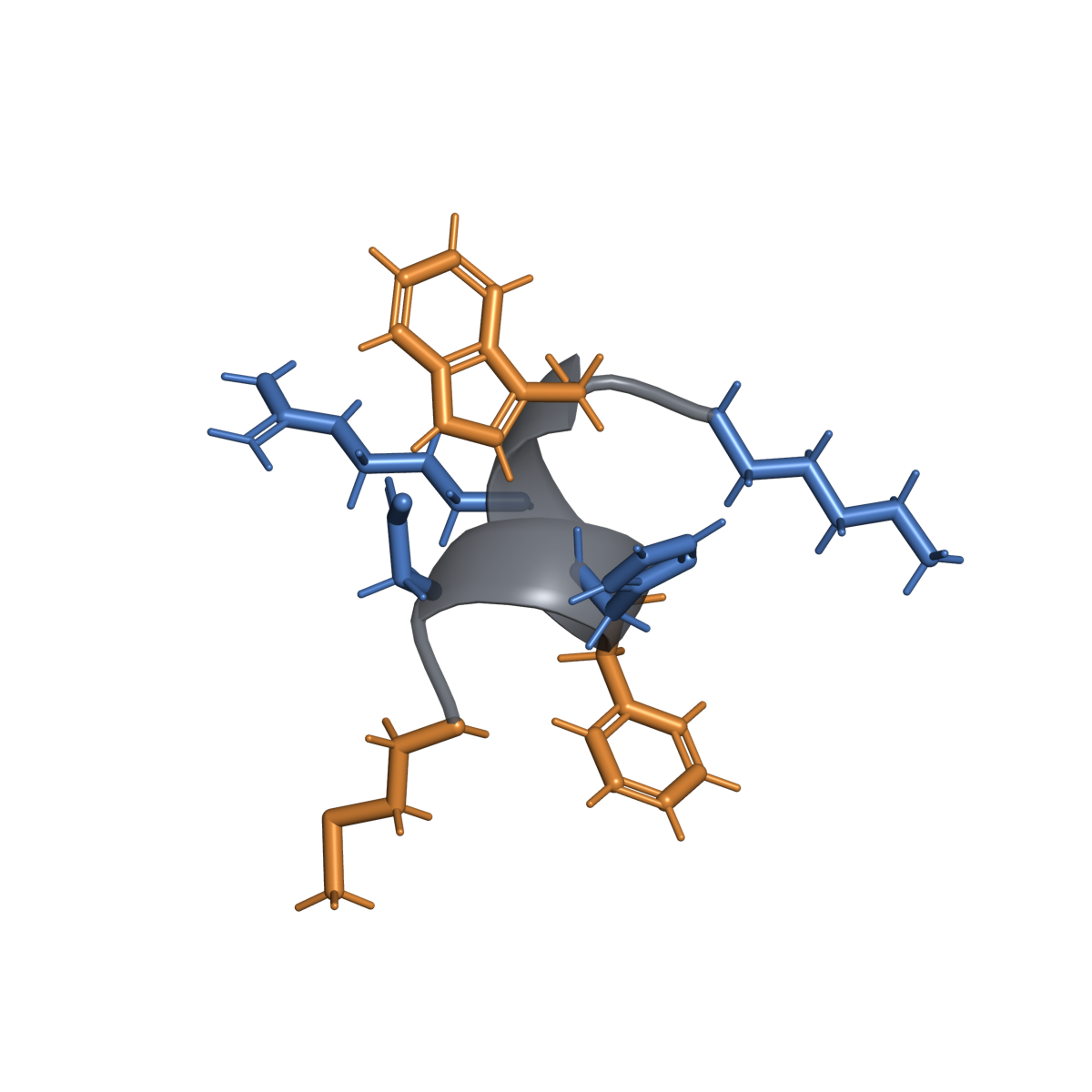
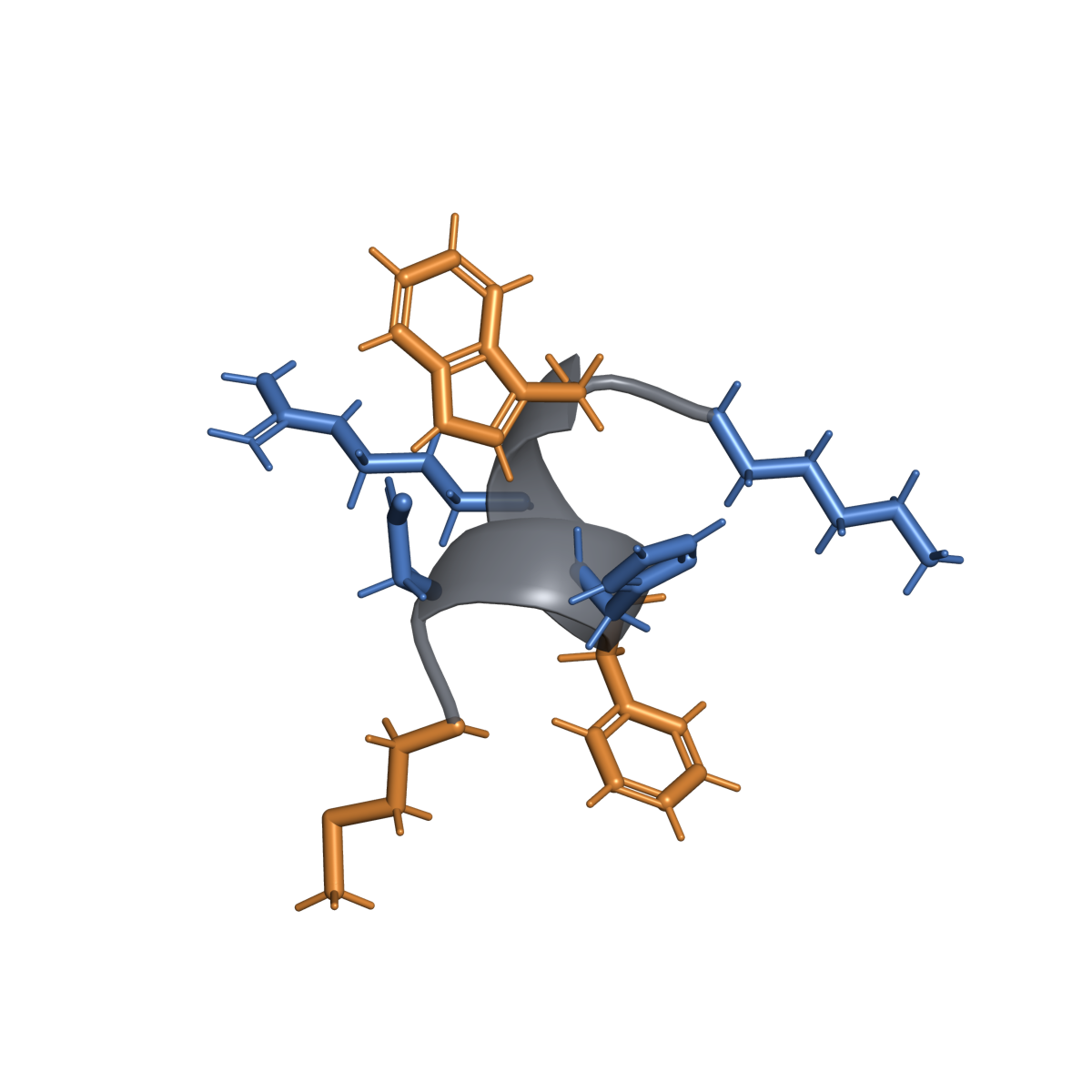
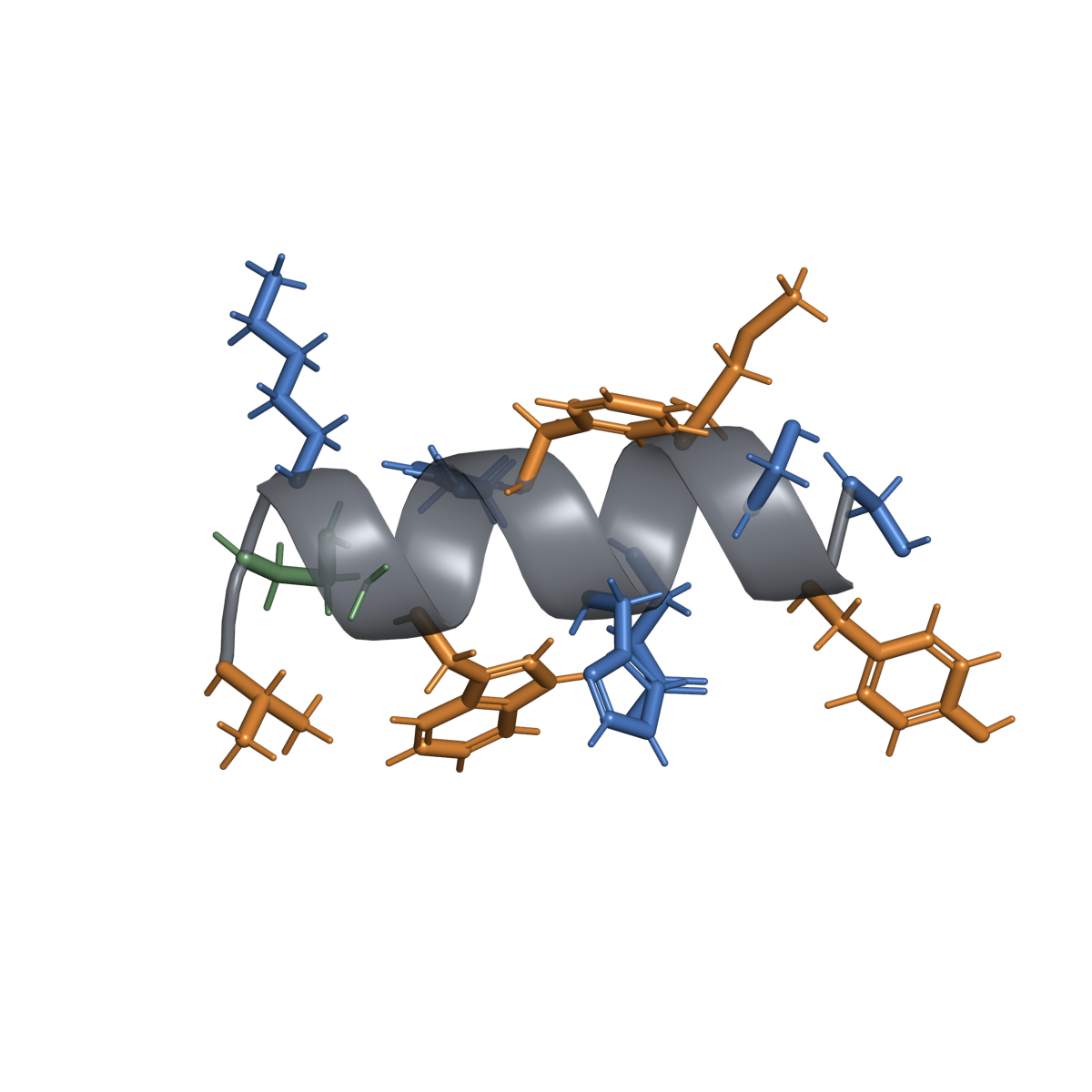
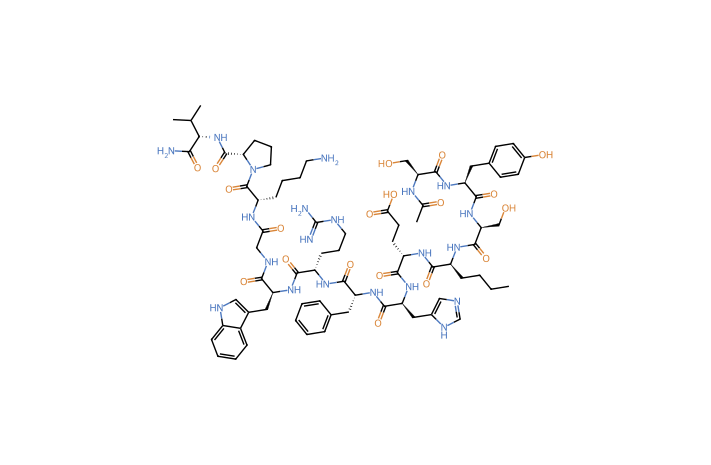
| Molecular/sequence identity | Ac-Ser-Tyr-Ser-Nle-Glu-His-D-Phe-Arg-Trp-Gly-Lys-Pro-Val-NH2 (linear 13-mer, Nle replaces Met in position 4 of α-MSH) |
| Modifications/form | N-terminal acetylation; C-terminal amidation; norleucine substitution at position 4 |
| Stable identifiers | The record number of a compound in PubChem, the atlas's primary structure-asset source. A registry record or depiction does not authenticate a commercial sample. Quelle der Definition: Identity and structure assets methodology · Glossar 16197727; UNII 5A7D2L3M6Z |
| Identity caveats | Often confused with Melanotan II in online marketplaces; the sequences, indications, and regulatory statuses are distinct |
Development and approval status
| Jurisdiction | Status and indication | Product/source | As of |
|---|---|---|---|
| EU (EMA) | Approved; prevention of phototoxicity in adults with EPP | SCENESSE (Clinuvel) | 2014-12-22 (exceptional circumstances); renewed 2019 |
| US (FDA) | Approved; increase pain-free light exposure in adults with EPP | SCENESSE implant (Clinuvel) NDA 210797 | 2019-12-31; label updated 12/2023 |
| Australia (TGA) | Approved since 2020 for EPP; ARTG 327947 | SCENESSE (Clinuvel) | 2020-08-07 |
| UK (MHRA) | Recognised via EU mutual recognition; post-Brexit status maintained | SCENESSE | Ongoing |
- UNITED STATES
- US (FDA): Approved; increase pain-free light exposure in adults with EPP
- EU/EEA
- EU (EMA): Approved; prevention of phototoxicity in adults with EPP
- UNITED KINGDOM
- UK (MHRA): Recognised via EU mutual recognition; post-Brexit status maintained
- OTHER DOCUMENTED
- Australia (TGA): Approved since 2020 for EPP; ARTG 327947
Sport status: WADA: Afamelanotide was not identified by exact name in the 2026 Prohibited List, and this review did not identify a matching prohibited class. Athletes should verify the exact product and current status with their anti-doping organisation rather than infer classification from therapeutic purpose.
Mechanism and pharmacology
Melanocortin-1 receptor (MC1R) agonist. Binds MC1R on melanocytes to stimulate eumelanin synthesis independent of UV exposure. Increased epidermal eumelanin absorbs and scatters visible light, delaying the onset of phototoxic pain in EPP. Administered into the tissue layer under the skin. Quelle der Definition: Neutral gloss; usage context: Routes, devices, and absorption primer · Glossar implant provides sustained release over ~60 days.
Evidence by claim
| Claim/indication | Stage | Grade | Best human evidence | Main result | Important limitations |
|---|---|---|---|---|---|
| Prevention of phototoxicity in adults with EPP | Approved (FDA, EMA) | A | Three vehicle-controlled A study in which participants are assigned to the study material or a comparator by chance. Quelle der Definition: Neutral gloss; usage context: Evidence grading methodology · Glossar (CUV029, CUV030, CUV039); n=244 | Patients receiving SCENESSE had median 64.1 hours of pain-free direct sunlight exposure over 180 days vs 40.5 hours with vehicle in the pivotal trial (CUV039); consistent direction in all 3 vehicle-controlled trials | Small sample (rare disease); all EPP without significant liver involvement; A study in which participants and investigators know what is administered. Quelle der Definition: Neutral gloss; usage context: Evidence grading methodology · Glossar extension may overestimate benefit; authorised under "exceptional circumstances" by EMA |
- AKlasse A: Für eine bestimmte gekennzeichnete Anwendung nachgewiesen
- BKlasse B: Mäßige Humanstudien
- CKlasse C: Vorläufige Humanstudien
- DKlasse D: Nur präklinisch
- EKlasse E: Anekdotisch/Vermarktungsbehauptung
- XKlasse X: Die Evidenz widerspricht der Behauptung oder stützt sie nicht
Text alternative for the claim-evidence diagram. Each grade is defined below:
- A — Established for a specific labeled use
- 1 claim: Prevention of phototoxicity in adults with EPP
- B — Moderate human evidence
- 0 claims
- C — Preliminary human evidence
- 0 claims
- D — Preclinical only
- 0 claims
- E — Anecdotal/marketing claim
- 0 claims
- X — Evidence contradicts or does not support the claim
- 0 claims
Key studies
| Study | Design/population | Exposure studied | Endpoints and result | Limitations |
|---|---|---|---|---|
| CUV029, CUV030, CUV039 | 3 randomised, vehicle-controlled trials; 244 adults with EPP | SCENESSE 16 mg Administered into the tissue layer under the skin. Quelle der Definition: Neutral gloss; usage context: Routes, devices, and absorption primer · Glossar implant q2 months vs. vehicle implant | Increase in pain-free time in direct sunlight — pivotal trial (CUV039) showed median 64.1 hours of direct sunlight exposure over 180-day study period in SCENESSE group vs 40.5 hours in vehicle group (per current FDA label); QoL improvement | Small n; no long-term data beyond 1-2 y; vehicle implant blinding limitations; no liver EPP subset |
Dose and administration evidence
Approved labeled regimen
The label summary below is product-, indication-, and jurisdiction-specific; consult the full current label and a licensed clinician/pharmacist.
Product: SCENESSE (afamelanotide implant) 16 mg
Route: Administered into the tissue layer under the skin. Quelle der Definition: Neutral gloss; usage context: Routes, devices, and absorption primer · Glossar implant (above anterior supra-iliac crest) via SFM Implantation Cannula by trained healthcare professional
Dosing: 16 mg every 2 months
Duration: As needed for ongoing photoprotection
Contraindicated in known hypersensitivity to afamelanotide or excipients
Studied regimens (not recommendations)
No other regimens in approved indications.
What is not established
No established or recommended human dose for tanning, skin cancer prevention, or any cosmetic indication.
Safety
Established label risks
Implant site reactions (most common).
Nausea, fatigue, dizziness, somnolence.
Oropharyngeal pain, cough.
Skin hyperpigmentation (pharmacological effect).
Melanocytic nevus – full body skin exam twice yearly recommended.
Hypersensitivity reactions, including anaphylaxis (discontinue permanently if serious reaction occurs).
Human-study signals
Non-acute porphyria, skin irritation reported in >2%.
Unknowns and product-quality risks
Liver EPP safety not established.
Long-term carcinogenicity risk with melanocyte stimulation not fully characterised (though rationale is eumelanin is photoprotective); post-marketing surveillance ongoing.
Products sold online as "Melanotan I" or "afamelanotide" are unregulated and not equivalent to SCENESSE.
Interactions and special populations
Pregnancy: No adequate human data; animal studies show some adverse effects at high doses.
Lactation: Unknown if excreted in human milk.
Hepatic impairment: Patients with significant liver involvement in EPP excluded from trials.
Regulatory, compounding, and sport notes
US FDA: Orphan drug designation; NDA 210797; restricted to trained HCP administration.
EU: Approved under exceptional circumstances; EMA orphan designation.
Australia TGA: ARTG 327947, registered 7 August 2020.
Not scheduled under US Controlled Substances Act.
The World Anti-Doping Agency; its Prohibited List classifies many peptides as prohibited substances in sport. Quelle der Definition: WADA and sport regulation brief · Glossar: Afamelanotide was not identified by exact name in the 2026 Prohibited List, and this review did not identify a matching prohibited class. Athletes should verify the exact product and current status with their anti-doping organisation rather than infer classification from therapeutic purpose.
Compounding: Compounding, prescribing and promotion are separate legal questions that depend on jurisdiction and facts. This page does not establish that a particular preparation or use is lawful; online products cannot be assumed equivalent to SCENESSE.
Cannot be substituted with Melanotan II or "research" analogues.
Evidence gaps
Long-term (>2 year) safety and efficacy.
Optimal treatment duration for sustained benefit.
Efficacy/safety in paediatric EPP (deferred obligation, EMA).
Efficacy in EPP with liver involvement.
Direct comparison with other photoprotection strategies (e.g., oral dersimelagon, beta-carotene, narrow-band UV hardening).
Search notes
Databases and registries: DailyMed, Drugs@FDA, EMA EPAR, ClinicalTrials.gov, PubMed, TGA
Search terms: afamelanotide, SCENESSE, Melanotan I, erythropoietic protoporphyria, phototoxicity
Last searched: 2026-08-06
Inclusion emphasis: FDA label (current DailyMed), EMA SmPC, pivotal A study in which participants are assigned to the study material or a comparator by chance. Quelle der Definition: Neutral gloss; usage context: Evidence grading methodology · Glossar
Sources
SCENESSE (afamelanotide implant) Prescribing Information. Clinuvel. FDA NDA 210797. Revised August 2024. https://dailymed.nlm.nih.gov/dailymed/drugInfo.cfm?setid=94f53286-11dd-7fbb-e053-2a95a90a7c48
EMA EPAR – Scenesse. https://www.ema.europa.eu/en/medicines/human/EPAR/scenesse
Langendonk JG, et al. Afamelanotide for erythropoietic protoporphyria. N Engl J Med. 2015;373(1):48-59. PMID 26132940.
ClinicalTrials.gov NCT01595776, NCT01605136, NCT01097031.
PubChem CID 16197727 (afamelanotide). https://pubchem.ncbi.nlm.nih.gov/compound/16197727
WADA. 2026 Prohibited List. https://www.wada-ama.org/en/resources/world-anti-doping-program/prohibited-list