Bottom line
Acetyl hexapeptide-8 (INCI name; trade name Argireline) is a synthetic acetylated hexapeptide derived from the N-terminal sequence of SNAP-25, a SNARE-complex protein. It is widely marketed as a topical cosmetic ingredient for reducing expression lines. The proposed mechanism — inhibition of neurotransmitter release via SNARE competition — is biologically plausible but relies on topical penetration that is limited by the peptide's hydrophilicity and molecular weight (889 Da). Clinical evidence consists of small, mostly manufacturer-sponsored studies reporting modest wrinkle reduction. It is a cosmetic ingredient, not a drug, and no large independent trials support the "Botox in a bottle" marketing claim.
Identity and composition
| Field | Verified information |
|---|---|
| Preferred name | Acetyl hexapeptide-8 |
| Key aliases | Argireline, Acetyl hexapeptide-3 (former INCI) |
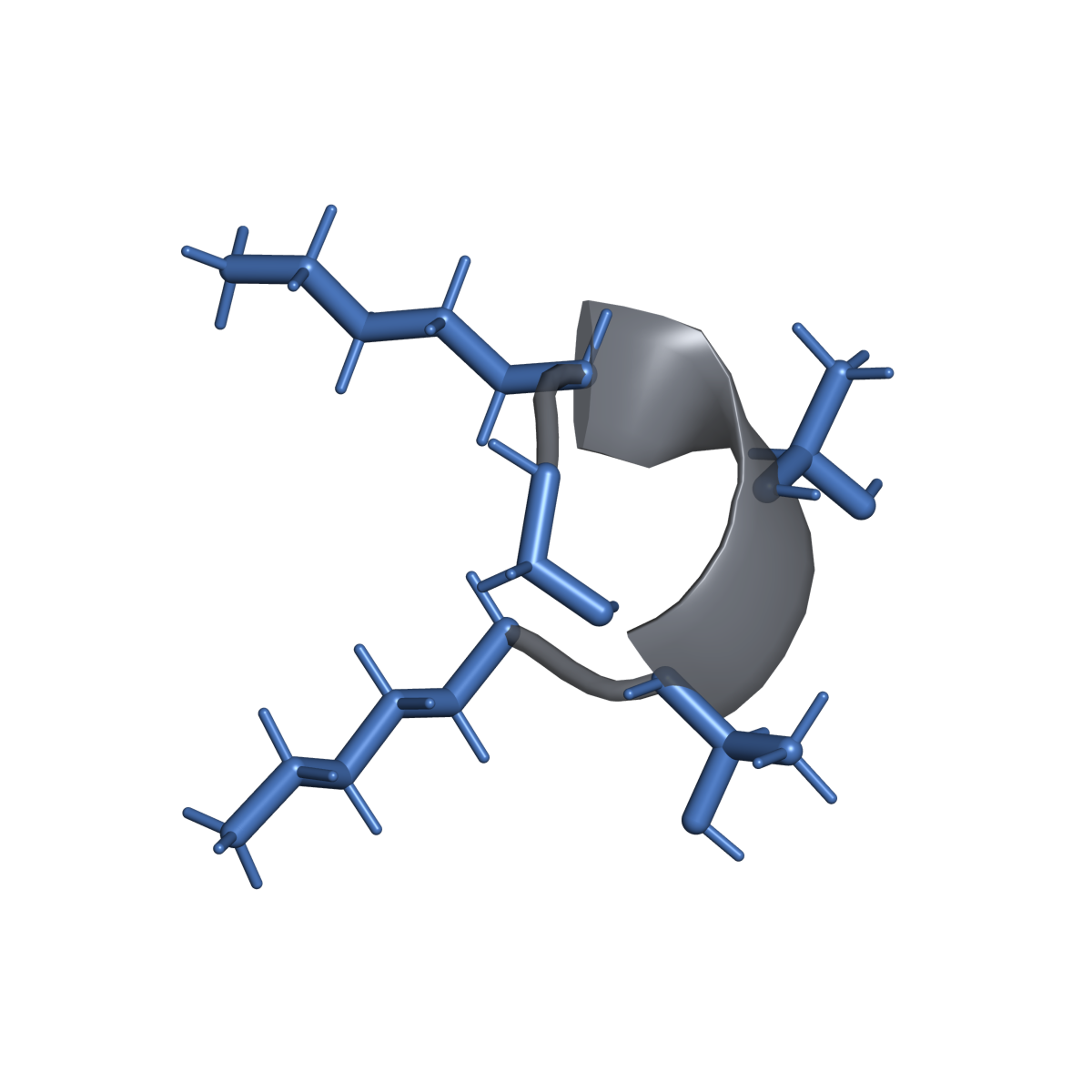
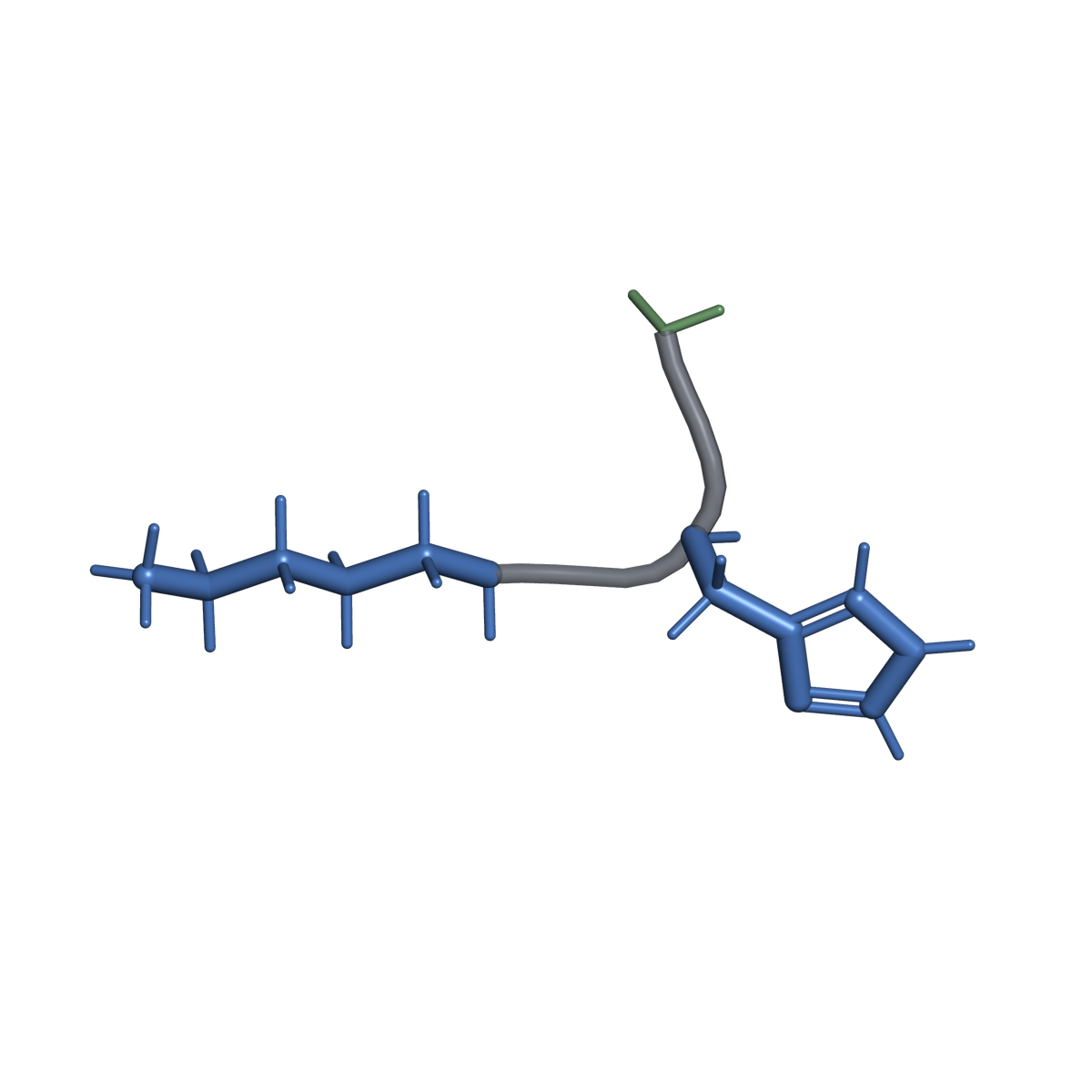
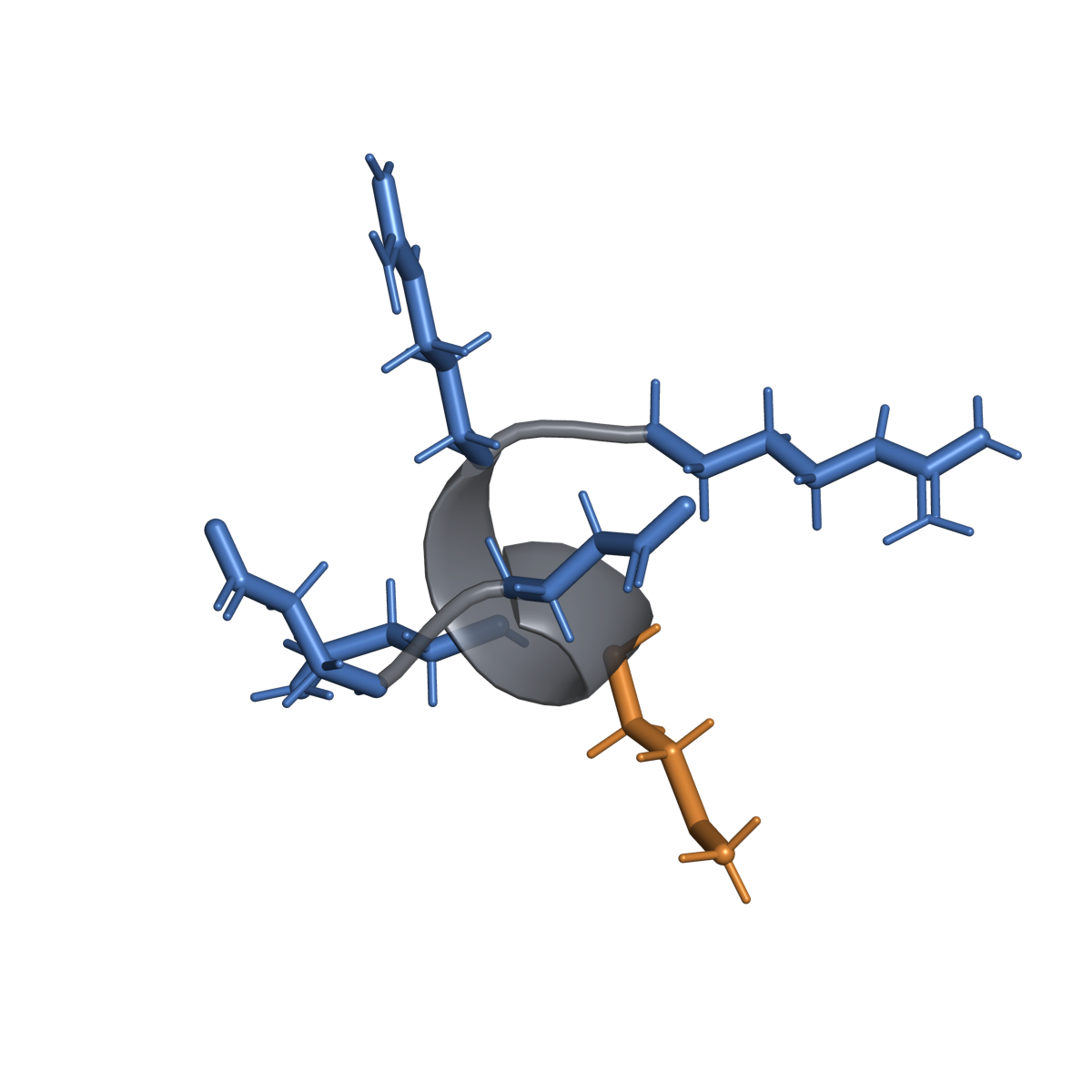
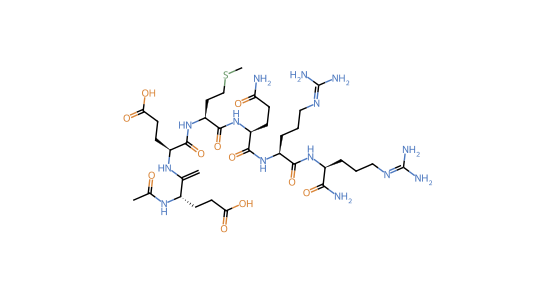
| Molecular/sequence identity | Ac-Glu-Glu-Met-Gln-Arg-Arg-NH₂ (acetylated hexapeptide, amidated C-terminus) |
| Modifications/form | N-terminal acetylation; C-terminal amidation; molecular weight ~889 Da |
| Stable identifiers | INCI: Acetyl Hexapeptide-8; CosIng ref 38173; US FDA UNII: not assigned as drug; The record number of a compound in PubChem, the atlas's primary structure-asset source. A registry record or depiction does not authenticate a commercial sample. مصدر التعريف: Identity and structure assets methodology · المسرد: 71587772 |
| Identity caveats | Formerly listed as Acetyl Hexapeptide-3 in older INCI databases; renamed to Acetyl Hexapeptide-8 in 2014 INCI update |
Development and approval status
| Jurisdiction | Status and indication | Product/source | As of |
|---|---|---|---|
| EU (CosIng) | Listed in the CosIng inventory; an INCI listing is an inventory entry, not a regulatory authorisation or safety approval | INCI name: Acetyl Hexapeptide-8; anti-wrinkle, skin conditioning functions | 2026-08-06 |
| US (FDA) | Regulated as a cosmetic ingredient under the FD&C Act; not approved as a drug | FD&C Act | 2026-08-06 |
| US (CIR) | No dedicated CIR safety assessment for acetyl hexapeptide-8 as of searched date. The 2018 CIR tripeptide-1/hexapeptide-12 assessment (Int J Toxicol. 2018;37(3 suppl):20S-34S) does not include acetyl hexapeptide-8. | — | 2026-08-06 |
- UNITED STATES
- US (FDA): Regulated as a cosmetic ingredient under the FD&C Act; not approved as a drug; US (CIR): No dedicated CIR safety assessment for acetyl hexapeptide-8 as of searched date. The 2018 CIR tripeptide-1/hexapeptide-12 assessment (Int J Toxicol. 2018;37(3 suppl):20S-34S) does not include acetyl hexapeptide-8.
- EU/EEA
- EU (CosIng): Listed in the CosIng inventory; an INCI listing is an inventory entry, not a regulatory authorisation or safety approval
- UNITED KINGDOM
- No UNITED KINGDOM row is present in the source status table
- OTHER DOCUMENTED
- No OTHER DOCUMENTED row is present in the source status table
Sport status: WADA: acetyl hexapeptide-8 was not identified by exact name in the 2026 Prohibited List, and this review did not identify a matching prohibited class for the topical cosmetic use described here. Absence of an exact-name entry is not blanket permission; athletes should check the exact product, route, and current List with their anti-doping organisation.
Mechanism and pharmacology
Acetyl hexapeptide-8 is proposed to competitively inhibit SNARE-complex assembly by mimicking the N-terminus of SNAP-25, thereby reducing acetylcholine release at the neuromuscular junction. This mechanism is analogous to botulinum toxin, but the peptide acts non-enzymatically and only at the topical site. In vitro assays demonstrate SNARE inhibition at micromolar concentrations. Skin penetration studies show that passive flux across intact stratum corneum is very low; delivery enhancers (microneedles, specialized emulsions) increase penetration substantially.
Evidence by claim
| Claim/indication | Stage | Grade | Best human evidence | Main result | Important limitations |
|---|---|---|---|---|---|
| Wrinkle reduction (expression lines) | Cosmetic | C | Small (N=~30-60), vehicle-controlled, manufacturer-sponsored studies | 17-30% reduction in wrinkle depth by profilometry over 4-8 weeks | Small samples, no independent replication, high risk of sponsorship bias |
| "Botox alternative" | Cosmetic | X | No controlled comparison with botulinum toxin | N/A | Marketing claim unsupported by head-to-head data; mechanism and extent of effect are qualitatively different |
- Aالدرجة A: مثبت لاستخدام محدد مصرح به
- Bالدرجة B: أدلة بشرية معتدلة
- Cالدرجة C: أدلة بشرية أولية
- Dالدرجة D: ما قبل السريرية فقط
- Eالدرجة E: ادعاء قصصي/تسويقي
- Xالدرجة X: الأدلة تتعارض مع الادعاء أو لا تدعمه
Text alternative for the claim-evidence diagram. Each grade is defined below:
- A — Established for a specific labeled use
- 0 claims
- B — Moderate human evidence
- 0 claims
- C — Preliminary human evidence
- 1 claim: Wrinkle reduction (expression lines)
- D — Preclinical only
- 0 claims
- E — Anecdotal/marketing claim
- 0 claims
- X — Evidence contradicts or does not support the claim
- 1 claim: "Botox alternative"
Key studies
| Study | Design/population | Exposure studied | Endpoints and result | Limitations |
|---|---|---|---|---|
| Blanes-Mira et al. 2002 (PMID 12458233) | In vitro SNARE inhibition assay | μM concentrations | Demonstrated SNARE complex inhibition | Evidence from in vitro or animal studies with no adequate human efficacy evidence — the atlas Grade D lane. مصدر التعريف: Evidence grading methodology · المسرد; does not establish topical efficacy |
| Hoppel et al. 2015 (PMID 25497319) | Ex vivo porcine skin penetration | W/O/W emulsion formulation | Enhanced peptide delivery vs. simple solutions | Ex vivo model; no clinical outcomes |
| Zdrada-Nowak et al. 2025 (PMID 40565185) | Systematic review | Various AH-8 formulations | "May reduce wrinkle depth"; acknowledges limited evidence | Review of mostly manufacturer data |
Dose and administration evidence
Approved labeled regimen
Acetyl hexapeptide-8 is a cosmetic ingredient, not an approved drug. No established or recommended human dose.
Studied regimens (not recommendations)
Cosmetic serums typically contain 5-10% Argireline solution (equivalent to low-ppm active peptide), applied once or twice daily.
What is not established
No established or recommended human dose.
Safety
Established label risks
Not applicable; no approved drug label.
Human-study signals
Well tolerated in cosmetic studies. Mild transient irritation in some individuals.
Unknowns and product-quality risks
Penetration and efficacy are highly formulation-dependent. Products sold for injection ("research use") are adulterated and carry infection risk.
Interactions and special populations
No known interactions from topical use. Not studied in pregnancy or lactation.
Regulatory, compounding, and sport notes
EU CosIng: listed in the cosmetic ingredient inventory (INCI entry; does not constitute regulatory approval). US: regulated as a cosmetic ingredient; no FDA drug approval.
Injectable use is not an approved route; some "research peptide" vials sold for injection are unregulated, non-sterile, and misbranded.
The World Anti-Doping Agency; its Prohibited List classifies many peptides as prohibited substances in sport. مصدر التعريف: WADA and sport regulation brief · المسرد: acetyl hexapeptide-8 was not identified by exact name in the 2026 Prohibited List, and this review did not identify a matching prohibited class for the topical cosmetic use described here. Absence of an exact-name entry is not blanket permission; athletes should check the exact product, route, and current List with their anti-doping organisation.
Evidence gaps
No independent, adequately powered A study in which participants are assigned to the study material or a comparator by chance. مصدر التعريف: Neutral gloss; usage context: Evidence grading methodology · المسرد of wrinkle reduction.
No trials comparing Argireline to standard anti-aging treatments (retinoids, Botox).
Skin penetration under real-world cosmetic use is poorly characterized.
Search notes
Databases and registries: PubMed, CosIng, CIR, FDA
Search terms: "acetyl hexapeptide-8", "Argireline", "acetyl hexapeptide-3"
Last searched: 2026-08-06
Inclusion emphasis: peer reviewed studies, regulatory assessments
Sources
Blanes-Mira C, et al. A synthetic hexapeptide (Argireline) with antiwrinkle activity. Int J Cosmet Sci. 2002;24(5):303-310. PMID 12458233.
Hoppel M, et al. Topical delivery of acetyl hexapeptide-8 from different emulsions. Eur J Pharm Sci. 2015;68:27-35. PMID 25497319.
Zdrada-Nowak A, et al. Acetyl hexapeptide-8 in cosmeceuticals: a review. Int J Mol Sci. 2025;26(11). PMID 40565185.
Blanes-Mira C, et al. A synthetic hexapeptide (Argireline) with antiwrinkle activity. Int J Cosmet Sci. 2002;24(5):303-310. DOI: 10.1046/j.1467-2494.2002.00153.x.
World Anti-Doping Agency. 2026 Prohibited List. https://www.wada-ama.org/sites/default/files/2025-09/2026list_en_final_clean_september_2025.pdf
EU CosIng. Acetyl Hexapeptide-8. https://ec.europa.eu/growth/tools-databases/cosing/
PubChem. Acetyl hexapeptide-8 / acetyl hexapeptide-3 synonym record (CID 71587772). https://pubchem.ncbi.nlm.nih.gov/compound/71587772