Bottom line
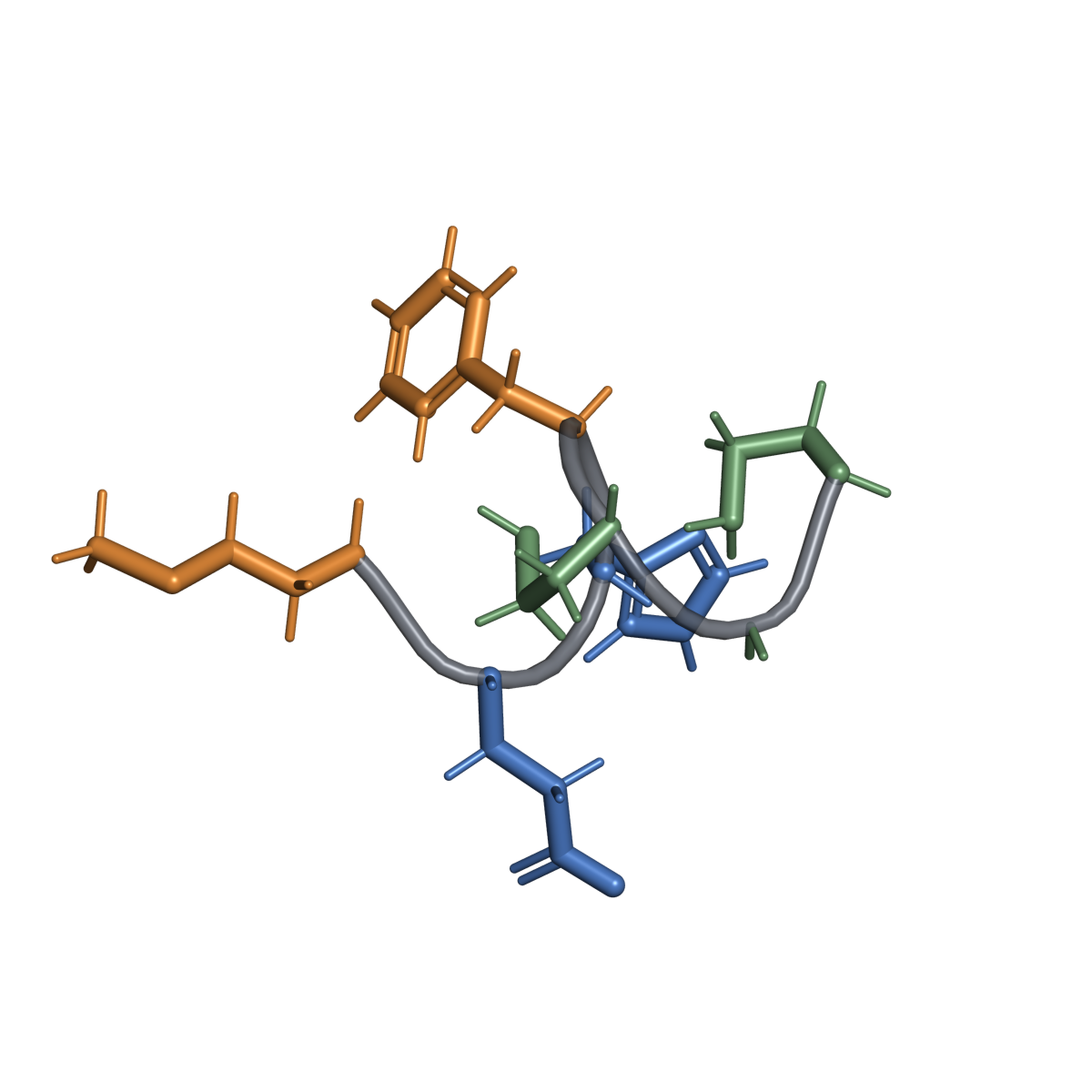
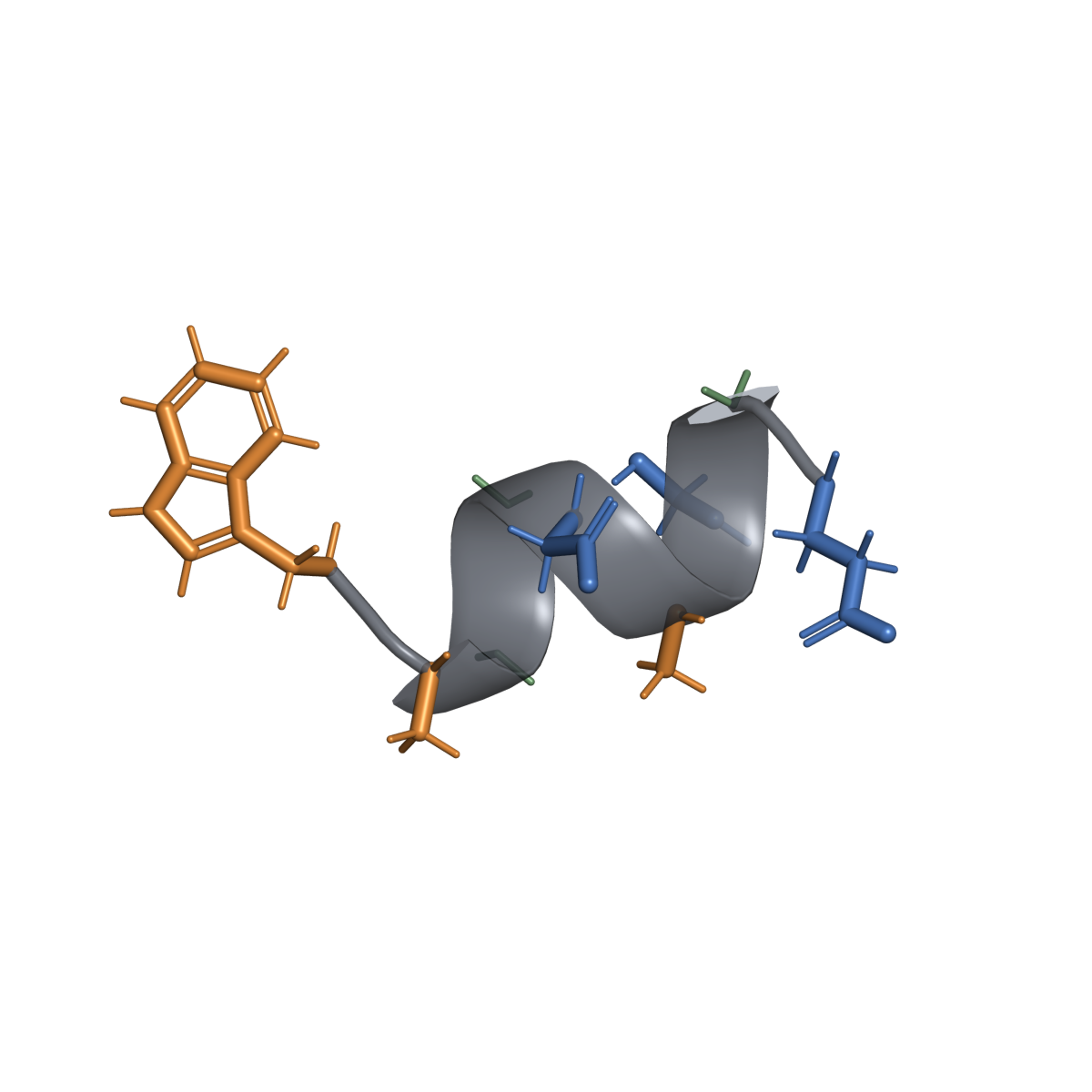
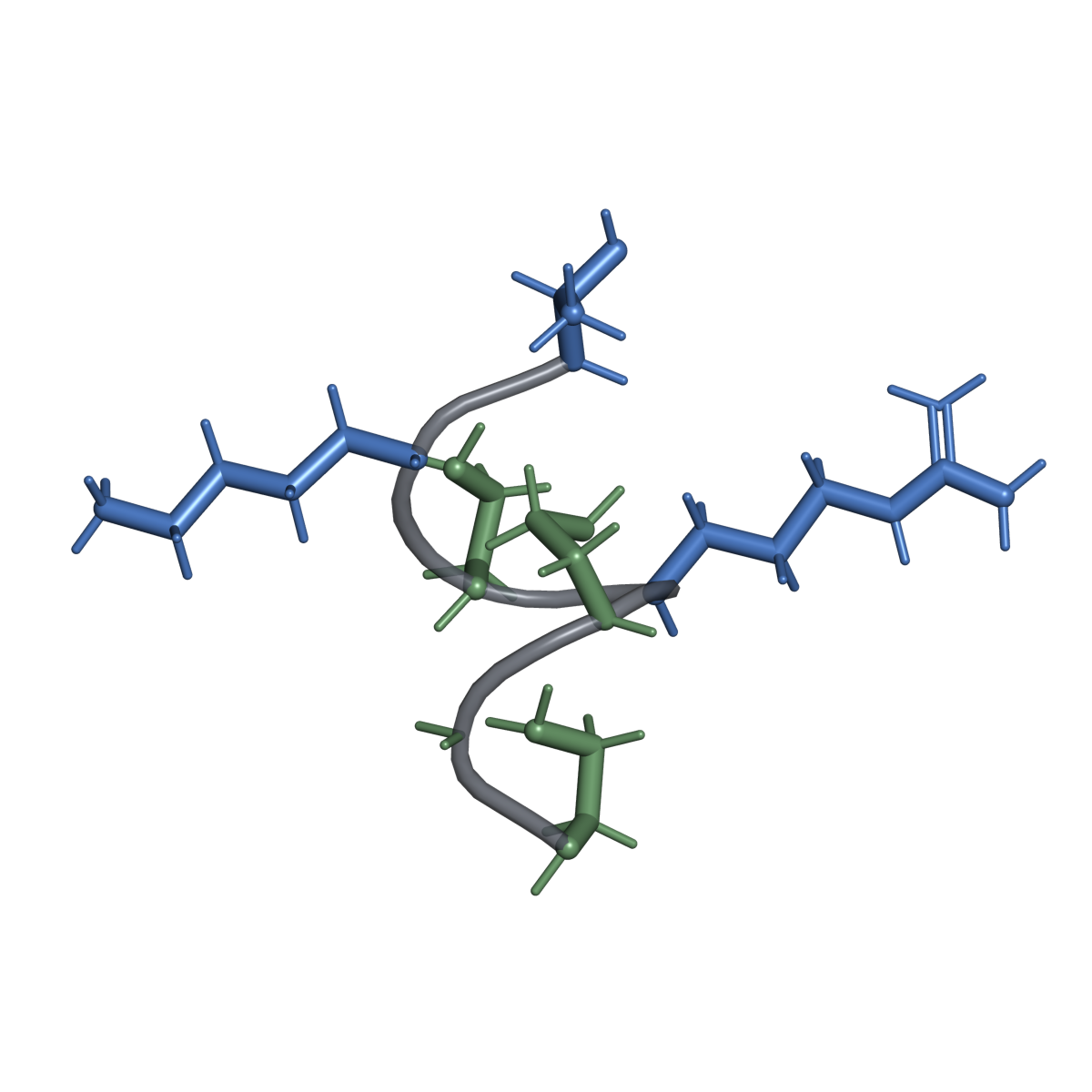
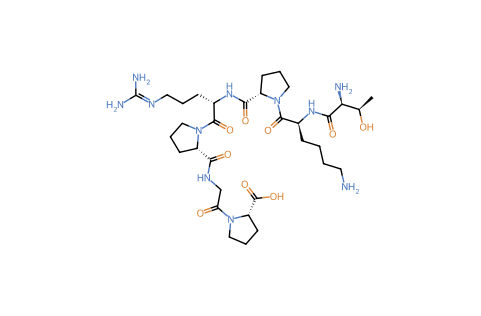
Selank is a synthetic heptapeptide (Thr-Lys-Pro-Arg-Pro-Gly-Pro) derived from the An entry with substantial scientific visibility or identity value. Biological rationale and non-human evidence do not establish patient benefit. 定义来源: Scope and selection methodology · 术语表 immunomodulatory tetrapeptide tuftsin (Thr-Lys-Pro-Arg) by C-terminal extension with Pro-Gly-Pro for metabolic stability. It is registered in Russia as a prescription anxiolytic for anxiety-spectrum disorders. The clinical evidence base is limited to a small number of Russian-controlled trials with modest sample sizes; no Western-standard regulatory review or independent replication has occurred.
Identity and composition
| Field | Verified information |
|---|---|
| Preferred name | Selank |
| Key aliases | Selank acetate, TP-7, tuftsin analog |
| Molecular/sequence identity | L-Thr-L-Lys-L-Pro-L-Arg-L-Pro-L-Gly-L-Pro (heptapeptide) |
| Modifications/form | C-terminal Pro-Gly-Pro stabilising extension added to tuftsin tetrapeptide; acetate salt common |
| Stable identifiers | CAS 129954-34-3; The record number of a compound in PubChem, the atlas's primary structure-asset source. A registry record or depiction does not authenticate a commercial sample. 定义来源: Identity and structure assets methodology · 术语表 11765600; no UNII assigned (not US-registered) |
| Identity caveats | Shares the C-terminal Pro-Gly-Pro motif with Semax but no sequence homology; distinct mechanism (GABAergic vs melanocortin); not to be confused with Semax |
Development and approval status
| Jurisdiction | Status and indication | Product/source | As of |
|---|---|---|---|
| Russia | Approved, Rx — generalized anxiety disorder, neurasthenia, adjustment disorders with anxiety | Selank | 2009 |
| Ukraine | Approved for GAD | Selank | — |
| FDA (US) | Not approved | — | 2026-08 |
| EMA (EU) | Not approved | — | 2026-08 |
| MHRA (UK) | Not approved | — | 2026-08 |
- UNITED STATES
- FDA (US): Not approved
- EU/EEA
- EMA (EU): Not approved
- UNITED KINGDOM
- MHRA (UK): Not approved
- OTHER DOCUMENTED
- Russia: Approved, Rx — generalized anxiety disorder, neurasthenia, adjustment disorders with anxiety; Ukraine: Approved for GAD
Sport status: WADA: not identified by exact name in the 2026 List. This page records a current Russian governmental approval, so S0 cannot be inferred merely from lack of FDA/EMA approval. Athletes should obtain a current case-specific classification.
Mechanism and pharmacology
Selank modulates GABA-A receptor activity without directly acting as an agonist (unlike benzodiazepines). It inhibits enkephalinase, increasing An entry with substantial scientific visibility or identity value. Biological rationale and non-human evidence do not establish patient benefit. 定义来源: Scope and selection methodology · 术语表 enkephalin levels and opioid tone. The peptide also upregulates BDNF in the hippocampus and frontal cortex and carries tuftsin-derived immunomodulatory activity, including regulation of IL-6 and TNF-α. Gene-expression studies show effects on 80+ genes related to GABAergic transmission, immune function, and stress response. Positron emission tomography indicates selective brain distribution following intranasal administration.
Evidence by claim
| Claim/indication | Stage | Grade | Best human evidence | Main result | Important limitations |
|---|---|---|---|---|---|
| Generalized anxiety disorder | Approved (Russia) [1] | C | Zozulia et al. 2008 (n≈62) | Anxiolytic comparable to medazepam without sedation | Small sample; single-country; English abstract only; PMID 18454096 |
| Phobic-anxiety and somatoform disorders | Approved (Russia) | C | Russian controlled trial (n≈60) | Anxiolytic comparable to phenazepam; effect persisted ~1 week | Full methodology not accessible in English |
| Nootropic / cognitive enhancement | Unapproved off-label | E | — | No adequate human data | Only Evidence from in vitro or animal studies with no adequate human efficacy evidence — the atlas Grade D lane. 定义来源: Evidence grading methodology · 术语表 and marketing extrapolation |
Text alternative for the claim-evidence diagram. Each grade is defined below:
- A — Established for a specific labeled use
- 0 claims
- B — Moderate human evidence
- 0 claims
- C — Preliminary human evidence
- 2 claims: Generalized anxiety disorder; Phobic-anxiety and somatoform disorders
- D — Preclinical only
- 0 claims
- E — Anecdotal/marketing claim
- 1 claim: Nootropic / cognitive enhancement
- X — Evidence contradicts or does not support the claim
- 0 claims
Key studies
| Study | Design/population | Exposure studied | Endpoints and result | Limitations |
|---|---|---|---|---|
| Zozulia et al. 2008 | GAD and neurasthenia (n≈62); Selank vs medazepam [1] | 250–500 mcg intranasal × 10–14 days | Anxiolytic comparable to medazepam; no sedation | Small; open or single-blind; English abstract only; PMID 18454096 |
| Kozlovskii & Danchev 2003 | Conditioned avoidance (Evidence from in vitro or animal studies with no adequate human efficacy evidence — the atlas Grade D lane. 定义来源: Evidence grading methodology · 术语表) | — | Optimising action on learning in rodents | Preclinical; PMID 12617305 |
| Volkova et al. 2016 | Rat gene expression [1] | Selank vs vehicle | Altered GABA-related gene expression | Preclinical; PMID 26924987 |
Dose and administration evidence
Approved labeled regimen
The label summary below is product-, indication-, and jurisdiction-specific; consult the full current label and a licensed clinician/pharmacist.
Russian-approved regimen: 0.15% intranasal solution, 250–500 mcg per dose, 2–3 times daily. Typical course 10–14 days.
Studied regimens (not recommendations)
Clinical studies used the approved intranasal regimen above.
What is not established
Long-term efficacy beyond 14-day courses
Safety and efficacy for off-label uses (social anxiety, PTSD, depression)
Dose for non-approved routes (oral, Administered into the tissue layer under the skin. 定义来源: Neutral gloss; usage context: Routes, devices, and absorption primer · 术语表, Administered into a vein. 定义来源: Neutral gloss; usage context: Routes, devices, and absorption primer · 术语表)
Comparative effectiveness against SSRIs or other first-line anxiolytics
Safety
Established label risks
No boxed warnings (not FDA-reviewed). Russian labeling reports: mild nasal irritation, occasional fatigue at higher doses, headache. No sedation or cognitive impairment documented at therapeutic doses. No dependence or withdrawal reported.
Human-study signals
The total published human exposure is approximately 160 patients across 2–3 controlled trials. No serious adverse events reported in these studies.
Unknowns and product-quality risks
No Western pharmacovigilance exists. Long-term safety data are absent. Drug-drug interactions with Western psychotropics (SSRIs, benzodiazepines, antipsychotics) have not been systematically evaluated. Research chemical products lack regulatory quality assurance.
Interactions and special populations
Pregnancy and lactation: no adequate human data; not recommended
Paediatric: safety not established
Hepatic or renal impairment: no dedicated studies
Drug interactions with benzodiazepines, SSRIs, or alcohol: not studied
Regulatory, compounding, and sport notes
The World Anti-Doping Agency; its Prohibited List classifies many peptides as prohibited substances in sport. 定义来源: WADA and sport regulation brief · 术语表: not identified by exact name in the 2026 List. This page records a current Russian governmental approval, so WADA Prohibited List class S0 (non-approved substances): pharmacological substances not addressed elsewhere in the list and with no current approval by any governmental regulatory health authority for human therapeutic use. 定义来源: WADA and sport regulation brief · 术语表 cannot be inferred merely from lack of FDA/EMA approval. Athletes should obtain a current case-specific classification.
US DEA: not scheduled
FDA compounding: Category 2 nomination withdrawn September 2024; no PCAC review scheduled
Not currently on the FDA Sections of the US Food, Drug, and Cosmetic Act covering traditional compounding exemptions (503A) and outsourcing-facility compounding (503B). Under 503A, qualification conditions include a patient-specific prescription requirement; under 503B, conditions cover facility registration and bulk-substance eligibility. 定义来源: United States regulation brief · 术语表 bulks list
Evidence gaps
No Western-standard A study in which participants are assigned to the study material or a comparator by chance. 定义来源: Neutral gloss; usage context: Evidence grading methodology · 术语表 published in English with full methodological disclosure
Total published human n ≈ 160; insufficient for regulatory submissions outside Russia
Full Russian-language papers not consistently available for methods review
No independent replication outside the originating research group
Long-term efficacy and safety uncharacterised
No comparator trials against SSRIs/SNRIs
Search notes
Databases and registries: PubMed, PubChem, ClinicalTrials.gov, Russian state register
Search terms: Selank, 129954-34-3, tuftsin analog, anxiety, Zozulia
Last searched: 2026-08-06
Inclusion emphasis: human trials, regulatory records, systematic reviews
Sources
PubChem CID 11765600. https://pubchem.ncbi.nlm.nih.gov/compound/11765600
Zozulia AA et al. (2008) Zh Nevrol Psikhiatr Im S S Korsakova. https://pubmed.ncbi.nlm.nih.gov/18454096/
Kozlovskii IL, Danchev ND (2003) Eksp Klin Farmakol. https://pubmed.ncbi.nlm.nih.gov/12617305/
Volkova EV et al. (2016) Mol Biol (Mosk). https://pubmed.ncbi.nlm.nih.gov/26924987/
Russian Ministry of Health register (2009 approval entry)
FDA 503A Bulk Substances Nominations database. https://www.fda.gov/drugs/human-drug-compounding/bulk-drug-substances-used-compounding