Bottom line
Elamipretide (formerly MTP-131, Bendavia) is a mitochondrial-targeting peptide that binds cardiolipin on the inner mitochondrial membrane. On September 19, 2025, the FDA granted accelerated approval (Forzinity) for improving muscle strength in adult and pediatric Barth syndrome patients weighing ≥30 kg — the first FDA-approved treatment for this ultra-rare X-linked mitochondrial disorder. The approval was based on an intermediate clinical endpoint (knee extensor muscle strength by handheld dynamometry) and requires a post-marketing confirmatory trial. This is the only FDA-approved indication; all other uses remain A clinical-stage candidate with scientific or public relevance. Investigation is not approval, and a studied exposure is not a recommendation. 定义来源: Scope and selection methodology · 术语表.
Identity and composition
| Field | Verified information |
|---|---|
| Preferred name | Elamipretide |
| Key aliases | MTP-131, Bendavia, SS-31, Forzinity (brand) |
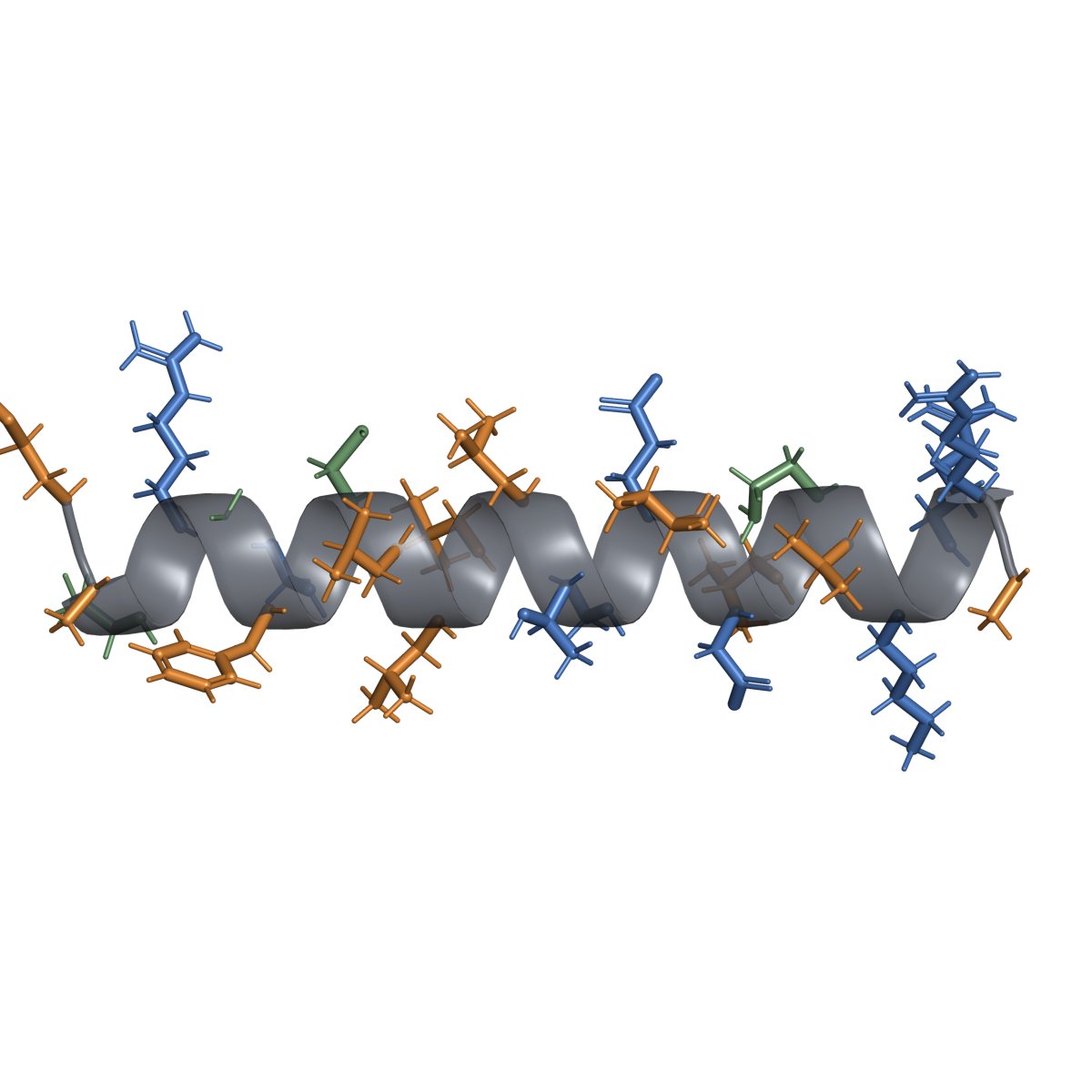
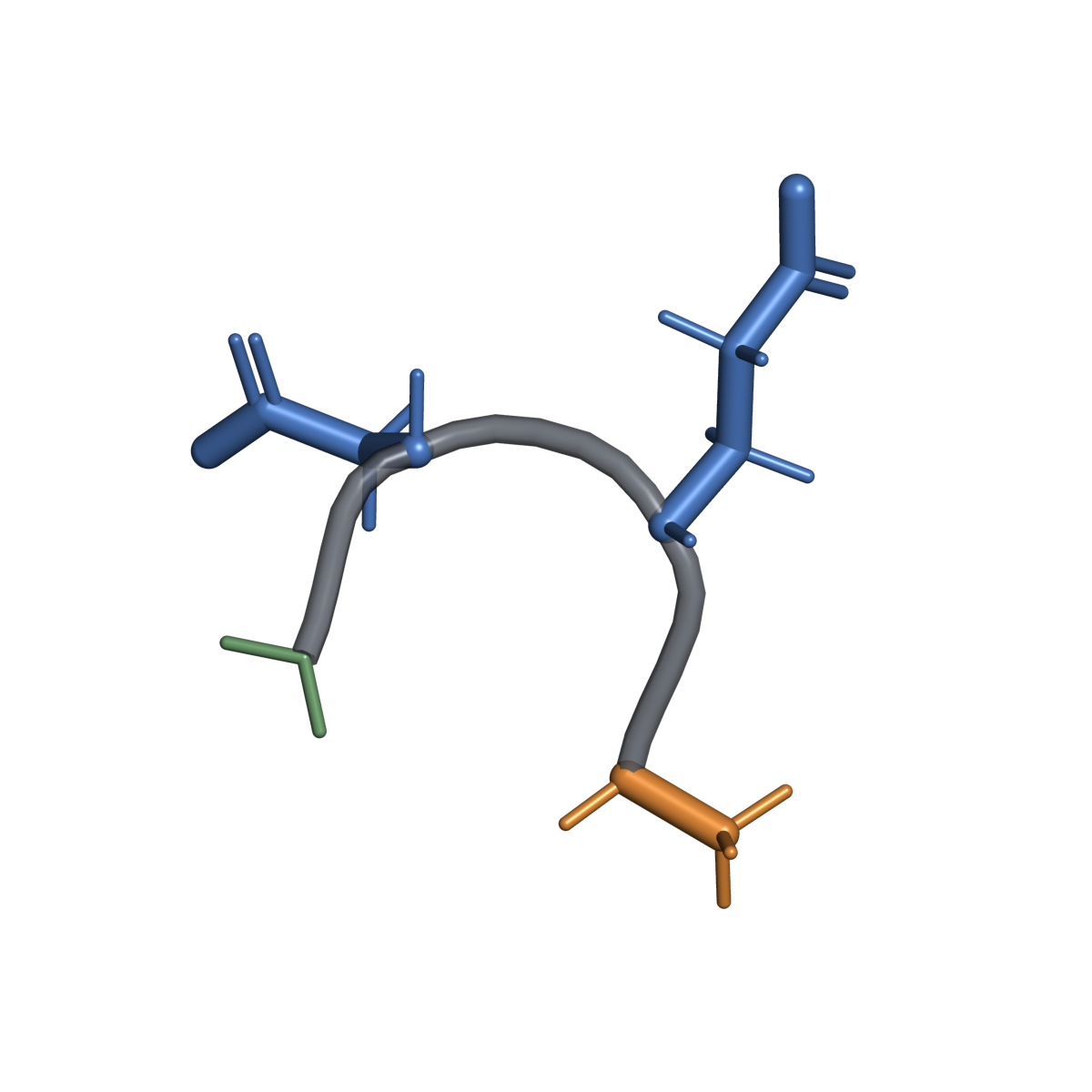
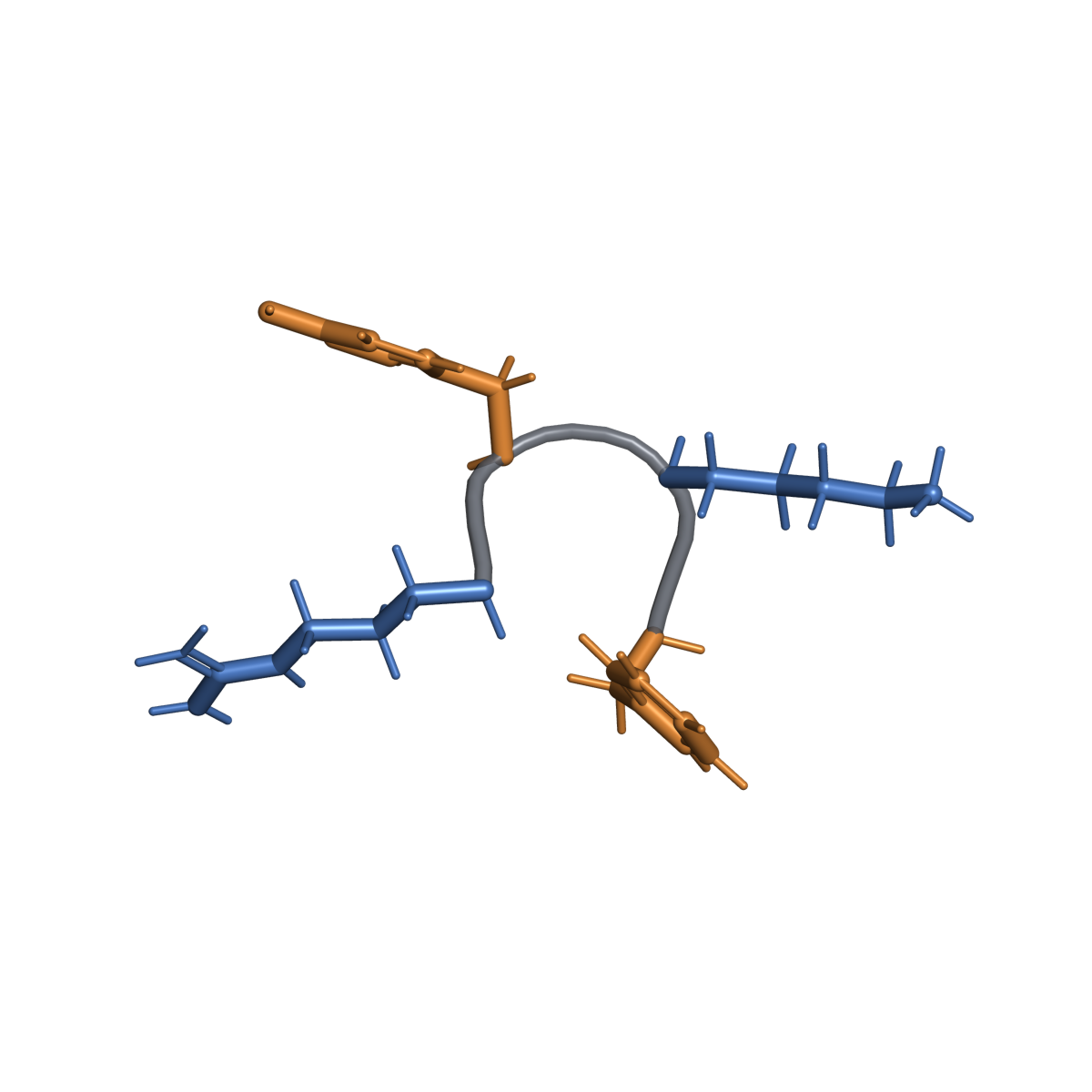
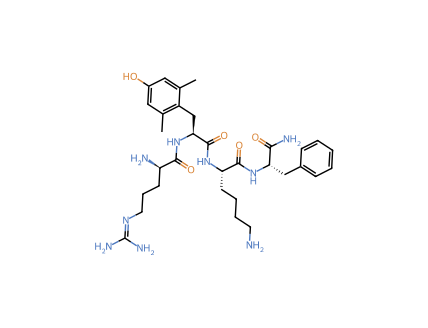
| Molecular/sequence identity | Aromatic-cationic tetrapeptide: D-Arg-2',6'-dimethyltyrosine-Lys-Phe-NH₂ (D-Arg-Dmt-Lys-Phe-NH₂) |
| Modifications/form | Contains D-Arg and Dmt (non-natural amino acids); C-terminal amidation; MW ~639 Da |
| Stable identifiers | FDA UNII (for elamipretide hydrochloride); NDA 215244 (Forzinity); The record number of a compound in PubChem, the atlas's primary structure-asset source. A registry record or depiction does not authenticate a commercial sample. 定义来源: Identity and structure assets methodology · 术语表: 11764719 |
| Identity caveats | Not a naturally occurring peptide; entirely synthetic. Distinct from other mitochondrial peptides (humanin, MOTS-c). The name "SS-31" is used in Evidence from in vitro or animal studies with no adequate human efficacy evidence — the atlas Grade D lane. 定义来源: Evidence grading methodology · 术语表 literature. |
Development and approval status
| Jurisdiction | Status and indication | Product/source | As of |
|---|---|---|---|
| United States (FDA) | Accelerated approval (September 19, 2025) for Barth syndrome, patients ≥30 kg — improve muscle strength | Forzinity (Stealth BioTherapeutics) | 2026-08-06 |
| European Union (EMA) | Not approved | N/A | 2026-08-06 |
| Other jurisdictions | Authorization status was not established here; requires current national-register review | — | 2026-08-06 |
- UNITED STATES
- United States (FDA): Accelerated approval (September 19, 2025) for Barth syndrome, patients ≥30 kg — improve muscle strength
- EU/EEA
- European Union (EMA): Not approved
- UNITED KINGDOM
- No UNITED KINGDOM row is present in the source status table
- OTHER DOCUMENTED
- Other jurisdictions: Authorization status was not established here; requires current national-register review
Sport status: WADA: This review did not identify elamipretide by exact name in the 2026 list. Athletes need a current, case-specific classification; a TUE is relevant only if the actual use falls within a prohibited class.
Mechanism and pharmacology
Elamipretide targets the inner mitochondrial membrane by binding to cardiolipin, a phospholipid critical for mitochondrial structure and function. In Barth syndrome, mutations in TAFAZZIN impair cardiolipin remodeling, causing mitochondrial dysfunction. Elamipretide stabilizes cardiolipin, enhances respiratory chain supercomplex formation, improves electron transport efficiency, increases ATP synthesis, and reduces reactive oxygen species production. After Administered into the tissue layer under the skin. 定义来源: Neutral gloss; usage context: Routes, devices, and absorption primer · 术语表 injection, it transiently localizes to mitochondria.
Evidence by claim
| Claim/indication | Stage | Grade | Best human evidence | Main result | Important limitations |
|---|---|---|---|---|---|
| Barth syndrome — muscle strength | FDA-approved (accelerated) | B | TAZPOWER: A study in which participants are assigned to the study material or a comparator by chance. 定义来源: Neutral gloss; usage context: Evidence grading methodology · 术语表 crossover (n=12) + OLE (n=10, 168 wks) | No significant improvement in 6MWT or fatigue at 12 weeks; sustained HHD improvement in OLE (median +57N at wk 36 to +63N at wk 168) | Approved on intermediate endpoint; confirmatory Phase 3b/4 required; failed primary endpoints in RCT phase |
| Barth syndrome — cardiac function | A clinical-stage candidate with scientific or public relevance. Investigation is not approval, and a studied exposure is not a recommendation. 定义来源: Scope and selection methodology · 术语表 | C | TAZPOWER OLE: improved LV stroke volume, end-diastolic and end-systolic volumes at 168 weeks | Significant trends for cardiac improvement | A study in which participants and investigators know what is administered. 定义来源: Neutral gloss; usage context: Evidence grading methodology · 术语表; no control in OLE |
| Heart failure (Evidence from in vitro or animal studies with no adequate human efficacy evidence — the atlas Grade D lane. 定义来源: Evidence grading methodology · 术语表) | Discontinued | D | Dog and rat models: improved LV function | No human cardiac trial for HF indication | Program not advanced to Phase 3 for HF |
| Age-related macular degeneration | Discontinued | X | Phase 2: did not meet primary endpoint | Negative trial | Program terminated |
Text alternative for the claim-evidence diagram. Each grade is defined below:
- A — Established for a specific labeled use
- 0 claims
- B — Moderate human evidence
- 1 claim: Barth syndrome — muscle strength
- C — Preliminary human evidence
- 1 claim: Barth syndrome — cardiac function
- D — Preclinical only
- 1 claim: Heart failure (preclinical)
- E — Anecdotal/marketing claim
- 0 claims
- X — Evidence contradicts or does not support the claim
- 1 claim: Age-related macular degeneration
Key studies
| Study | Design/population | Exposure studied | Endpoints and result | Limitations |
|---|---|---|---|---|
| TAZPOWER Part 1 (NCT03098797) | Phase 2/3, A study in which participants are assigned to the study material or a comparator by chance. 定义来源: Neutral gloss; usage context: Evidence grading methodology · 术语表, DBPC crossover, n=12 BTHS ≥12 years, ≥30 kg [1] | Elamipretide 40 mg Administered into the tissue layer under the skin. 定义来源: Neutral gloss; usage context: Routes, devices, and absorption primer · 术语表 daily × 12 weeks | Primary: 6MWT and fatigue — no significant difference vs An inactive comparator used in a controlled study. 定义来源: Neutral gloss; usage context: Evidence grading methodology · 术语表 | Failed primary endpoints; 12 weeks may be insufficient |
| TAZPOWER OLE Part 2 | A study in which participants and investigators know what is administered. 定义来源: Neutral gloss; usage context: Evidence grading methodology · 术语表 extension, n=10, up to 168 weeks | Elamipretide 40 mg SC daily | HHD knee extensor strength: sustained improvement; 6MWT: +96.1 m at week 168 (p=0.003); LV volumes improved | Open-label; no concurrent control; small N |
| Phase 2 HF trials | RCT, chronic HF patients | Administered into a vein. 定义来源: Neutral gloss; usage context: Routes, devices, and absorption primer · 术语表 elamipretide | Mixed results; some biomarker improvements | Not developed into Phase 3 |
Dose and administration evidence
Approved labeled regimen
Forzinity 40 mg once daily by Administered into the tissue layer under the skin. 定义来源: Neutral gloss; usage context: Routes, devices, and absorption primer · 术语表 injection for Barth syndrome patients weighing ≥30 kg.
The label summary below is product-, indication-, and jurisdiction-specific; consult the full current label and a licensed clinician/pharmacist.
Studied regimens (not recommendations)
BTHS: 40 mg SC daily (studied in TAZPOWER).
Evidence from in vitro or animal studies with no adequate human efficacy evidence — the atlas Grade D lane. 定义来源: Evidence grading methodology · 术语表 HF: Administered into a vein. 定义来源: Neutral gloss; usage context: Routes, devices, and absorption primer · 术语表 dosing in animal models.
What is not established
Uses beyond Barth syndrome are not approved, and no regimen is established for those conditions. Current product use is limited to the exact labeled indication, population, formulation, and route; other study exposures are not recommendations.
Safety
Established label risks
Approved label (Forzinity): most common adverse events are injection-site reactions (pain, erythema, swelling, pruritus). Hypersensitivity reactions possible. No black-box warnings.
Human-study signals
In the BTHS program (n=12), elamipretide was well tolerated. Injection-site reactions were the most common TEAE. No treatment-related serious adverse events. No safety concerns requiring discontinuation over 168 weeks.
Unknowns and product-quality risks
Confirmatory trial (Phase 3b/4, NCT07531251) is required and still recruiting.
FDA reviewers initially recommended against approval, finding lack of evidence for clinical benefit.
Carcinogenicity studies are required post-marketing.
The US-approved product is prescription-only; approval does not validate the identity, sterility, or suitability of separately marketed or compounded material.
Interactions and special populations
No clinically significant drug interactions identified. Pediatric use established for patients ≥12 years and ≥30 kg based on accelerated approval. No data in pregnancy or lactation.
Regulatory, compounding, and sport notes
FDA: Accelerated approval September 19, 2025 (NDA 215244). Under priority review, granted orphan drug designation. Post-marketing requirements: confirmatory Phase 3b/4 trial, 2 carcinogenicity studies, and a drug-drug interaction study.
Price: up to ~$800,000 per year (Reuters, November 2025).
The World Anti-Doping Agency; its Prohibited List classifies many peptides as prohibited substances in sport. 定义来源: WADA and sport regulation brief · 术语表: This review did not identify elamipretide by exact name in the 2026 list. Athletes need a current, case-specific classification; a A Therapeutic Use Exemption can authorize qualifying use of a prohibited substance; it does not change the prohibited classification. 定义来源: WADA and sport regulation brief · 术语表 is relevant only if the actual use falls within a prohibited class.
Forzinity is an FDA-approved branded product. This page does not establish a lawful or clinically equivalent compounding pathway.
Evidence gaps
FDA's own reviewers (8/9) recommended against approval (Reuters); the accelerated approval was controversial.
Confirmatory trial not yet underway as of approval; post-marketing data will take years.
The mechanism by which muscle strength improvement translates to clinical benefit is unverified.
No efficacy demonstrated for non-Barth indications.
The 12-week A study in which participants are assigned to the study material or a comparator by chance. 定义来源: Neutral gloss; usage context: Evidence grading methodology · 术语表 phase failed both primary endpoints; all efficacy evidence is from an A study in which participants and investigators know what is administered. 定义来源: Neutral gloss; usage context: Evidence grading methodology · 术语表 extension.
Search notes
Databases and registries: PubMed, ClinicalTrials.gov, FDA Drugs@FDA, DailyMed, Reuters
Search terms: elamipretide, MTP-131, Bendavia, Barth syndrome, Forzinity, tafazzin
Last searched: 2026-08-06
Inclusion emphasis: FDA review documents, approved label, controlled trials