Bottom line
Icatibant is a synthetic decapeptide and selective bradykinin B2 receptor antagonist approved for on-demand treatment of acute HAE attacks. It provides an alternative to C1-esterase-inhibitor replacement and ecallantide. The 30 mg Administered into the tissue layer under the skin. Источник определения: Neutral gloss; usage context: Routes, devices, and absorption primer · Глоссарий dose can be self-administered upon attack recognition; repeat dosing at ≥6 h intervals (max 3 in 24 h) is permitted.
Identity and composition
| Field | Verified information |
|---|---|
| Preferred name | Icatibant |
| Key aliases | Firazyr, Sajazir, JE-049, Hoe-140 |
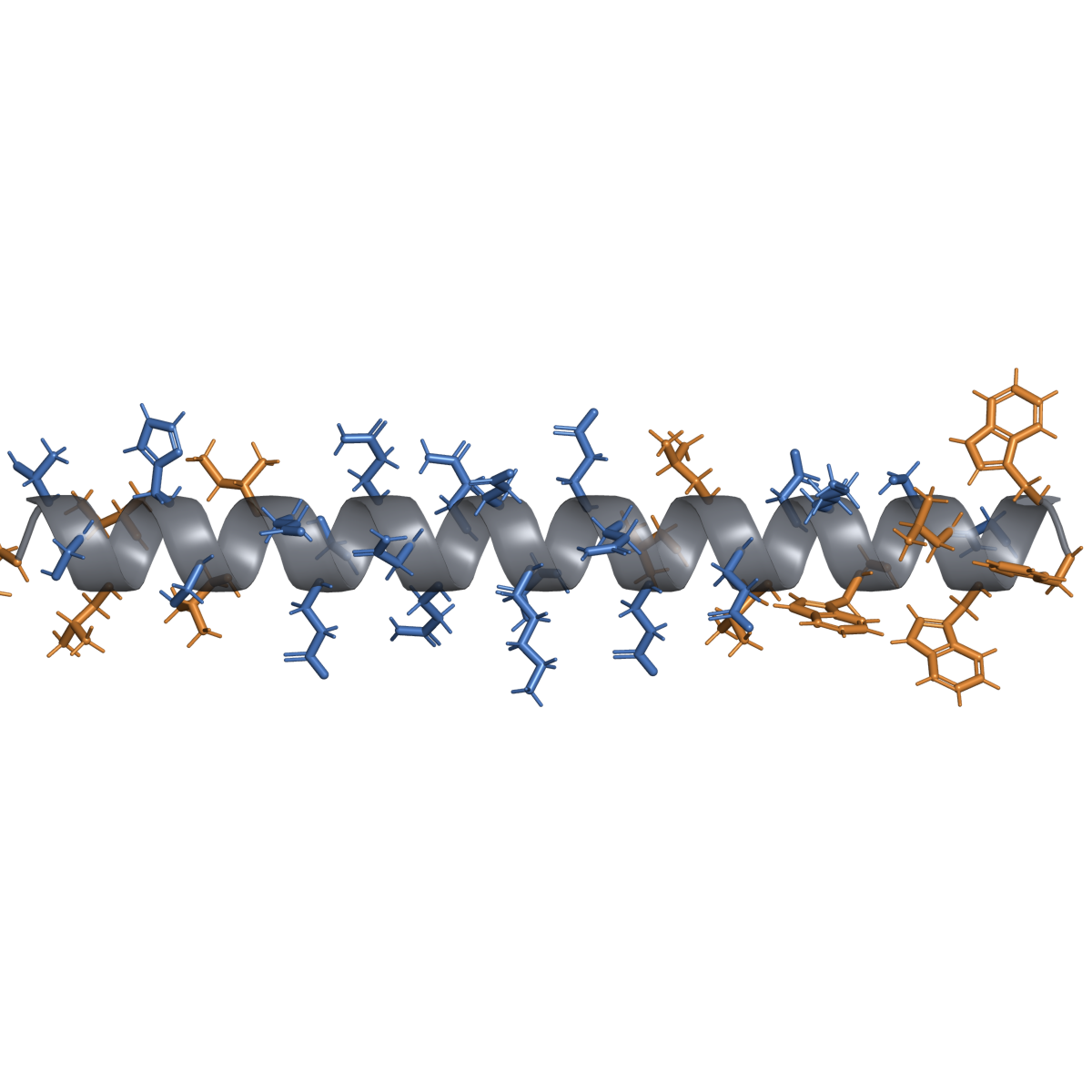
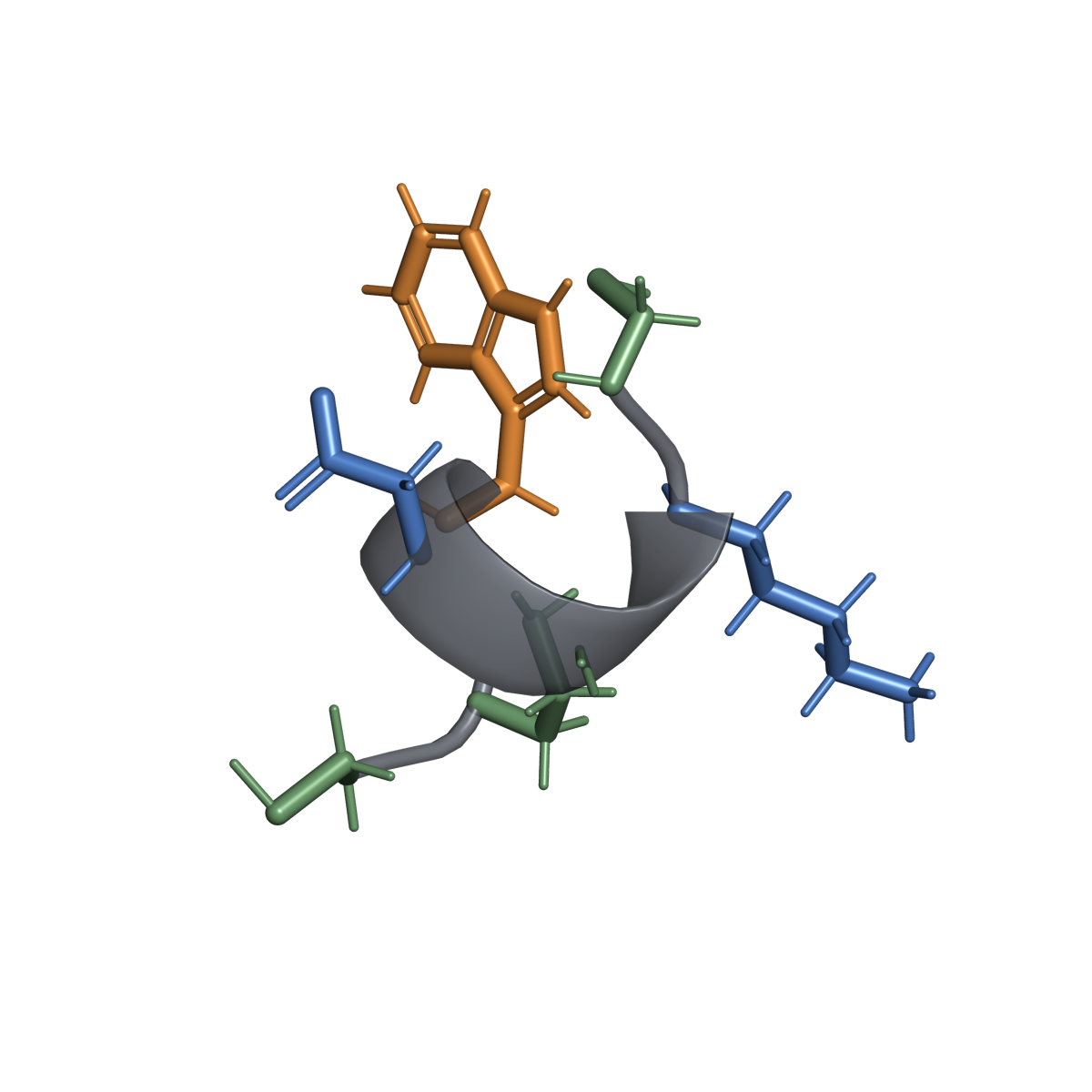
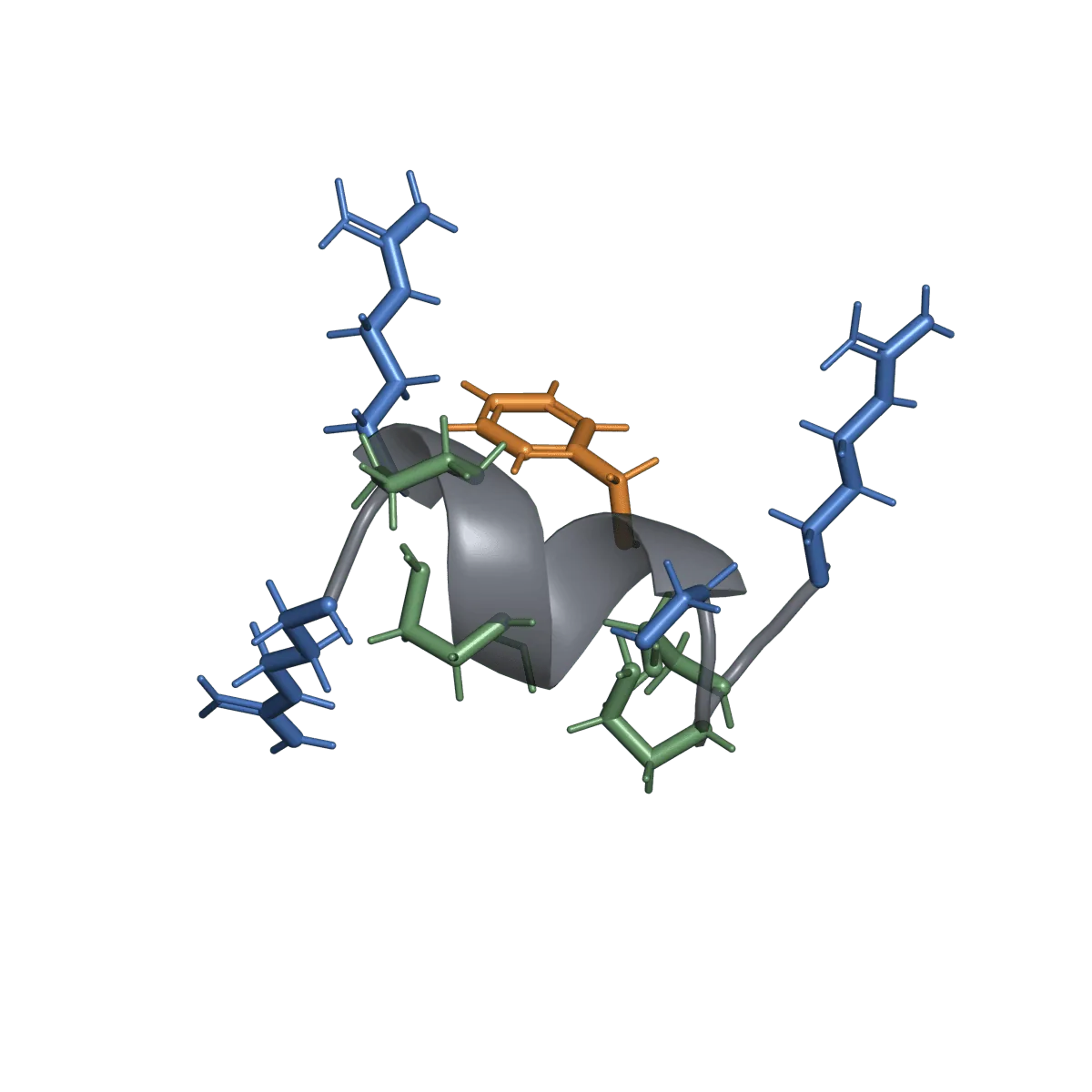
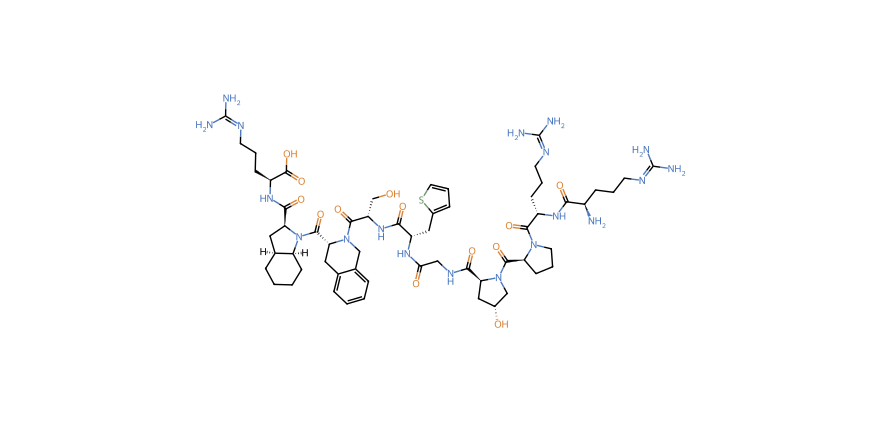
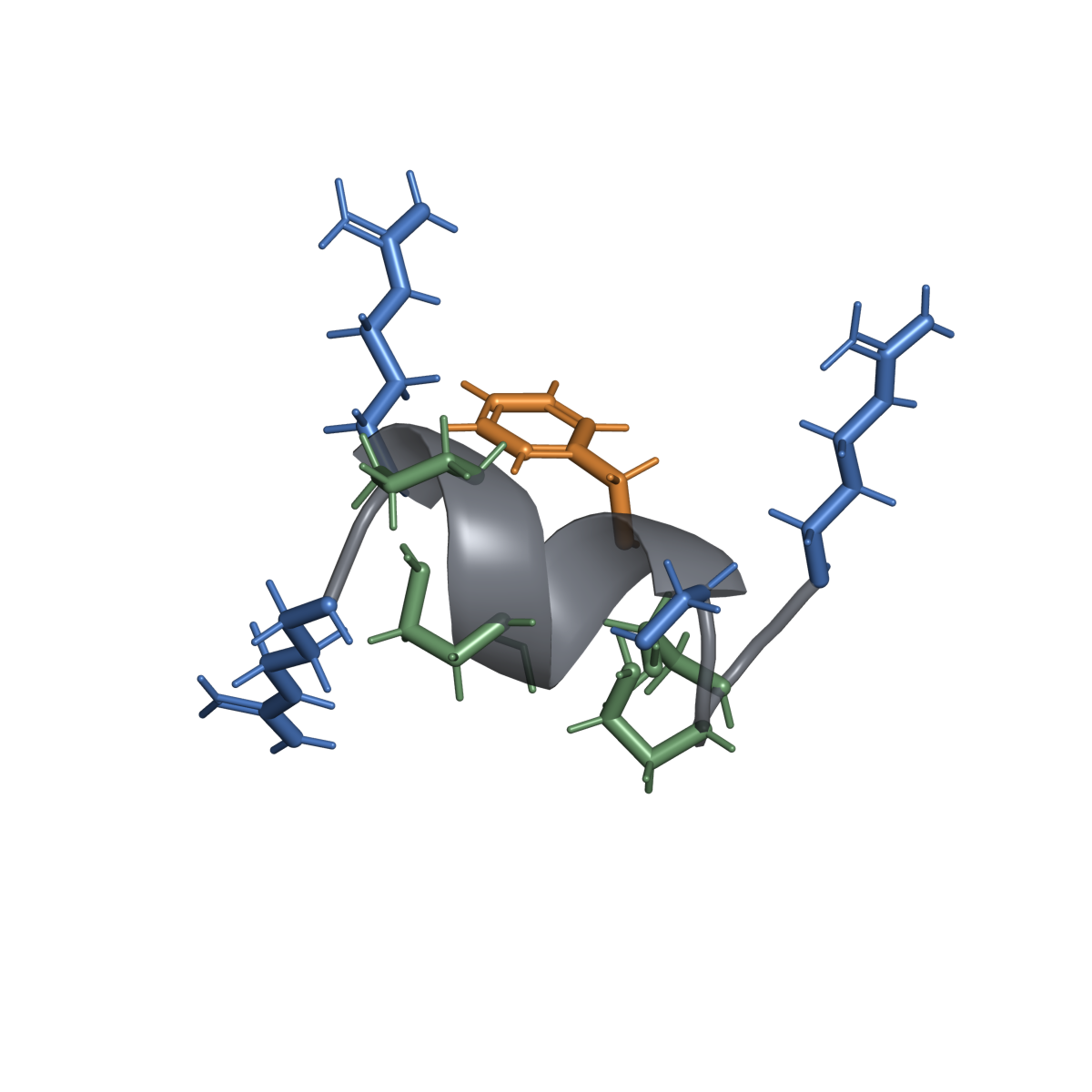
| Molecular/sequence identity | Synthetic decapeptide; sequence: D-Arg-L-Arg-L-Pro-L-Hyp-Gly-L-2-(2-thienyl)-Ala-L-Ser-D-1,2,3,4-tetrahydro-3-isoquinolinecarbonyl-L-(2α,3aβ,7aβ)-octahydro-1H-indole-2-carbonyl-L-Arg |
| Modifications/form | Icatibant acetate; linear peptide containing non-proteinogenic amino acids (Hyp, Thi, Tic, Oic); solution for Administered into the tissue layer under the skin. Источник определения: Neutral gloss; usage context: Routes, devices, and absorption primer · Глоссарий injection |
| Stable identifiers | The record number of a compound in PubChem, the atlas's primary structure-asset source. A registry record or depiction does not authenticate a commercial sample. Источник определения: Identity and structure assets methodology · Глоссарий: 6918173; DrugBank: DB16163; ChEBI: CHEBI:57283; CAS: 130308-35-7 (acetate) |
| Identity caveats | Contains unusual amino acids; not a standard linear peptide |
Development and approval status
| Jurisdiction | Status and indication | Product/source | As of |
|---|---|---|---|
| USA (FDA) | Approved — acute attacks of HAE (adults ≥18 years) | Firazyr (Shire/Takeda) | 2011 |
| EU (EMA) | Approved — same indication | Firazyr (Shire/Takeda) | 2008 |
| UK (MHRA) | Approved — same indication | Firazyr | 2008 |
- UNITED STATES
- USA (FDA): Approved — acute attacks of HAE (adults ≥18 years)
- EU/EEA
- EU (EMA): Approved — same indication
- UNITED KINGDOM
- UK (MHRA): Approved — same indication
- OTHER DOCUMENTED
- No OTHER DOCUMENTED row is present in the source status table
Sport status: WADA status: not prohibited. No US federal CSA scheduling was identified as of 2026-08-06; state law and other jurisdictions were not assessed. FDA and EU authorizations were identified; current product availability elsewhere requires a national-register check.
Mechanism and pharmacology
Icatibant is a competitive, selective bradykinin B2 receptor antagonist with affinity similar to bradykinin itself. In HAE, deficiency or dysfunction of C1-esterase-inhibitor leads to uncontrolled kallikrein activation and bradykinin overproduction. Bradykinin binding to B2 receptors causes vasodilation, increased vascular permeability, and edema — the clinical hallmarks of an acute HAE attack. Icatibant blocks this interaction.
How a substance is absorbed, distributed, metabolized, and eliminated by the body; atlas pages report pharmacokinetic data such as half-life, metabolism, and clearance. Источник определения: Neutral gloss; usage context: Routes, devices, and absorption primer · Глоссарий: Administered into the tissue layer under the skin. Источник определения: Neutral gloss; usage context: Routes, devices, and absorption primer · Глоссарий absorption; Tmax ~0.75 h; The time for the amount of a substance in the body to fall by half. Источник определения: Neutral gloss; usage context: Routes, devices, and absorption primer · Глоссарий ~1.4 h; metabolized by proteolytic enzymes; excreted primarily in urine as metabolites.
Evidence by claim
| Claim/indication | Stage | Grade | Best human evidence | Main result | Important limitations |
|---|---|---|---|---|---|
| Acute attacks of HAE (adults) | Approved | A | FAST-3 (phase 3 A study in which participants are assigned to the study material or a comparator by chance. Источник определения: Neutral gloss; usage context: Evidence grading methodology · Глоссарий, N=98) | Time to onset of symptom relief (prespecified primary): median 2.0 h (icatibant) vs 19.8 h (An inactive comparator used in a controlled study. Источник определения: Neutral gloss; usage context: Evidence grading methodology · Глоссарий), p<0.001 | FAST-1 negative on primary; A study in which participants and investigators know what is administered. Источник определения: Neutral gloss; usage context: Evidence grading methodology · Глоссарий extension data; no head-to-head vs ecallantide or C1-INH |
- AУровень A: Установлен для конкретного зарегистрированного применения
- BУровень B: Умеренные данные на людях
- CУровень C: Предварительные данные на людях
- DУровень D: Только доклинические
- EУровень E: Анекдотическое/маркетинговое утверждение
- XУровень X: Данные противоречат утверждению или не подтверждают его
Text alternative for the claim-evidence diagram. Each grade is defined below:
- A — Established for a specific labeled use
- 1 claim: Acute attacks of HAE (adults)
- B — Moderate human evidence
- 0 claims
- C — Preliminary human evidence
- 0 claims
- D — Preclinical only
- 0 claims
- E — Anecdotal/marketing claim
- 0 claims
- X — Evidence contradicts or does not support the claim
- 0 claims
Key studies
| Study | Design/population | Exposure studied | Endpoints and result | Limitations |
|---|---|---|---|---|
| FAST-3 (NCT00528788) | Phase 3, A study in which participants are assigned to the study material or a comparator by chance. Источник определения: Neutral gloss; usage context: Evidence grading methodology · Глоссарий, Neither participants nor investigators know who receives the study material or the comparator. Источник определения: Neutral gloss; usage context: Evidence grading methodology · Глоссарий, An inactive comparator used in a controlled study. Источник определения: Neutral gloss; usage context: Evidence grading methodology · Глоссарий-controlled; N=98 adults with acute HAE attacks | Icatibant 30 mg Administered into the tissue layer under the skin. Источник определения: Neutral gloss; usage context: Routes, devices, and absorption primer · Глоссарий (single dose) vs placebo | Time to onset of symptom relief (prespecified primary): 2.0 vs 19.8 h (p<0.001). Time to ≥50% reduction in symptom score: 2.5 vs 4.6 h (p<0.001). | Placebo-controlled; relatively small sample |
| FAST-1 (NCT00597662) | Phase 3, RCT, double-blind, placebo-controlled; N=56 | Icatibant 30 mg SC vs placebo | Primary endpoint not met (time to clinically significant relief) | Underpowered; high placebo response |
| FAST-2 (EU; NCT00532623) | Phase 3, RCT vs tranexamic acid; N=74 | Icatibant 30 mg SC vs oral tranexamic acid | Median time to symptom relief: 2.0 vs 12.3 h (p<0.001) | Comparator (tranexamic acid) not a standard HAE therapy |
Dose and administration evidence
Approved labeled regimen
The label summary below is product-, indication-, and jurisdiction-specific; consult the full current label and a licensed clinician/pharmacist.
Adults: 30 mg Administered into the tissue layer under the skin. Источник определения: Neutral gloss; usage context: Routes, devices, and absorption primer · Глоссарий injection in the abdominal area. If response inadequate or symptoms recur: additional 30 mg doses at ≥6 h intervals. Maximum: 3 doses in 24 h. Patients may self-administer upon attack recognition.
Studied regimens (not recommendations)
Repeat dosing studied in A study in which participants and investigators know what is administered. Источник определения: Neutral gloss; usage context: Evidence grading methodology · Глоссарий extension (up to 3 doses/24 h); longer-term safety data from registry studies.
What is not established
Safety and efficacy in pediatric patients <18 years (not established).
Use during pregnancy (limited human data; animal studies show no teratogenicity).
Dosing in renal or hepatic impairment (not formally studied; no label adjustment).
Safety
Established label risks
Injection-site reactions (most common; virtually all patients): pain, erythema, swelling, burning, pruritus.
Headache, nausea, dizziness, fatigue.
Laryngeal attacks: after icatibant administration, patients should still seek immediate medical attention.
Human-study signals
No anaphylaxis signal in trials; theoretical risk with peptide drug.
No drug-drug interaction studies showing clinically relevant interactions.
Unknowns and product-quality risks
Must be stored at 2-25°C; protect from light.
Single-dose vial; discard unused portion (no preservative).
Interactions and special populations
No clinically meaningful CYP-mediated interactions. Icatibant is not a substrate for CYP450. ACE inhibitors may theoretically potentiate bradykinin effects; concomitant use has not been systematically evaluated.
Regulatory, compounding, and sport notes
The World Anti-Doping Agency; its Prohibited List classifies many peptides as prohibited substances in sport. Источник определения: WADA and sport regulation brief · Глоссарий status: not prohibited. No US federal CSA scheduling was identified as of 2026-08-06; state law and other jurisdictions were not assessed. FDA and EU authorizations were identified; current product availability elsewhere requires a national-register check.
Evidence gaps
No adequately powered head-to-head trials vs C1-INH products or ecallantide.
Limited data on use in pediatric patients.
Optimal timing of repeat dosing not prospectively studied.
Long-term safety beyond 5 years of intermittent use not systematically reported.
Search notes
Databases and registries: FDA label (accessdata.fda.gov), DailyMed, ClinicalTrials.gov, PubMed
Search terms: icatibant, Firazyr, hereditary angioedema, bradykinin B2 antagonist
Last searched: 2026-08-06
Inclusion emphasis: FDA/EMA labels, phase 3 trials (FAST program)
Sources
FDA prescribing information: FIRAZYR (icatibant) injection. Available at: https://www.accessdata.fda.gov/drugsatfda_docs/label/2024/022150s016lbl.pdf (accessed 2026-08-06).
DailyMed: FIRAZYR — icatibant acetate injection. Available at: https://dailymed.nlm.nih.gov/dailymed/lookup.cfm?setid=ed6657ca-ab68-477a-9968-e12dc928b540 (accessed 2026-08-06).
Cicardi M, et al. Icatibant, a new bradykinin-receptor antagonist, in hereditary angioedema. N Engl J Med. 2010;363(6):532-41. DOI: 10.1056/NEJMoa0906393. (FAST-3)
EMA: Firazyr EPAR. Available at: https://www.ema.europa.eu/en/medicines/human/EPAR/firazyr (accessed 2026-08-06).