Bottom line
Goserelin (Zoladex) is a synthetic decapeptide GnRH agonist available as Administered into the tissue layer under the skin. Источник определения: Neutral gloss; usage context: Routes, devices, and absorption primer · Глоссарий implants for 1-month (3.6 mg) and 3-month (10.8 mg) dosing. Approved for multiple indications across oncology (prostate, breast) and gynaecology (endometriosis, endometrial thinning). Depot formulations are not interchangeable — each has specific indication, duration, and population restrictions. Initial testosterone surge may cause tumour flare; long-term therapy carries cardiovascular, metabolic, bone, and psychiatric risks listed in the label.
Identity and composition
| Field | Verified information |
|---|---|
| Preferred name | Goserelin |
| Key aliases | Zoladex (3.6 mg); Zoladex LA (10.8 mg) |
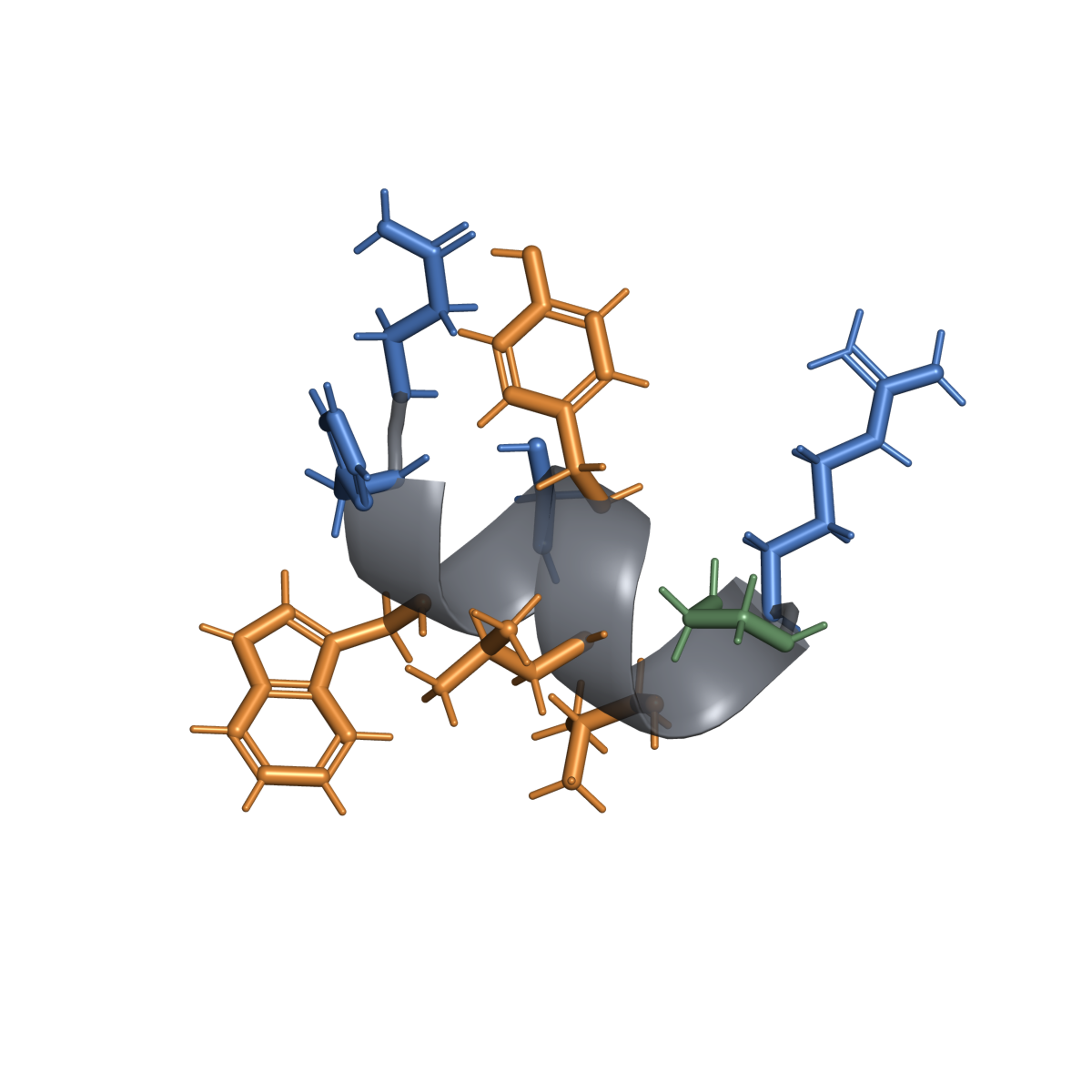
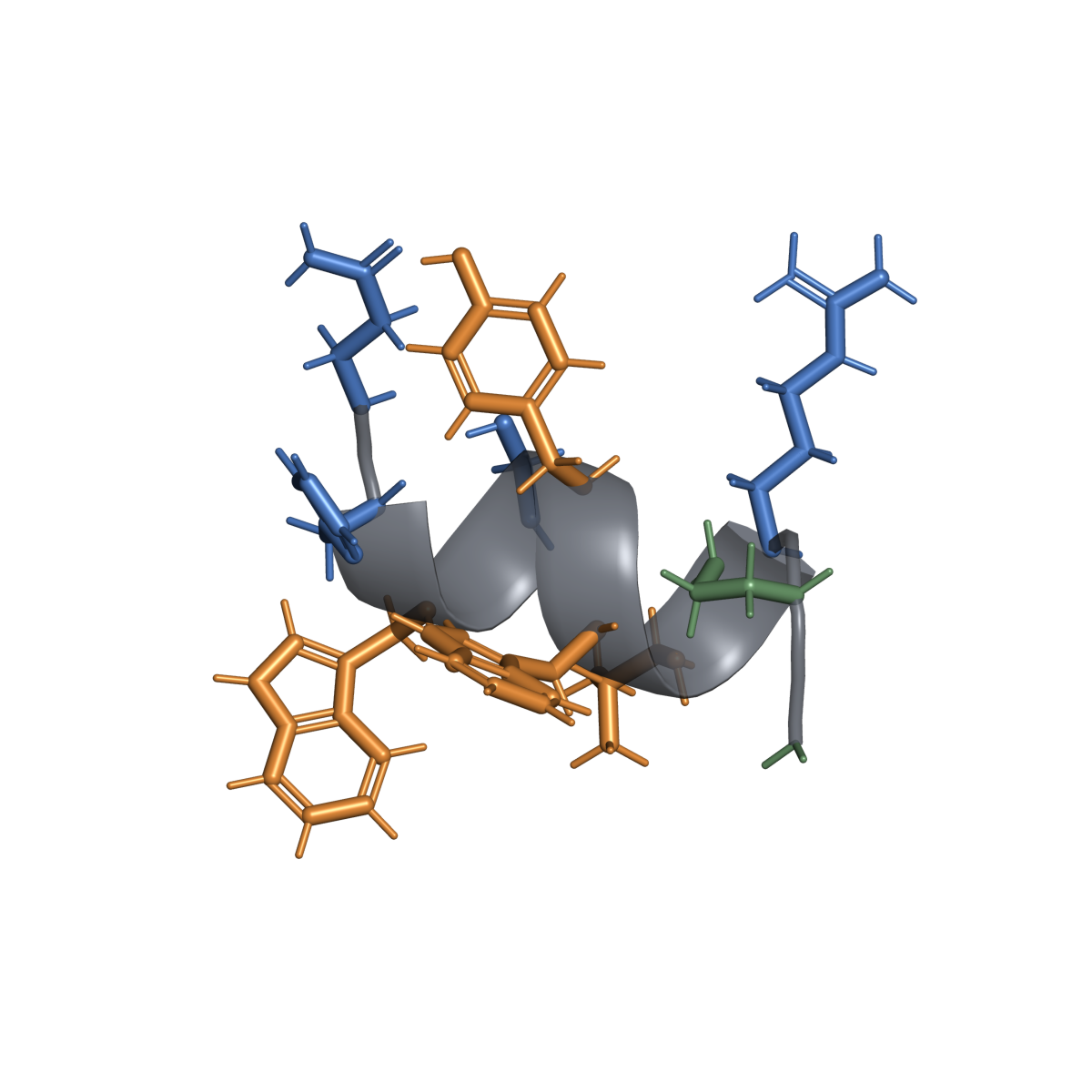
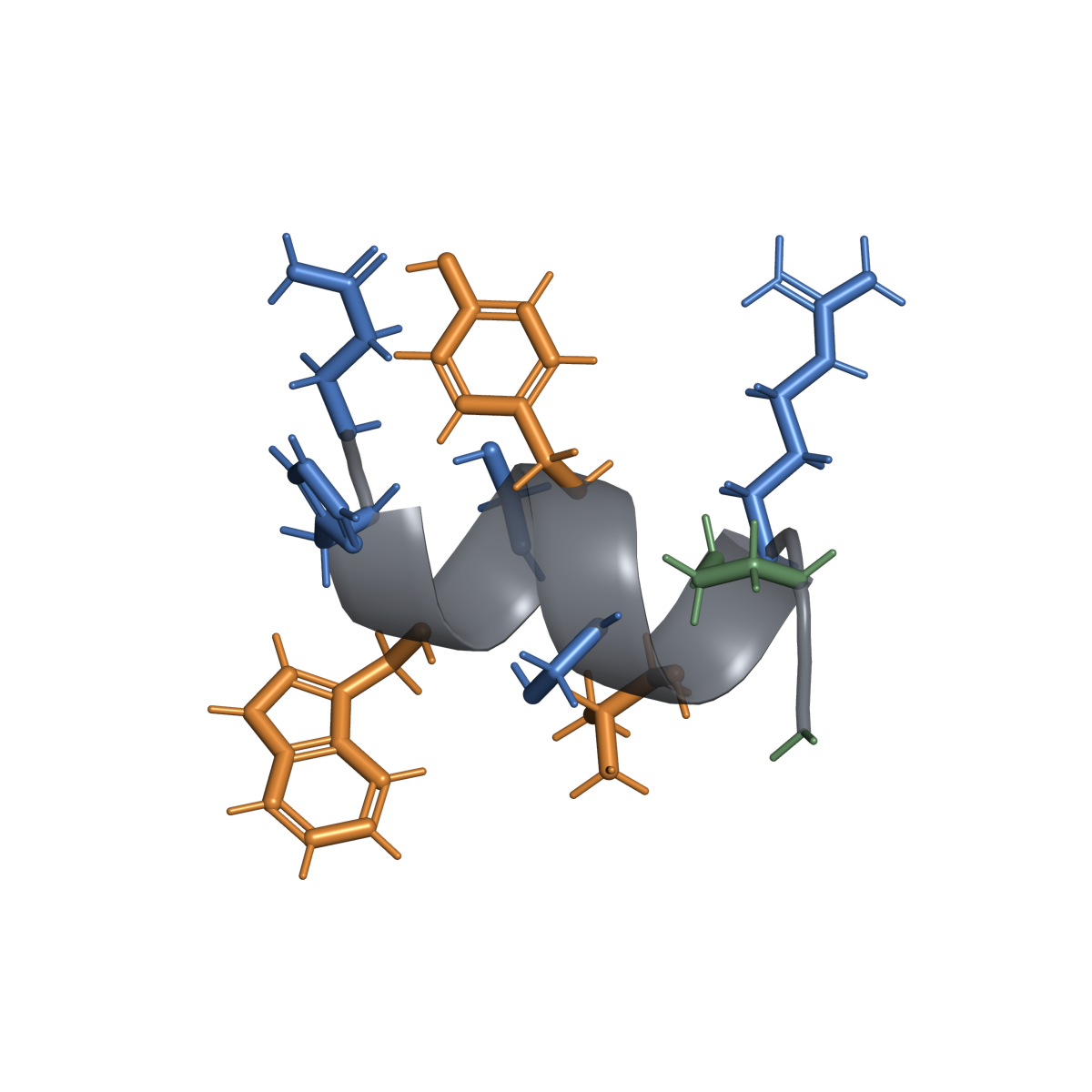
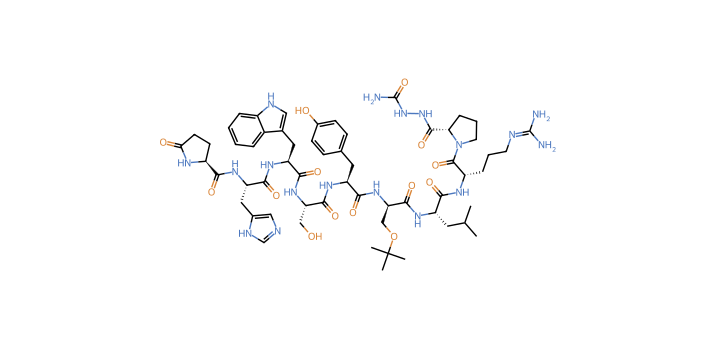
| Molecular/sequence identity | pGlu-His-Trp-Ser-Tyr-D-Ser(tBu)-Leu-Arg-Pro-AzGly-NH2 (decapeptide) |
| Modifications/form | D-Ser(tert-butyl) at position 6; C-terminal azaglycine amide; acetate salt |
| Stable identifiers | The record number of a compound in PubChem, the atlas's primary structure-asset source. A registry record or depiction does not authenticate a commercial sample. Источник определения: Identity and structure assets methodology · Глоссарий 5311128; UNII 0F65R8P09N |
| Identity caveats | Do not confuse with other GnRH agonists (leuprolide, triptorelin, nafarelin). The 3.6 mg (monthly) and 10.8 mg (3-month) implants have different approved indications |
Development and approval status
| Jurisdiction | Status and indication | Product/source | As of |
|---|---|---|---|
| US (FDA) | Approved: advanced prostate cancer, stage B2-C prostate cancer (with flutamide), endometriosis, endometrial thinning, advanced breast cancer | Zoladex (TerSera) | 1989 (3.6 mg); 1996 (10.8 mg); labels updated multiple times, latest 09/2025 |
| EU (EMA) | Approved for similar indications | Zoladex (AstraZeneca) | Ongoing |
| UK (MHRA) | Approved | Zoladex | Ongoing |
- UNITED STATES
- US (FDA): Approved: advanced prostate cancer, stage B2-C prostate cancer (with flutamide), endometriosis, endometrial thinning, advanced breast cancer
- EU/EEA
- EU (EMA): Approved for similar indications
- UNITED KINGDOM
- UK (MHRA): Approved
- OTHER DOCUMENTED
- No OTHER DOCUMENTED row is present in the source status table
Sport status: WADA: Goserelin is explicitly prohibited at all times in males under S2.2.1 as a GnRH agonist analogue. GnRH analogues are monitored, not prohibited on that basis, in female athletes under 18 in 2026.
Mechanism and pharmacology
GnRH agonist. Continuous receptor binding desensitises pituitary gonadotrophs, suppressing LH/FSH → testosterone/estradiol to castrate/menopausal levels within 2-4 weeks. Initial transient surge (flare) lasts ~1-2 weeks. Administered into the tissue layer under the skin. Источник определения: Neutral gloss; usage context: Routes, devices, and absorption primer · Глоссарий implant provides sustained release via biodegradable polymer.
Evidence by claim
| Claim/indication | Stage | Grade | Best human evidence | Main result | Important limitations |
|---|---|---|---|---|---|
| Advanced prostate cancer | Approved | A | A study in which participants are assigned to the study material or a comparator by chance. Источник определения: Neutral gloss; usage context: Evidence grading methodology · Глоссарий vs orchiectomy | Equivalent survival and objective response | Non-inferiority; flare risk |
| Stage B2-C prostate cancer (with flutamide + RT) | Approved | A | RCT with radiotherapy + flutamide | Improved disease-free survival | Specific to combination regimen |
| Endometriosis (pain relief) | Approved | A | Controlled studies; 6-month duration | Pain and endometriotic lesion reduction | Bone density loss; 6-month limit |
| Endometrial thinning (pre-ablation) | Approved | A | Controlled studies | Improved surgical conditions | Short-term use only |
| Advanced breast cancer (pre/perimenopausal) | Approved | A | RCTs vs oophorectomy/other | Tumour response; overall survival benefit in ER+ | Only in pre/perimenopausal women |
- AУровень A: Установлен для конкретного зарегистрированного применения
- BУровень B: Умеренные данные на людях
- CУровень C: Предварительные данные на людях
- DУровень D: Только доклинические
- EУровень E: Анекдотическое/маркетинговое утверждение
- XУровень X: Данные противоречат утверждению или не подтверждают его
Text alternative for the claim-evidence diagram. Each grade is defined below:
- A — Established for a specific labeled use
- 5 claims: Advanced prostate cancer; Stage B2-C prostate cancer (with flutamide + RT); Endometriosis (pain relief); Endometrial thinning (pre-ablation); Advanced breast cancer (pre/perimenopausal)
- B — Moderate human evidence
- 0 claims
- C — Preliminary human evidence
- 0 claims
- D — Preclinical only
- 0 claims
- E — Anecdotal/marketing claim
- 0 claims
- X — Evidence contradicts or does not support the claim
- 0 claims
Key studies
| Study | Design/population | Exposure studied | Endpoints and result | Limitations |
|---|---|---|---|---|
| Prostate cancer comparative trial | A study in which participants are assigned to the study material or a comparator by chance. Источник определения: Neutral gloss; usage context: Evidence grading methodology · Глоссарий; advanced PCa (n=284) | Zoladex 3.6 mg Administered into the tissue layer under the skin. Источник определения: Neutral gloss; usage context: Routes, devices, and absorption primer · Глоссарий q28d vs orchiectomy | Equivalent survival and testosterone suppression | A study in which participants and investigators know what is administered. Источник определения: Neutral gloss; usage context: Evidence grading methodology · Глоссарий; small n |
| Endometriosis RCT | An inactive comparator used in a controlled study. Источник определения: Neutral gloss; usage context: Evidence grading methodology · Глоссарий-controlled; women | Zoladex 3.6 mg SC q28d × 6 months | Pain reduction; laparoscopy-confirmed lesion reduction | 6-month limit; BMD loss |
Dose and administration evidence
Approved labeled regimen
The label summary below is product-, indication-, and jurisdiction-specific; consult the full current label and a licensed clinician/pharmacist.
Prostate cancer (advanced): Zoladex 3.6 mg Administered into the tissue layer under the skin. Источник определения: Neutral gloss; usage context: Routes, devices, and absorption primer · Глоссарий q28d OR 10.8 mg SC q12w
Stage B2-C prostate (with flutamide + RT): One 3.6 mg depot → 28 days later one 10.8 mg depot; continue during RT
Endometriosis: Zoladex 3.6 mg SC q28d × 6 months (women ≥18 y only)
Endometrial thinning: 1-2 depots (3.6 mg), 4 weeks apart
Advanced breast cancer: Zoladex 3.6 mg SC q28d long-term
Route: Subcutaneous injection into anterior abdominal wall by HCP
What is not established
No established or recommended dose for any unapproved indication.
Safety
Established label risks
Tumour flare (initial weeks).
Hot flushes (>80%).
Sexual dysfunction, decreased erections.
Loss of BMD — endometriosis patients limited to 6 months.
Hyperglycemia/diabetes — monitor blood glucose.
Cardiovascular: MI, sudden cardiac death, stroke risk.
Hypercalcemia in bone metastases.
Severe cutaneous adverse reactions (SCARs, including SJS/TEN) — label updated 09/2025 (Zoladex 3.6 mg).
QT prolongation — androgen deprivation effect.
Depression (women).
Cervical resistance — caution with dilation for ablation.
Injection site injury / vascular injury reported.
Unknowns and product-quality risks
Long-term safety beyond 6 months for benign gynaecological use.
Interactions and special populations
No dose adjustment for renal/hepatic impairment (label).
Pregnancy: Contraindicated in benign gynae use; may cause fetal harm.
Lactation: Discontinue drug or nursing.
Regulatory, compounding, and sport notes
US FDA: Prescription only.
The World Anti-Doping Agency; its Prohibited List classifies many peptides as prohibited substances in sport. Источник определения: WADA and sport regulation brief · Глоссарий: Goserelin is explicitly prohibited at all times in males under S2.2.1 as a GnRH agonist analogue. GnRH analogues are monitored, not prohibited on that basis, in female athletes under 18 in 2026.
Compounding: Compounded goserelin not interchangeable with Zoladex implant.
Not interchangeable with other GnRH agonists at different dose schedules.
Evidence gaps
Direct comparisons between Zoladex and other GnRH agonists in breast cancer.
Optimal sequencing with newer hormonal agents in prostate cancer.
Long-term bone health monitoring strategies.
Search notes
Databases and registries: DailyMed, Drugs@FDA, PubMed, ClinicalTrials.gov, EMA
Search terms: goserelin, Zoladex, GnRH agonist, prostate cancer, endometriosis, breast cancer
Last searched: 2026-08-06
Inclusion emphasis: FDA label, A study in which participants are assigned to the study material or a comparator by chance. Источник определения: Neutral gloss; usage context: Evidence grading methodology · Глоссарий
Sources
Zoladex (goserelin implant) 3.6 mg Prescribing Information (TerSera, revised 09/2025). https://documents.tersera.com/zoladex-us/3.6mg_MagnumPI.pdf
Zoladex (goserelin implant) 10.8 mg Prescribing Information. https://www.accessdata.fda.gov/drugsatfda_docs/label/2025/020578s51,020515s11,019726s74lbl.pdf
DailyMed – ZOLADEX. https://dailymed.nlm.nih.gov/dailymed/drugInfo.cfm?setid=a906a5bd-d2ec-4e35-8962-c0c86c637630
Medscape. Goserelin (Zoladex). https://reference.medscape.com/drug/zoladex-la-goserelin-342129
PubChem CID 47725 (goserelin).