Bottom line
MOTS-c is a 16-amino-acid peptide encoded in the mitochondrial 12S rRNA gene (MT-RNR1). Evidence from in vitro or animal studies with no adequate human efficacy evidence — the atlas Grade D lane. Sumber definisi: Evidence grading methodology · Glosarium studies in rodents show it regulates insulin sensitivity, glucose metabolism, and energy homeostasis via AMPK activation. Human evidence is limited to observational studies showing associations between circulating MOTS-c levels and metabolic parameters. A Phase 2a trial for insulin resistance in prediabetes was recruiting as of 2026. No FDA-approved indication.
Identity and composition
| Field | Verified information |
|---|---|
| Preferred name | MOTS-c |
| Key aliases | Mitochondrial open reading frame of the 12S rRNA type-c, MDP (mitochondrial-derived peptide) |
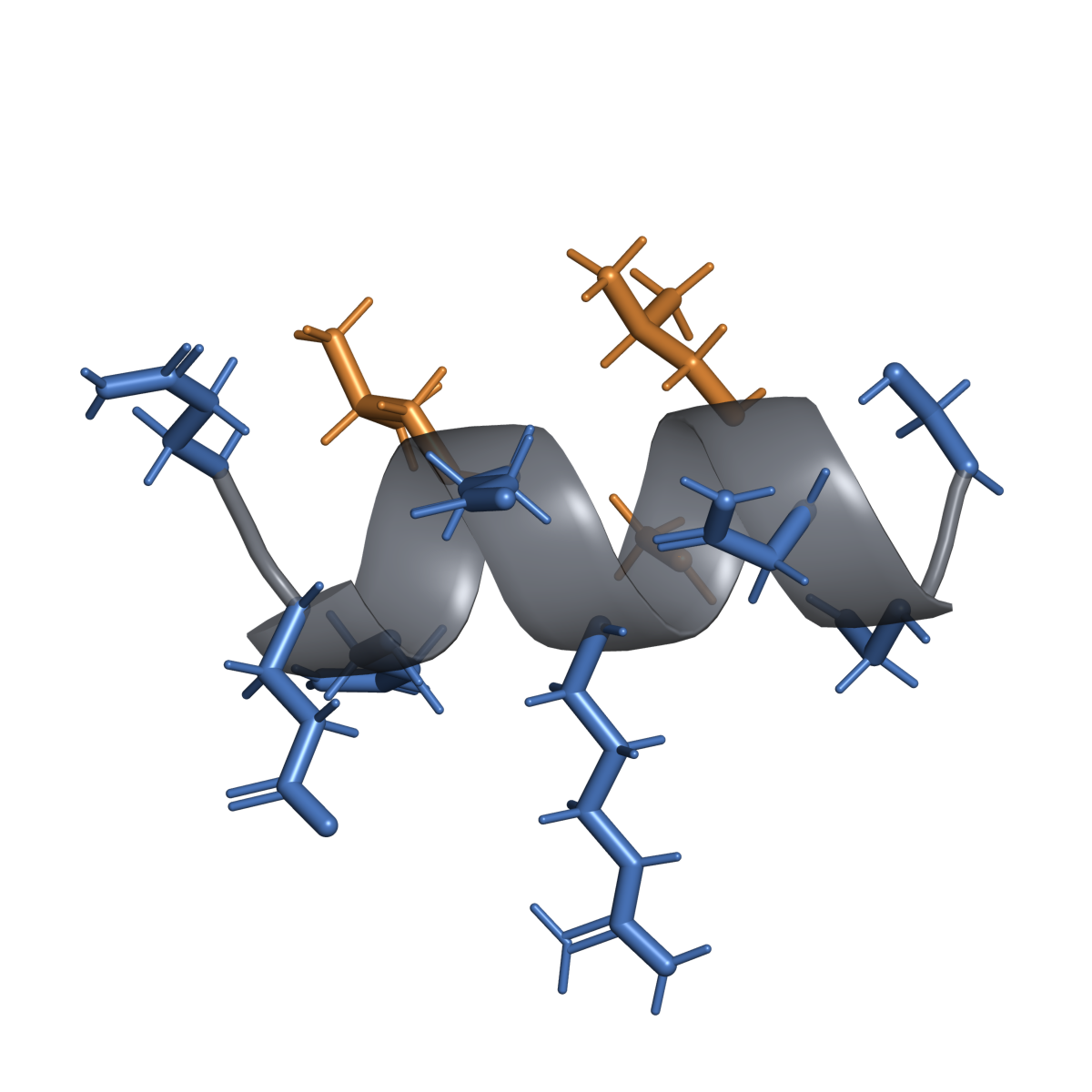
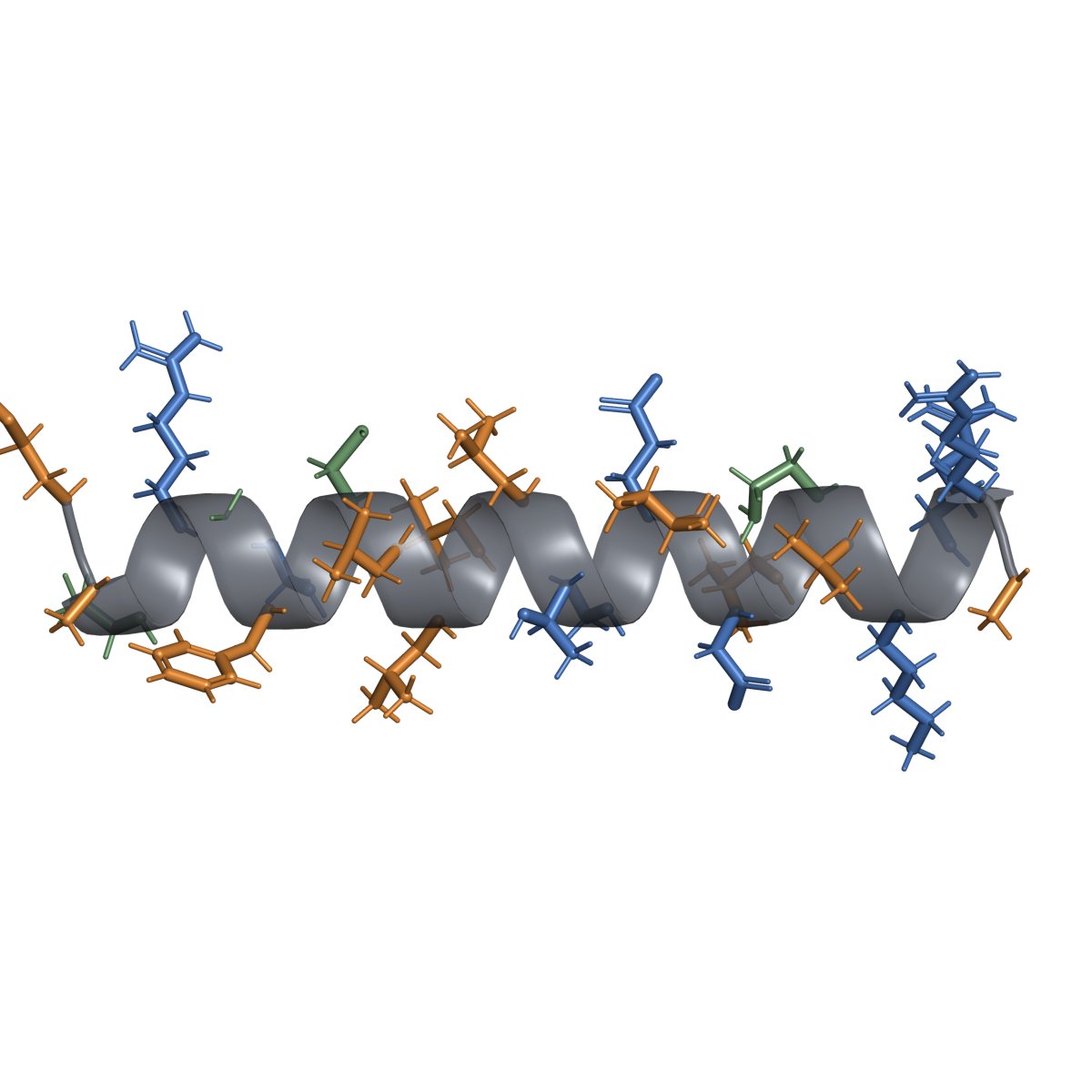
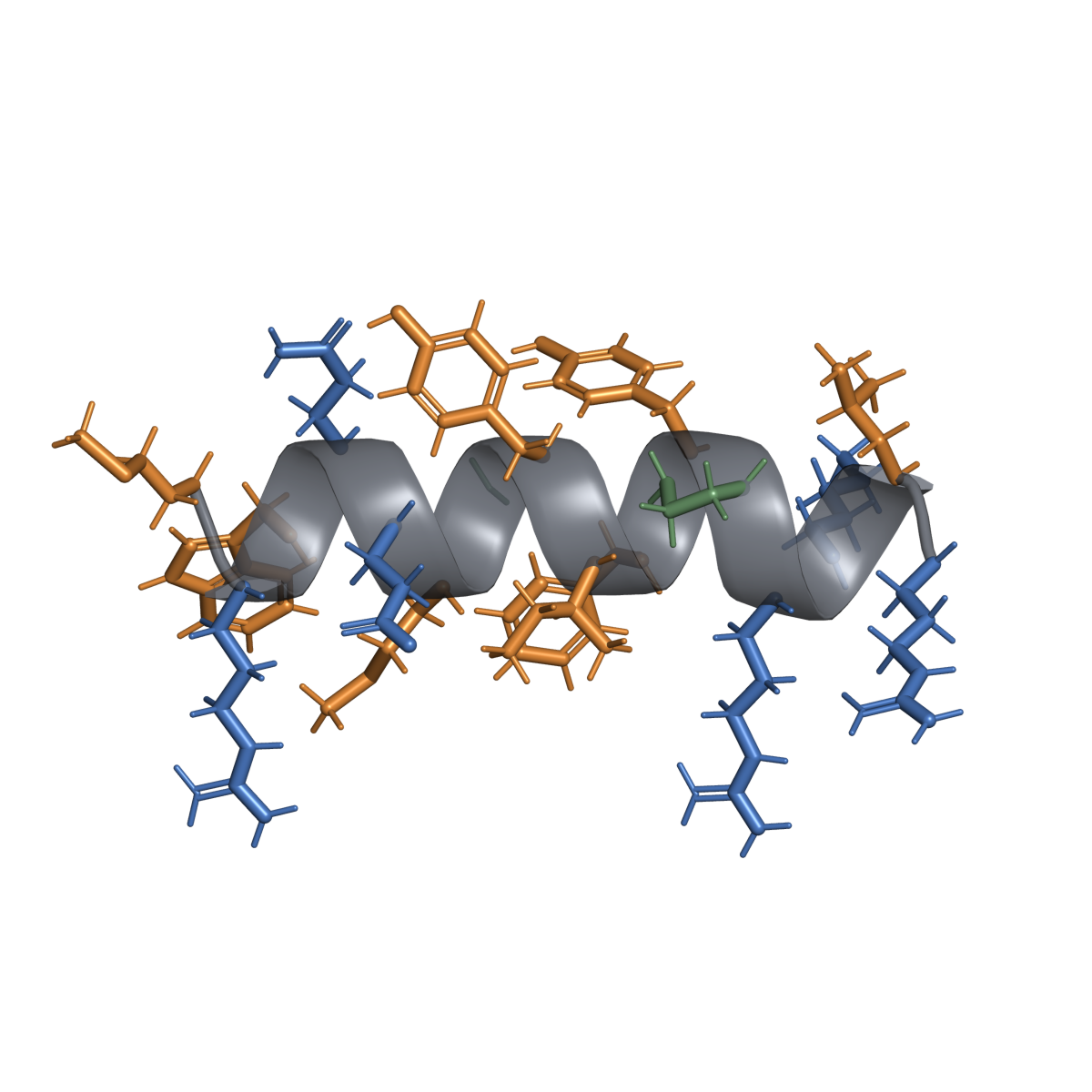
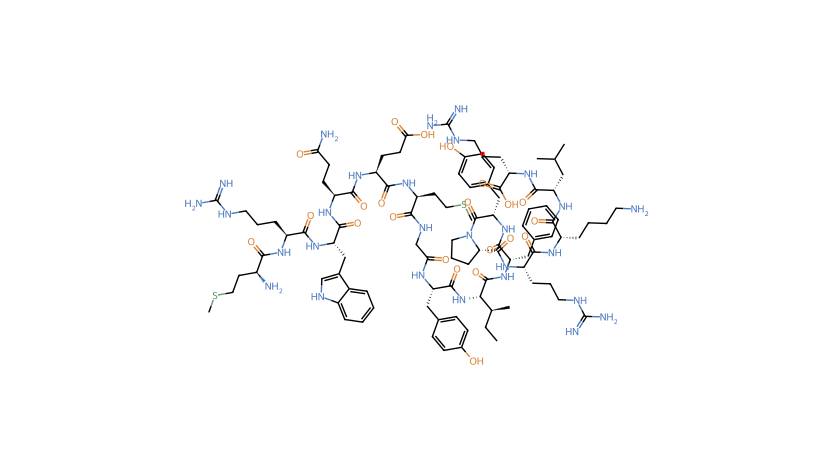
| Molecular/sequence identity | 16-amino-acid peptide: MRWQEMGYIFYPRKLR |
| Modifications/form | Encoded by mtDNA 12S rRNA; first 11 residues highly conserved across 14 species; MW ~2,174 Da |
| Stable identifiers | The record number of a compound in PubChem, the atlas's primary structure-asset source. A registry record or depiction does not authenticate a commercial sample. Sumber definisi: Identity and structure assets methodology · Glosarium: 146675088; discovered by Lee et al. 2015 (PMID 25738459) |
| Identity caveats | Distinct from humanin (HN, encoded by 16S rRNA) and SHLP1-6. The MT-1382 variant (K14Q) in the MOTS-c gene may inactivate An entry with substantial scientific visibility or identity value. Biological rationale and non-human evidence do not establish patient benefit. Sumber definisi: Scope and selection methodology · Glosarium MOTS-c. Cytosolic translation, not mitochondrial. |
Development and approval status
| Jurisdiction | Status and indication | Product/source | As of |
|---|---|---|---|
| United States (FDA) | Not approved for any indication | N/A | 2026-08-06 |
| European Union (EMA) | No marketing authorization | N/A | 2026-08-06 |
| Other jurisdictions | Status not established here; requires current national-register review | — | 2026-08-06 |
- UNITED STATES
- United States (FDA): Not approved for any indication
- EU/EEA
- European Union (EMA): No marketing authorization
- UNITED KINGDOM
- No UNITED KINGDOM row is present in the source status table
- OTHER DOCUMENTED
- Other jurisdictions: Status not established here; requires current national-register review
Sport status: WADA: The 2026 List explicitly names mitochondrial open reading frame of the 12S rRNA-c (MOTS-c) as an example of an AMPK activator under S4.4.1; it is prohibited at all times.
Mechanism and pharmacology
MOTS-c is a mitochondrial retrograde signaling molecule that translocates to the nucleus under metabolic stress. It inhibits the folate cycle and de novo purine biosynthesis, leading to increased AICAR and activation of AMPK (5'-adenosine monophosphate-activated protein kinase). Its primary target organ appears to be skeletal muscle. MOTS-c promotes glucose uptake, improves insulin sensitivity, increases lipid oxidation, and may enhance thermogenic capacity of adipose tissue. Circulating levels decrease with age, obesity, insulin resistance, and type 2 diabetes.
Evidence by claim
| Claim/indication | Stage | Grade | Best human evidence | Main result | Important limitations |
|---|---|---|---|---|---|
| Metabolic regulation/insulin sensitivity | Evidence from in vitro or animal studies with no adequate human efficacy evidence — the atlas Grade D lane. Sumber definisi: Evidence grading methodology · Glosarium | D | Observational: n=20 lean/obese humans — plasma MOTS-c correlated with HOMA (r=0.53) | Rodent models: prevented age- and diet-induced insulin resistance, reduced obesity | Observational human data only; no interventional trials published |
| Obesity | Preclinical | D | None | Mouse models: reduced diet-induced obesity | No human interventional data |
| Aging/longevity | Preclinical | D | None | Rodent models only | No human evidence |
| Exercise adaptation | Observational | C | Human studies: exercise increases MOTS-c in skeletal muscle and blood | Correlation only | No causal evidence |
- AKelas A: Mapan untuk penggunaan berlabel tertentu
- BKelas B: Bukti manusia moderat
- CKelas C: Bukti manusia awal
- DKelas D: Hanya praklinis
- EKelas E: Klaim anekdot/pemasaran
- XKelas X: Bukti bertentangan atau tidak mendukung klaim
Text alternative for the claim-evidence diagram. Each grade is defined below:
- A — Established for a specific labeled use
- 0 claims
- B — Moderate human evidence
- 0 claims
- C — Preliminary human evidence
- 1 claim: Exercise adaptation
- D — Preclinical only
- 3 claims: Metabolic regulation/insulin sensitivity; Obesity; Aging/longevity
- E — Anecdotal/marketing claim
- 0 claims
- X — Evidence contradicts or does not support the claim
- 0 claims
Key studies
| Study | Design/population | Exposure studied | Endpoints and result | Limitations |
|---|---|---|---|---|
| Lee et al. 2015 (PMID 25738459) | In vitro and mouse models [1] | MOTS-c overexpression and daily injection | Improved glucose tolerance and insulin sensitivity in aged and obese mice; AMPK activation | Evidence from in vitro or animal studies with no adequate human efficacy evidence — the atlas Grade D lane. Sumber definisi: Evidence grading methodology · Glosarium; first description |
| Observational human studies (2016-2023) | Cross-sectional, n=10-693 | Plasma MOTS-c levels measured | Plasma MOTS-c ~0.5 ng/mL; lower levels in obesity, diabetes, aging; correlated with insulin sensitivity in lean but not obese | Observational; correlation not causation |
| NCT07505745 (2026) | Phase 2a, DBPC, n= estimated; prediabetes + overweight/obese [1] | MOTS-c × 12 weeks | Matsuda insulin sensitivity index, HbA1c, lipids, body weight | Recruiting; results pending |
Dose and administration evidence
Approved labeled regimen
None.
Studied regimens (not recommendations)
Rodent studies: daily IP injection of MOTS-c at doses not directly translatable to humans.
What is not established
No established or recommended human dose.
Safety
Established label risks
None — no approved label.
Human-study signals
No human interventional safety data exist. The Phase 2a trial (NCT07505745) is the first human safety study and is ongoing.
Unknowns and product-quality risks
No published human safety data.
Research-grade products lack pharmaceutical quality standards.
Theoretical concerns: AMPK activation is a broad metabolic intervention with unknown long-term effects.
Mitochondrial DNA-encoded peptides may have different stability and immunogenicity profiles than nuclear-encoded peptides.
Interactions and special populations
No data. No studies in pregnancy, lactation, or pediatric populations.
Regulatory, compounding, and sport notes
FDA: Not approved. On July 23, 2026, PCAC separately voted 7 yes, 5 no, and 2 abstentions to recommend MOTS-c free base and MOTS-c acetate for the Sections of the US Food, Drug, and Cosmetic Act covering traditional compounding exemptions (503A) and outsourcing-facility compounding (503B). Under 503A, qualification conditions include a patient-specific prescription requirement; under 503B, conditions cover facility registration and bulk-substance eligibility. Sumber definisi: United States regulation brief · Glosarium Bulks List. PCAC recommendations are nonbinding; they are not marketing approval and do not themselves place a substance on the list.
The World Anti-Doping Agency; its Prohibited List classifies many peptides as prohibited substances in sport. Sumber definisi: WADA and sport regulation brief · Glosarium: The 2026 List explicitly names mitochondrial open reading frame of the 12S rRNA-c (MOTS-c) as an example of an AMPK activator under S4.4.1; it is prohibited at all times.
No FDA-approved product or EMA-authorized medicine was identified as of 2026-08-06; status elsewhere requires a current national-register check.
Evidence gaps
No published human interventional trial.
The Phase 2a trial has not reported results.
Optimal dose, route, and duration are unknown.
Mechanism mediating nuclear translocation in human cells is incompletely characterized.
Long-term safety and metabolic effects in humans are unstudied.
Association between MT-1382 variant and metabolic disease risk is intriguing but preliminary.
Search notes
Databases and registries: PubMed, ClinicalTrials.gov, FDA PCAC materials
Search terms: MOTS-c, mitochondrial-derived peptide, 12S rRNA, metabolic
Last searched: 2026-08-06
Inclusion emphasis: Human studies; distinction from other MDPs
Sources
https://www.e-dmj.org/journal/view.php?doi=10.4093%2Fdmj.2022.0333
WADA. 2026 Prohibited List, section S4.4.1. https://www.wada-ama.org/sites/default/files/2025-09/2026list_en_final_clean_september_2025.pdf
FDA. July 23-24, 2026 Pharmacy Compounding Advisory Committee meeting page, agenda, materials, and official webcast links. https://www.fda.gov/advisory-committees/advisory-committee-calendar/july-23-24-2026-meeting-pharmacy-compounding-advisory-committee-07232026 Official July 23 webcast: https://www.youtube.com/watch?v=DhDC0DAYdBI