Bottom line
Pasireotide is a cyclohexapeptide somatostatin analog with broader receptor binding (SSTR1,2,3,5) than octreotide or lanreotide. Approved for Cushing's disease (Administered into the tissue layer under the skin. Source de la définition: Neutral gloss; usage context: Routes, devices, and absorption primer · Glossaire Signifor, 2012) and acromegaly (Administered into a muscle. Source de la définition: Neutral gloss; usage context: Routes, devices, and absorption primer · Glossaire Signifor LAR, 2014). Unique risk of hyperglycemia including diabetic ketoacidosis, which can be severe and exceeds rates seen with first-generation somatostatin analogs.
Identity and composition
| Field | Verified information |
|---|---|
| Preferred name | Pasireotide |
| Key aliases | Signifor (Administered into the tissue layer under the skin. Source de la définition: Neutral gloss; usage context: Routes, devices, and absorption primer · Glossaire), Signifor LAR (Administered into a muscle. Source de la définition: Neutral gloss; usage context: Routes, devices, and absorption primer · Glossaire), SOM230 |
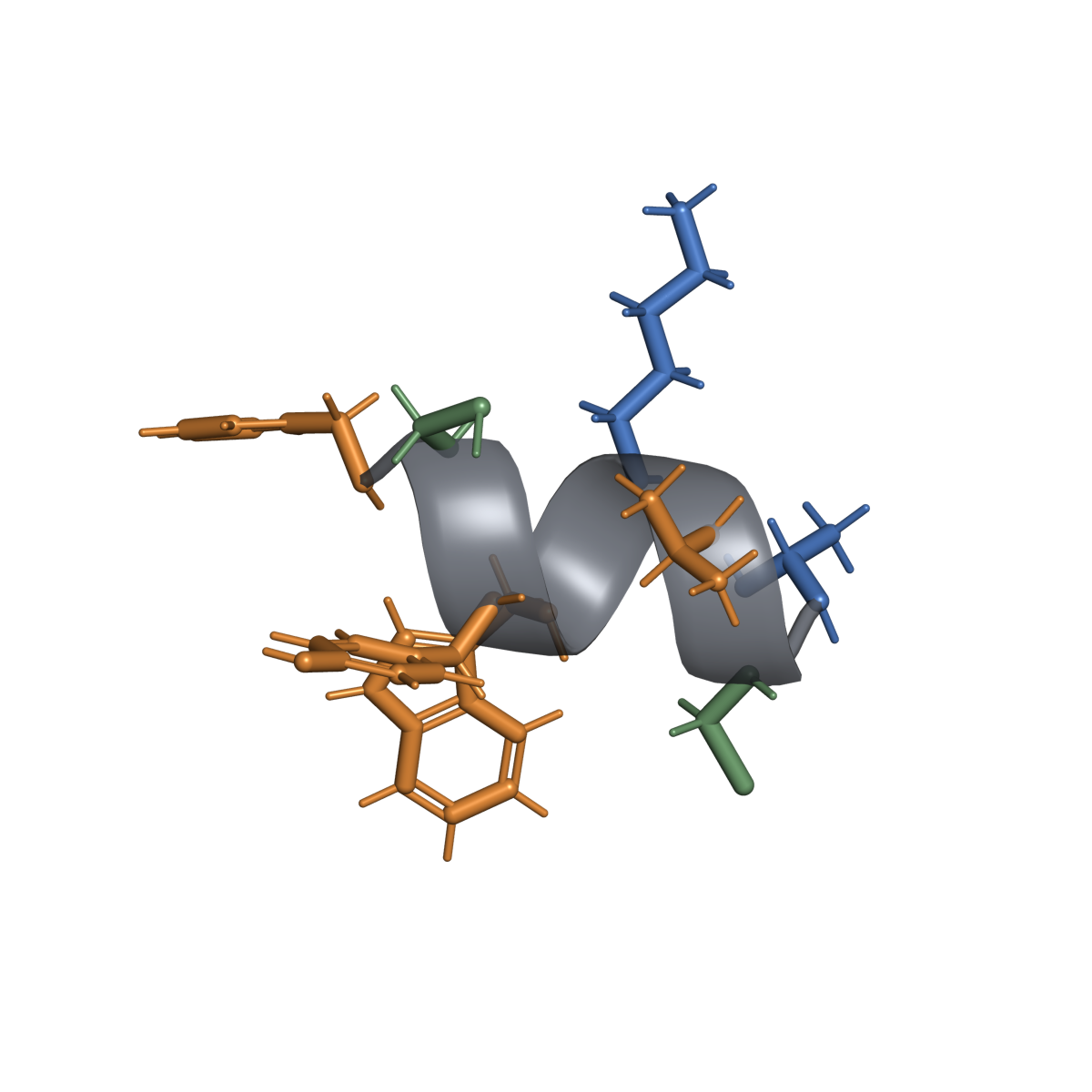
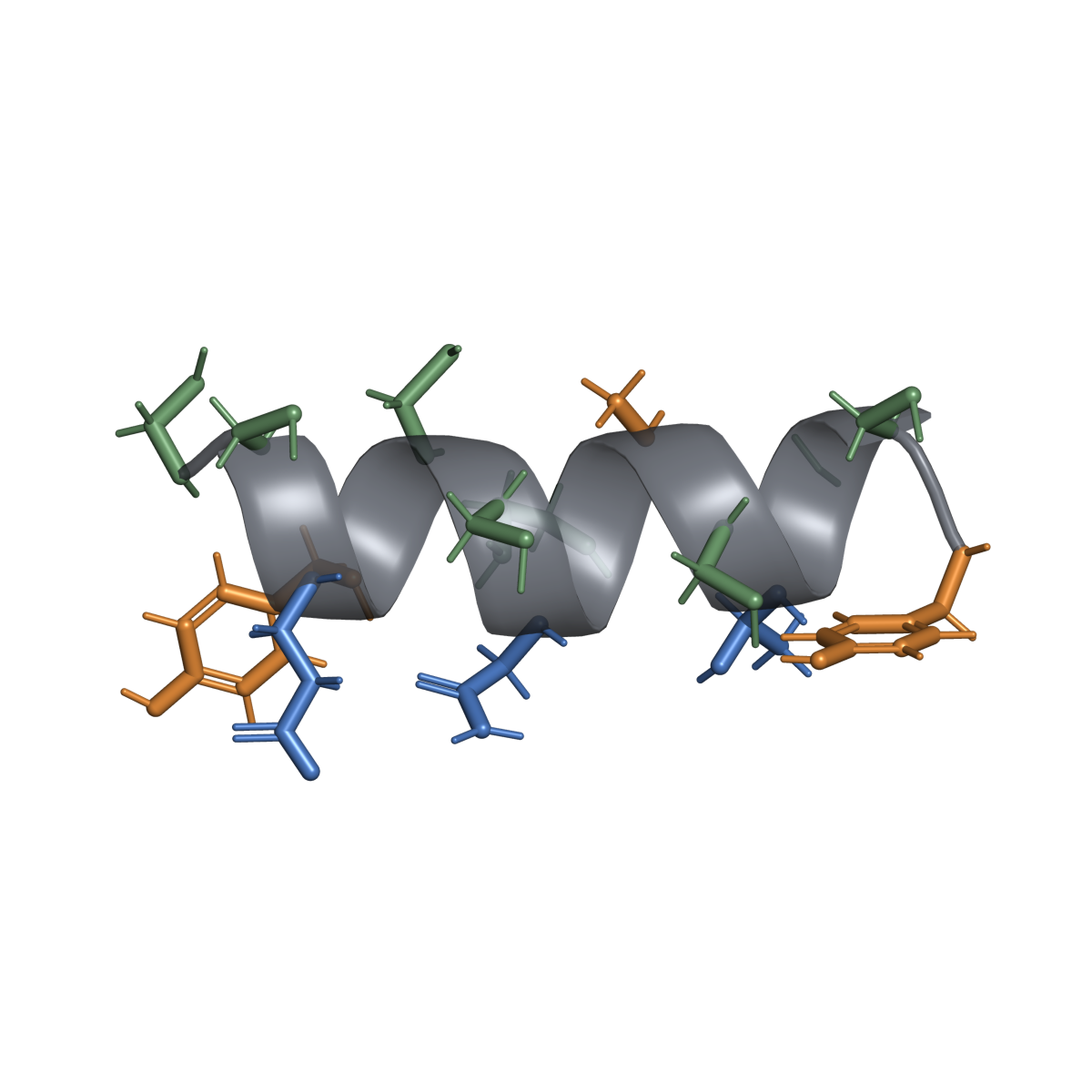
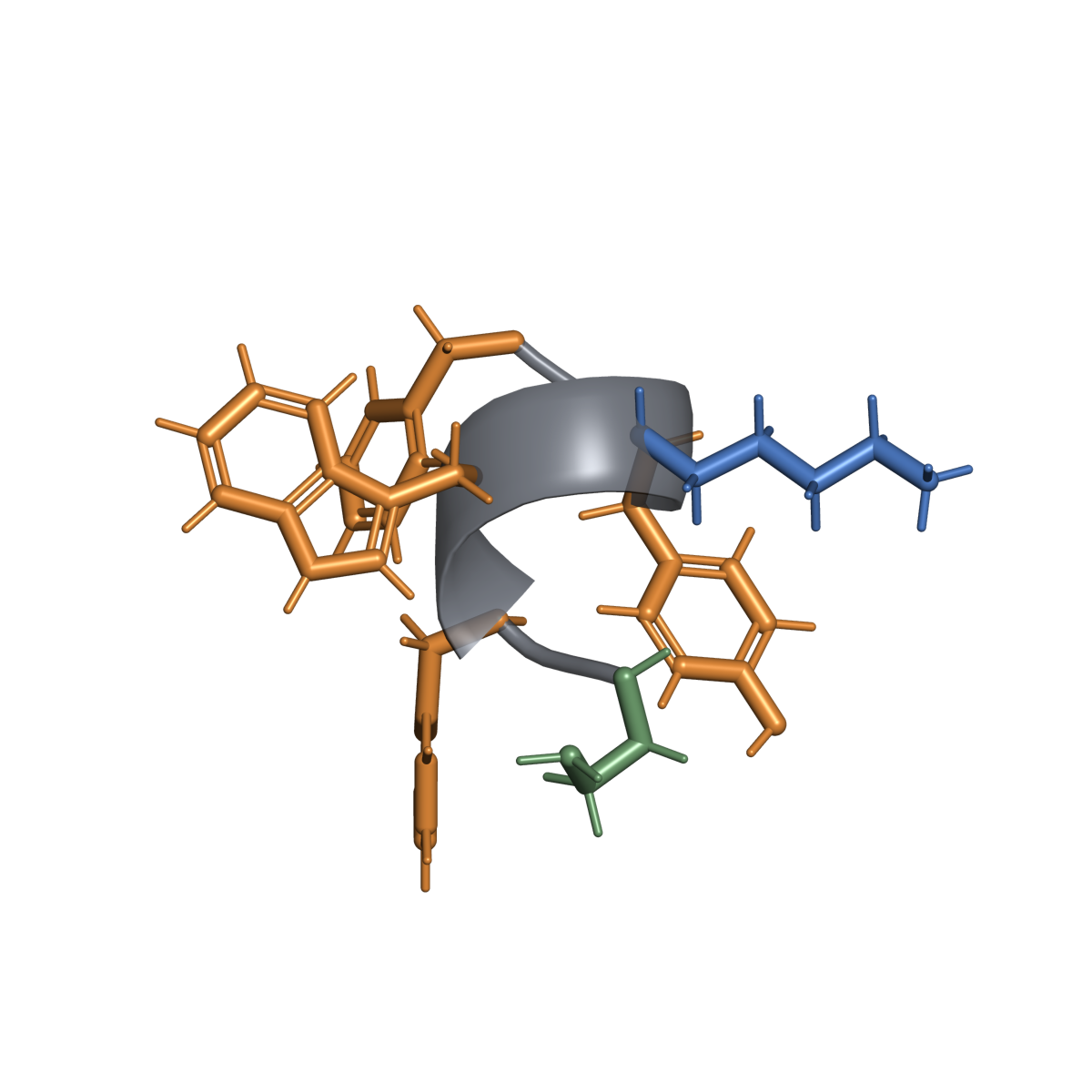
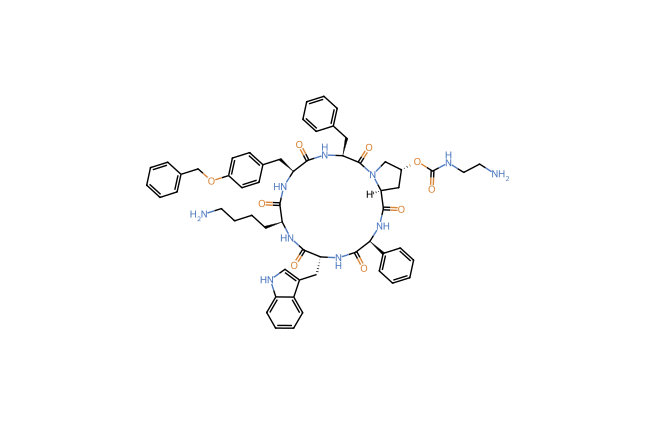
| Molecular/sequence identity | Cyclohexapeptide: cyclo[(4R)-4-(2-aminoethylcarbamoyloxy)-L-Pro-L-Phe-D-Trp-L-Lys-O-benzyl-L-Tyr-L-Phe]; no disulfide bridge (lacks cysteine residues) |
| Modifications/form | Diaspartate salt; SC solution (Signifor) and IM LAR microsphere suspension (Signifor LAR) |
| Stable identifiers | UNII: 98H1T17066; The record number of a compound in PubChem, the atlas's primary structure-asset source. A registry record or depiction does not authenticate a commercial sample. Source de la définition: Identity and structure assets methodology · Glossaire: 9941444; CAS: 396091-73-9 (base); DrugBank: DB09063 |
| Identity caveats | Structurally distinct from octapeptide somatostatin analogs. Unique aminoethylcarbamoyl modification on Pro residue. |
Development and approval status
| Jurisdiction | Status and indication | Product/source | As of |
|---|---|---|---|
| US (FDA) | Approved: Cushing's disease (Administered into the tissue layer under the skin. Source de la définition: Neutral gloss; usage context: Routes, devices, and absorption primer · Glossaire); acromegaly (LAR) | Signifor / Signifor LAR (Novartis) | Dec 2012 (SC); Dec 2014 (LAR) |
| EU/EEA (EMA) | Approved: Cushing's disease (SC, LAR); acromegaly (LAR) | Signifor | Apr 2012 (SC); Nov 2014 (LAR) |
| UK (MHRA) | Approved: same | Signifor | 2012 |
- UNITED STATES
- US (FDA): Approved: Cushing's disease (SC); acromegaly (LAR)
- EU/EEA
- EU/EEA (EMA): Approved: Cushing's disease (SC, LAR); acromegaly (LAR)
- UNITED KINGDOM
- UK (MHRA): Approved: same
- OTHER DOCUMENTED
- No OTHER DOCUMENTED row is present in the source status table
Sport status: WADA: Not prohibited.
Mechanism and pharmacology
Multi-receptor somatostatin agonist with high affinity for SSTR5 (Kᵢ ~0.16 nM) and SSTR2 (Kᵢ ~0.16 nM), and moderate affinity for SSTR3 (Kᵢ ~1.1 nM) and SSTR1 (Kᵢ ~2.7 nM). Suppresses ACTH secretion from corticotroph adenomas through SSTR5 agonism, and GH/IGF-1 through SSTR2/5. Broader receptor affinity compared to octreotide/lanreotide, particularly SSTR1 and SSTR5.
Evidence by claim
| Claim/indication | Stage | Grade | Best human evidence | Main result | Important limitations |
|---|---|---|---|---|---|
| Cushing's disease | Approved | A | Phase 3 (CSOM230B2305; Colao A, et al. N Engl J Med. 2012;366:914–24. PMID: 22397653) | UFC normalization at month 6 in 15% (600 mcg) and 26% (900 mcg) Administered into the tissue layer under the skin. Source de la définition: Neutral gloss; usage context: Routes, devices, and absorption primer · Glossaire BID | No comparator; high dropout rate |
| Acromegaly (inadequate response to first-gen SSA) | Approved | A | PAOLA (Gadelha M, et al. Lancet Diabetes Endocrinol. 2014;2:875–84. PMID: 25260838) | Biochemical control at 24 wk: 15–20% pasireotide LAR vs 0% active control | Active comparator, not An inactive comparator used in a controlled study. Source de la définition: Neutral gloss; usage context: Evidence grading methodology · Glossaire |
- AGrade A: Établi pour une utilisation indiquée spécifique
- BGrade B: Preuve humaine modérée
- CGrade C: Preuve humaine préliminaire
- DGrade D: Préclinique uniquement
- EGrade E: Affirmation anecdotique/commerciale
- XGrade X: Les preuves contredisent ou ne soutiennent pas l'affirmation
Text alternative for the claim-evidence diagram. Each grade is defined below:
- A — Established for a specific labeled use
- 2 claims: Cushing's disease; Acromegaly (inadequate response to first-gen SSA)
- B — Moderate human evidence
- 0 claims
- C — Preliminary human evidence
- 0 claims
- D — Preclinical only
- 0 claims
- E — Anecdotal/marketing claim
- 0 claims
- X — Evidence contradicts or does not support the claim
- 0 claims
Key studies
| Study | Design/population | Exposure studied | Endpoints and result | Limitations |
|---|---|---|---|---|
| CSOM230B2305 | A study in which participants and investigators know what is administered. Source de la définition: Neutral gloss; usage context: Evidence grading methodology · Glossaire, A study without a separate comparison group. Source de la définition: Neutral gloss; usage context: Evidence grading methodology · Glossaire, N=162, Cushing's disease | Administered into the tissue layer under the skin. Source de la définition: Neutral gloss; usage context: Routes, devices, and absorption primer · Glossaire pasireotide 600–900 mcg BID | UFC normalized in 15–26% at month 6 | Uncontrolled; high discontinuation (43%) |
| PAOLA | A study in which participants are assigned to the study material or a comparator by chance. Source de la définition: Neutral gloss; usage context: Evidence grading methodology · Glossaire, N=198, acromegaly uncontrolled on first-gen SSA | Pasireotide LAR 40–60 mg Administered into a muscle. Source de la définition: Neutral gloss; usage context: Routes, devices, and absorption primer · Glossaire q4wk vs octreotide LAR 30 mg | Biochemical response 15–20% vs 0% (p<0.001) | No An inactive comparator used in a controlled study. Source de la définition: Neutral gloss; usage context: Evidence grading methodology · Glossaire; sponsor selection bias |
| CSOM230B2306 | Extension of B2305, Cushing's disease | Long-term pasireotide SC | Sustained UFC control in responders | Selected population |
Dose and administration evidence
Approved labeled regimen
The label summary below is product-, indication-, and jurisdiction-specific; consult the full current label and a licensed clinician/pharmacist.
Cushing's disease (Signifor Administered into the tissue layer under the skin. Source de la définition: Neutral gloss; usage context: Routes, devices, and absorption primer · Glossaire): 0.6 mg SC BID initial, titrate to 0.9 mg SC BID based on tolerability and response. Acromegaly (Signifor LAR): 40 mg Administered into a muscle. Source de la définition: Neutral gloss; usage context: Routes, devices, and absorption primer · Glossaire q4wk initial, maximum 60 mg. Cushing's disease (Signifor LAR): 10 mg IM q4wk initial, maximum 40 mg.
Studied regimens (not recommendations)
Phase 3 Cushing's: 0.6–0.9 mg SC BID.
PAOLA: pasireotide LAR 40–60 mg IM q4wk.
What is not established
Efficacy beyond 2 years in controlled settings.
Optimal sequencing after surgery or radiation.
No established or recommended human dose for unapproved indications.
Safety
Established label risks
Hyperglycemia: Very high rate (~73% in Cushing's phase 3). Diabetic ketoacidosis reported. Monitor glucose aggressively; antidiabetic therapy often required.
Gallbladder: Cholelithiasis (33% with LAR in acromegaly studies).
Cardiovascular: QT prolongation (caution/monitoring; not a contraindication per label); bradycardia.
Endocrine: Hypocortisolism (may require glucocorticoid replacement).
GI: Nausea, diarrhea, steatorrhea.
Hepatic: ALT/AST elevations.
Injection site: Pain, granuloma (LAR).
Human-study signals
Cushing's disease phase 3: hyperglycemia 73%; diabetes developed in 36%.
PAOLA: cholelithiasis 33% vs 14% octreotide; hyperglycemia 30%.
Unknowns and product-quality risks
Long-term cardiovascular outcomes with chronic hyperglycemia.
Research-grade material may not match Signifor formulation.
LAR microsphere preparation requires proper technique.
Interactions and special populations
The US labels list no contraindications. Coadministration with drugs that prolong QT may have additive effects and requires caution; baseline and on-treatment ECG/electrolyte monitoring is advised for at-risk patients.
Beta-blockers and CCBs for additive bradycardia.
Antidiabetic doses often need adjustment.
Cyclosporine levels may decrease; monitor.
Regulatory, compounding, and sport notes
The World Anti-Doping Agency; its Prohibited List classifies many peptides as prohibited substances in sport. Source de la définition: WADA and sport regulation brief · Glossaire: Not prohibited.
Not scheduled under US CSA.
Hyperglycemia monitoring requirement distinguishes from first-gen SSA.
Evidence gaps
Glucose management strategy optimized for pasireotide-induced hyperglycemia.
Direct comparison to second-line agents for Cushing's disease.
Long-term tumor control data for pasireotide LAR in NETs (not approved).
Search notes
Databases and registries: DailyMed, PubMed, ClinicalTrials.gov, EMA EPAR
Search terms: pasireotide, Signifor, SOM230, Cushing's disease, acromegaly
Last searched: 2026-08-06
Inclusion emphasis: Regulatory labels, pivotal phase 3 trials, safety analyses
Sources
Signifor (pasireotide) prescribing information. DailyMed. https://dailymed.nlm.nih.gov/dailymed/drugInfo.cfm?setid=a09a25fc-a5a3-0c82-e053-2995a90a5d74
Signifor LAR (pasireotide) prescribing information. DailyMed. https://dailymed.nlm.nih.gov/dailymed/drugInfo.cfm?setid=a0aad470-3f38-af97-e053-2995a90a383a
Colao A, et al. Pasireotide in Cushing's disease (NCT00434148). N Engl J Med. 2012;366(10):914–24. PMID: 22397653.
Gadelha MR, et al. Pasireotide vs octreotide in acromegaly (PAOLA). Lancet Diabetes Endocrinol. 2014;2(11):875–84. PMID: 25260838.
PubChem. Pasireotide. https://pubchem.ncbi.nlm.nih.gov/compound/9941444